
Warranty and Serviceability: What to Check Before Buying Wellness Equipment
Short answer: the headline number of years is the least useful part of a warranty. What decides whether you are actually covered is which component, residential or commercial use, whether a certified technician installed it, and whether you inspected the freight before signing. Across the equipment in this catalogue, published terms range from one year to five — and some products publish nothing at all until you ask.
Warranty is the section of a product page that buyers skim and owners later read very carefully. On a $500 device that asymmetry doesn't matter much. On a sauna cabin, a chiller or a hyperbaric chamber, it is one of the larger financial variables in the purchase.
This guide is about due diligence before you buy: what to look for, what genuinely differs between manufacturers, and the specific conditions that quietly forfeit coverage. It is deliberately not a warranty marketing page — where a term is published we quote it, and where nothing is published we say so.
"Warranty" is not one thing, even within one store
The most common mistake is assuming coverage is broadly similar across a category. It isn't. Here is what four products in this range actually publish:
| Category | Product | Published warranty |
|---|---|---|
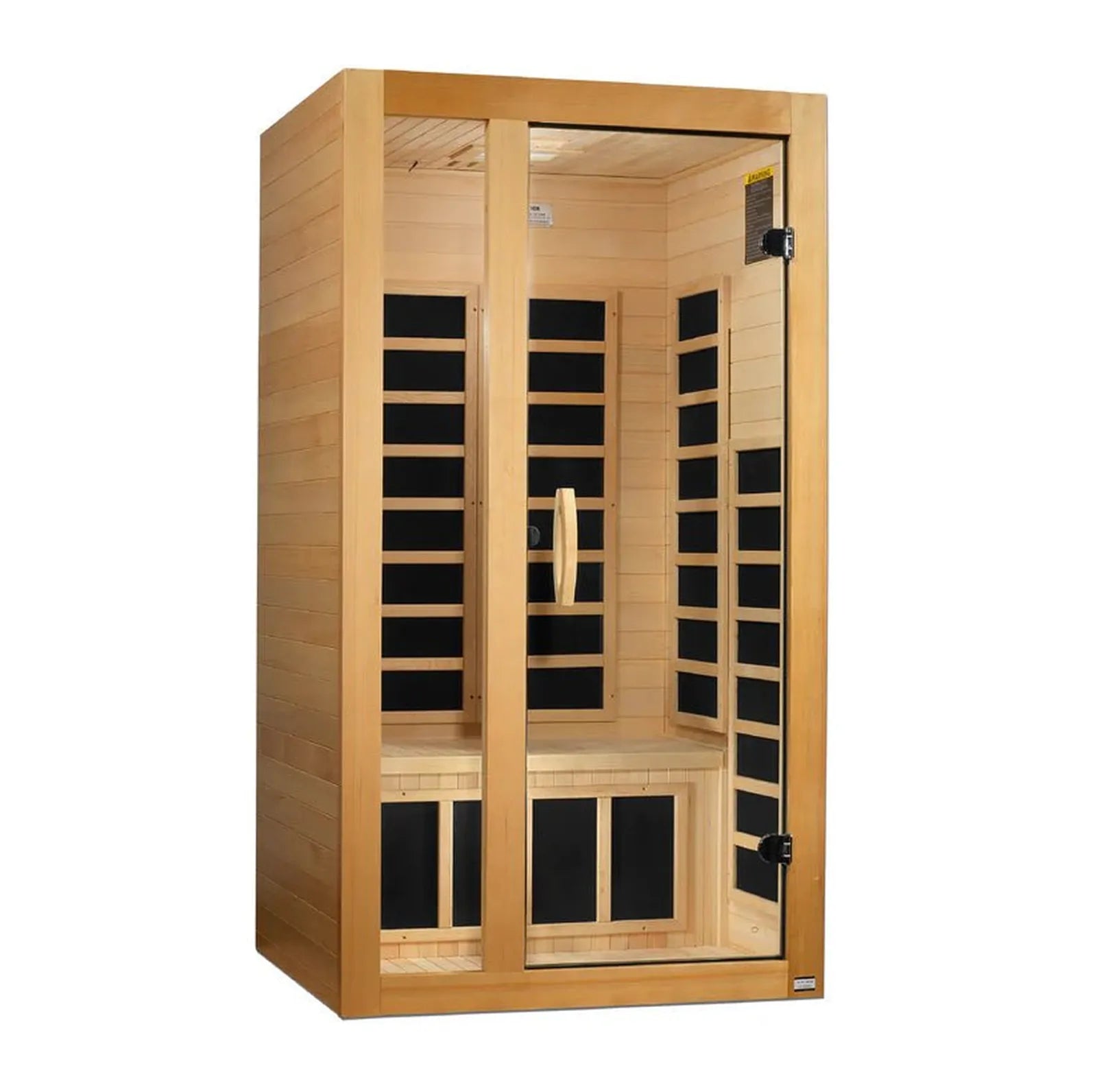
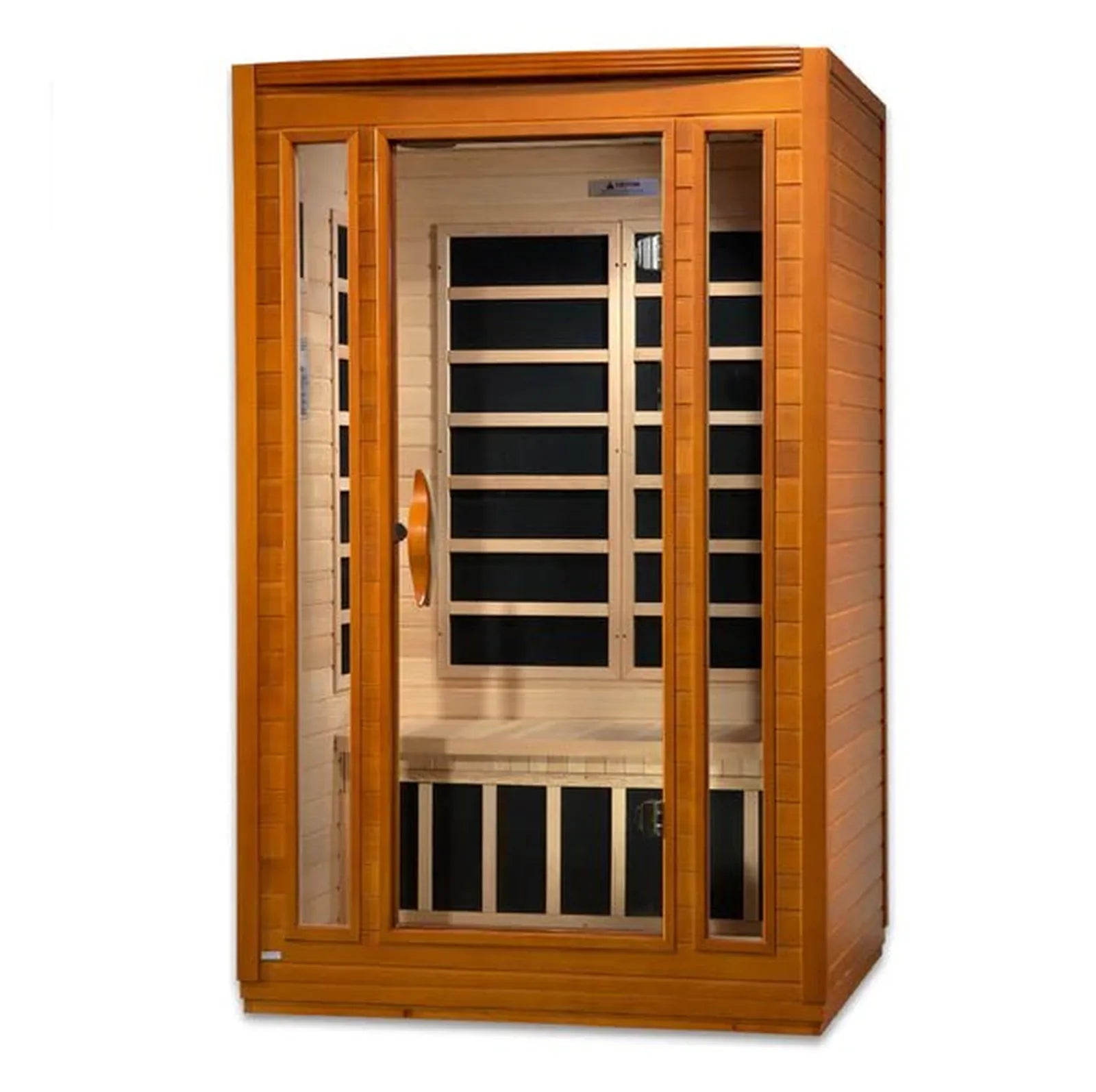
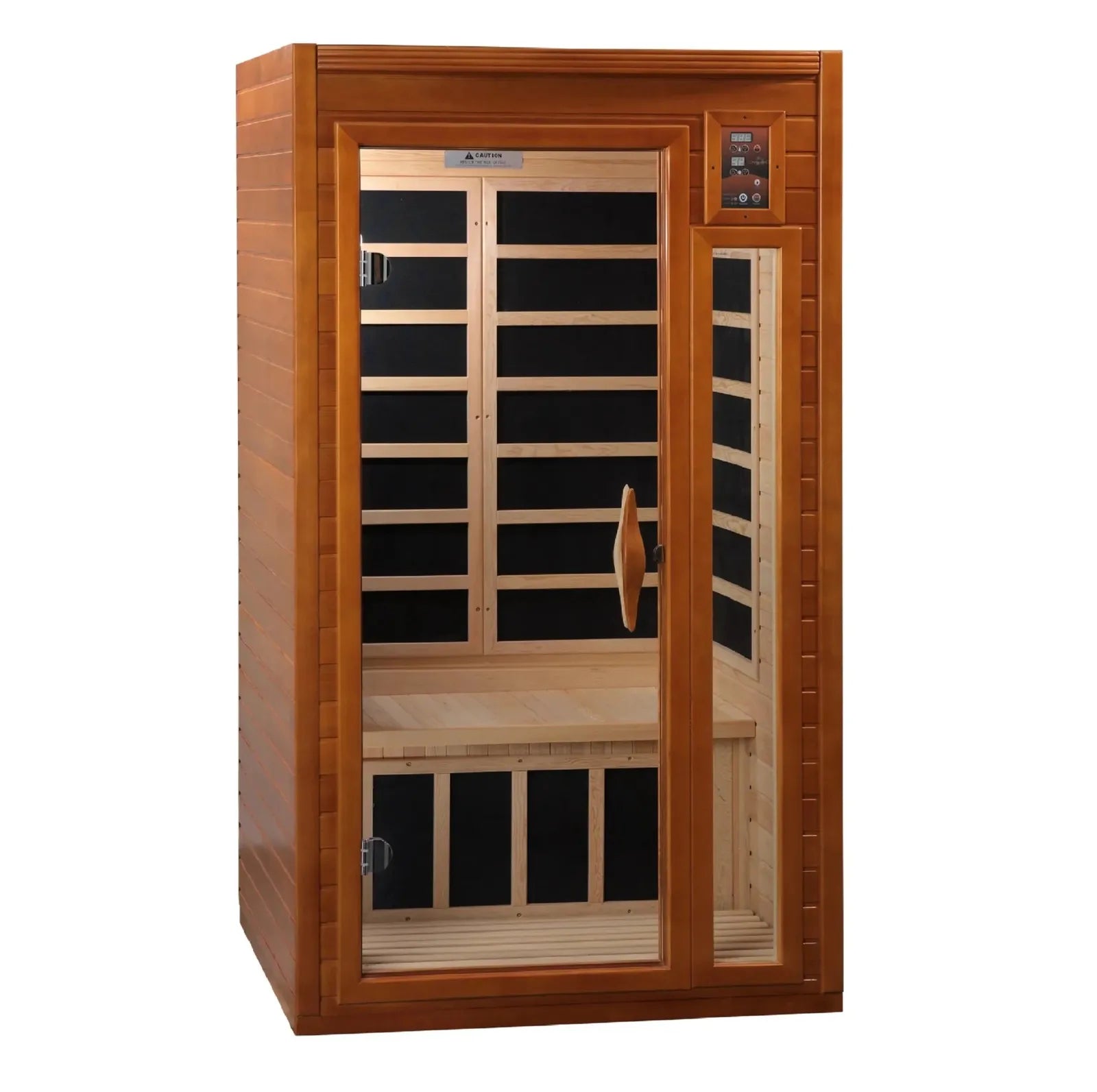
| Sauna | Golden Designs / Dynamic cabins | 5 years heating elements and electronics (residential), 1 year commercial; 1 year limited on wood and structure |
| Red light | RDPRO1500-FS7 panel | "3-Year Professional/Commercial Warranty" — parts-versus-labour split not stated |
| Cold plunge | Dynamic Premier 1.0 HP chiller | "1-year limited manufacturer's warranty covering defects in materials and workmanship under normal use", plus "lifetime technical product support" |
| Hyperbaric | CY5 chamber | Not published on the product page. "Warranty terms, coverage, and support procedures vary by brand and product" |
One year to five years, one product with lifetime technical support, and one where the answer is a phone call. Nothing about these can be inferred from the others. Wellari's own warranty information page states this directly: "Warranty availability, coverage periods, terms, exclusions, registration requirements, service procedures, and permitted uses vary by manufacturer."
Coverage is by component, not by product
The sauna example is the clearest illustration of a pattern that runs through this whole category. Golden Designs' factory warranty covers heating elements and electronics for five years in residential use, while the wood and structure carry a one-year limited warranty.
Read as a buyer, that says something specific and useful: the expensive electrical components are protected five times longer than the cabinet around them. A scratched or stained bench is your problem after twelve months; a failing heater is not.
The practical question to ask of any product is therefore not "how long is the warranty" but "which parts, for how long, and what is explicitly outside it?" Our guide to what infrared sauna ownership actually requires works through the sauna case in full detail, including which normal-wear conditions are not treated as defects.
Residential and commercial are different products, contractually
This one catches gyms, studios, clinics and recovery facilities repeatedly.
The same Golden Designs warranty that gives five years of heating-element coverage in a home gives one year in commercial use. Same cabin, same components, one fifth of the coverage period, decided entirely by where it is installed and who uses it.
If you are buying for any commercial setting — a gym, a studio, a clinic, a recovery facility, a short-term rental, or anywhere with paying or multiple users — confirm the commercial term in writing before you order, and factor a service arrangement into the purchase price. Note too that the RDPRO1500-FS7's warranty is described as a "Professional/Commercial" warranty, which is a different framing again. Do not assume the residential figure applies to your use.
The condition most likely to void your coverage
Wellari's product documentation carries a warning that deserves far more attention than it usually gets:
"Some manufacturers may void the labor or parts warranty if the equipment is not installed by a certified technician."
That single sentence can outweigh the difference between a one-year and a three-year term. For heavy or plumbed or hard-wired equipment, self-installation or a general handyman may forfeit coverage entirely — and you will find out at the point of claim, not at the point of installation.
White-glove installation is offered where available, though "available services, provider qualifications, geographic coverage, pricing, and scope vary by product and delivery location." Establish before ordering whether professional installation is required for coverage, optional, or unavailable in your area.
What is excluded, across the board
Wellari's warranty page lists what manufacturer coverage generally includes — "manufacturing defects," "defects in materials or workmanship," and "certain component failures under normal intended use" — and what it generally does not:
- Misuse or abuse
- Improper installation
- Unauthorized modifications
- Cosmetic wear and tear
- Damage caused during improper transportation, storage, or use
Two of those are worth expanding, because owners trigger them without realising.
Unauthorized modification
This is broader than it sounds. Adding your own lighting, swapping a component, fitting a non-approved accessory or altering the electrical connection can all qualify. If you are planning any change to equipment under warranty, ask the manufacturer in writing first — a short email is cheaper than a declined claim.
Improper installation
Installation conditions are warranty conditions. The CY5's pre-installation requirements make the customer responsible for verifying that doorways and hallways accommodate the equipment, that electrical requirements are met with dedicated circuits as specified, that the floor can support the unit's weight, and that the delivery path is clear. Those are not suggestions; they are the conditions the equipment is warranted under.
Our guides to hyperbaric chamber site planning, cold plunge electrical requirements and the home sauna electrical guide exist partly for this reason.
Freight damage: the window that closes fastest
This equipment ships by freight, and freight damage is handled on a much shorter clock than any warranty claim.
The single most valuable habit at delivery is to inspect before you sign. Signing a clean delivery receipt for a damaged crate can make a subsequent claim considerably harder. Photograph the crate before and during unpacking, note any damage on the delivery paperwork itself, and report immediately.
To make a claim, Wellari asks for your order number, the product name and model, a description of the issue, and photos or video where applicable — so the documentation you gather at delivery is exactly the documentation a claim needs.
Who actually decides a claim
This is worth understanding before you need it. Wellari's warranty page states plainly: "Wellari Wellness does not independently guarantee manufacturer warranty decisions or coverage determinations."
That is a normal and honest retail position rather than a red flag — the manufacturer underwrites its own warranty, and the retailer facilitates. The practical implication is that the manufacturer's terms are the terms, so read theirs rather than relying on a general summary, and keep your proof of purchase, model number and registration where you can find them.
Serviceability: the part nobody asks about
Warranty answers "who pays." Serviceability answers "how long am I without it, and is it fixable at all in year six?" For equipment in this price range, the second question matters more over the ownership period.
| Question | Why it matters |
|---|---|
| Field service or return-to-depot? | Shipping a 650–1000 kg chamber back is not comparable to shipping a light panel. For heavy equipment, on-site service is close to essential. |
| Who pays freight on a warranty repair? | Parts can be covered while freight is not. On heavy goods this is a substantial number. |
| Are spare parts available separately? | A heater panel, a control board, a pump or a compressor should be orderable as a part, not only as a whole-unit replacement. |
| What is the parts lead time? | Made-to-order equipment can carry long lead times — the CY5 is quoted at 37–54 business days for delivery. Ask whether spares ship faster than units. |
| Is technical support included after the warranty? | Dynamic Cold Therapy publishes "lifetime technical product support" on its Premier chiller, which is separate from the one-year warranty. That is a genuine differentiator. |
| What happens if the model is discontinued? | Ask how long parts are stocked after a model is retired. This is the single biggest long-term risk on electronically controlled equipment. |
| Are consumables identified and available? | Filters, sieve beds, seals, sanitiser cartridges and covers are usually excluded from warranty and are an ongoing cost. |
| Is there remote diagnostics? | App-connected equipment can sometimes be diagnosed without a visit, which shortens downtime considerably. |
| Is documentation available before purchase? | If you cannot get the manual and warranty document before ordering, you are agreeing to terms you have not read. |
Transferability and registration
Transferability. Coverage is frequently limited to the original purchaser at the original installation site. Golden Designs' terms work this way. This affects two situations people rarely anticipate: selling the equipment on, and moving house. If either is plausible, confirm the position before you buy.
Registration. Where a manufacturer operates a registration process, complete it at purchase while the model number and receipt are in front of you. It costs five minutes and removes an argument later.
The questions to ask before you buy
- What is the warranty period, by component?
- Does it cover parts, labour, or both?
- What is the commercial term, if my use is commercial?
- Does coverage require installation by a certified technician?
- Is professional installation available at my location, and at what cost?
- Who pays freight on a warranty repair?
- Is service on-site or return-to-depot?
- Is the warranty transferable, and does it survive a move?
- Is registration required, and by when?
- Which consumables are excluded, and what do they cost annually?
- Are spare parts sold separately, and what is the lead time?
- How long are parts supported after a model is discontinued?
- What maintenance is required to keep coverage valid?
- Can I see the manual and warranty document before ordering?
- What are the installation prerequisites — circuit, floor loading, clearance, access — and does failing them void coverage?
A supplier who answers these readily is telling you something useful. So is one who cannot.
Frequently asked questions
How long is the warranty on wellness equipment?
It varies far more than most buyers expect, even within one retailer. Among products in this range, published terms include five years on sauna heating elements and electronics in residential use, a three-year professional/commercial warranty on a flagship red light panel, and a one-year limited manufacturer's warranty on a cold plunge chiller. Some products do not publish a term on the product page at all. Always check the specific model.
Does a commercial setting change my warranty?
Frequently, and substantially. Golden Designs' factory warranty covers heating elements and electronics for five years residential but one year commercial — the same hardware with a fifth of the coverage. If your equipment will be used in a gym, studio, clinic or any multi-user or paying environment, confirm the commercial term in writing before ordering.
Can installing equipment myself void the warranty?
Yes. Wellari's documentation states that "some manufacturers may void the labor or parts warranty if the equipment is not installed by a certified technician." For hard-wired, plumbed or heavy equipment, establish before ordering whether professional installation is a condition of coverage.
What is usually excluded from a wellness equipment warranty?
Commonly excluded are misuse or abuse, improper installation, unauthorized modifications, cosmetic wear and tear, and damage caused during improper transportation, storage or use. Consumables such as filters and seals are also typically outside coverage.
What should I do when heavy equipment is delivered?
Inspect the crate before signing. Photograph it before and during unpacking, note any visible damage on the delivery paperwork itself rather than signing clean, and report immediately with your order number, model, a description and photos. Freight damage runs on a much shorter clock than a warranty claim.
Is a warranty transferable if I sell the equipment or move house?
Often not. Coverage is frequently limited to the original purchaser at the original installation site — Golden Designs' terms work this way. If you may relocate the equipment or sell it on, confirm the manufacturer's position before purchase rather than after.
What happens if my model is discontinued?
This is the most underrated long-term risk, particularly for electronically controlled equipment where a control board failure can render an otherwise sound unit unusable. Ask how long the manufacturer stocks parts after a model is retired, and whether spare parts can be ordered separately from complete units.
Does the retailer or the manufacturer decide a warranty claim?
The manufacturer underwrites its own warranty. Wellari's warranty page states that "Wellari Wellness does not independently guarantee manufacturer warranty decisions or coverage determinations." That is a normal retail position — it means the manufacturer's published terms are the ones that govern, so read those rather than a general summary.
Where to go next
For the current retail position, see Wellari's warranty information page. For the sauna case in full detail — including which conditions forfeit coverage and what counts as normal wear — see what infrared sauna ownership actually requires.
Because installation conditions are warranty conditions, the planning guides matter here: hyperbaric chamber site planning, cold plunge electrical requirements, and chiller sizing. To budget the whole ownership picture, our guide to what this equipment costs to run covers the energy side.
To browse hardware, see the sauna collection, cold plunge chillers, red light therapy, or hyperbaric chambers.
Ask us for the warranty document and manual for any specific model before you order. If we cannot get them to you, that is worth knowing before you commit rather than after.