

Cryogenic Technology & Whole-Body Cryotherapy Chamber Buyer’s Guide
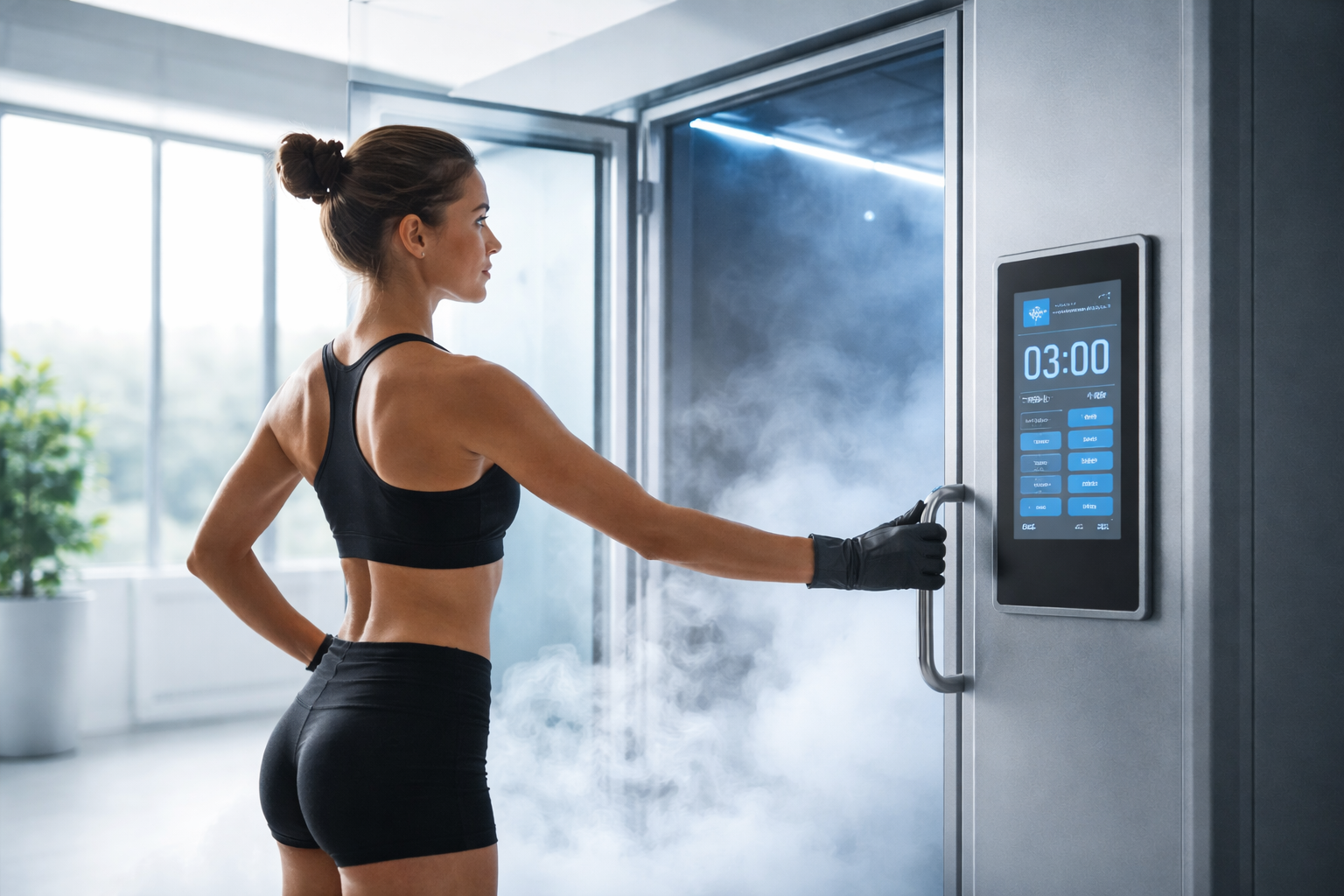
CRYOGENIC COOLING TECHNOLOGY GUIDE
Cryogenic cooling involves sub-zero atmospheric management within a controlled environment. These systems are engineered for precise thermal conditioning and are common in high-performance athletic training facilities and professional recovery environments.
System Formats:
- Full-body walk-in chambers: High-capacity electric or nitrogen-based enclosures.
- Localized hand-held systems: Targeted application devices for specific site cooling.
This guide helps you understand technical specifications & facility requirements so you can choose the option that best fits your space & operational needs.
Cryogenic Facility Integration Checklist
Installing a cryogenic cooling system requires specific facility modifications. Use this technical checklist to ensure your space meets the structural and utility requirements for safe system operation.
Verification of minimum CFM (Cubic Feet per Minute) ratings for active nitrogen displacement or high-volume heat exhaust.
Installation of dedicated 220V/240V circuits to support dual-compressor mechanical refrigeration reliability.
Strategic placement of oxygen deficiency (O2) sensors and integrated thermal monitoring safety systems.
Evaluation of floor PSI capacity to support industrial-grade electric chamber units exceeding 1,500 lbs.
Cryotherapy Guides & Insights
Explore expert articles covering cryotherapy use cases, cold exposure comparisons, session frequency, and how to choose the right system. Learn the key differences between cryotherapy and cold plunges and make informed decisions with confidence.
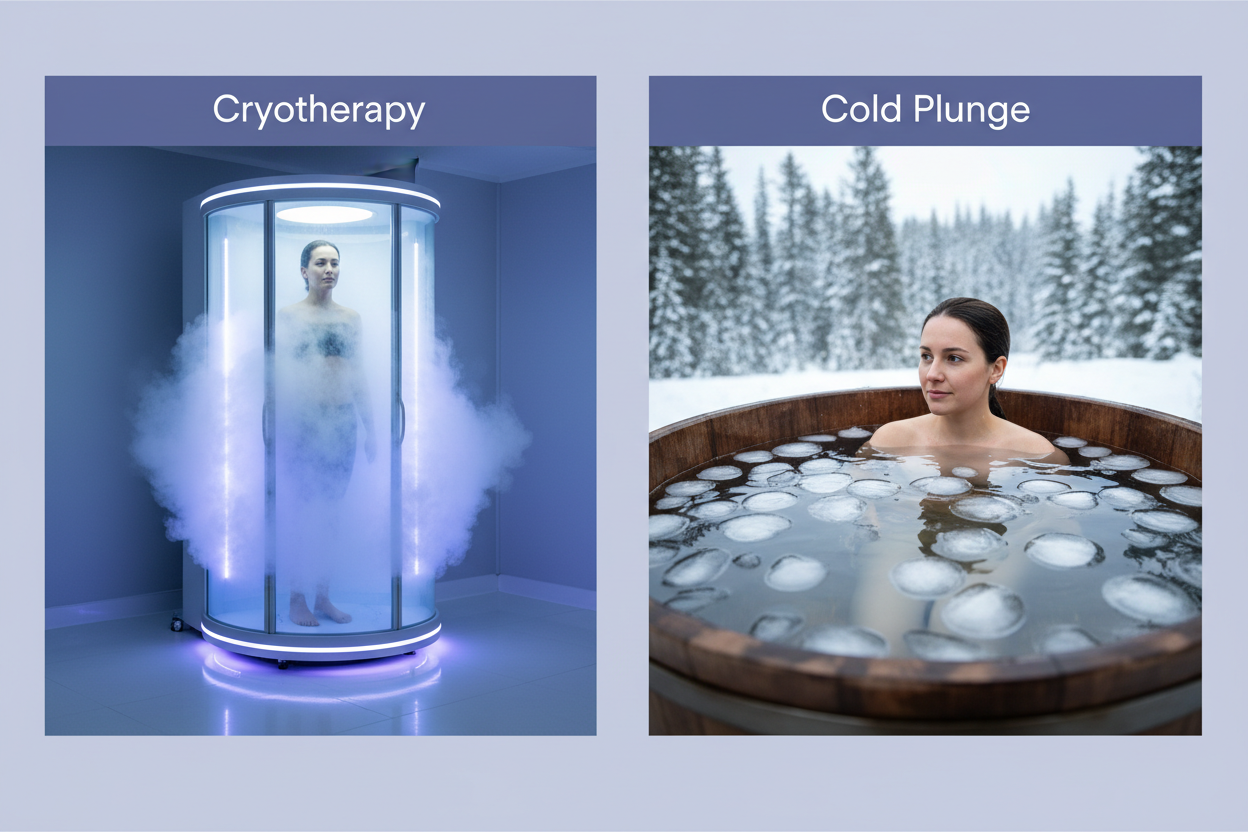
Cryotherapy vs Ice Bath
Read Guide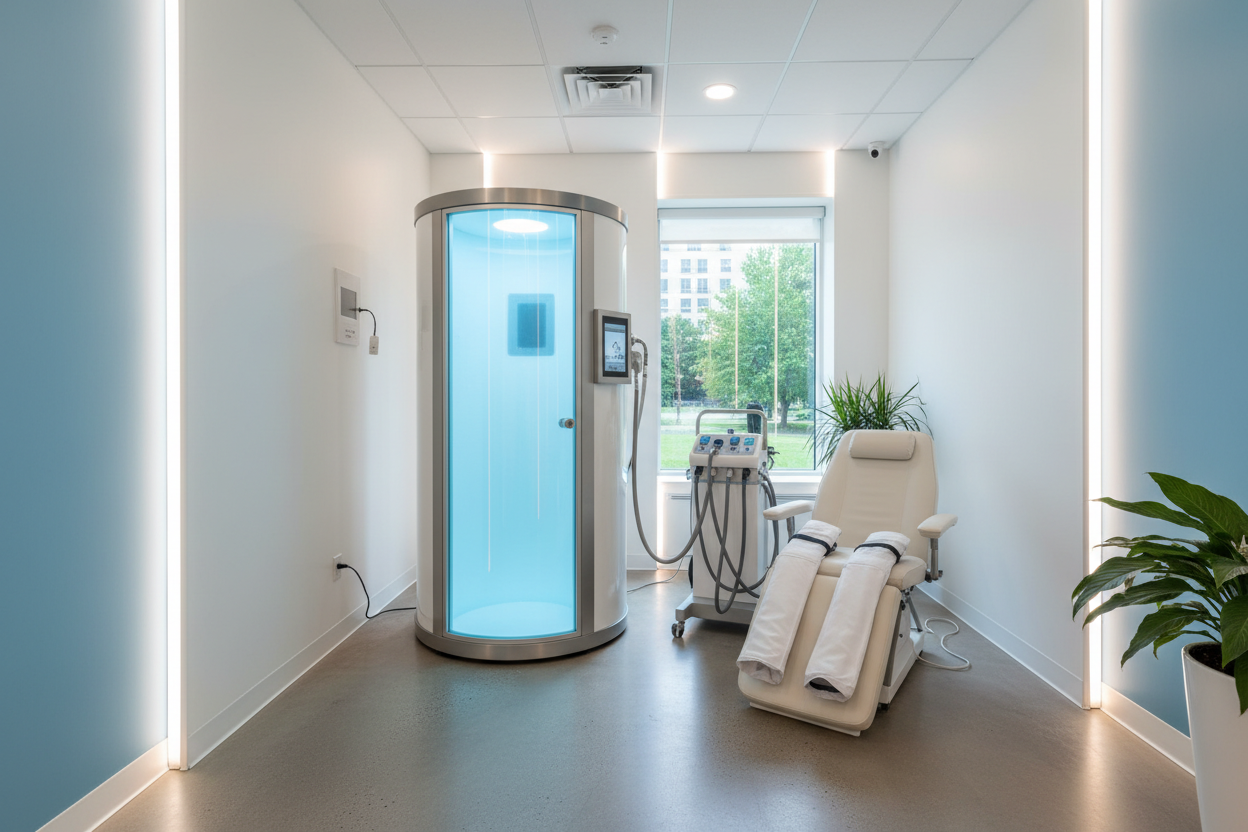
Cryotherapy Frequency Guide
Read Guide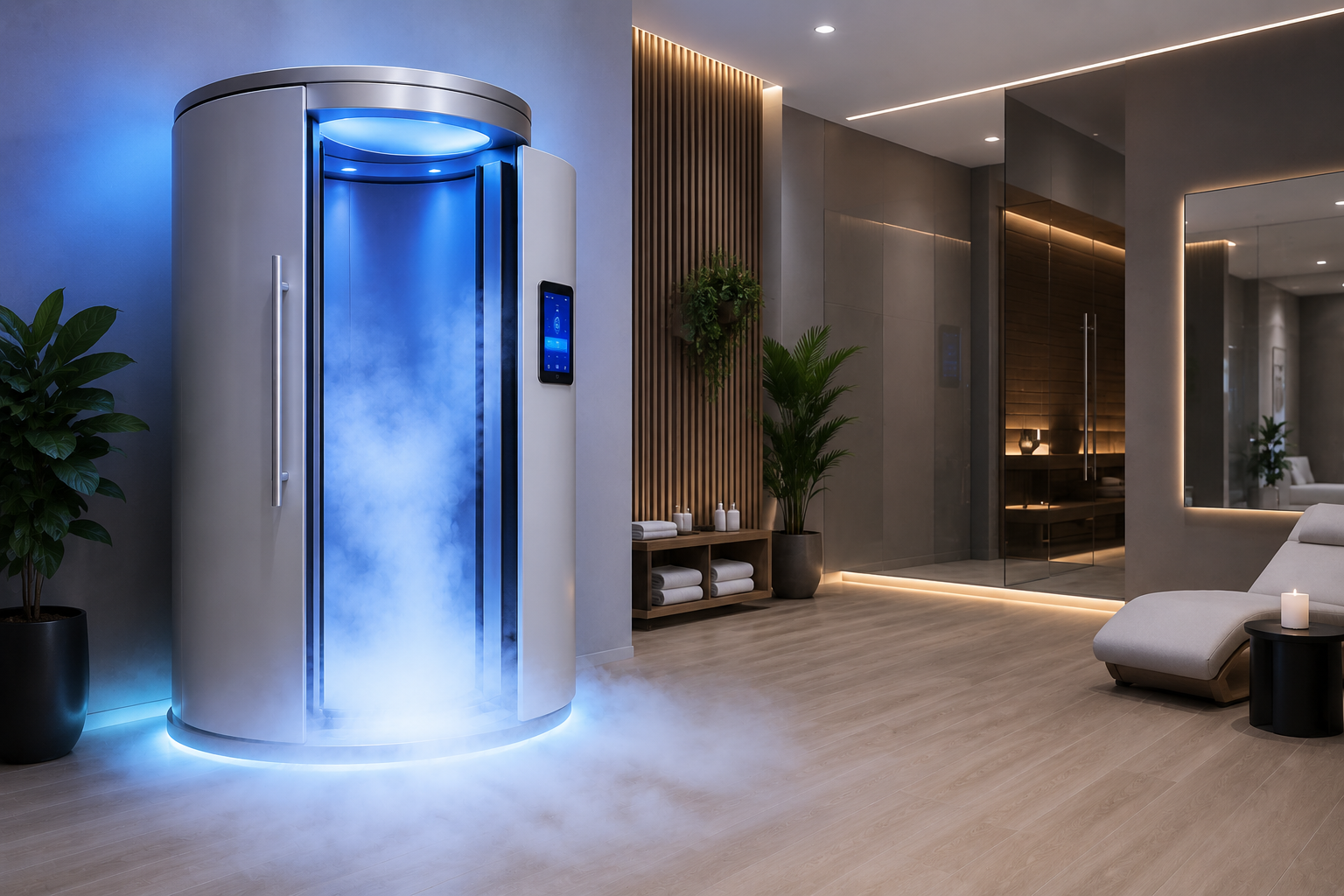
Understanding Cryotherapy: Uses & Considerations
Read Guide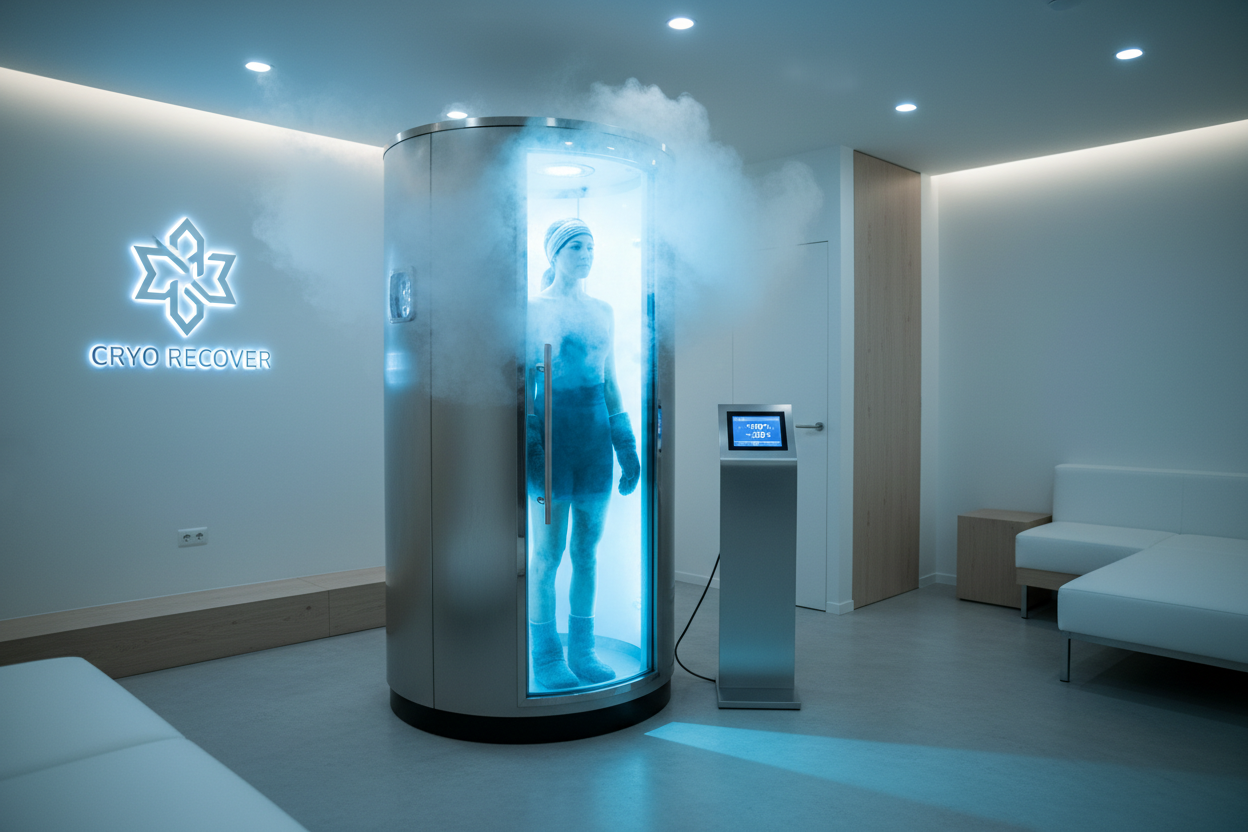
Explore Cold Therapy Guides
Read GuideCompare Cryotherapy Systems
The two most common cryotherapy formats are walk-in cryotherapy chambers and hand-held (localized) cryotherapy devices. While both use cold-based technology, they differ in application, space requirements, and ideal use cases.
Nitrogen-Based vs. Electric Refrigerated Systems
Cryogenic cooling hardware utilizes two primary methods for atmospheric temperature management. Review the technical differences below to determine which cooling technology aligns with your facility's operational requirements and utility infrastructure.
| Feature | Nitrogen-Based Systems | Electric Refrigerated Chambers |
|---|---|---|
| Cooling Methodology | Liquid Nitrogen (LN2) evaporation and injection | Multi-compressor mechanical refrigeration cycle |
| Max Operational Temp | Adjustable down to -140°C and below | Stable atmospheric range down to -110°C |
| Facility Infrastructure | Specialized ventilation & external storage tanks | Dedicated high-voltage electrical circuits |
| Startup Lead Time | Rapid deployment; near-instant cooling | Requires 30–45 minute pre-cool period |
| Atmospheric Control | Variable dry nitrogen-enriched air | Oxygen-consistent breathable air environment |
| Best Suited For | Localized applications or rapid-chill hubs | High-traffic commercial athletic facilities |
| Walk-In Cryotherapy | Hand-Held Cryotherapy | |
|---|---|---|
| Treatment Area | Full-body exposure | Targeted / localized areas |
| Typical Use | Higher-throughput wellness and recovery environments | Personalized or focused applications |
| Session Style | Short, enclosed sessions | Open, guided application |
| Space Required | Dedicated room or enclosure | Minimal footprint |
| Best For | Gyms, med spas, clinics, performance centers | Clinics, aesthetics, mobile providers, home wellness |
| Investment Level | Higher upfront investment | Lower upfront investment |
Three-Stage Atmospheric Management Process
Modern cryogenic chambers utilize a sophisticated three-stage cycle to manage air quality, moisture levels, and temperature precision. Understanding this mechanical workflow is essential for proper facility operation and safety.
Stage 1: Pre-Cooling & Dehumidification
The system initiates an initial atmospheric moisture reduction cycle to prevent ice crystallization on hardware components and ensure a dry-air environment.
Stage 2: Thermal Maintenance
Utilizing a digital set-point stabilization protocol, the system engages integrated sensors to maintain a consistent sub-zero temperature throughout the session.
Stage 3: Post-Session Exhaust
An automated system clearing cycle triggers post-session to exhaust nitrogen-enriched air (in LN2 systems) or recirculate fresh air for facility safety and environmental reset.
Common Cryogenic Questions
No. Systems are engineered for specific facility applications. Whole-body walk-in chambers are designed for high-throughput atmospheric conditioning, while localized hand-held systems are preferred for targeted site-cooling and mobile versatility.
Yes. Many performance and recovery facilities utilize both walk-in chambers and localized cooling units to manage different session requirements and facility space constraints.
No. These units are advanced thermal conditioning technologies. They are not medical devices and are not intended to diagnose, treat, cure, or prevent any medical condition.
.
Which Cryogenic Cooling System Aligns With Your Facility?
Both cryogenic cooling formats serve specific operational environments.