

Pressure-Managed Chamber Technical Guide & Hyperbaric Buyer's Guide
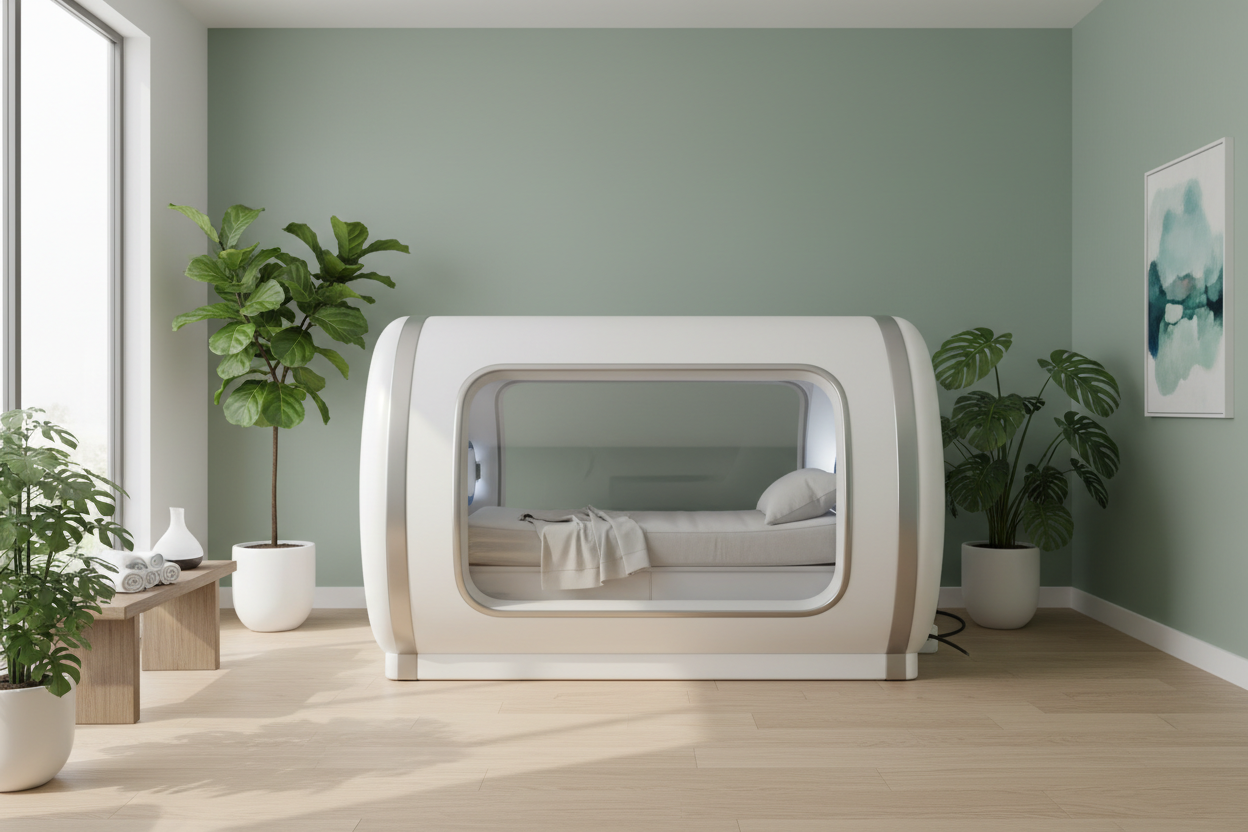
Pressure-Managed Chamber Technical Guide
Navigating the world of high-pressure environments requires a deep dive into structural engineering and air management. This Hyperbaric Chamber Buyer’s Guide provides a technical comparison between portable soft-shell TPU chambers and professional-grade hard-shell stainless steel units. We break down the essential specifications—including ATA (Atmospheric Absolute) levels, precision PSI controls, and internal safety systems—to help you select the right pressure-managed basin for your home or performance facility.
How to Choose the Right System
Hyperbaric Chamber Buyer’s Guide
Compare hyperbaric chamber types, pressure levels, features, and safety considerations to find the right solution for your wellness and recovery goals.

How it works
Read Guide
Hyperbaric Chamber Buyer’s Guide (2026)
Read Guide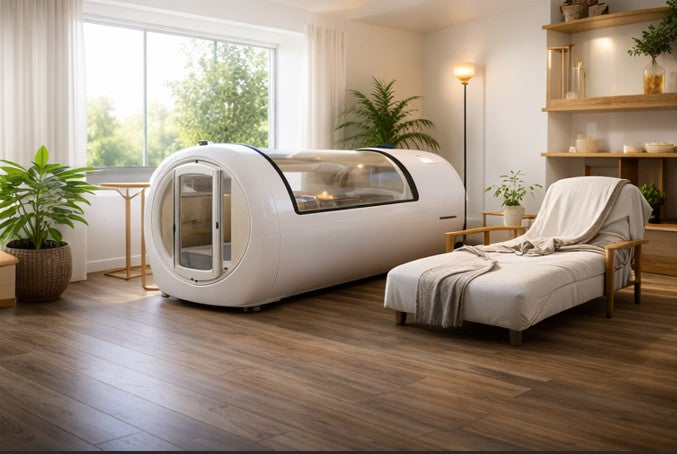
What it is Used for
Read Guide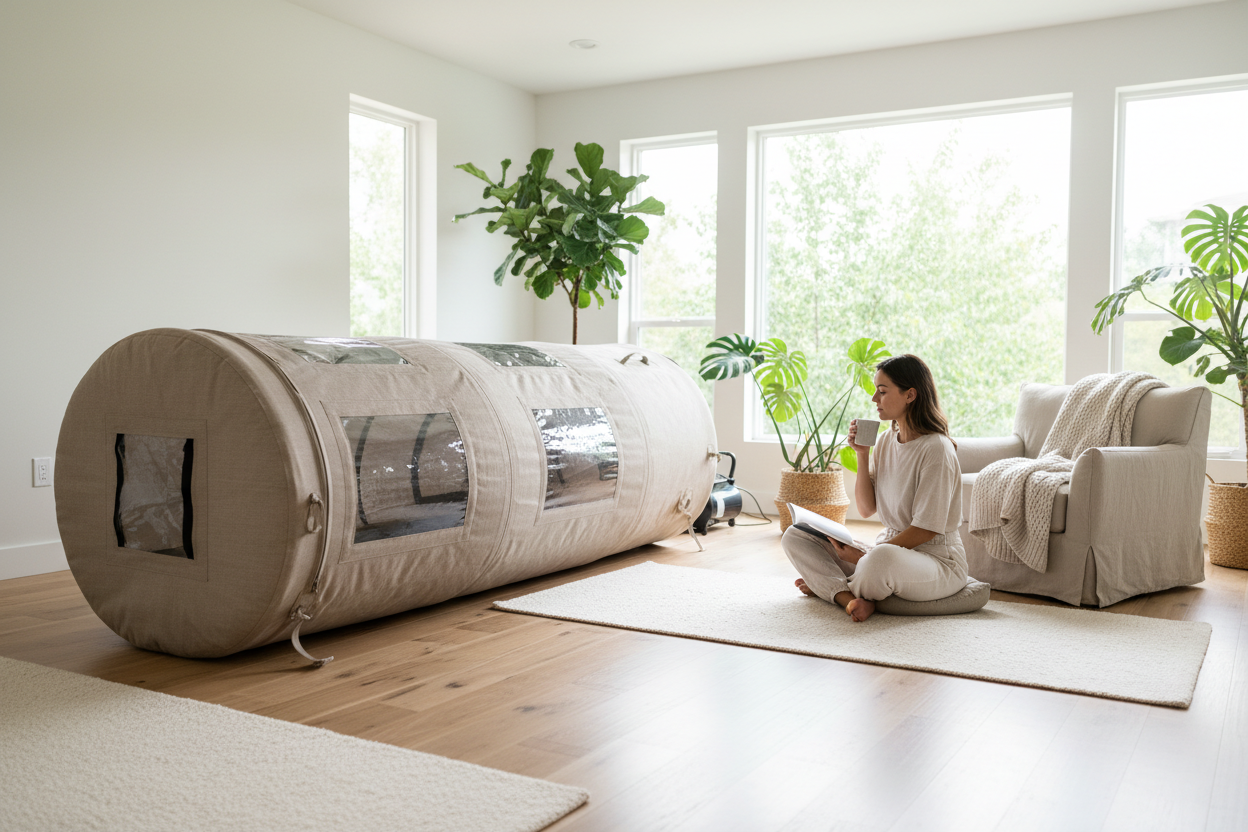
Explore Guides
View All GuidesApplications for Pressure-Managed Basins
ATHLETIC & ENVIRONMENTAL CONDITIONING
These units are commonly integrated into professional environments prioritizing precision atmospheric management and high-pressure conditioning protocols.
RESIDENTIAL PERFORMANCE ENHANCEMENT
Routine configurations designed for atmospheric precision and environmental control within dedicated private residential settings.
FACILITY & RESIDENTIAL CONFIGURATIONS
Engineered for both commercial-grade facilities and dedicated home environments, depending on space availability and structural load capacity.
TYPES OF PRESSURE-MANAGED CHAMBERS
WHICH CHAMBER CONFIGURATION IS RIGHT FOR ME?
Pressure-managed chambers are generally available in two primary formats, each engineered for specific operational environments, durability requirements, and facility layouts.
PORTABLE SOFT-SHELL UNITS
Portable soft-shell chambers utilize flexible TPU materials and are commonly integrated into private residential setups. These systems are typically engineered for simplified assembly and are chosen for their mobile versatility and space-efficient design.
STAINLESS HARD-SHELL UNITS
Hard-shell chambers are rigid, high-performance enclosures frequently installed in professional athletic training facilities and commercial-grade centers. These units are designed for maximum structural durability and consistent high-pressure atmospheric management.
Technical Comparison: Soft-Shell vs. Hard-Shell Units
Pressure-managed chambers are engineered with different structural priorities. Review the technical specifications below to understand the mechanical differences between portable flexible units and stationary rigid systems.
| Technical Specification | Portable Soft-Shell Units | Stationary Hard-Shell Units |
|---|---|---|
| Chassis Construction | Flexible medical-grade TPU or reinforced nylon | Rigid medical-grade stainless steel or acrylic |
| Pressure Capacity | Variable range typically 1.3–1.5 ATA | Stable range up to 2.0 ATA and above |
| Sealing Mechanism | Pressure-rated high-tensile dual zippers | Gasket-sealed mechanical hatch with manual locks |
| Facility Requirements | Standard 110V/120V; minimal structural footprint | Dedicated 220V/240V; high floor-load capacity |
| Portability Rating | High; collapsible for transit and simplified storage | Stationary; permanent installation recommended |
| Service Lifespan | Engineered for 10-15 years of moderate use | Engineered for 20+ years of high-frequency use |

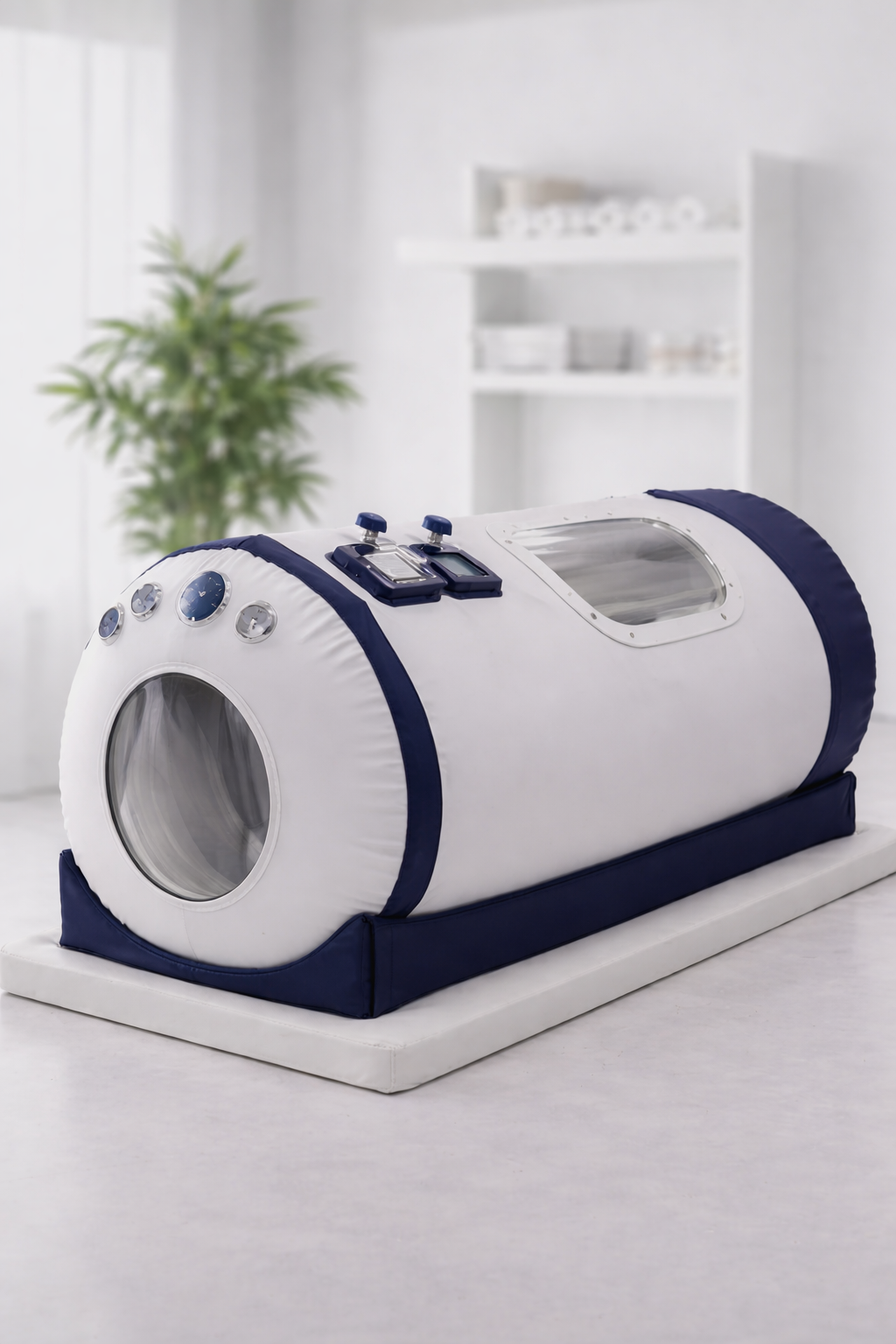
HARD-SHELL CHAMBERS MAY BE A GOOD FIT IF YOU:
- • Operate a professional performance or athletic conditioning facility
- • Require a fixed, permanent atmospheric installation
- • Manage high-frequency or multi-user daily sessions
- • Prioritize high-pressure structural durability and stability
SOFT-SHELL CHAMBERS MAY BE A GOOD FIT IF YOU:
- • Plan to install the chamber in a private residential setting
- • Prefer a mobile, flexible, or portable pressure-managed system
- • Are new to atmospheric pressure-conditioning environments
- • Require a compact unit for low-volume personal use
Technical & Facility FAQ
ATA (Atmospheres Absolute) refers to the total pressure within the chamber, including the standard atmospheric pressure at sea level. PSI (Pounds per Square Inch) measures the pressure exerted by the compressed air specifically. Most portable units operate at 1.3–1.5 ATA, while stationary hard-shell units can maintain 2.0 ATA or higher.
No. These systems are sold as professional-grade atmospheric conditioning equipment and environmental control chambers. They are not intended to diagnose, treat, cure, or prevent any medical condition and should be used according to facility safety protocols.
Stationary hard-shell chambers typically require a dedicated 220V/240V electrical circuit to support high-performance compressors and internal cooling systems. Portable soft-shell units are generally compatible with standard 110V/120V residential outlets.
Yes, provided the structural load capacity of the flooring can support the unit’s weight. Portable units are space-efficient and collapsible, while hard-shell units often exceed 1,000 lbs and require permanent placement in a ground-floor or reinforced environment.