

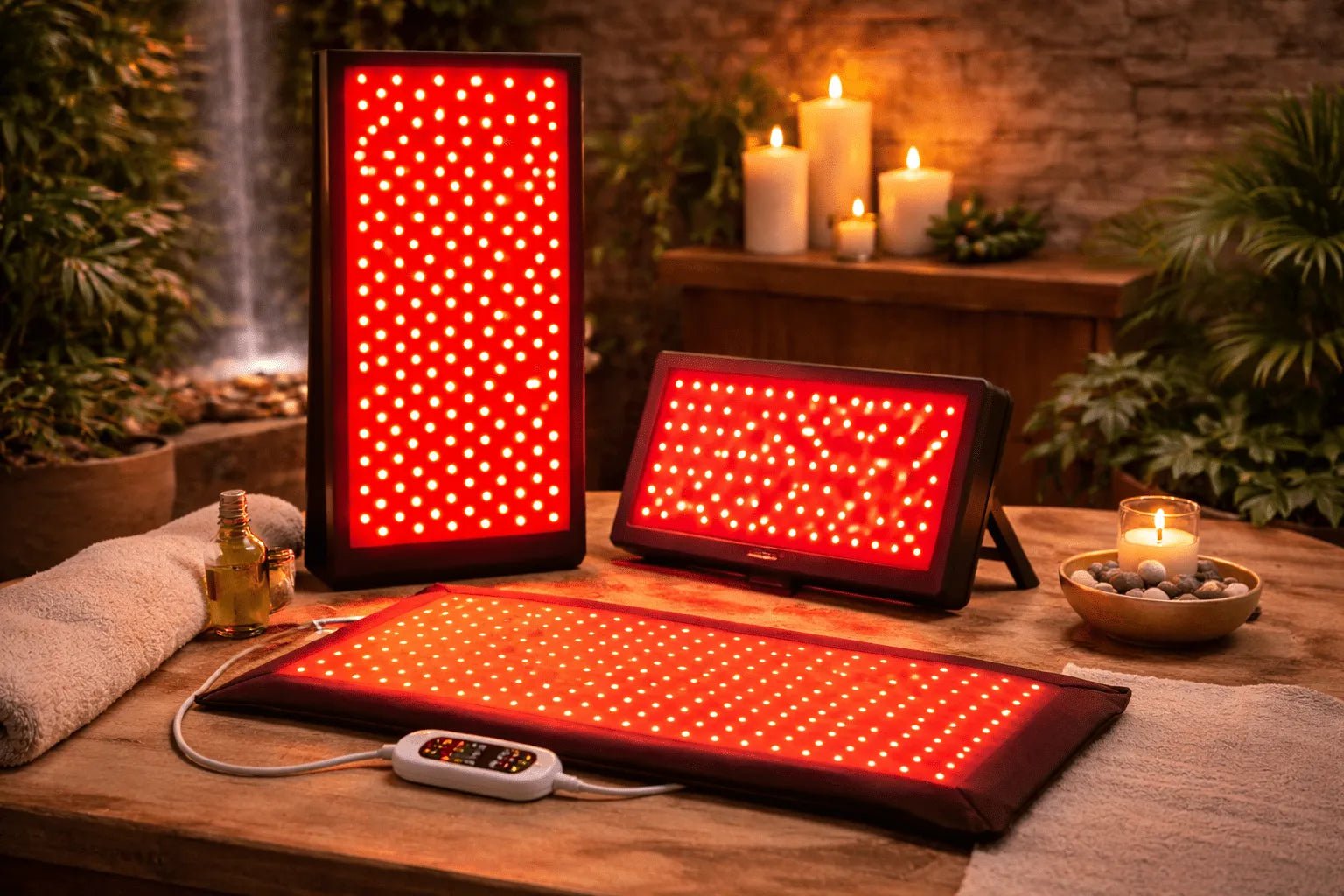
Red Light Panels
Wellari supplies red and near-infrared LED panels for home use, studios and clinics — together with the stands that hold them and a small number of face and neck devices. This range covers all three, so check what a listing is before you compare prices across it.
For the panels themselves, the decision that drives everything else is how much of the body a session needs to cover at once. That sets the panel size, the output, the mounting you need and the price band.
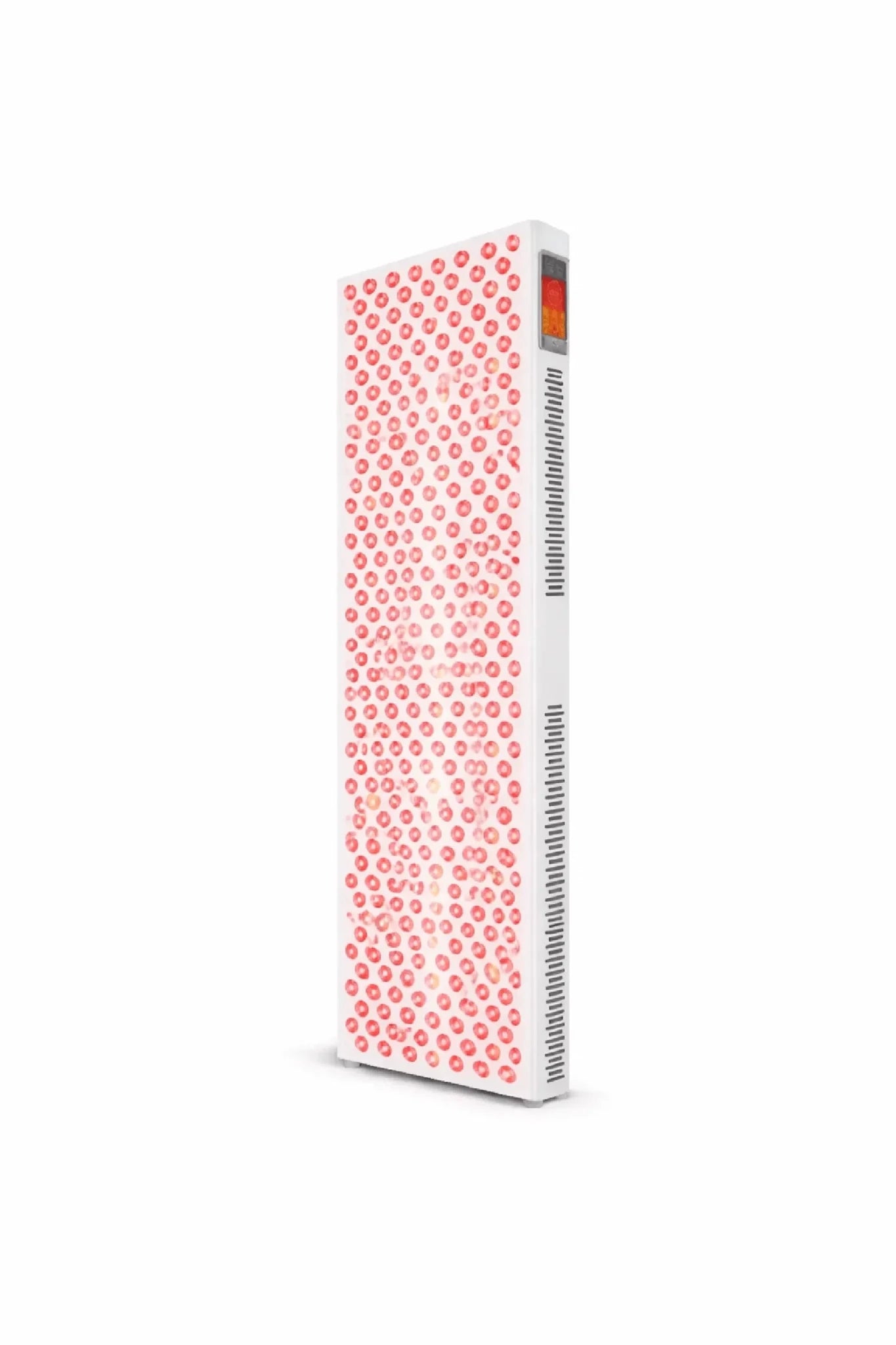
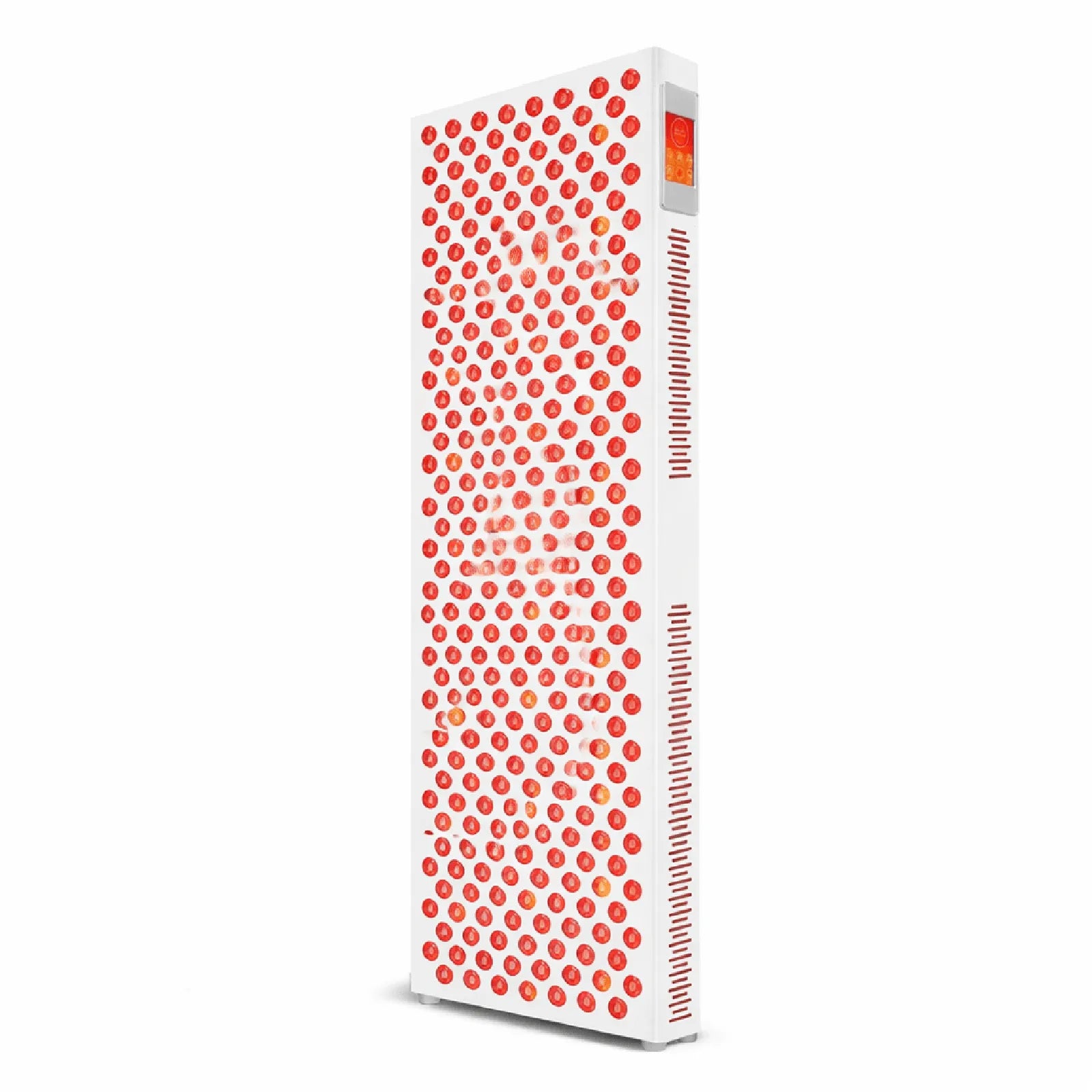
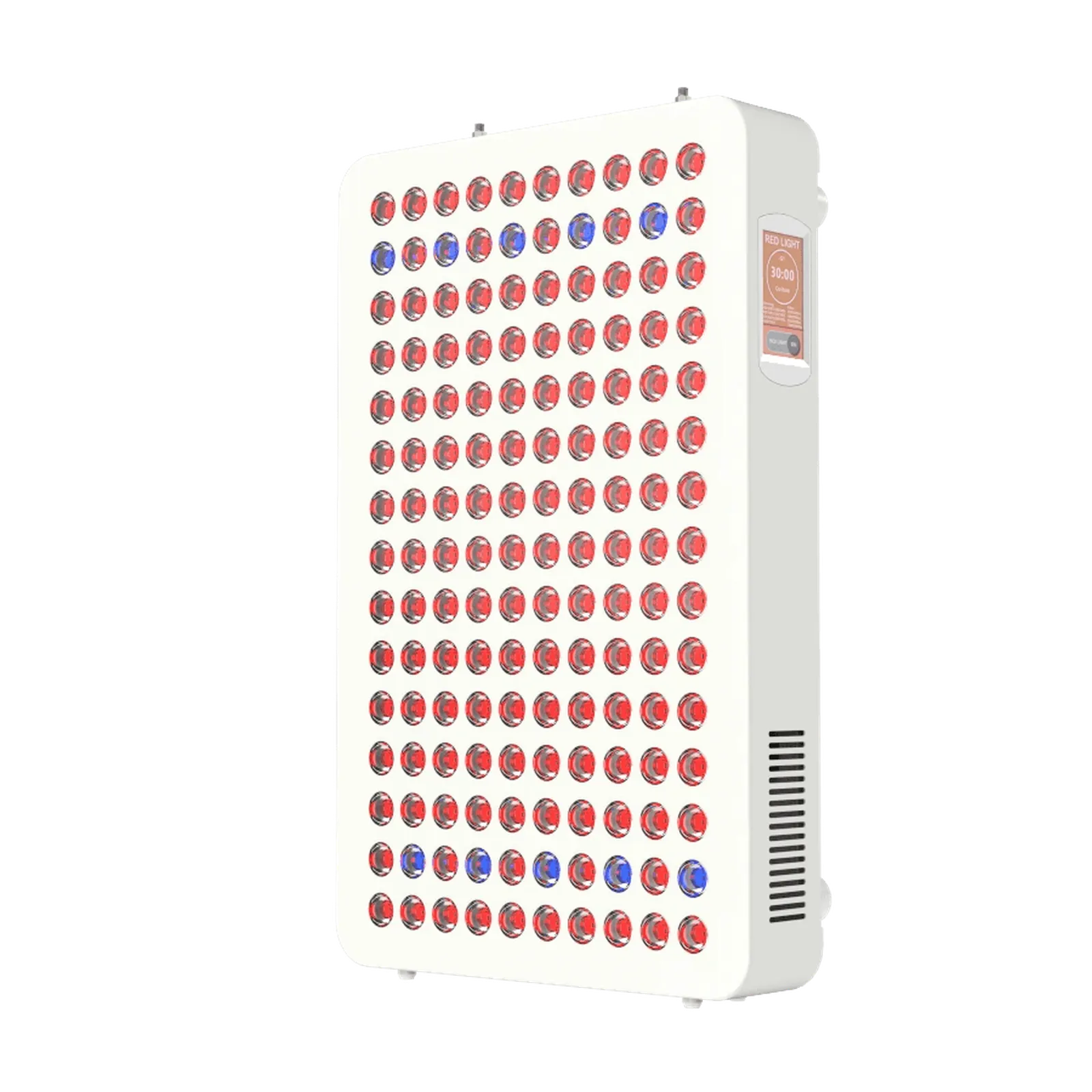
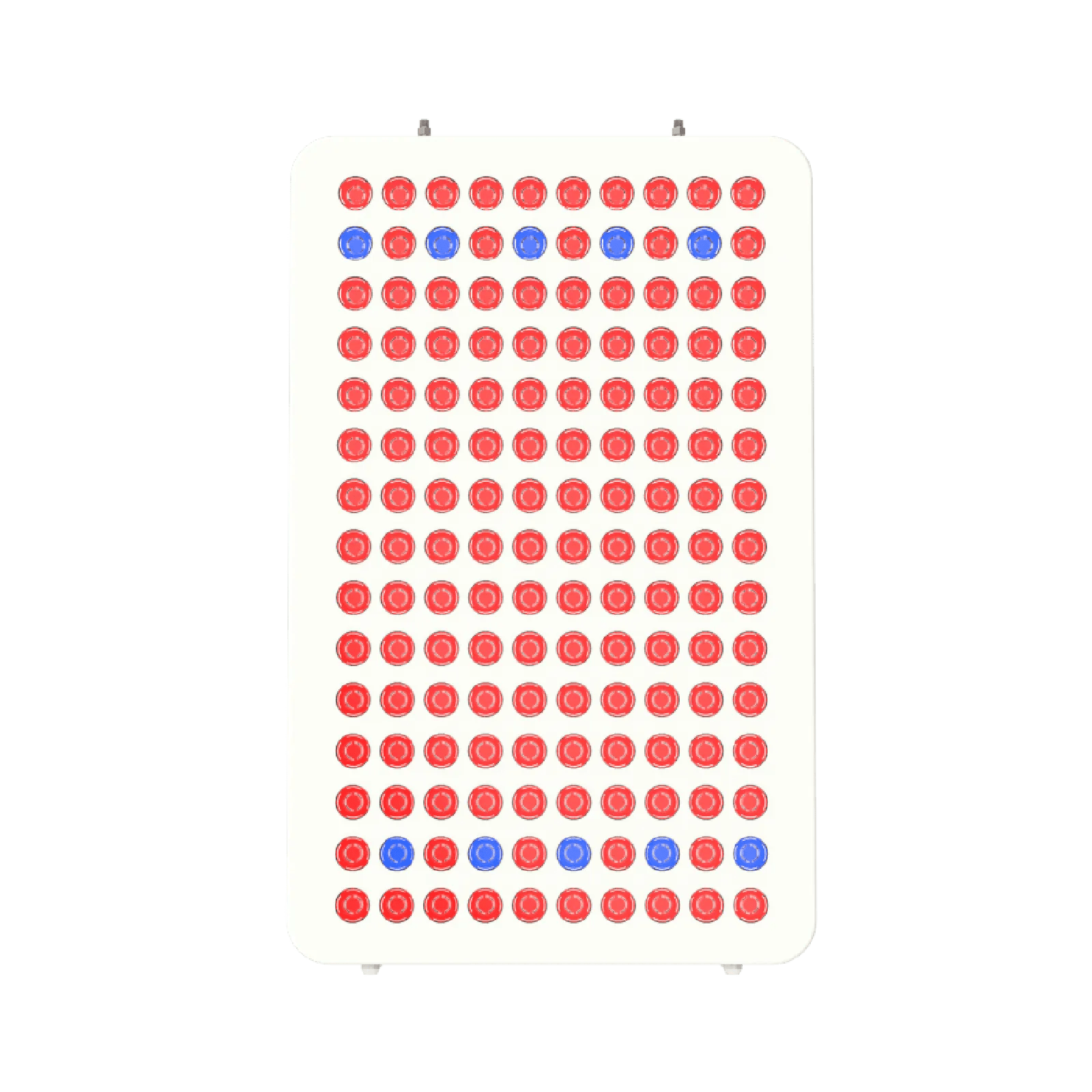
- RDPro300-FS7 — 7-Wavelength Smart Red Light Therapy Panel
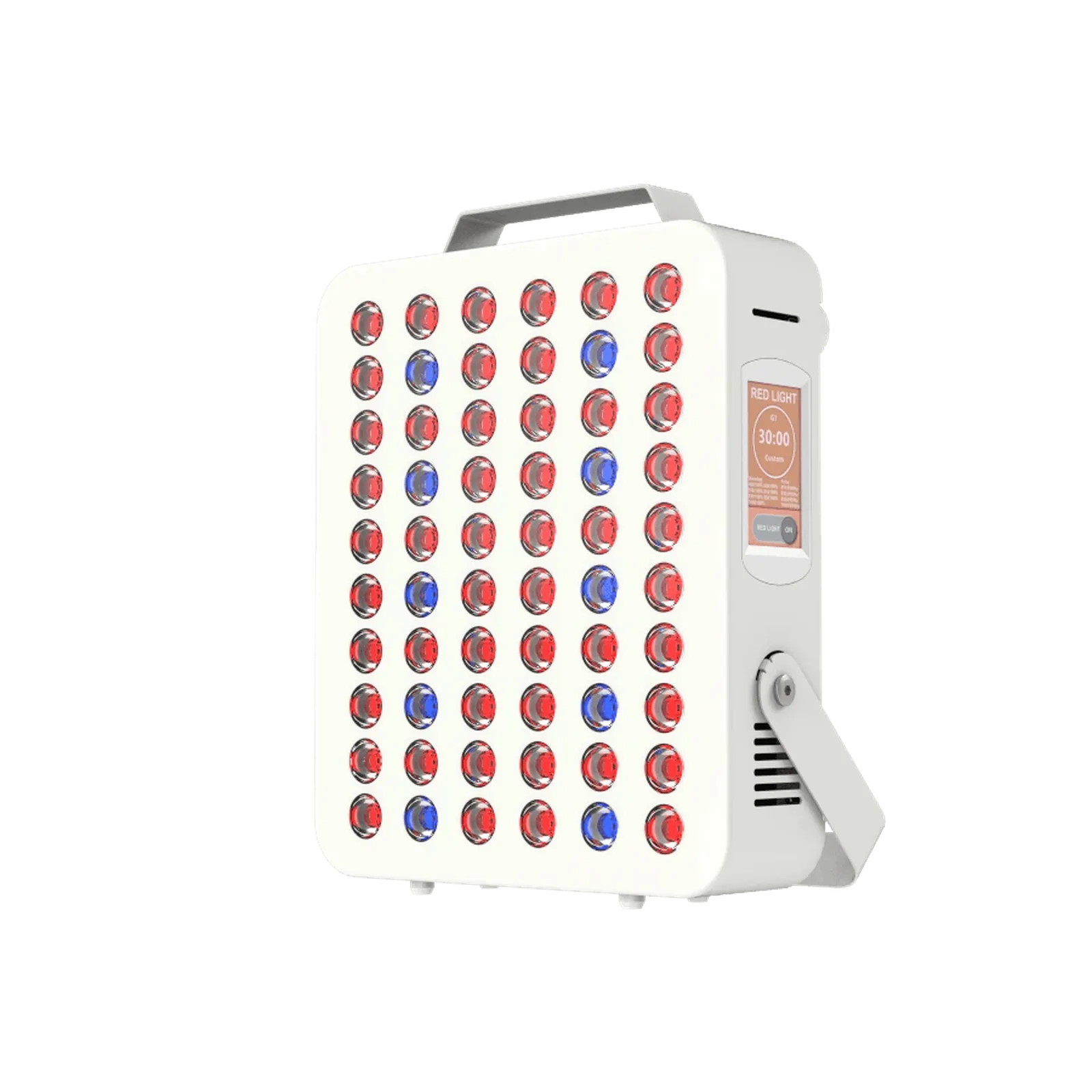
Targeted and half-body panels
- Smaller panels aimed at one area, or the upper or lower body in a session
- Lower output and a lower price band
- Commonly wall-mounted, door-hung or used on a stand
- The usual starting point for home use
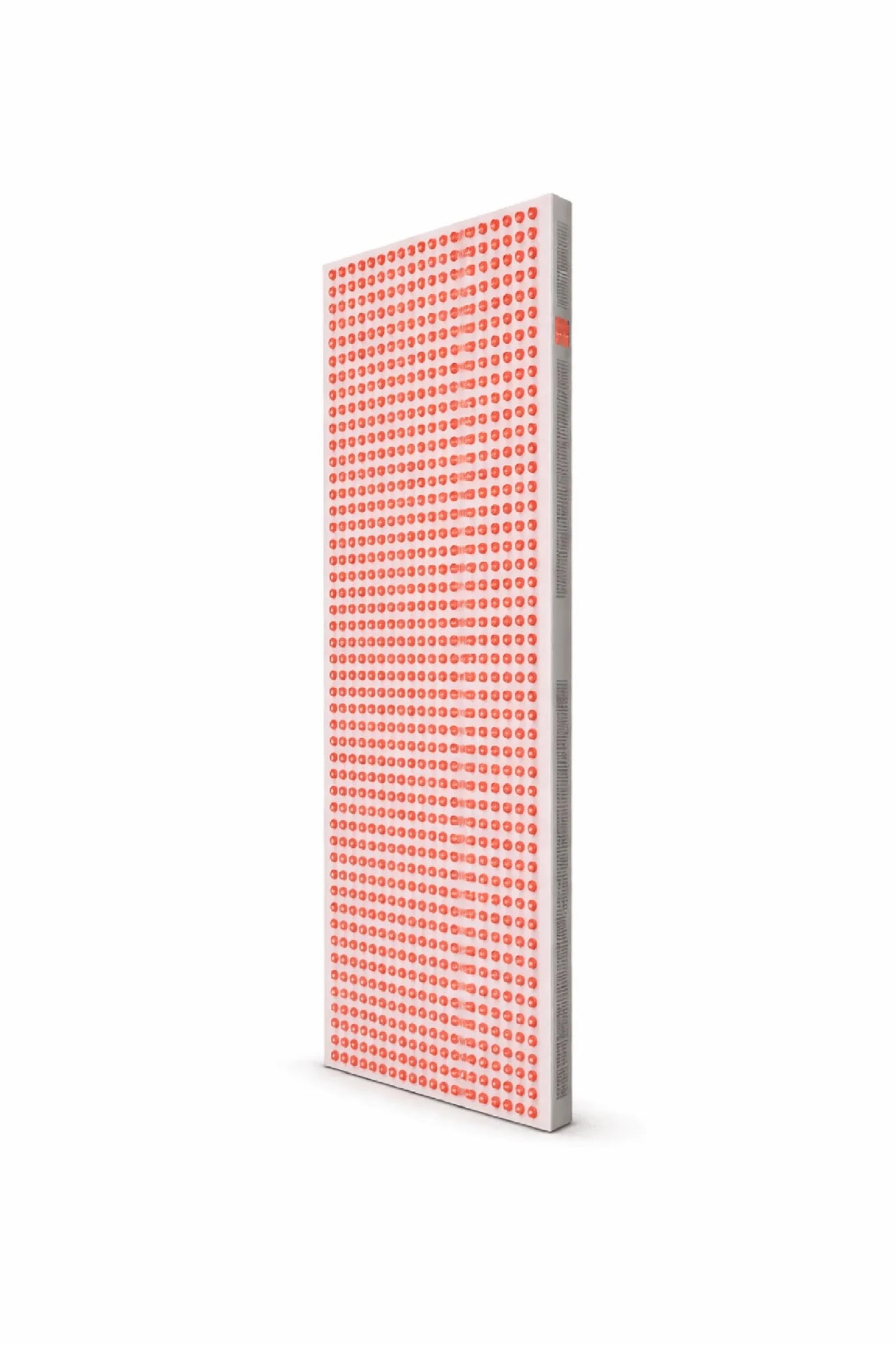
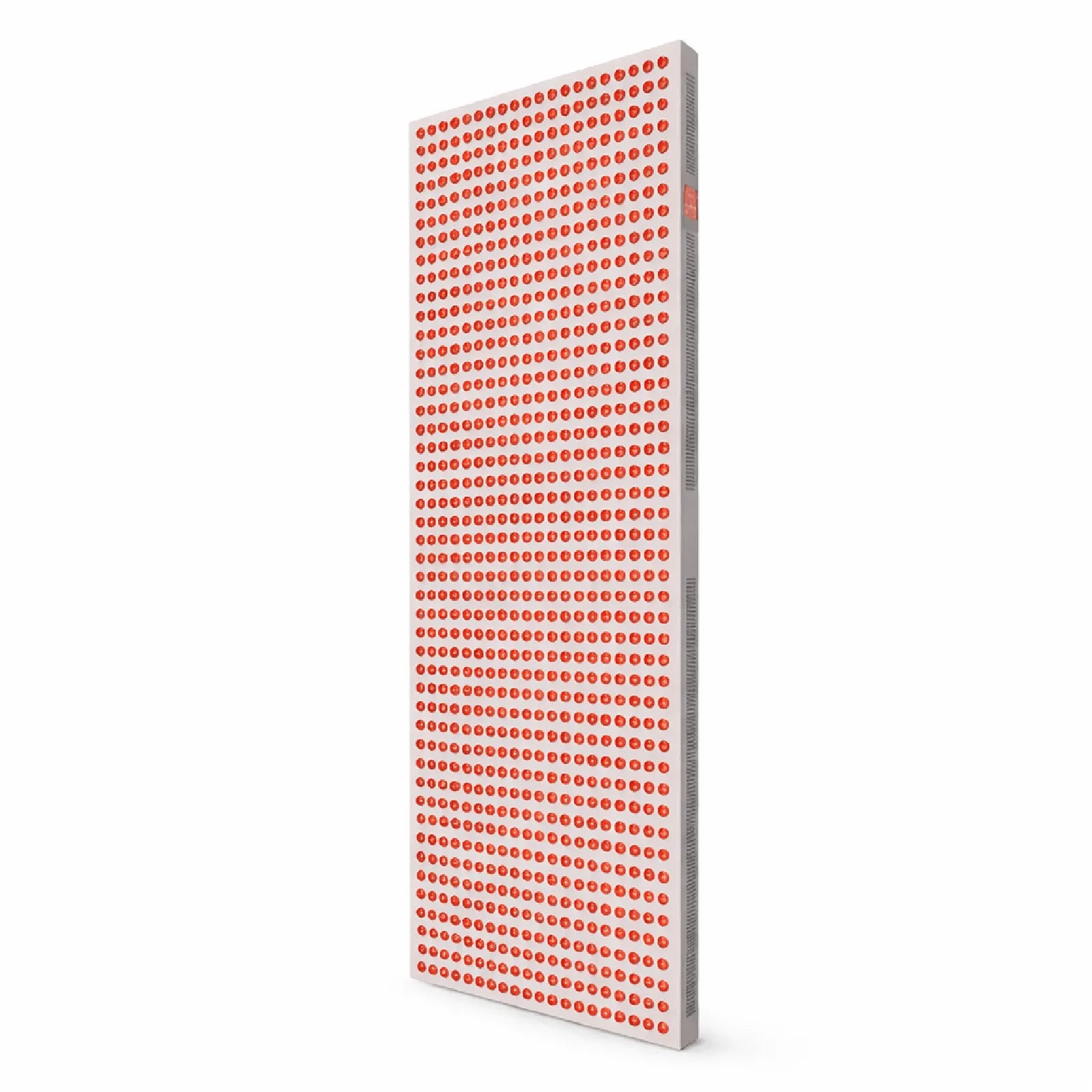
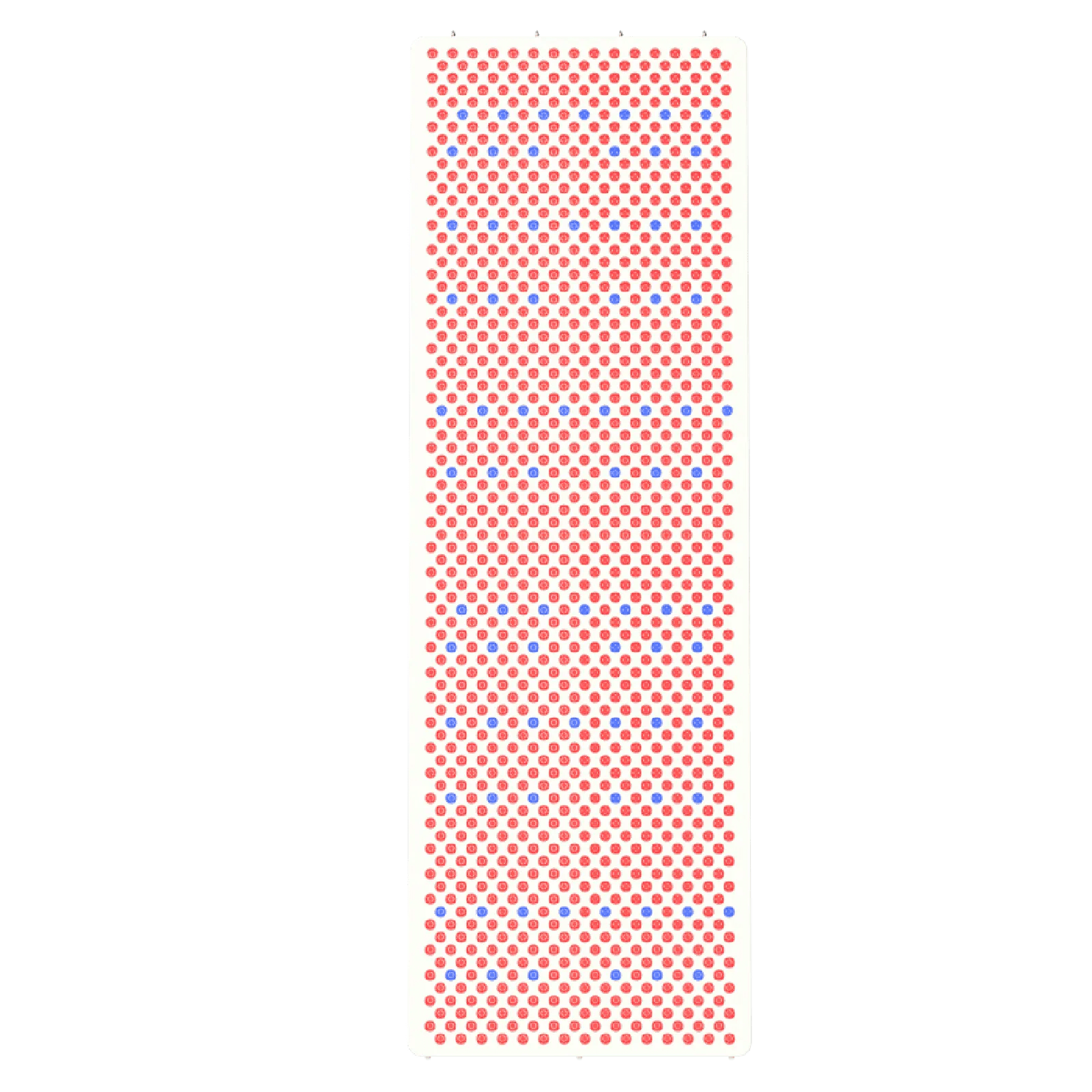
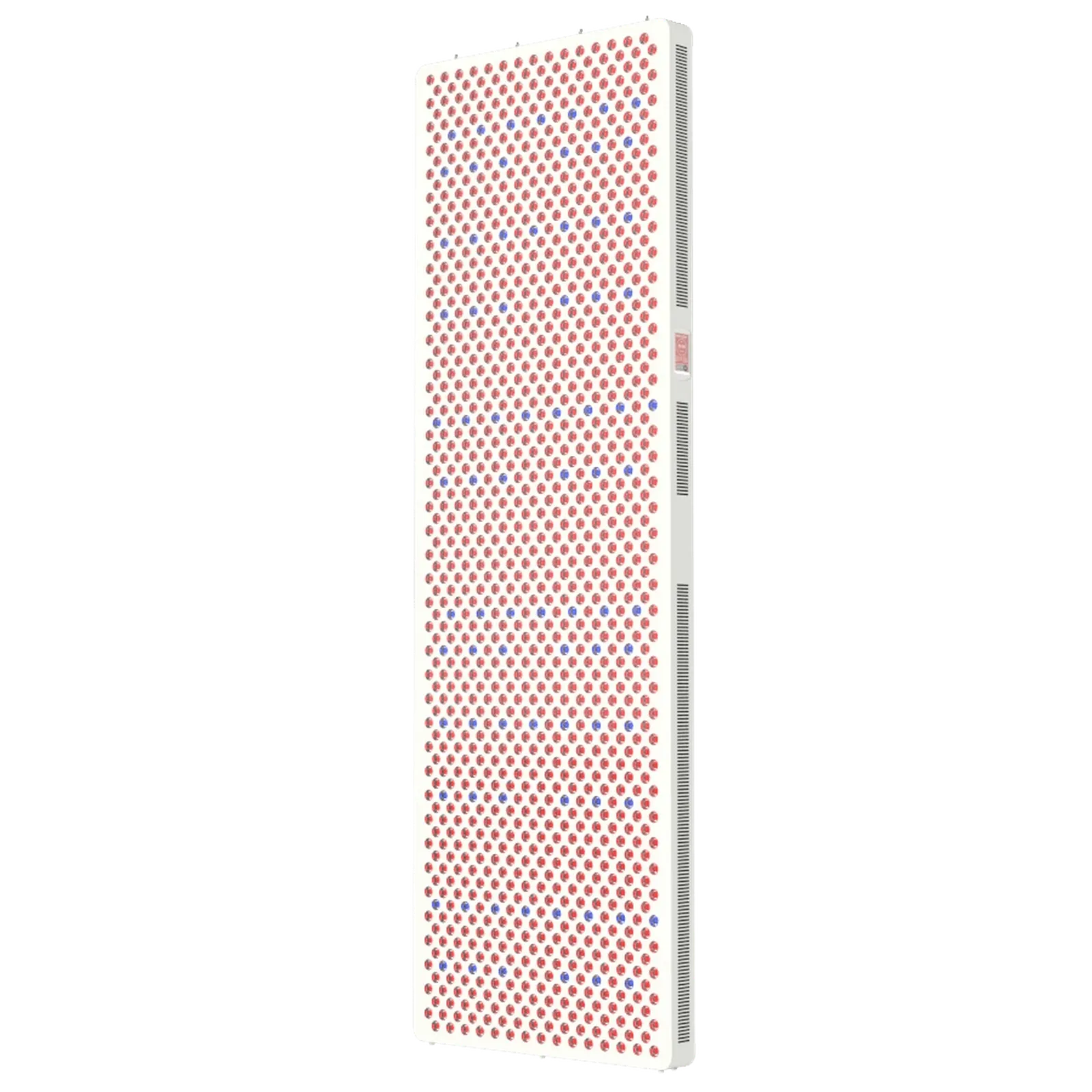
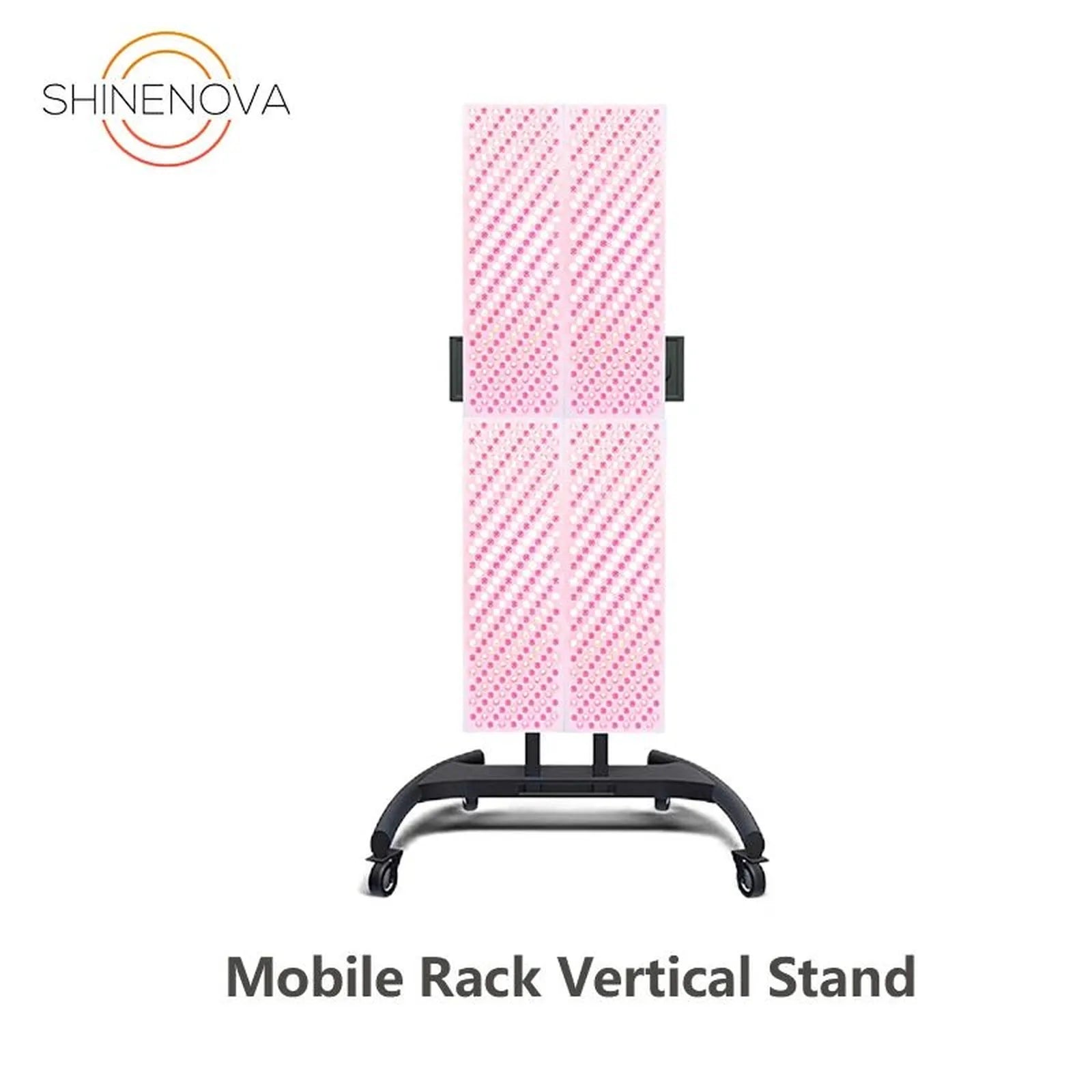
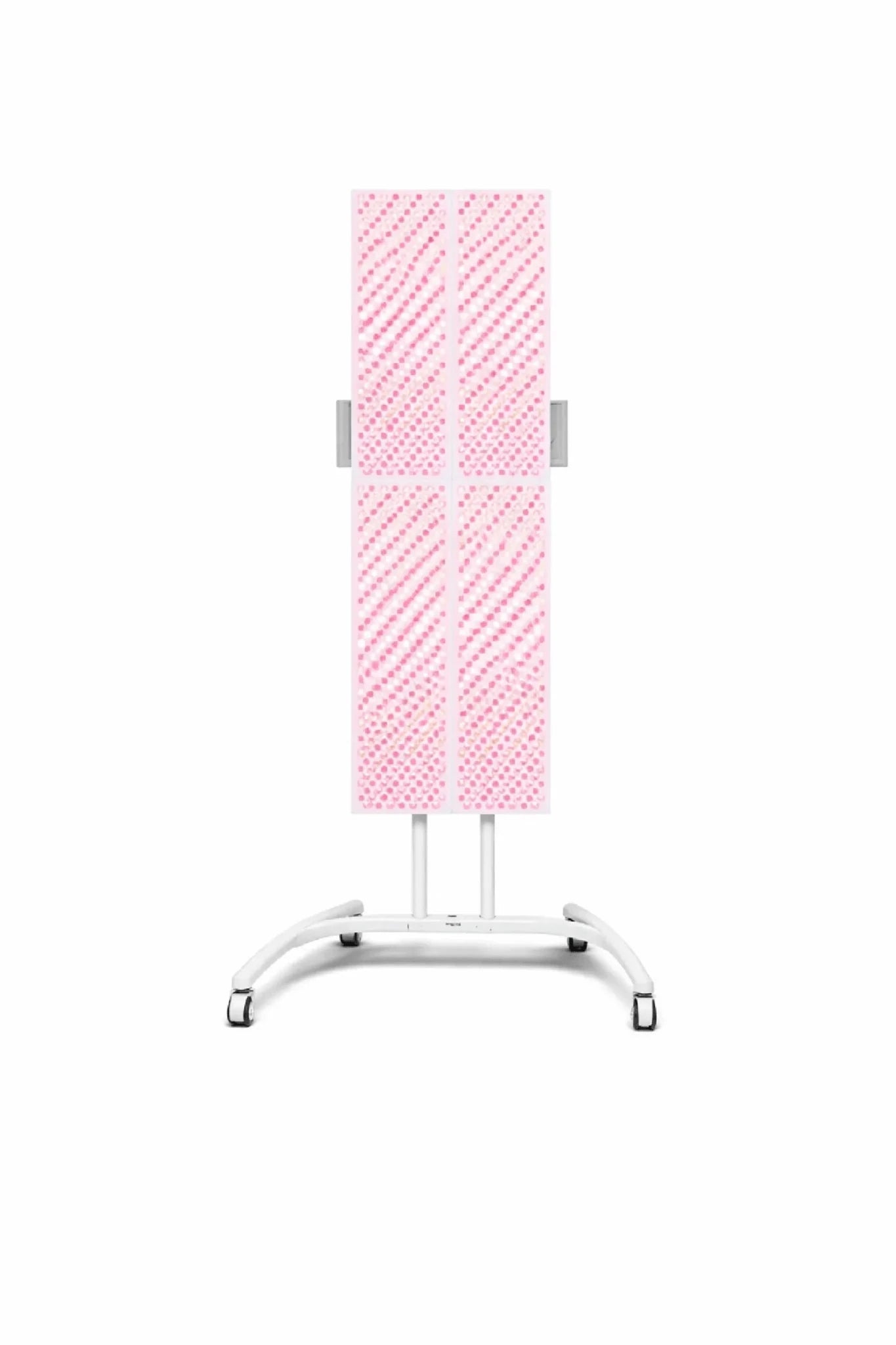
- RDPro6000-FS7 Full-Body Red Light Therapy Panel
Full-body panels
- Larger arrays sized to cover most of the body from one position
- Higher output, a larger footprint and a higher price band
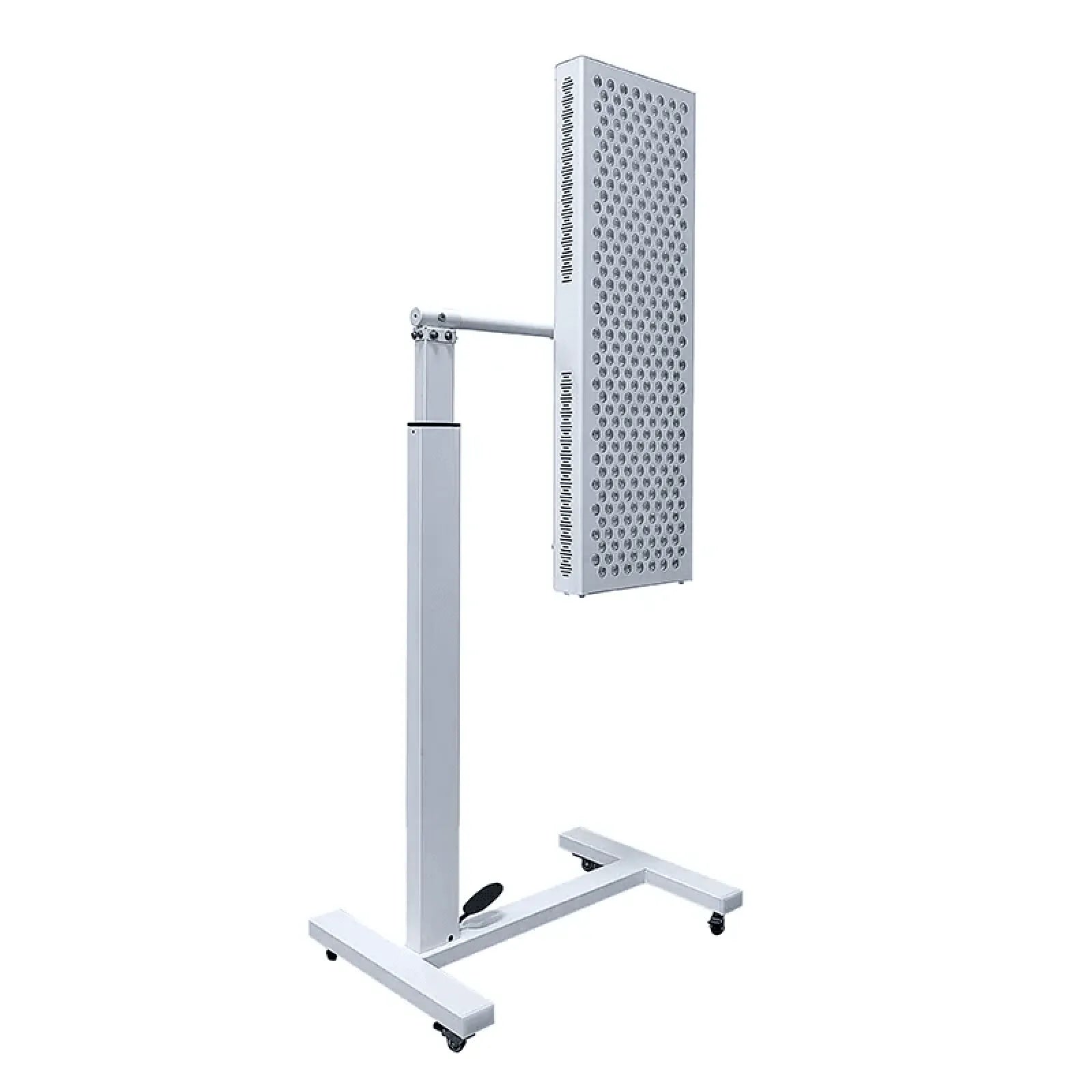
- Usually need a floor stand or a fixed wall mount — check what is included
- The usual choice for studio and clinic use


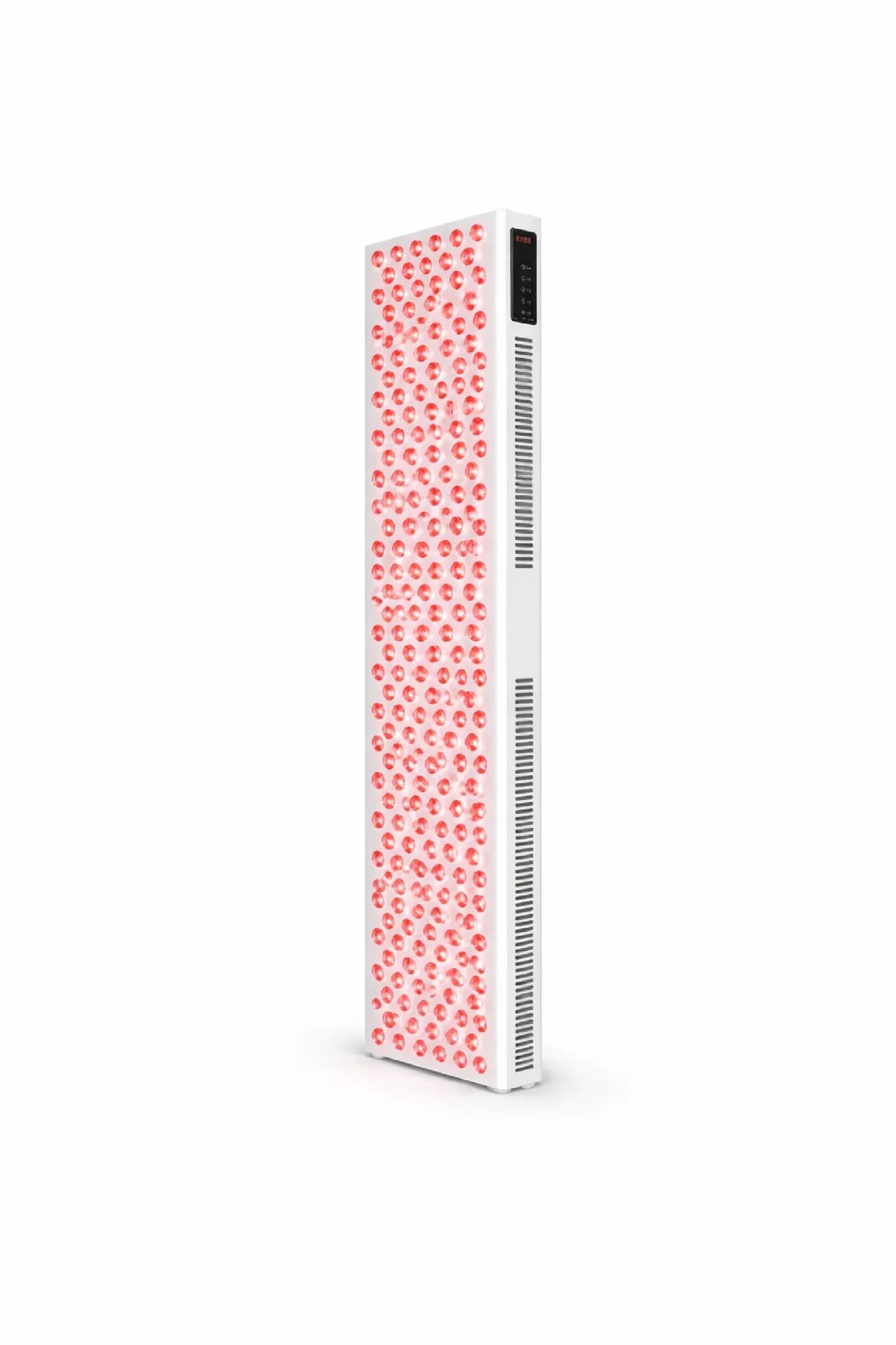
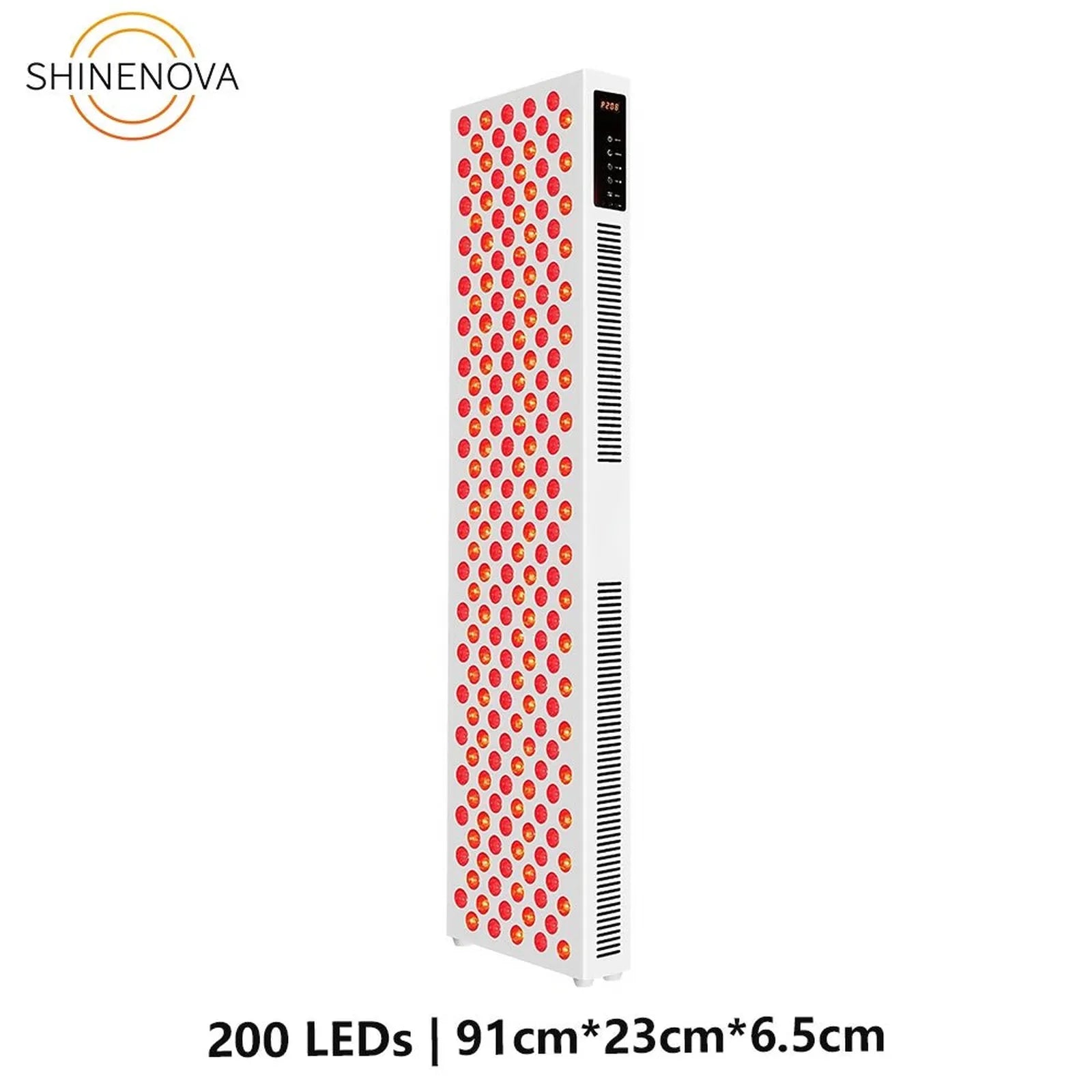
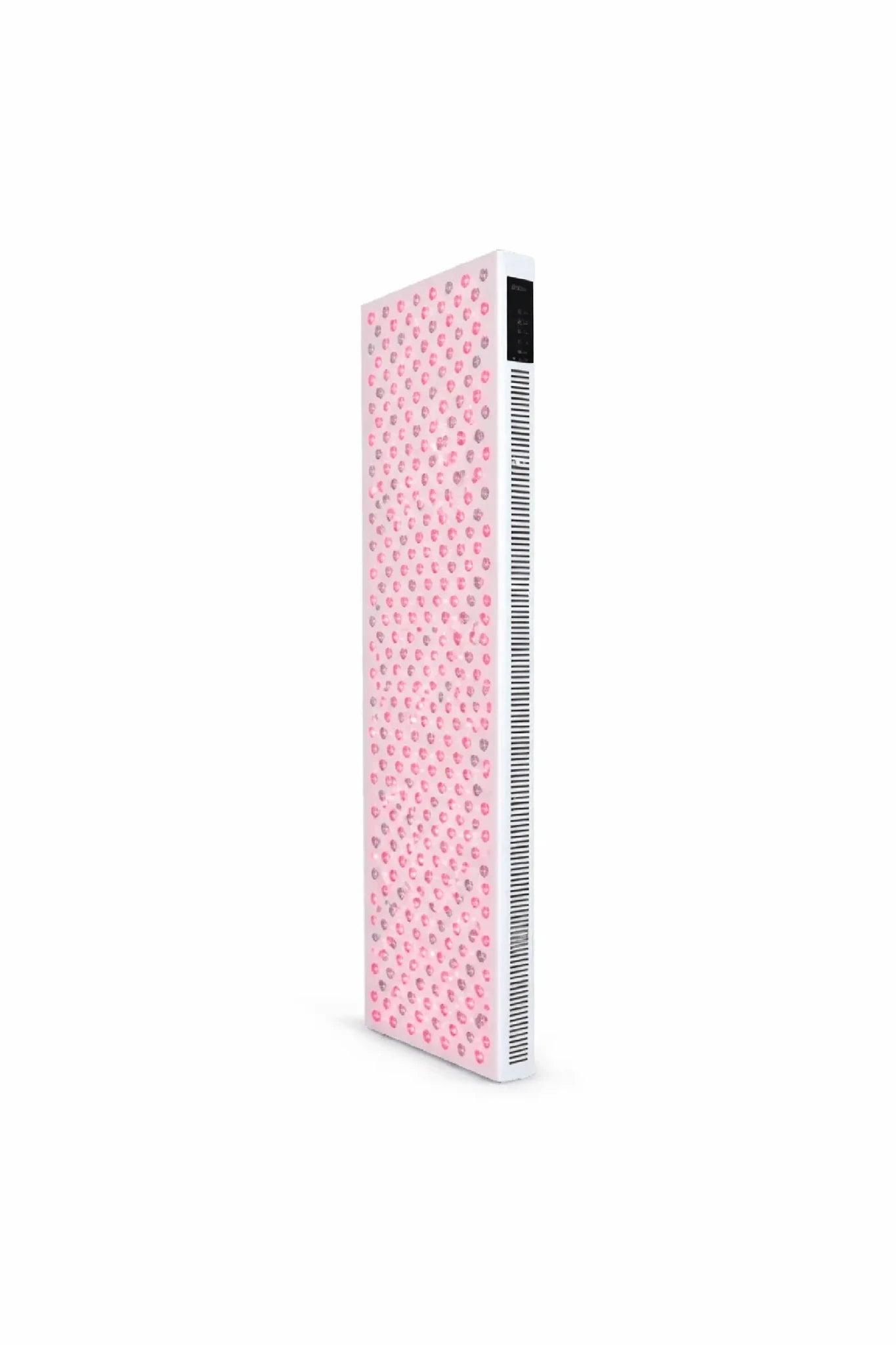

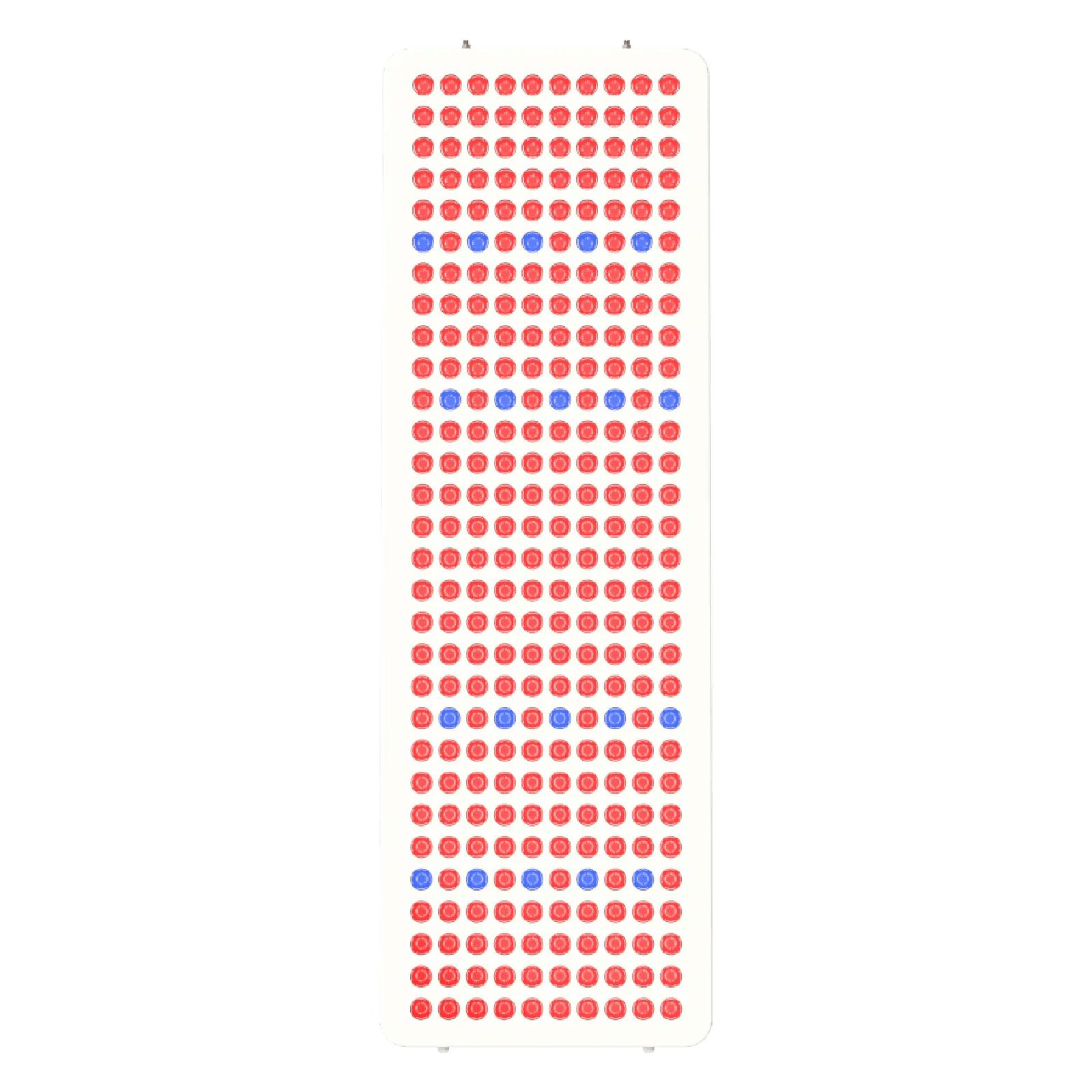
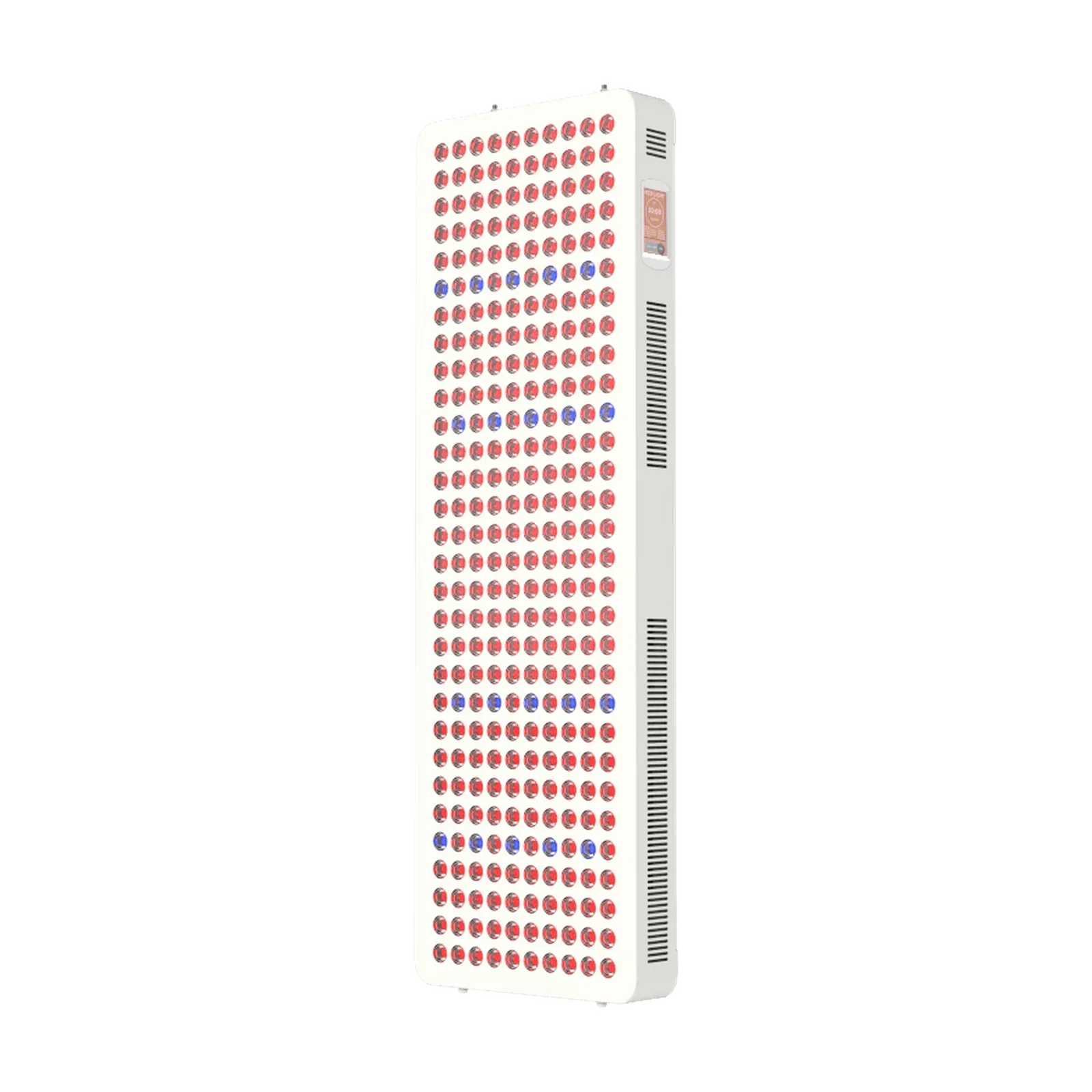
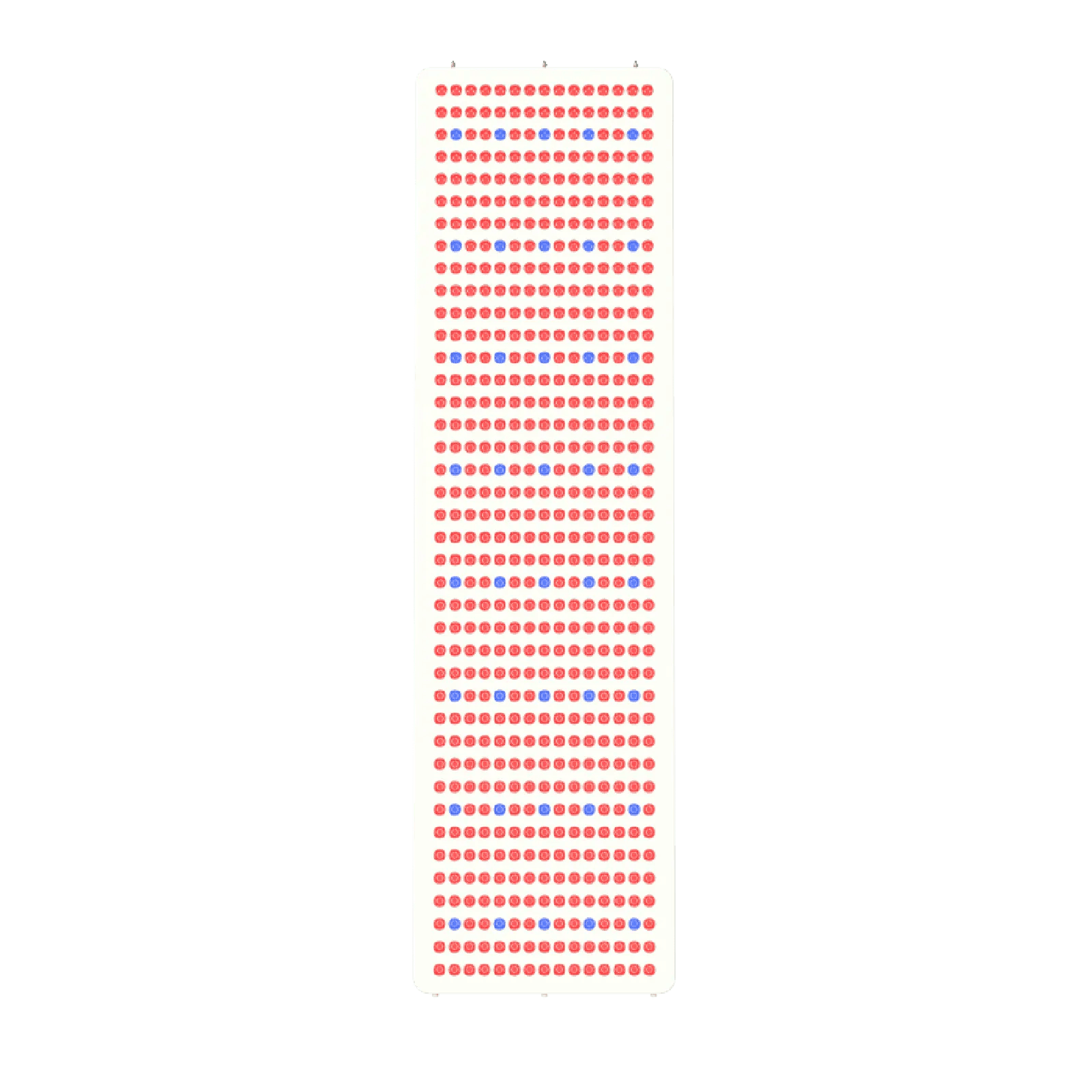
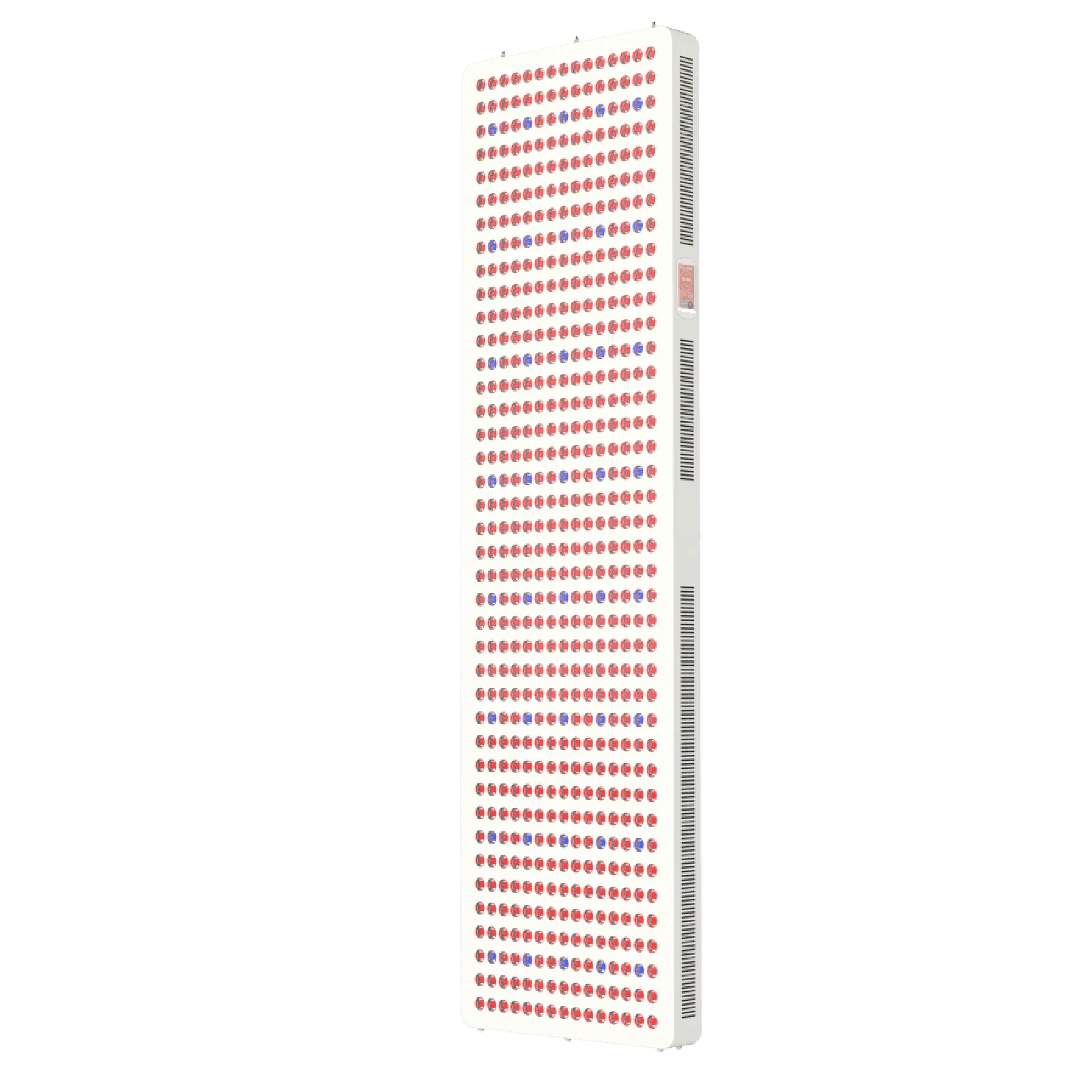
What is actually in this range
Three different things sit here, and they are not alternatives to one another.
Panels
LED arrays in a rigid housing, from targeted units up to full-body arrays. The main part of this range.
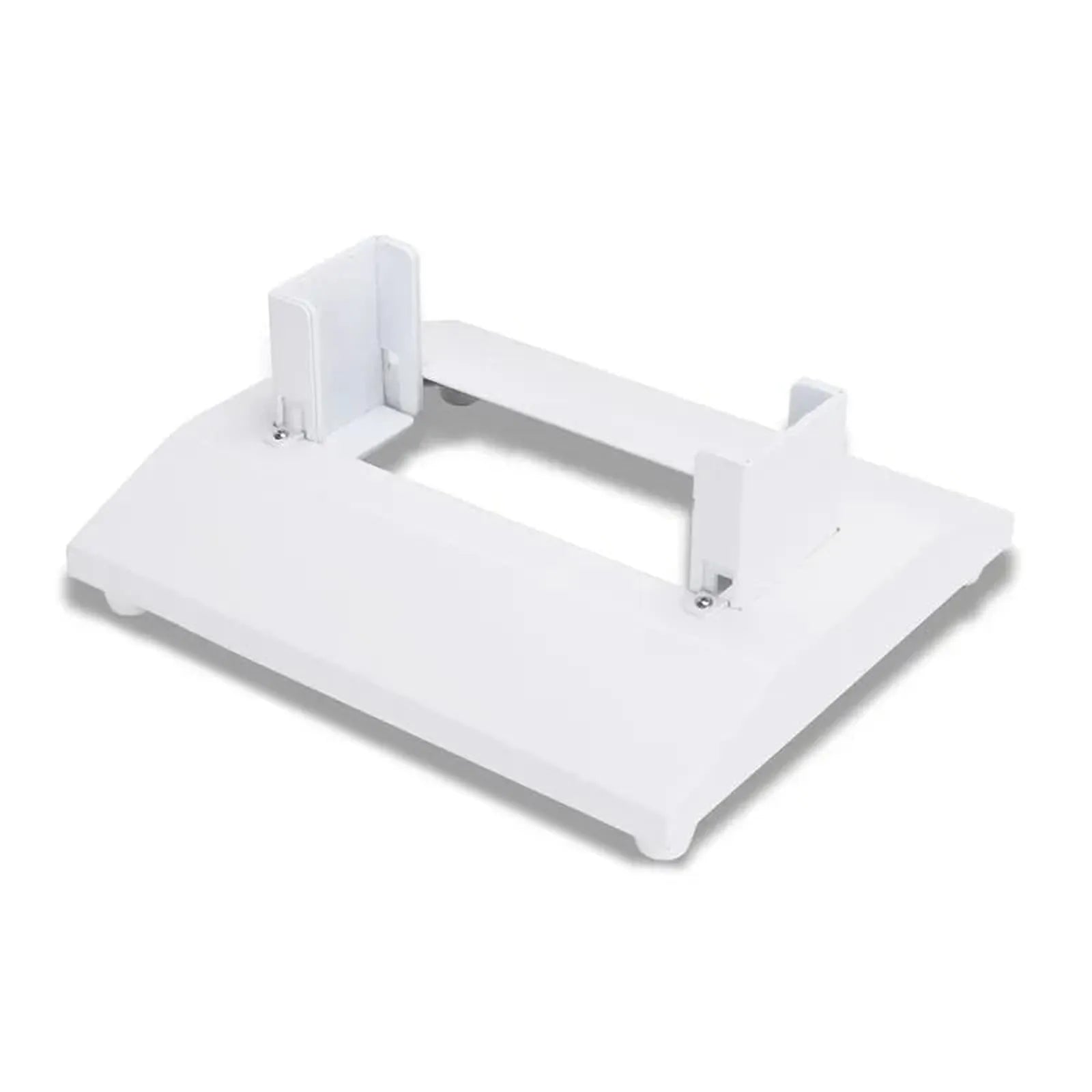
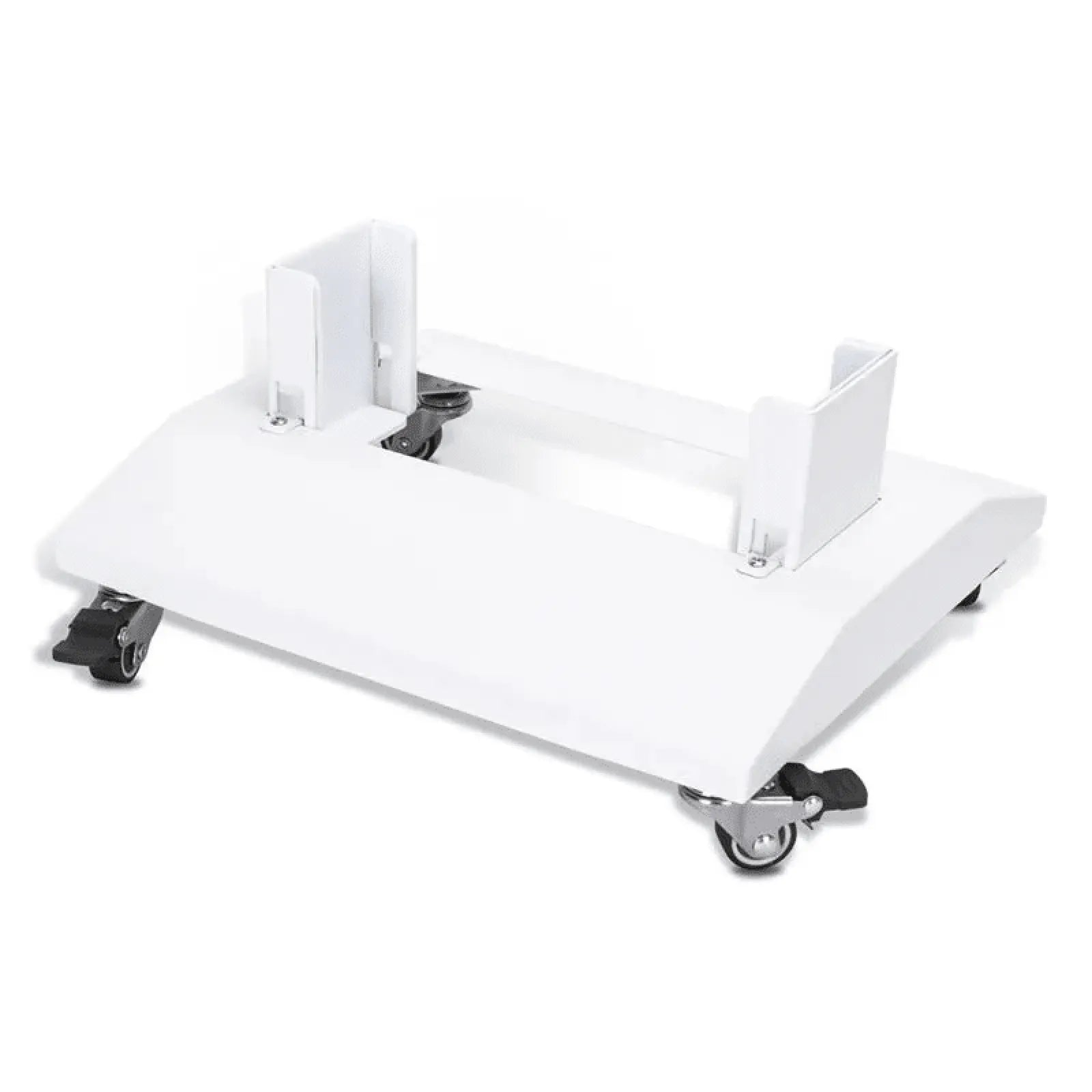
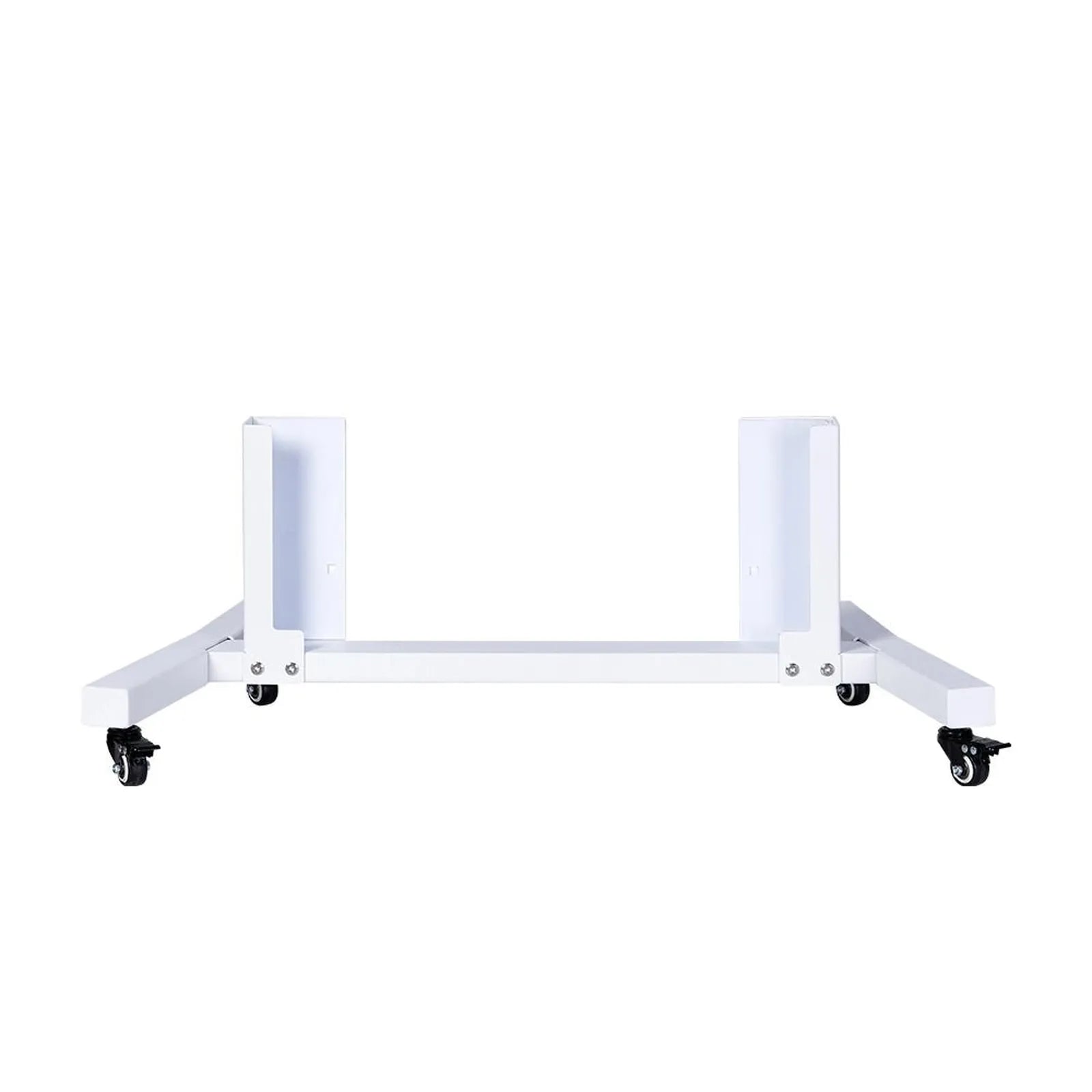
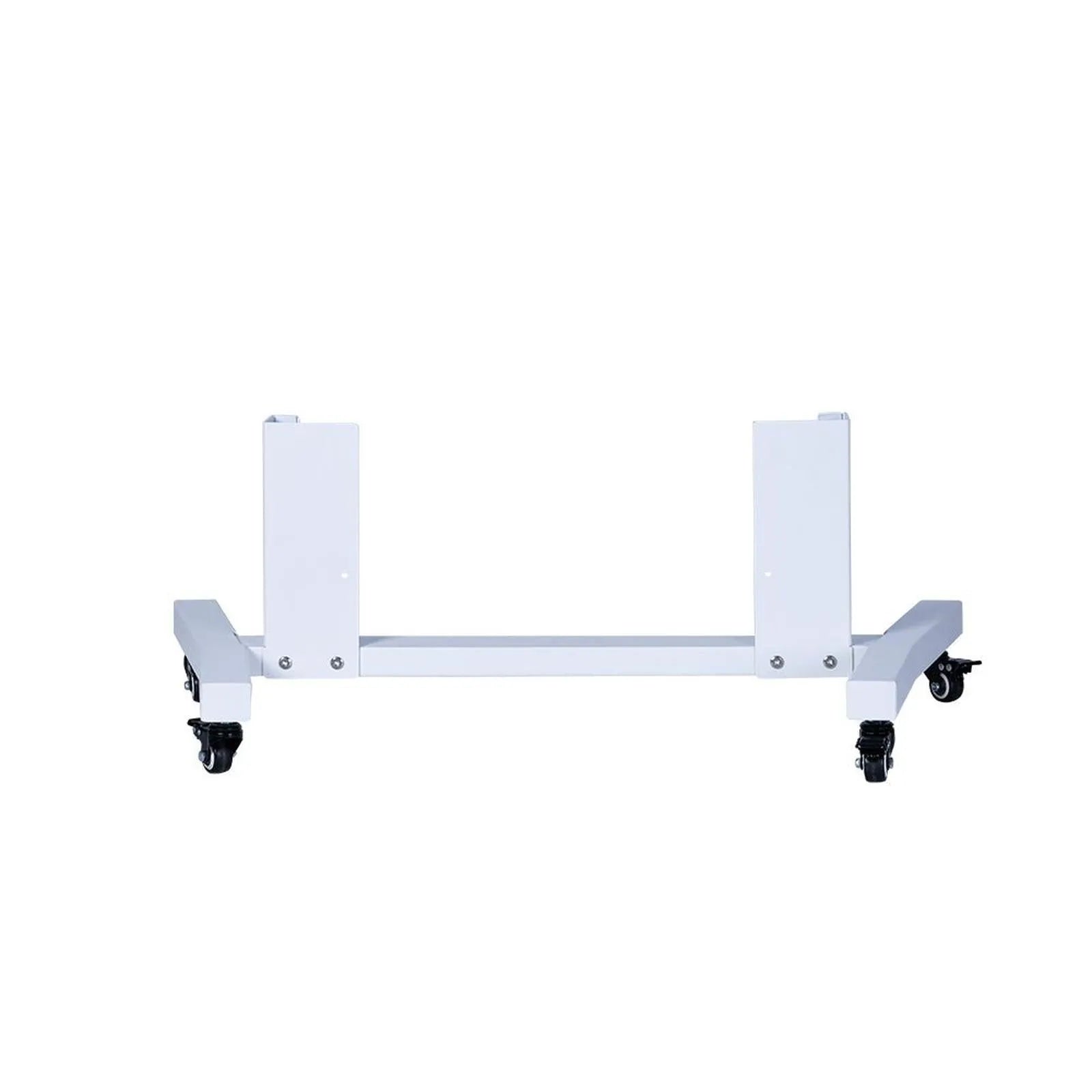
Stands
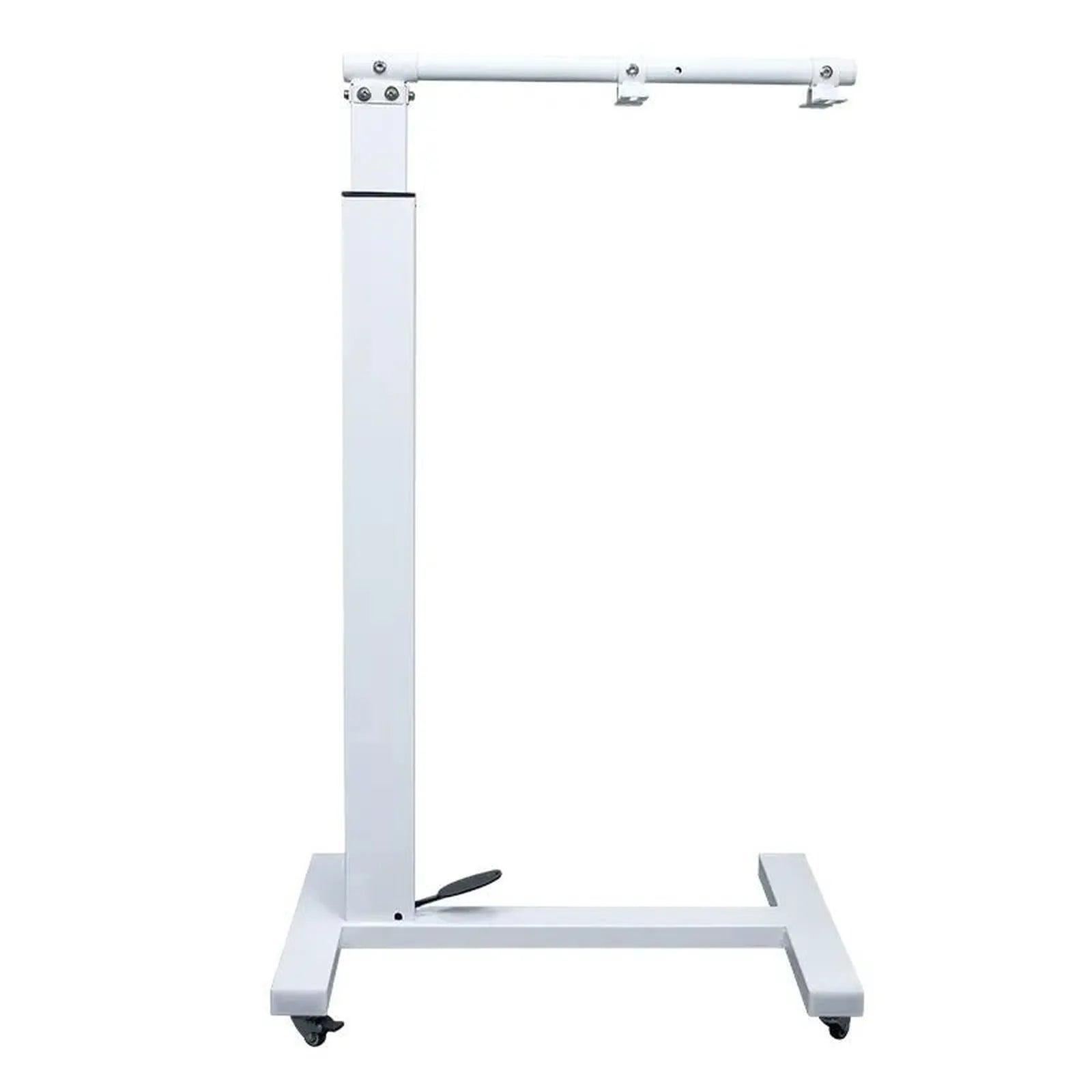
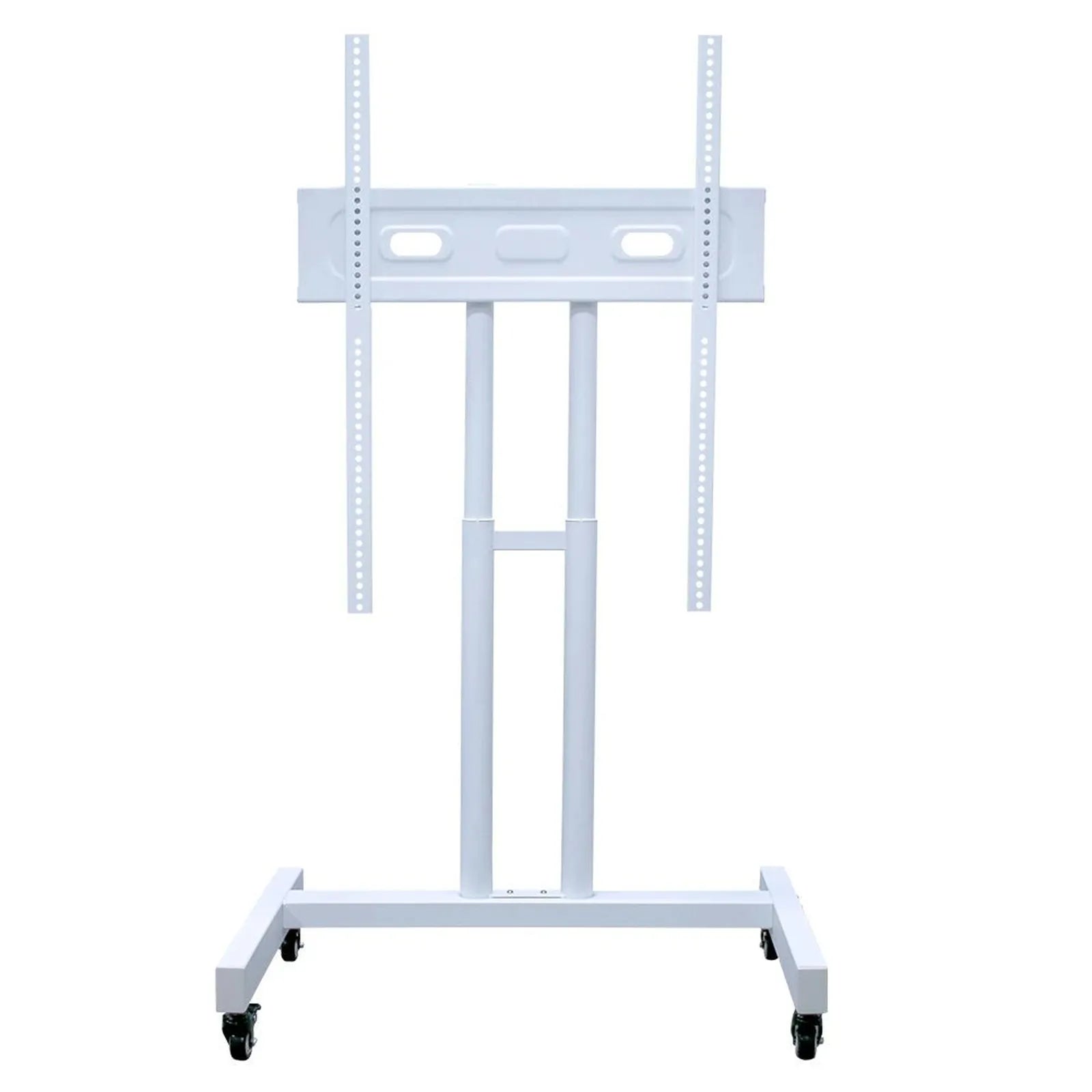
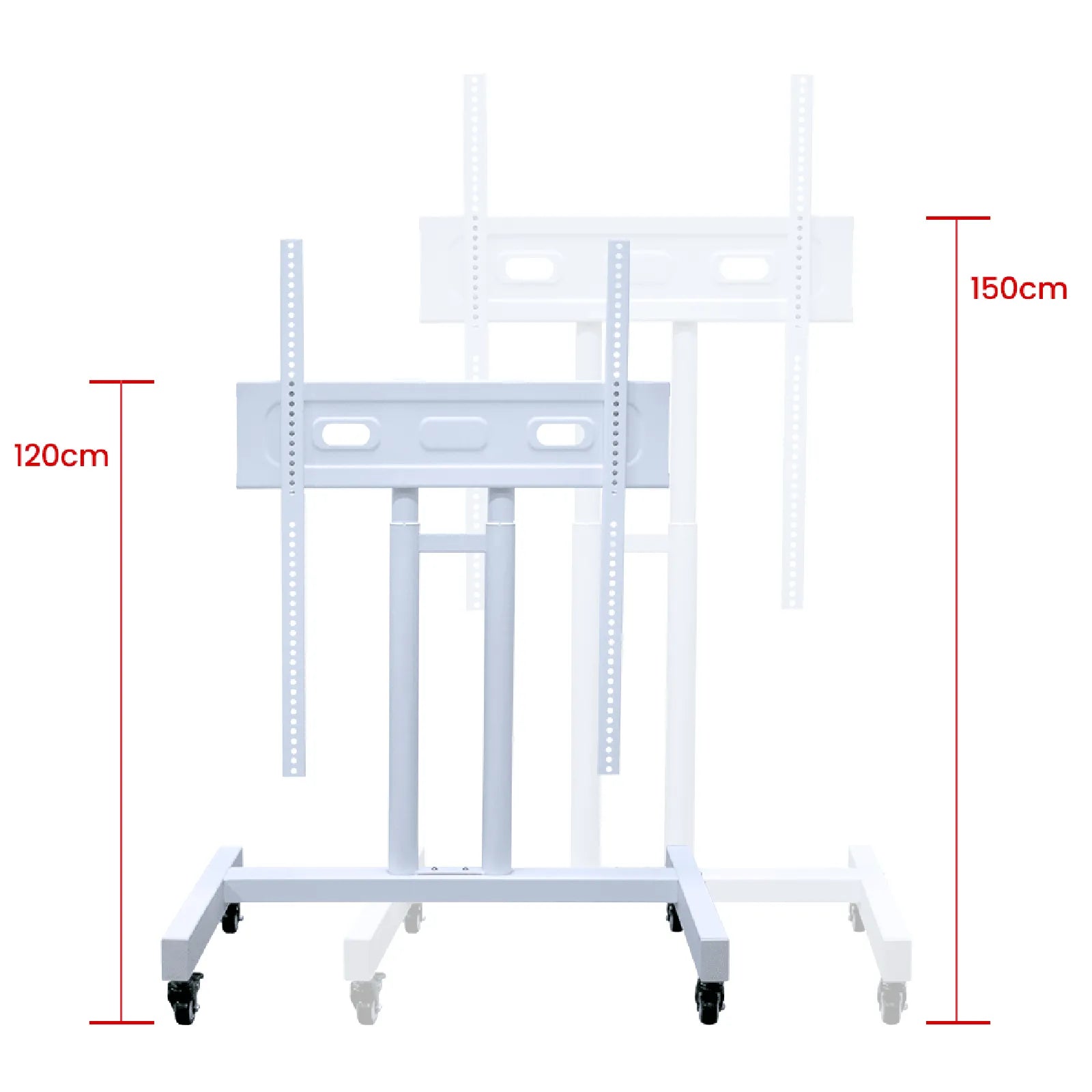
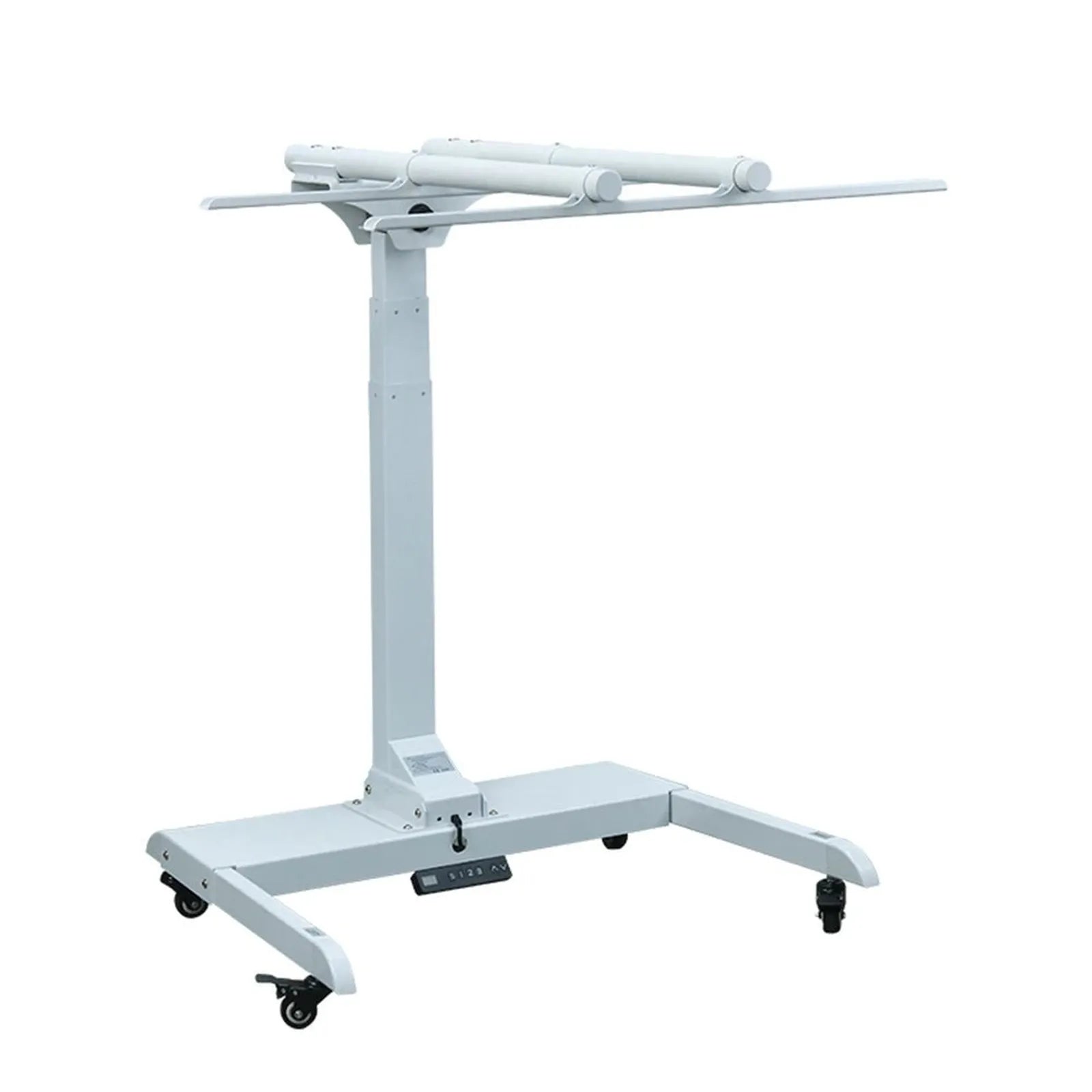
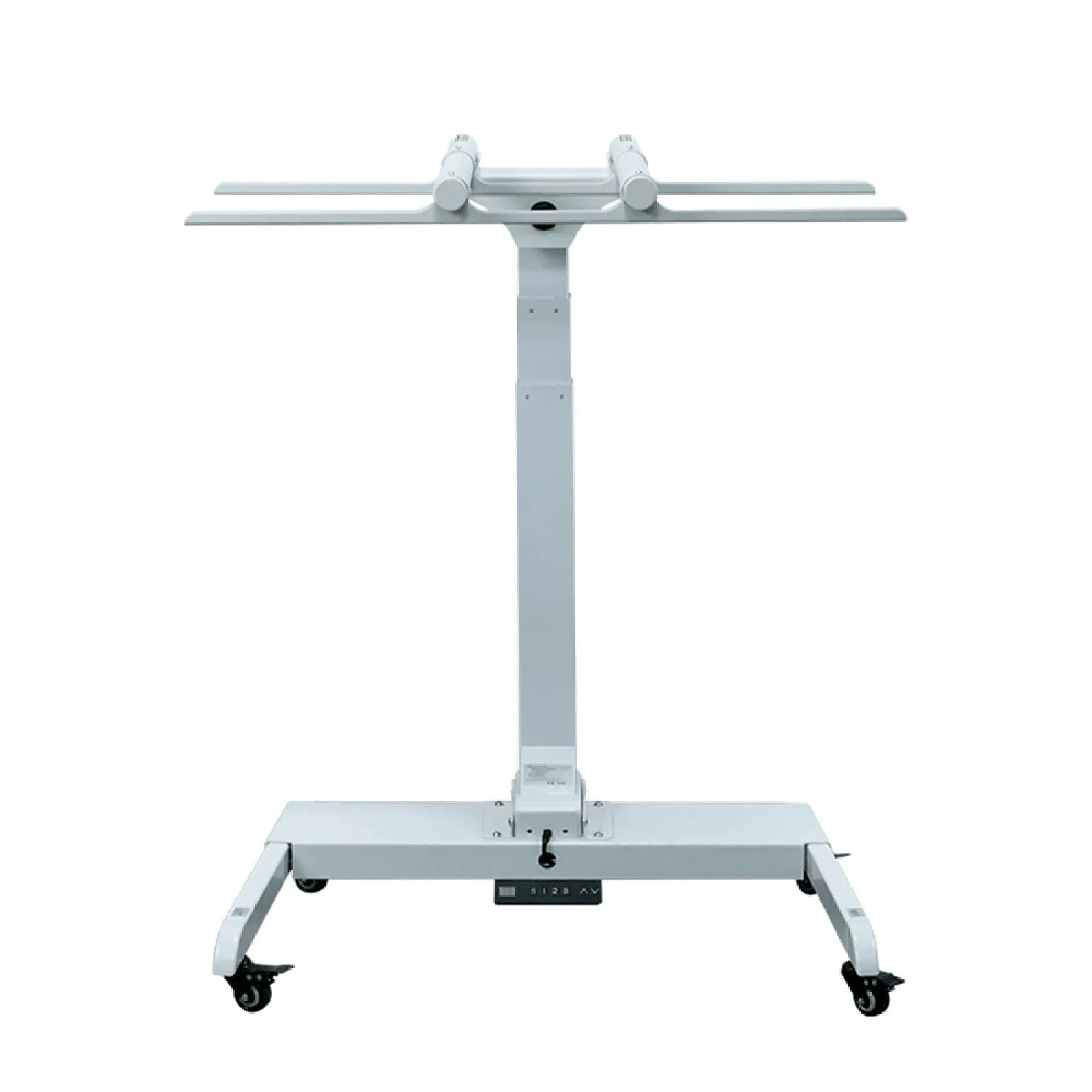
Floor stands and mounting hardware for the panels. Compatibility is per panel — check the stand listing and the panel listing agree before ordering.
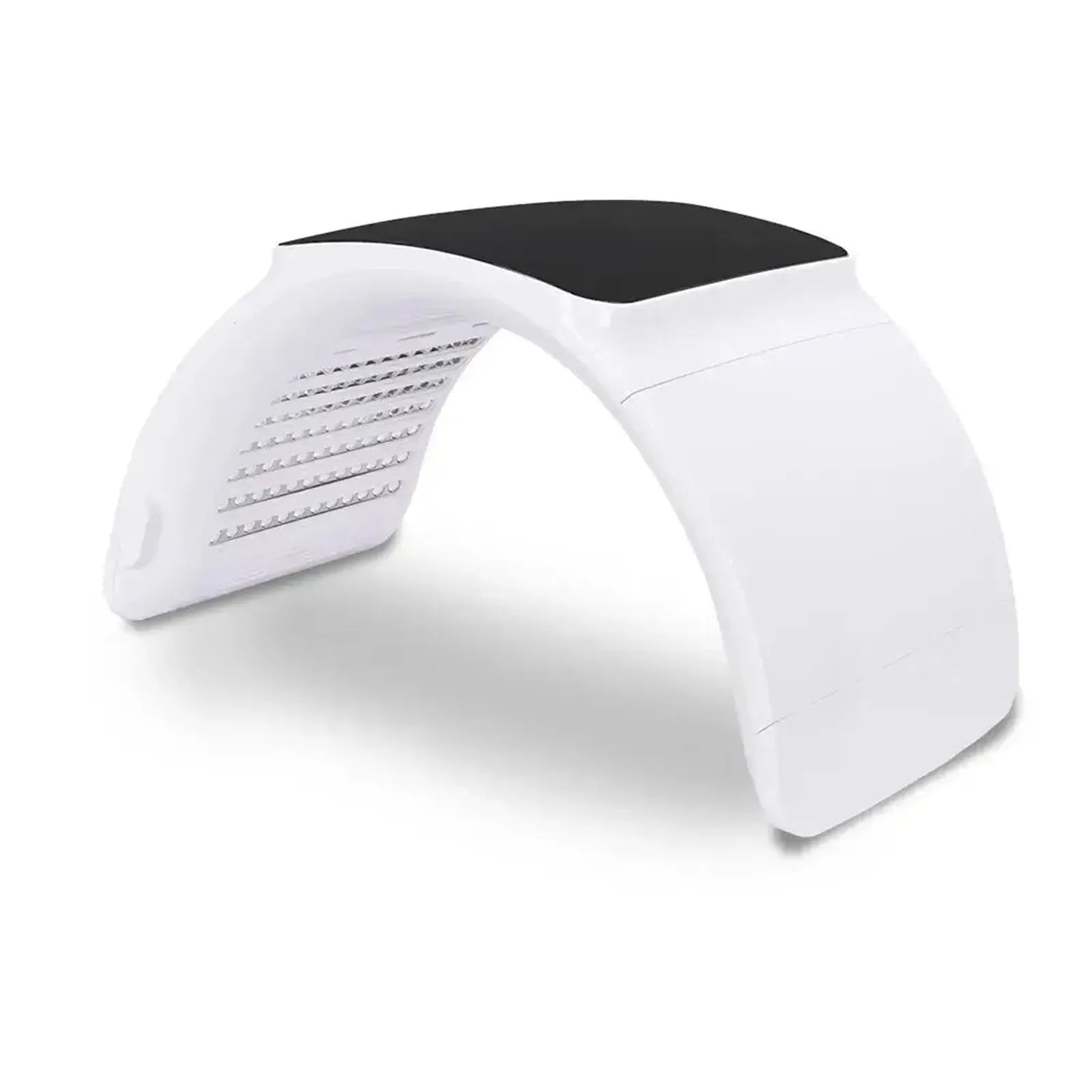
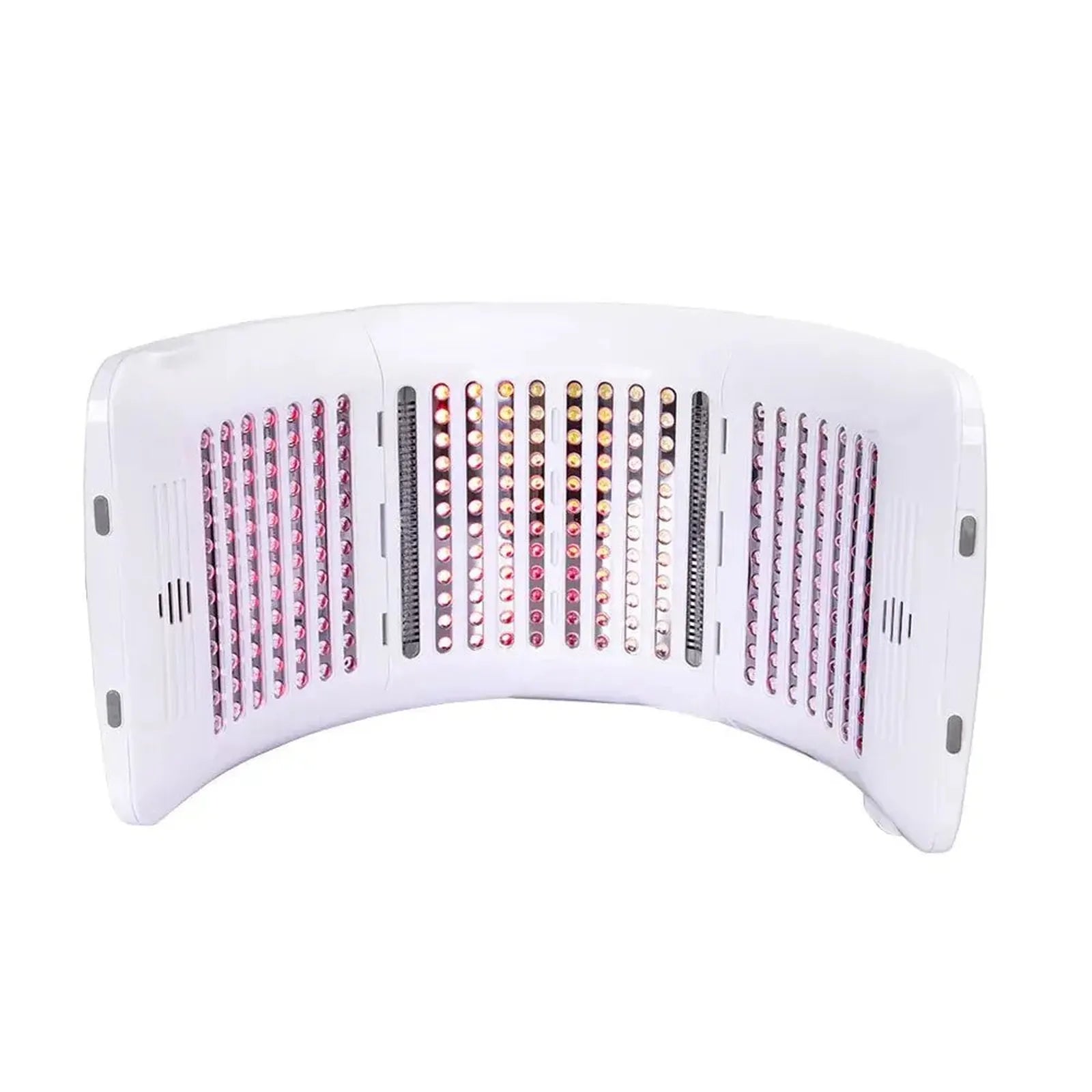
Face and neck devices
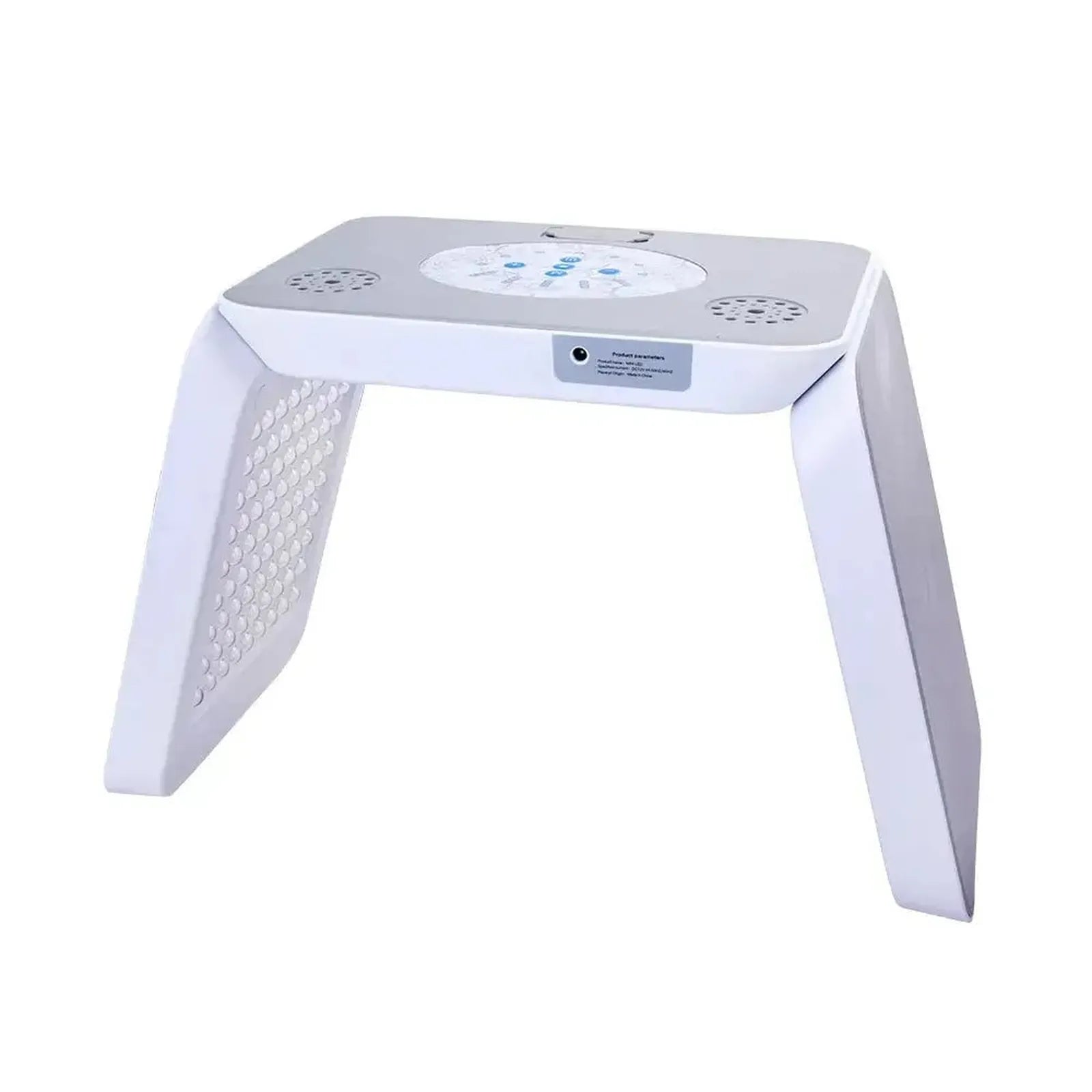
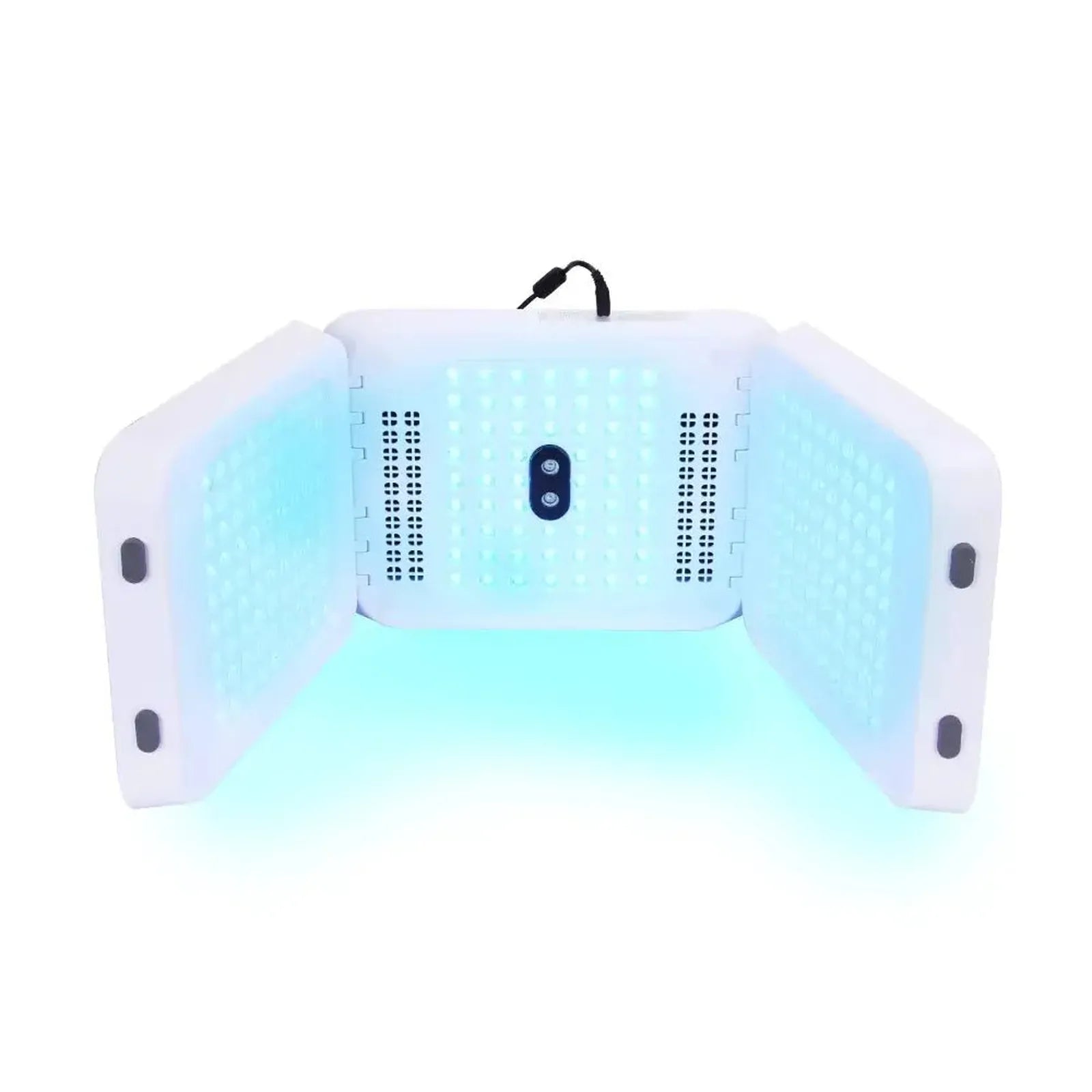
Small dedicated instruments for the face and neck rather than general-purpose panels. A different product to a panel, listed here for convenience.
Working out which format suits you at all? Read the Red Light & Near-Infrared Buyer’s Guide, or browse the full red light range.
Coverage — the decision that sets everything else
Targeted
One area at a time. The smallest panels and the lowest price band. Easy to position and to store.
Half-body
Upper or lower body per position. A middle ground on size, output and price.
Full-body
Most of the body from one position. The largest arrays, and the ones that need a stand or a fixed mount.
Wavelengths
Panels in this category generally combine visible red light with near-infrared, and the two behave differently: red light is absorbed at the surface, near-infrared penetrates further. Panels are commonly built around roughly 660 nm red and roughly 850 nm near-infrared, and many offer red-only, near-infrared-only or combined modes.
Read the wavelengths off the product page, not off a category page. The exact wavelengths, the LED count and the available modes differ by panel and by manufacturer. Where a manufacturer has not published a figure for a given panel, we do not substitute one.
Irradiance — and why the distance matters more than the number
Irradiance is the light delivered to a surface, and it falls off sharply as the panel gets further away. An irradiance figure quoted without its measurement distance is not comparable to anything. Where a manufacturer publishes a value with the distance it was measured at — for example a reading taken at 15 cm — the product page carries both. Where a figure is published with no distance, treat it as unusable for comparison rather than as a high number.
Mounting and placement
Stand
Most flexible. Check the stand is rated for the specific panel’s size and weight.
Wall mount
Space-efficient and fixed. Confirm the fixings suit the wall construction.
Door hook
Suits smaller panels and rented spaces. Check the panel weight against the hook.
Power
Standard household supply for panels in this range. Confirm the requirement on the product page.
Stands for these panels are listed in this range. Compatibility is not universal — confirm the pairing on both listings before ordering.
The rest of the red light range
Ordering, delivery and support
- Sourcing. Supplied through verified manufacturer and authorized channels. See our sourcing statement.
- Delivery. Shipping method and lead time vary by panel size and manufacturer. Check the product page for the specific item.
- Payment. Major credit and debit cards, Apple Pay, Google Pay, PayPal and Shop Pay. Sales tax is calculated at checkout.
- Warranty. Coverage varies by manufacturer, model and whether use is residential or commercial. Review the product page and the manufacturer’s documentation, and see warranty information.
- Support. Monday to Friday, 9:00–5:00 Central. Call 612-217-0221 or email info@wellariwellness.com.
Common questions
What is the difference between red and near-infrared light?
Red light is visible and is absorbed at the surface. Near-infrared is not visible and penetrates further. Many panels provide both, either together or as separate modes. The exact wavelengths are listed per panel.
Do I need a stand?
Larger full-body panels usually do, unless you are wall-mounting them. Smaller panels are often used on a stand, a wall mount or a door hook. Stands are listed in this range, and compatibility is per panel — confirm it on both listings.
Is a bigger panel always better?
Not automatically. A larger array covers more of the body per position, which matters if you want whole-body sessions, but it also needs more space and a mount. If you are working on one area, a targeted panel is the simpler purchase.
How do I compare two panels fairly?
Compare coverage area, wavelengths and modes, and irradiance at a stated distance. An irradiance number with no distance attached cannot be compared with one that has a distance.
Are the face devices in this range the same as the panels?
No. They are dedicated face and neck instruments rather than general-purpose panels, and they are listed here alongside the panels for convenience. See also the facial masks range.
Not sure which panel size fits your space?
Tell us the area you want to cover, where the panel would live and whether it needs to be moved between sessions, and we will narrow it down.