

COLD PLUNGE & IMMERSION SYSTEMS GUIDE
Cold water immersion systems provide a high-performance environment for thermal conditioning and active recovery rituals. Whether you are exploring cold exposure for the first time or upgrading to an ice-free system, this guide explores the technical differences between residential and commercial-grade immersion hardware.
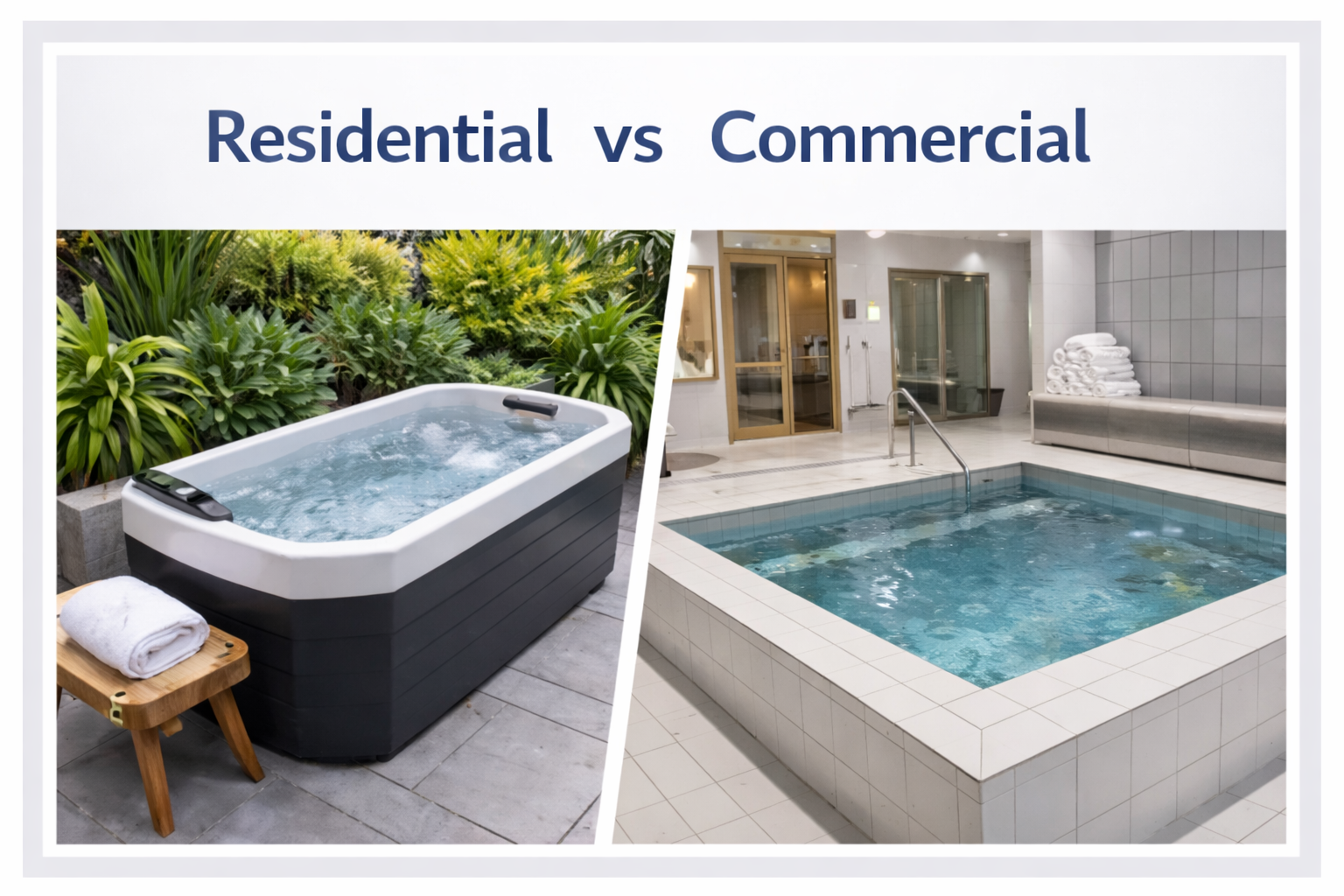
Residential vs Commercial Systems
Understand the differences between residential cold plunges & commercial-grade systems engineered for residential use or high-traffic commercial facilities.
Compare Plunges →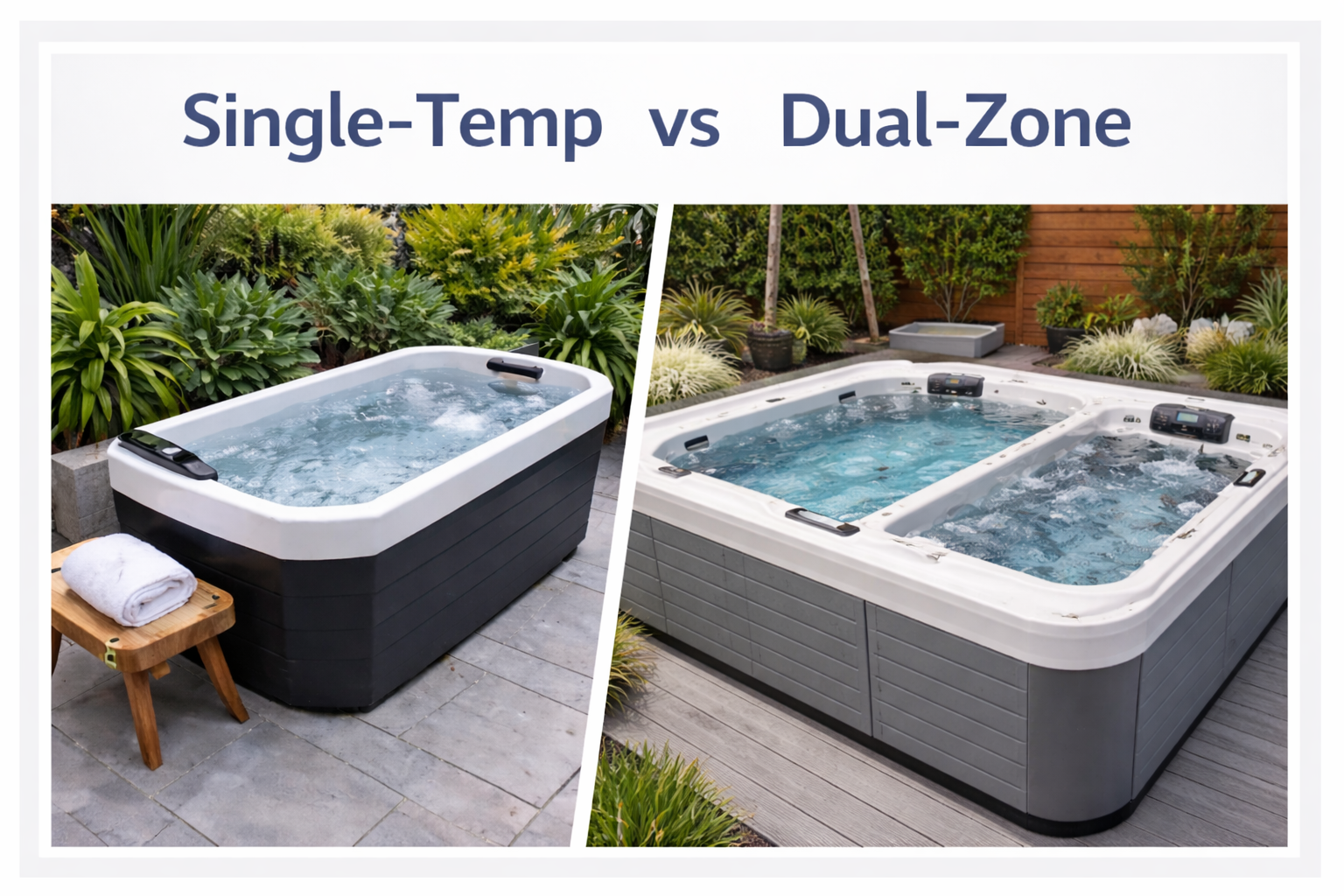
Single-Temp vs Dual-Zone Units
Learn whether a dedicated cold plunge or a dual-temperature system is the best fits your thermal conditioning requirements and environmental setup
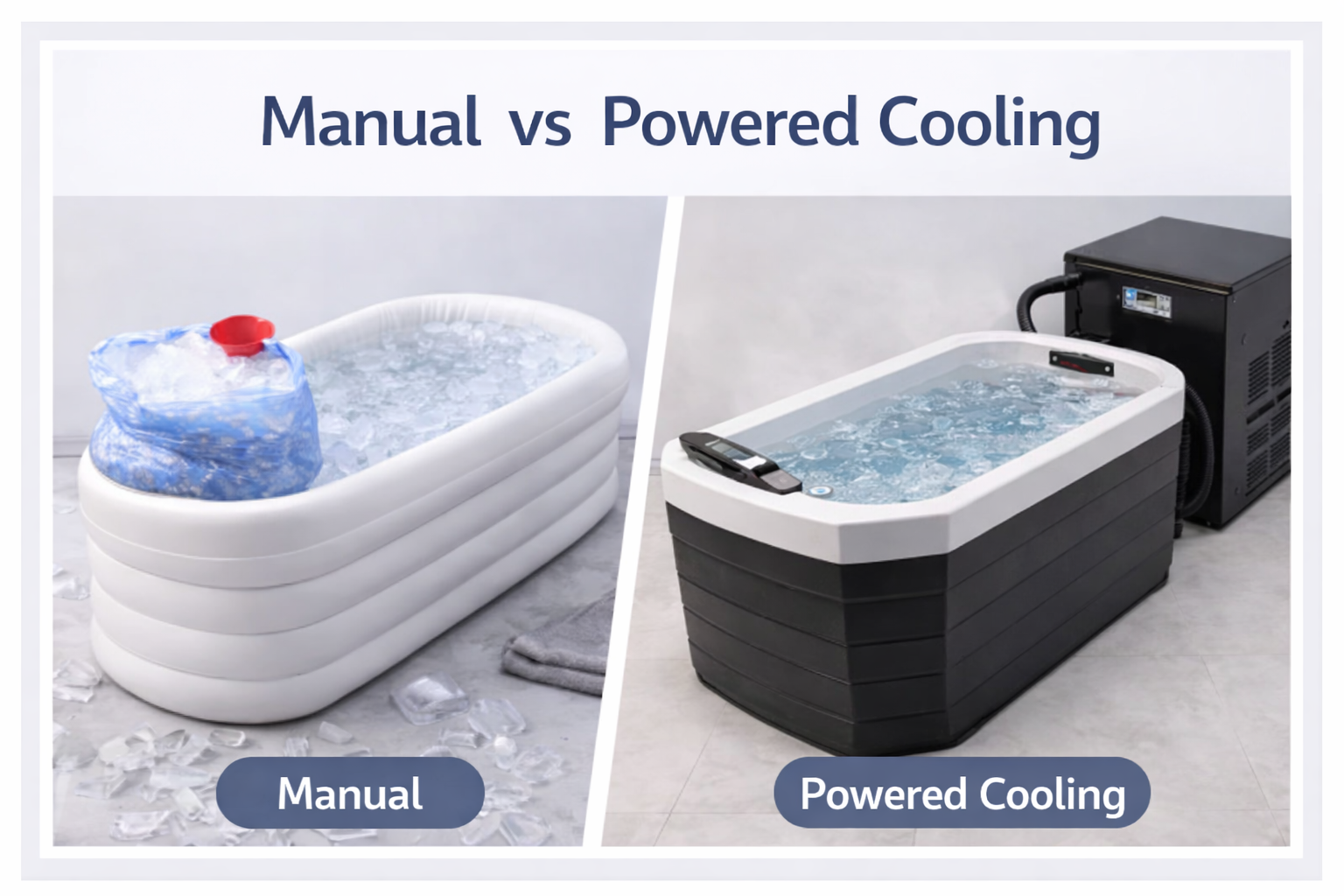
Manual vs Powered Cooling Systems
Compare traditional ice bath setups with modern chiller-powered cooling systems for precise temperature management and automated water maintenance

Basin Volume & Facility Requirements
Analyze installation requirements based on floor load, water capacity, and clearance.
These key considerations can help narrow your options.
Not Sure Which Cold Plunge Is Right for You?
How You Plan to Use It
Residential environments, high-performance training centers, or high-traffic commercial facilities all require specific durability ratings and system cooling capacities.
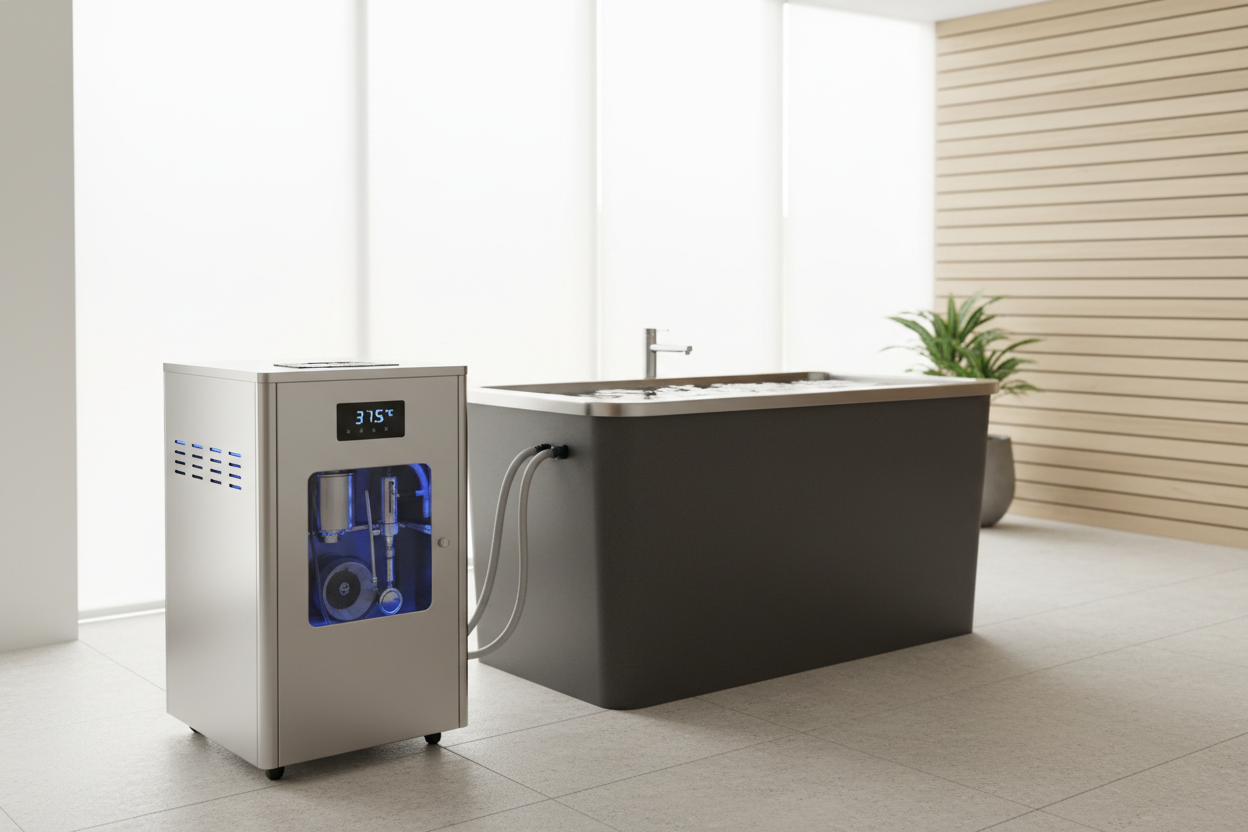
Temperature & Maintenance Preferences
Some systems rely on manual ice use, while others offer automated temperature control and year-round consistency.
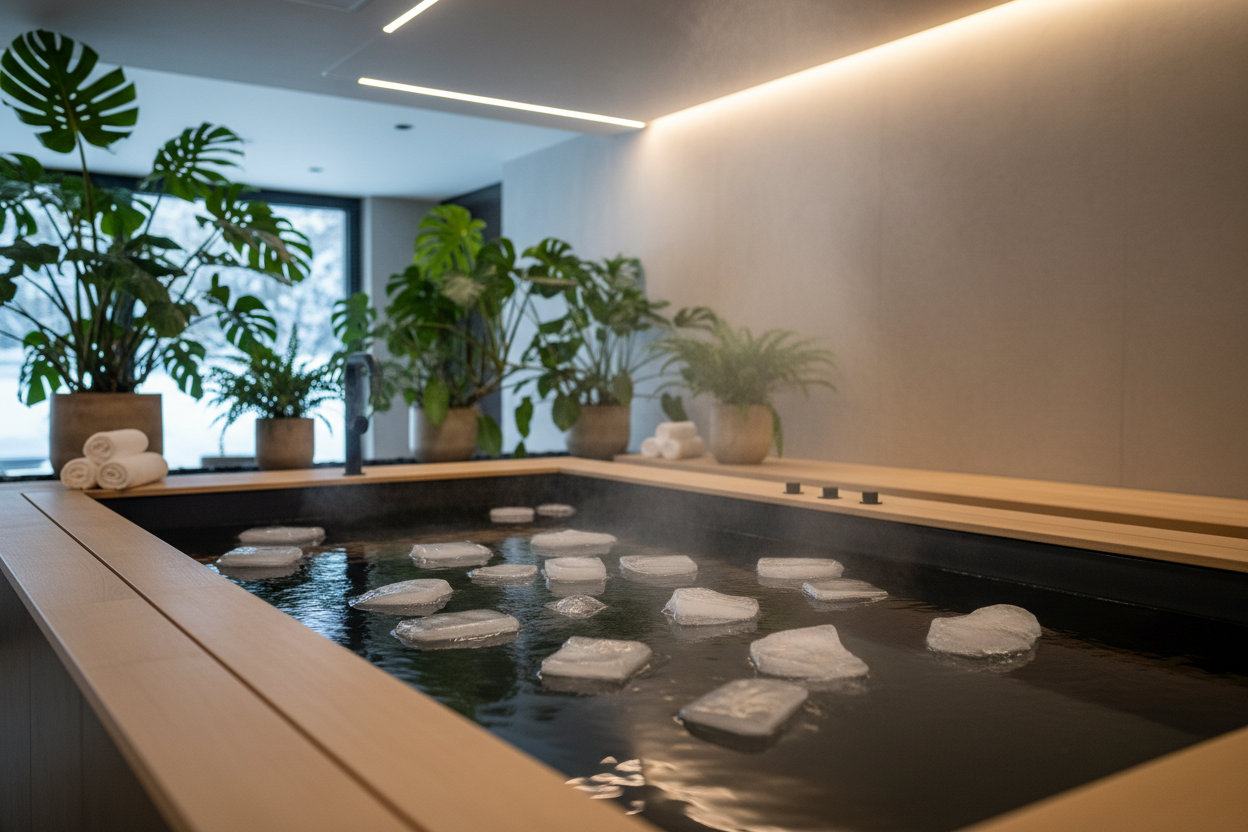
Space, Power & Installation
Available space, electrical requirements, drainage, and indoor or outdoor placement all play an important role in choosing the right cold plunge

Explore Cold Immersion Configurations →
Cold Plunge Guides & Insights
Explore expert articles covering cold plunge use cases, comparisons, setup tips & choosing the right system.
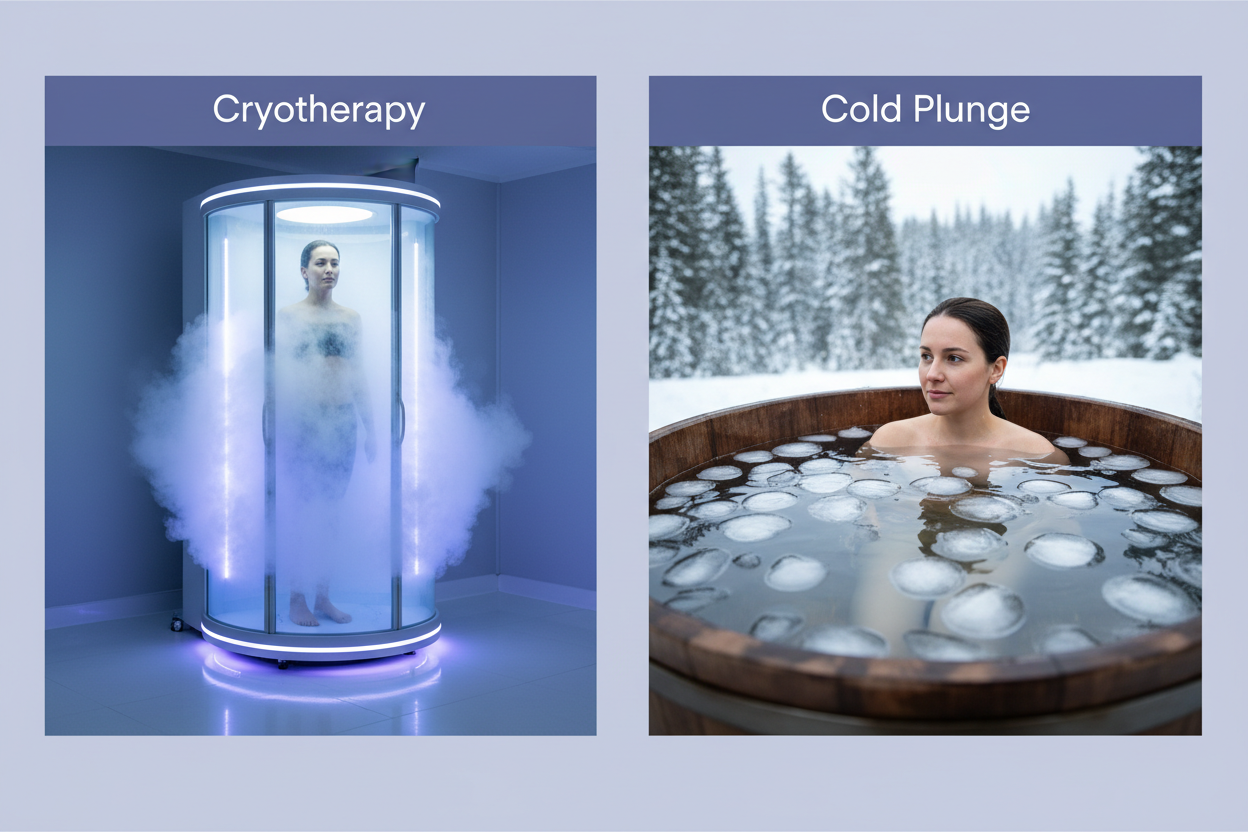
Cryotherapy vs Ice Baths
Read Guide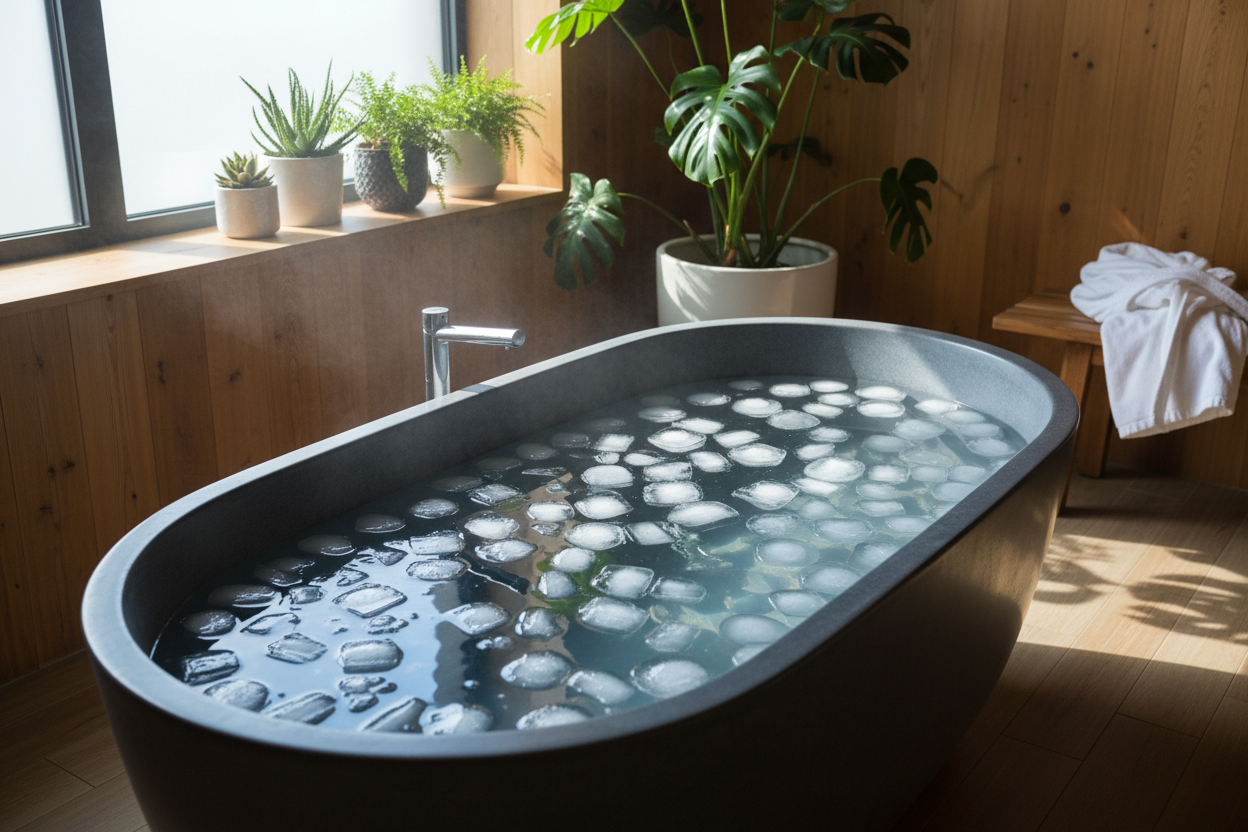
Best Cold Plunges 2026
Read Guide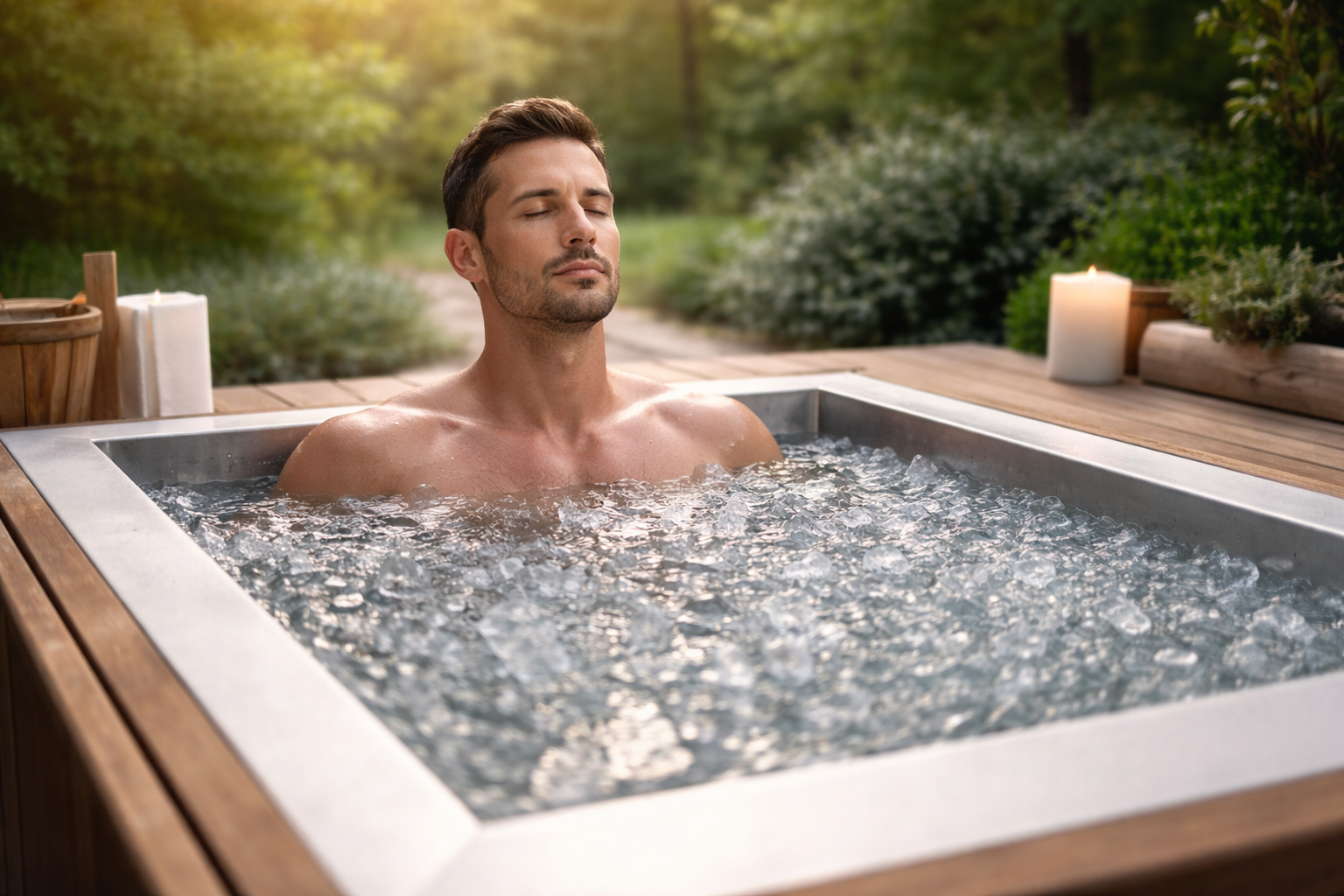
Cold Plunge & Stress
Read Guide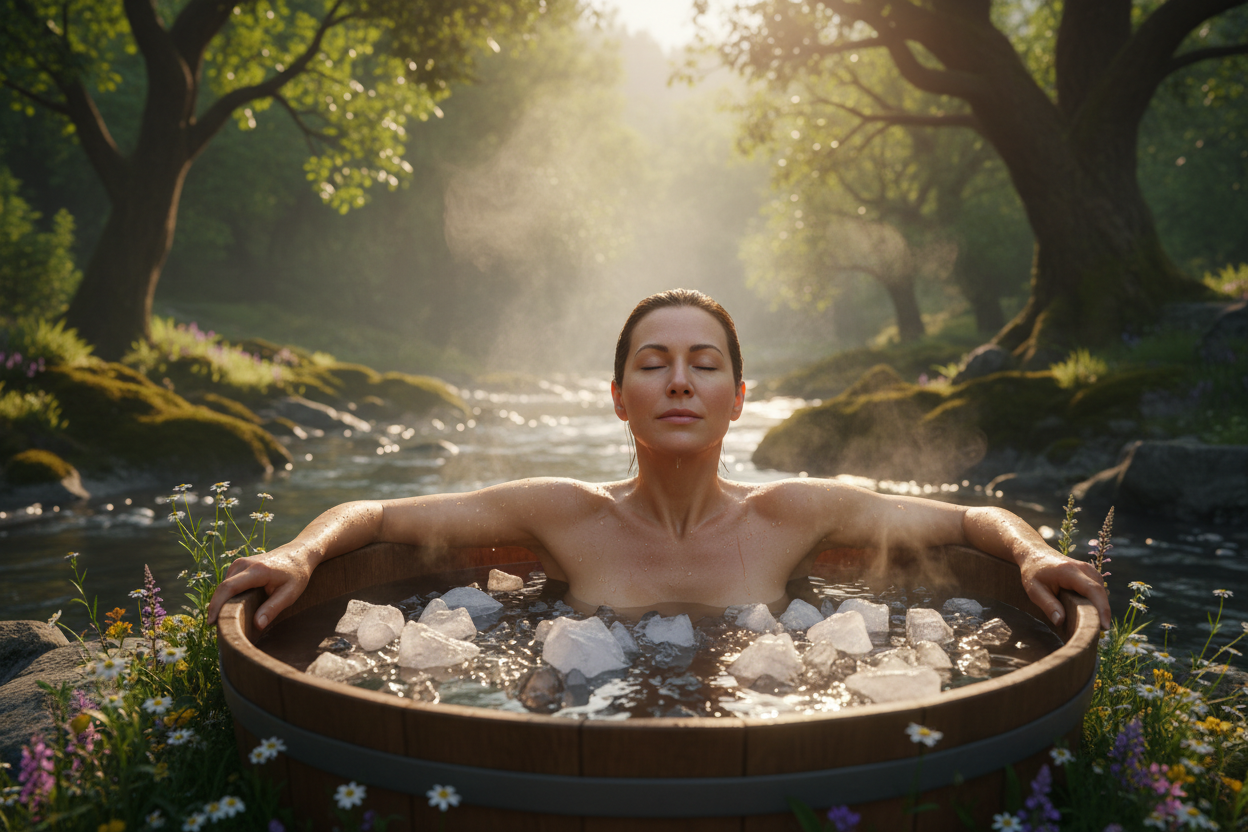
Explore Cold Plunge Guides
See All GuidesAt-Home vs Commercial Cold Plunge Systems
Cold plunge systems are designed for different environments and usage levels. The comparison below highlights general differences to help you decide which option may be best suited for your space and intended use.
At-Home vs Commercial Cold Plunge Systems
| Feature | Residential Systems | Commercial Systems |
|---|---|---|
| Intended Use | Personal or household environmental conditioning | High-traffic facilities and shared athletic spaces |
| Daily Usage | Standard residential frequency | High-volume, continuous frequent use |
| Size & Footprint | Compact, space-conscious designs | High-capacity basins with larger dimensions |
| Cooling Method | Standard integrated or external chiller units | Heavy-duty, industrial-grade cooling systems |
| Electrical Needs | Standard residential power outlets | Dedicated commercial electrical requirements |
| Installation | Plug-and-play or simplified setup | Professional facility installation recommended |
| Best Suited For | Dedicated home performance setups | Multi-user performance and active environments |
Single-Temp vs Dual-Zone Immersion Systems
| Feature | Cold-Only Plunge Systems | Dual-Temperature Systems |
|---|---|---|
| Temperature Range | Dedicated cold immersion | Variable cold and heated immersion |
| Primary Focus | Cold exposure & thermal conditioning | Temperature contrast & environment versatility |
| System Complexity | Standard refrigeration design | Advanced climate-control hardware |
| Maintenance | Standard ongoing maintenance | Specific maintenance for dual-function systems |
| Energy Use | Optimized energy requirements | Variable energy usage based on mode |
| Best Suited For | Users prioritizing cold immersion only | Users requiring both cooling and heating options |
Manual vs Powered Cooling Systems
Immersion environments range from manual ice-based setups to modern, chiller-powered cooling systems. The comparison below highlights technical differences to help you select based on temperature precision, operational consistency, and facility maintenance requirements.
| Feature | Manual Cooling (Ice) | Powered Cooling Systems |
|---|---|---|
| Temperature Control | Variable based on ice volume | Consistent digital set-point control |
| Setup & Routine | Requires manual sourcing of ice | Automated cooling with minimal oversight |
| Ongoing Cost | Variable cost of consumable ice | Operational energy use + periodic upkeep |
| Convenience | Manual preparation required | High-efficiency for frequent operation |
| Best Suited For | Infrequent use or basic configurations | Daily high-frequency use and precision needs |
| Environment Fit | Entry-level residential setups | Residential or commercial-grade facilities |
Basin Volume & Facility Requirements
Selecting an immersion system requires careful analysis of physical dimensions, water capacity, structural placement, and electrical specifications. Use the technical considerations below to ensure your space is compatible with your chosen configuration.
| Technical Factor | What to Analyze | Operational Impact |
|---|---|---|
| Basin Dimensions | Interior length/depth and total submersion volume | Ensures adequate immersion depth for the operator |
| Capacity | Water volume and maximum occupancy rating | Affects thermal stability and filtration cycle frequency |
| Equipment Footprint | Total exterior dimensions + maintenance clearance | Ensures site compatibility and safe ingress/egress |
| Environmental Rating | Indoor vs outdoor chassis and weatherproofing specs | Affects material durability and climate-control needs |
| Electrical Specifications | Power draw for cooling units and circulation pumps | Determines circuit requirements and outlet compatibility |
| Fluid Management | Drain location, hose routing, and water source access | Impacts maintenance efficiency and facility drainage |
| Logistics & Access | Entryway widths, floor load capacity, and transit route | Prevents installation delays and structural load issues |
Frequently Asked Questions
Order
Cold immersion involves brief exposure to sub-ambient water temperatures within a controlled basin. These systems are engineered for thermal conditioning and are commonly integrated into high-performance athletic environments.
Configurations are available for both private residential use and high-traffic commercial facilities. Selection depends on the required cooling capacity, basin durability, and facility electrical specifications.
While manual basins require ice to reach target temperatures, chiller-integrated systems use high-efficiency refrigeration hardware to maintain a consistent digital set-point without the need for ice.
Many systems feature all-weather chassis designs suitable for indoor or outdoor placement. Installation requirements vary based on the model’s IP rating (weatherproofing), electrical needs, and drainage access.
No. These systems are high-performance appliances designed for thermal exposure and environmental conditioning. They are not medical devices and are not intended to diagnose, treat, or manage any medical condition.
Important Information
The immersion systems featured in this guide are high-performance appliances intended for environmental conditioning and educational purposes only. They are not medical devices and are not intended to diagnose, treat, cure, or prevent any medical condition. Information provided is for technical reference only and does not constitute professional health guidance. Always follow manufacturer safety instructions regarding electrical and water management
EXPLORE IMMERSION CONFIGURATIONS
Discover high-performance systems engineered for private residential use and commercial facility environments