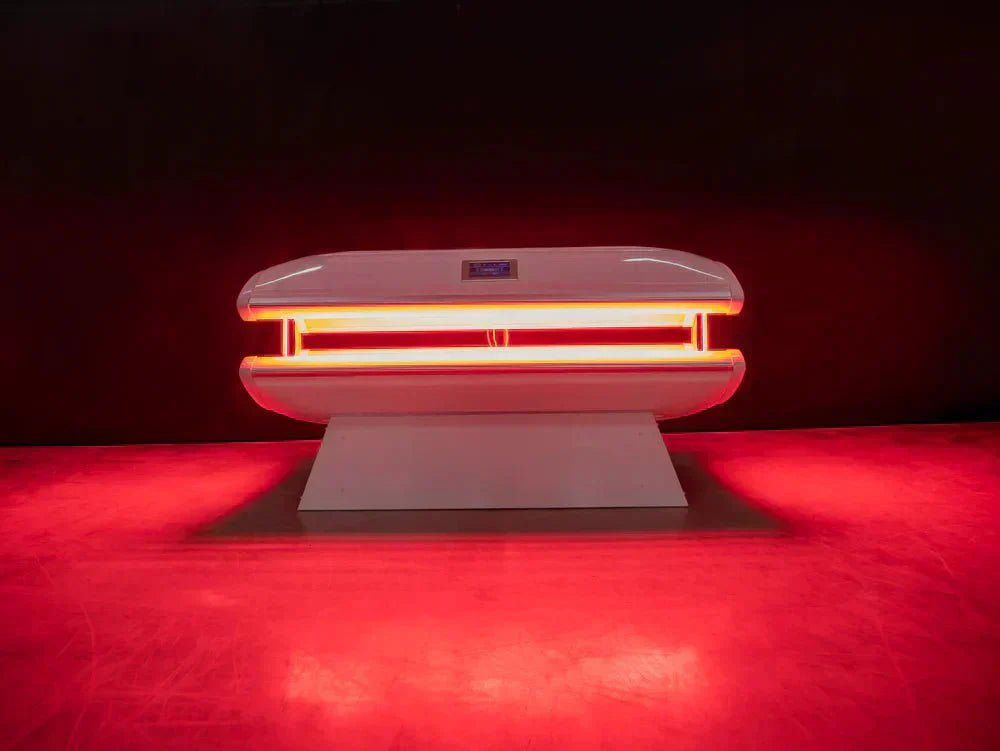
Red Light Therapy: Unpacking Wavelengths, Device Selection, and Modern Recovery
Introduction: Red Light Therapy and Modern Wellness
Red light therapy has become one of the most popular light-based wellness technologies for people interested in skin appearance, recovery routines, comfort support, and overall wellness habits. As more consumers compare panels, masks, belts, wraps, beds, and full-body systems, understanding the basics can help you choose the right device for your goals.
This guide explains how red and near-infrared wavelengths are commonly used, what to look for when comparing devices, and how red light therapy can fit into a broader wellness routine. The goal is simple: help you make an informed, realistic, and safe buying decision without exaggerated claims.
What Is Red Light Therapy?
Red light therapy uses specific red and near-infrared wavelengths of light in devices designed for general wellness, skin appearance routines, and recovery-focused habits. These devices may include red light panels, full-body beds, facial masks, belts, wraps, and targeted handheld systems.
Unlike ultraviolet light, red and near-infrared light do not tan the skin. Instead, they are used in structured light-based routines that may support skin appearance, comfort, relaxation, and consistency in wellness habits.
Prefer the fundamentals first?
Unlocking Red Light Therapy: The Science & Benefits Guide
How Red Light Therapy Works in Wellness Routines
Red light therapy is commonly discussed as a non-invasive wellness tool that uses targeted wavelengths of light. Different devices vary by wavelength, output, coverage area, session timing, and intended use.
For consumers, the most important takeaway is that red light therapy should be approached as a supportive wellness practice. It should not be viewed as a cure, treatment, or replacement for professional medical care.
Responsible use usually depends on:
- Choosing the right wavelength range
- Using the device at the recommended distance
- Following manufacturer session guidelines
- Staying consistent without overusing the device
- Choosing a device with clear specifications and safety information
Understanding Red and Near-Infrared Wavelengths
Red Light: Commonly 630–660 nm
Red light wavelengths are visible to the eye and are commonly used in skin appearance and surface-level wellness routines. Many users choose red light devices for facial care, beauty routines, and targeted comfort support.
- Skin appearance routines
- Surface-level comfort support
- Beauty and cosmetic wellness habits
- Targeted use on smaller areas
Near-Infrared Light: Commonly 810–880 nm
Near-infrared light is generally not visible to the eye and is often included in devices designed for larger body areas and recovery-focused routines. Many full-body systems combine red and near-infrared wavelengths to offer broader wavelength coverage.
- Post-activity recovery routines
- Muscle comfort support
- Mobility-focused wellness habits
- Full-body wellness sessions
Combination Red and Near-Infrared Devices
Many modern systems combine red and near-infrared wavelengths because users often have more than one wellness goal. A combination device may be helpful if you want one system for both skin appearance routines and broader recovery-focused use.
Common Wellness Uses for Red Light Therapy
Skin Appearance Support
Red light therapy is commonly used in beauty and skin appearance routines. Many users incorporate red light masks, panels, or full-body systems into routines focused on skin tone, texture, and a refreshed appearance.
Panel vs. Belt vs. Mask Comparison
Recovery-Focused Routines
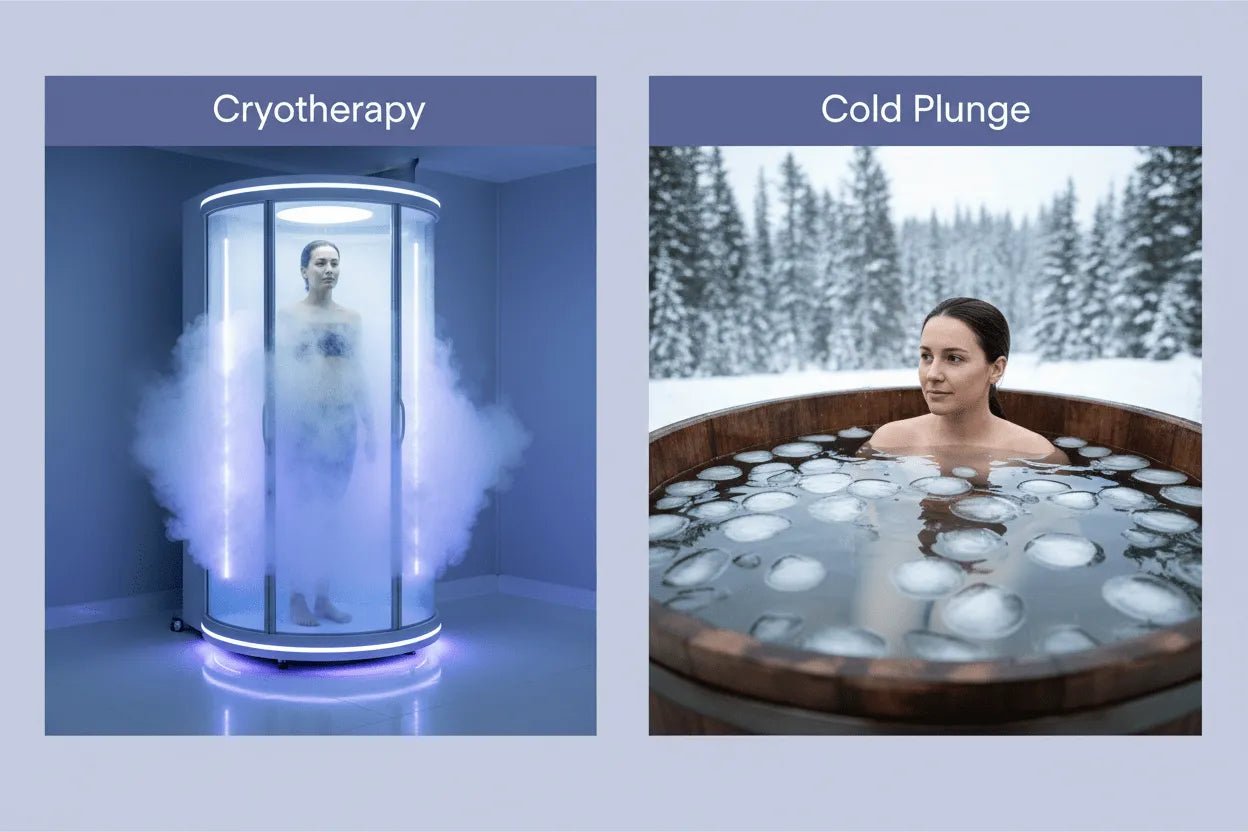
Many active adults and athletes use red and near-infrared devices as part of post-workout routines. These sessions are often paired with hydration, mobility work, compression, sauna, cold exposure, and rest.
Performance and Training Habits
Some users include red light therapy before or after workouts as part of a consistent training lifestyle. The key is routine quality, proper device use, and realistic expectations.
Scalp and Appearance-Focused Wellness
Some targeted red light devices are used in scalp wellness and appearance-focused routines. Users should look for devices with clear specifications, transparent usage guidance, and appropriate safety information.
Full-Body Wellness Systems
For users who want broader coverage, larger panels, beds, and pods may offer a more efficient full-body experience than smaller devices. These systems are often selected for professional wellness spaces, recovery centers, and advanced home setups.
Choosing the Right Red Light Therapy Device
Key Considerations
- Wavelength coverage: Look for clearly listed red and near-infrared ranges.
- Output information: Quality brands should provide transparent device specifications.
- Coverage area: Smaller devices are best for targeted use; panels and beds are better for larger areas.
- Safety information: Look for usage guidance, eye safety recommendations, and certifications when available.
- Build quality: Consider design, warranty, support, and long-term durability.
Device Types
At-Home vs. Professional Red Light Therapy Systems
Professional systems are often larger and may provide broader coverage, while at-home devices make consistency easier for everyday routines. The best choice depends on your goals, space, budget, and preferred session style.
At-home users may prefer:
- Red light masks for facial routines
- Belts and wraps for targeted use
- Panels for flexible multi-area sessions
- Beds or pods for full-body wellness routines
Integrating Red Light Into a Wellness System
Red light therapy is often used alongside other wellness technologies and foundational lifestyle habits. The strongest routines usually combine consistency, recovery time, movement, hydration, and sleep rather than relying on one device alone.
Safety and Responsible Use
Red light therapy products should be used according to manufacturer instructions. Avoid shining lights directly into the eyes, use eye protection when recommended, and do not exceed suggested session times.
Consult a qualified healthcare professional before starting any new wellness routine if you are pregnant, have a medical condition, use photosensitizing medications, have a history of light sensitivity, or are unsure whether red light therapy is appropriate for you.
Red light therapy products sold for wellness use are not intended to diagnose, treat, cure, or prevent disease.
Frequently Asked Questions
What wavelengths are commonly used in red light therapy?
Many red light therapy devices use red wavelengths around 630–660 nm and near-infrared wavelengths around 810–880 nm. Exact specifications vary by device.
How often should I use a red light therapy device?
Many users begin with three to five sessions per week, but the best schedule depends on the device type, manufacturer instructions, session length, and personal comfort.
Are red light panels better than masks?
Panels are more flexible for larger areas of the body, while masks are designed specifically for facial routines. The best choice depends on your primary goal.
Can red light therapy be part of a wellness routine?
Yes. Many people include red light therapy alongside movement, hydration, sleep, sauna, cold exposure, compression, and other recovery-focused habits.
Does red light therapy replace medical care?
No. Red light therapy should be viewed as a general wellness tool and should not replace professional medical care.
References
- Cleveland Clinic: LED Light Therapy
- Harvard Health: Red Light Therapy for Skin Care
- NIH / PMC: Unlocking the Power of Light on the Skin
- FDA: Laser Products and Instruments
Final Thoughts
Red light therapy is one of the most accessible light-based wellness technologies available today. With appropriate wavelengths, quality devices, responsible use, and consistent routines, it may support skin appearance goals, recovery-focused habits, and overall wellness strategies.
The best red light therapy device is the one that matches your space, goals, and preferred routine. Whether you choose a mask, wrap, panel, bed, or full-body pod, focus on clear specifications, safety guidance, and realistic expectations.
Written by Karen Ripley