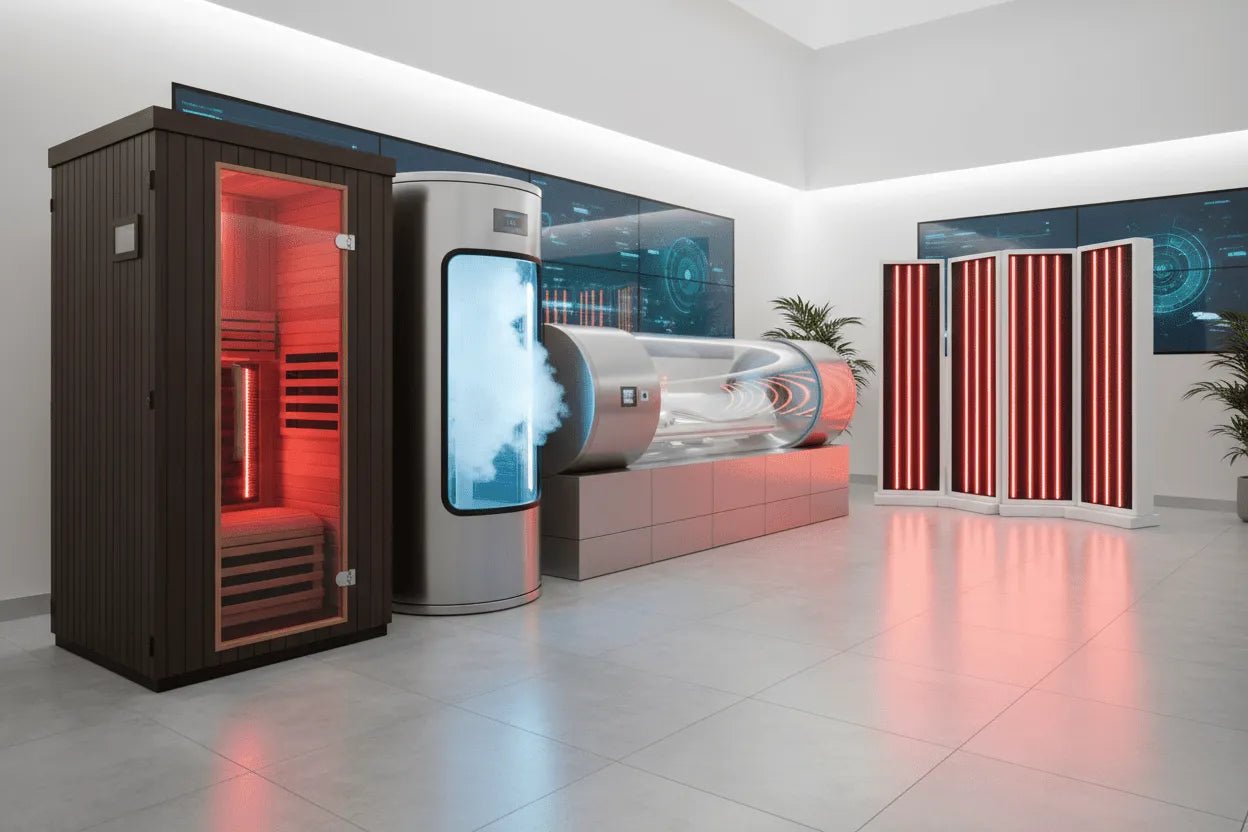
Building Longevity Through Systems, Not Shortcuts
This shift has fueled interest in technology-enabled wellness systems that support foundational routines like:
- Cellular energy support
- Recovery and resilience habits
- Circulation and oxygen utilization
- Nervous system regulation
- Consistency and adaptation over time
At the center of this movement is what many people call the Longevity Stack — a strategic combination of wellness modalities designed to work together, not in isolation.
This guide breaks down four common pillars in a modern longevity stack and shows how to layer them intelligently.
What Is a Longevity Stack?
A longevity stack is a layered wellness framework that combines complementary modalities to support recovery, resilience, and long-term performance habits.
Rather than relying on supplements alone, a longevity stack focuses on repeatable inputs that can influence:
- Mitochondrial support and cellular energy routines
- Stress adaptation and recovery capacity
- Circulation and oxygen delivery habits
- Nervous system balance
- Movement recovery and tissue support
The goal is simple: build a system you can use consistently, then refine over time.
Explore Each Longevity Modality in Depth
If you want deeper science + practical frameworks, these Wellari guides expand on each pillar:
- Reset Your Nervous System: The Science of Cold, Light, and Heat Therapy
- Unlocking Red Light Therapy: The Science Behind Its Benefits & Your Essential Buying Guide
- Cold Plunge Protocols: Your Progressive Recovery Roadmap (Beginner to Advanced)
- Hyperbaric Oxygen Therapy Explained: Understanding HBOT & Its Proven Health Benefits
- The Science of Infrared Therapy: Optimizing Recovery & Relaxation
The 4 Core Longevity Modalities
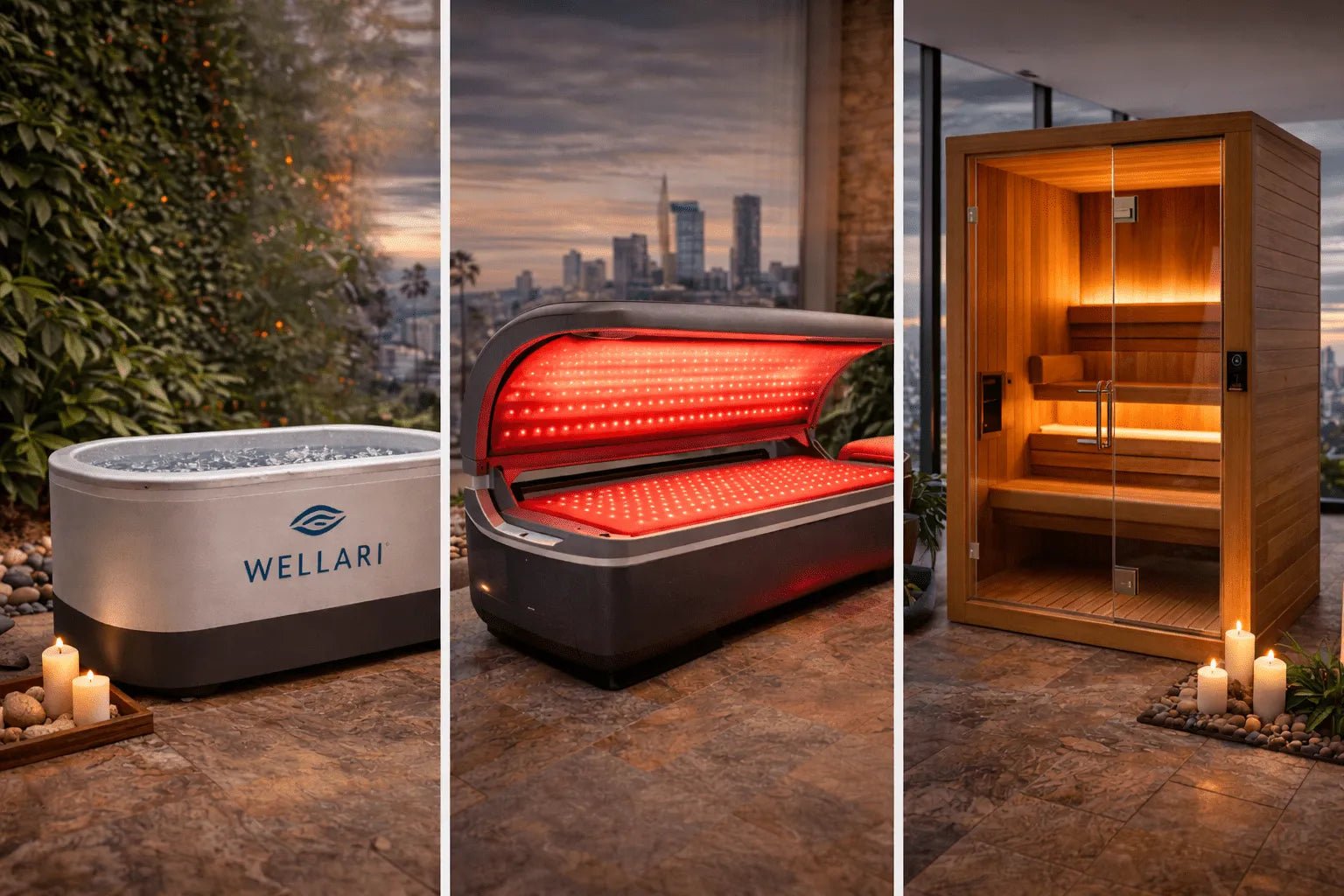
1) Red Light Therapy: Cellular Energy & Recovery Support
Red light therapy uses specific red and near-infrared wavelengths that many people integrate into routines focused on cellular energy support, recovery habits, and skin-focused consistency.
Common reasons people choose red light therapy:
- Supporting consistent recovery routines
- Daily wellness habits (especially at home)
- Skin appearance support as part of a routine
- General resilience and performance habits
2) Cold Therapy: Stress Resilience & Recovery Routines
Cold exposure is often used as a structured stimulus to support recovery habits and nervous system resilience. People typically use cold plunges to build consistency with discomfort tolerance and post-training routines.
Common reasons people choose cold plunging:
- Post-training recovery routines
- Building stress resilience over time
- Structured contrast routines (cold + heat)
- Energy and alertness habits
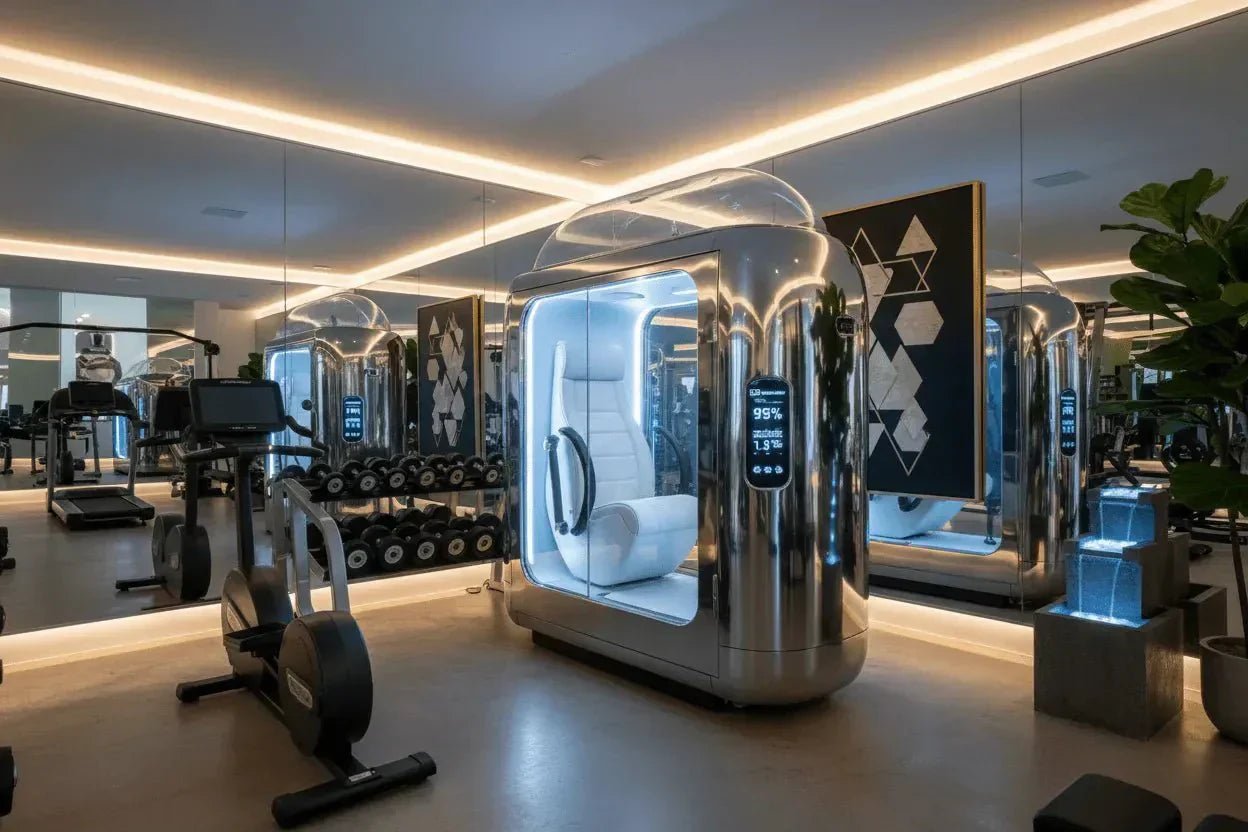
3) Hyperbaric Oxygen Chambers: Oxygen-Focused Recovery Habits
Hyperbaric systems are commonly used in wellness routines that emphasize oxygen delivery under increased pressure. Many people use them as part of recovery-focused or performance-oriented schedules.
Common reasons people explore HBOT systems:
- Structured recovery and restoration habits
- Relaxation and breath-focused downtime
- Consistency-based wellness routines
- Layering oxygen-focused sessions into a stack
4) Infrared Therapy: Heat-Based Relaxation & Circulation Support
Infrared sauna routines are commonly used to support relaxation, circulation-focused habits, and recovery rituals. Many people like infrared therapy because it pairs well with cold exposure and helps build consistency around heat-based recovery time.
Common reasons people use infrared therapy:
- Relaxation and nervous system downshifting
- Heat-based recovery routines
- Circulation support habits
- Layering with cold exposure (contrast routines)
Why Stacking These Modalities Works
Each modality supports a different part of a complete routine:
- Red light → cellular energy + recovery habits
- Cold exposure → resilience + structured stress adaptation
- Hyperbaric → oxygen-focused recovery sessions
- Infrared → relaxation + circulation-focused heat routines
The most effective stacks are simple, consistent, and sustainable.
Example Longevity Stack (Home Use)
Beginner-friendly weekly framework:
- Red Light Therapy: 3–5× per week
- Infrared Sauna: 2–3× per week
- Cold Plunge: 2–4× per week
- HBOT: 1–2× per week (optional)
Start with one modality, build consistency, then layer gradually as your routine becomes automatic.
Build Your Longevity Stack
Whether you’re building a home wellness space or enhancing a professional environment, these technologies can form a strong foundation for long-term recovery and performance routines.
Shop by modality:
Final Thoughts: Longevity Is Built Through Consistency
Longevity isn’t discovered — it’s built through repeatable habits over time.
Start with one modality. Build consistency. Then layer intelligently.
Educational content only. This article is not medical advice and does not diagnose, treat, cure, or prevent any disease.