
Unlock Rapid Healing: How Hyperbaric Chambers Supercharge Your Recovery
Introduction: Why Oxygen Is the Missing Link in Modern Recovery
Recovery is no longer just about rest — it’s about how efficiently your body repairs and adapts. From athletes and high-performers to longevity-focused users, Hyperbaric Oxygen Therapy (HBOT) has become a popular tool for supporting recovery routines by optimizing oxygen availability under pressure.
Once limited to hospitals and dive medicine facilities, hyperbaric chambers are now accessible for home and wellness use, making it easier to build consistency and support the body’s natural recovery systems.
This guide explains how HBOT works, what it’s commonly used for, and how to evaluate whether a home hyperbaric chamber fits into your recovery or longevity stack.
What Is Hyperbaric Oxygen Therapy (HBOT)?
Hyperbaric Oxygen Therapy involves breathing oxygen inside a pressurized chamber. Under increased atmospheric pressure, oxygen can dissolve into blood plasma in addition to being carried by red blood cells.
This may support oxygen delivery to areas that can be challenged by inflammation, injury, or reduced circulation, including:
- Injured or stressed tissue
- Areas impacted by inflammation
- Brain and nervous system pathways
- Low-circulation regions
For a systems-level overview, see:
👉 The Ultimate Longevity Stack Explained (Infrared, Cryotherapy, HBOT & Red Light)
How HBOT Works at the Cellular Level
Under pressure, oxygen behaves differently than it does during normal breathing.
Inside a hyperbaric chamber:
- Atmospheric pressure increases
- Oxygen dissolves into plasma
- Oxygen diffusion into tissue may improve in areas affected by inflammation or injury
HBOT is commonly studied for its ability to support key recovery mechanisms, including:
- Tissue repair and recovery pathways
- Oxidative balance support
- Angiogenesis (new blood vessel formation)
- Mitochondrial efficiency and cellular energy support
Unlike surface-level modalities, HBOT works systemically, supporting whole-body recovery inputs at once.
Evidence-Based Benefits and Common Uses
Brain Health & Cognitive Support
HBOT is used in some clinical and wellness settings to support recovery routines involving brain health and neurological stress. Research frequently focuses on oxygen delivery, circulation, and recovery processes related to cognitive performance.
Related deep dive:
👉 Beyond the Buzz: What HBOT Actually Treats (Evidence-Based Guide)
Injury Recovery & Tissue Repair Support
HBOT is commonly used in medical settings for specific clinical indications and is also explored in wellness routines for post-training recovery and tissue support. Oxygen availability plays a role in collagen production and normal tissue repair processes.
Athletic Recovery & Inflammation Support
Athletes often include HBOT to support training consistency, recovery routines, and inflammation management — especially when paired with cold exposure and compression.
Related protocol:
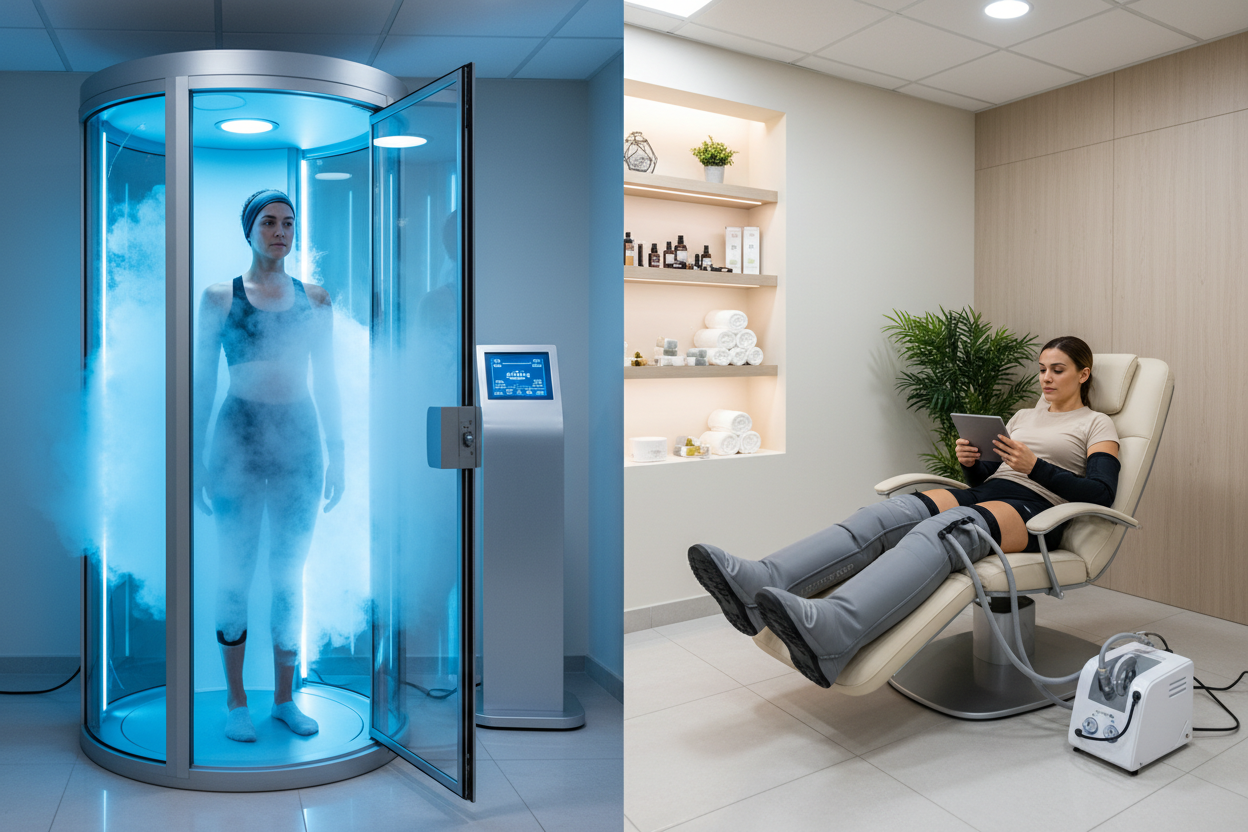
👉 The Ultimate Recovery Protocol: Cryotherapy + Compression
Explore recovery collections:
Longevity & Cellular Resilience
By supporting oxygen delivery and cellular efficiency, HBOT is frequently discussed as part of longevity-focused routines — especially when used consistently and combined with complementary modalities.
Home vs Clinical Hyperbaric Chambers: What’s the Difference?
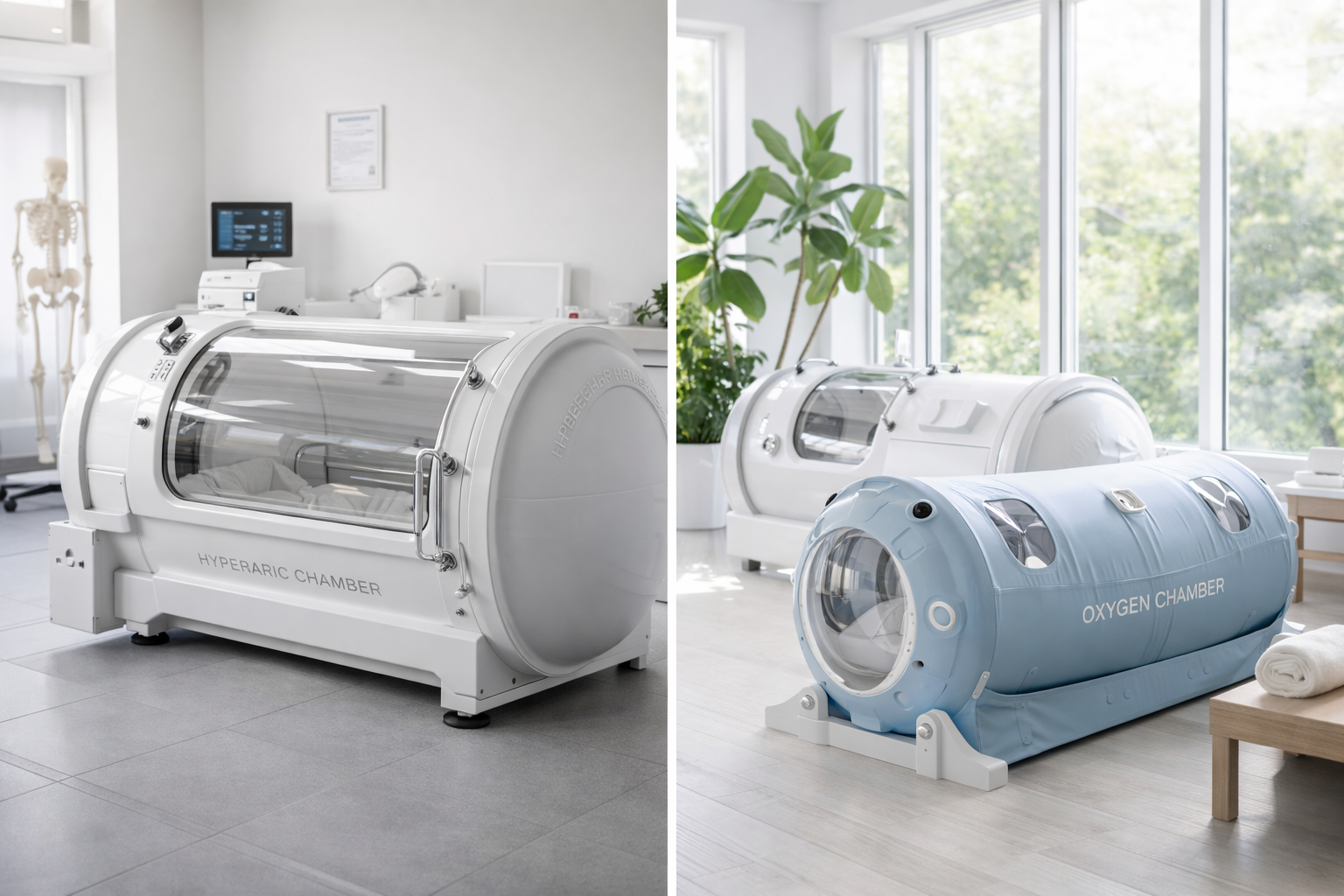
Mild Hyperbaric Chambers (Home Use)
- Often operate around 1.3–1.5 ATA
- Designed for wellness, recovery, and longevity routines
- Comfortable and suitable for consistent use
Often a fit for:
- Home wellness spaces
- Athletes
- Longevity-focused users
Clinical Hyperbaric Chambers
- Operate at higher pressures
- Used for specific medical indications
- Found in hospitals and specialty clinics
For many consumers, consistency and routine are often more important than intensity.
Learn more:
👉 Hard vs Soft Shell Hyperbaric Chambers (Buyer’s Guide)
Choosing the Right Hyperbaric Chamber
When evaluating a hyperbaric system, consider:
- Pressure rating (ATA)
- Chamber size and comfort
- Noise level and oxygen delivery method
- Intended frequency of use
For recovery and longevity routines, consistency matters more than intensity.
How HBOT Fits Into a Complete Recovery Stack
HBOT + Red Light Therapy
HBOT supports oxygen availability, while red light therapy is commonly used to support cellular energy routines.
👉 Red Light Therapy Science & Buying Guide
HBOT + Cold Therapy
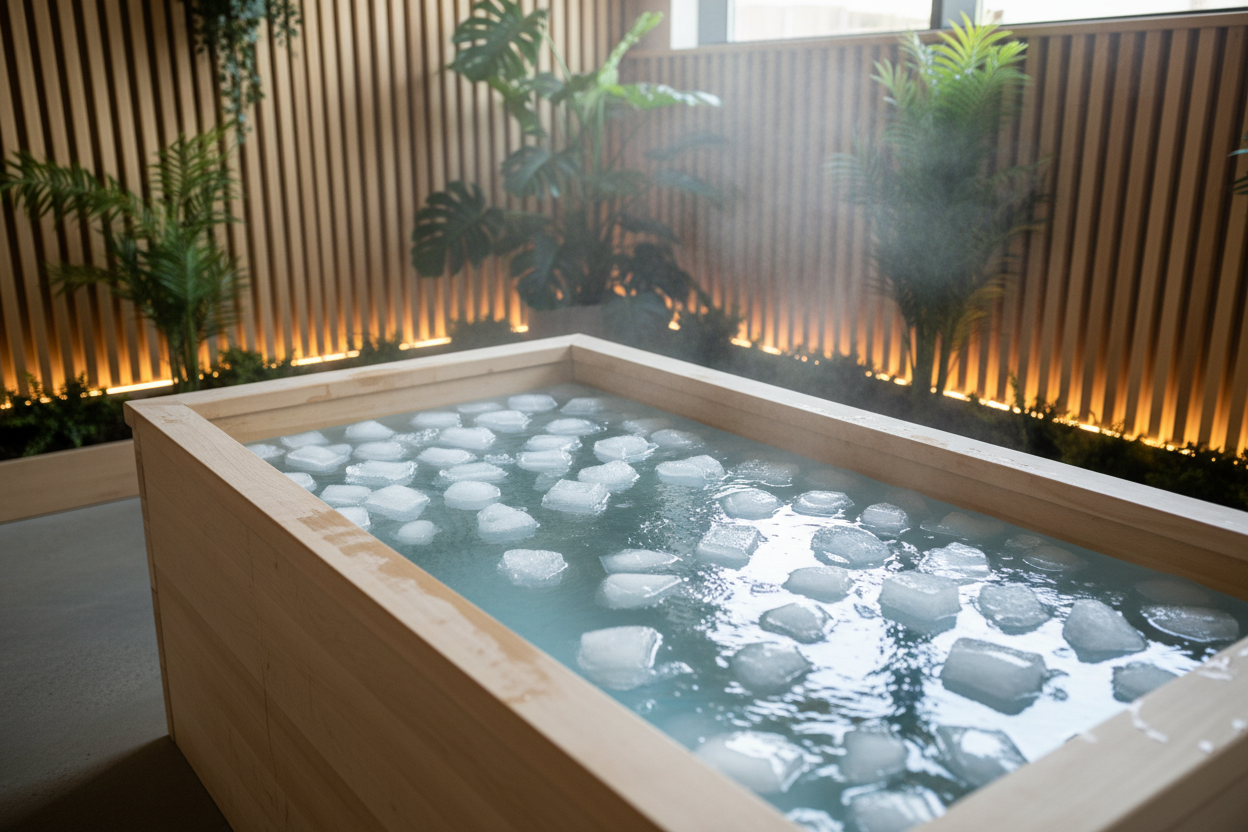
Cold exposure is often used to support inflammation management and stress resilience, making it a common pairing with HBOT in recovery stacks.
👉 Cold Plunge Protocols: Beginner to Advanced
HBOT + Infrared Therapy
Infrared therapy is commonly used for circulation support and relaxation routines, making it another complementary tool in recovery stacks.
👉 The Science of Infrared Therapy
Final Thoughts: Oxygen as a Recovery Multiplier
HBOT supports recovery by improving oxygen availability under pressure — a mechanism that complements many wellness routines. Whether your focus is athletic recovery, cognitive performance support, or longevity optimization, the long-term value typically comes down to proper use, safe setup, and consistency.
This article is educational and not medical advice. If you have a medical condition, consult a qualified healthcare professional before starting HBOT or any recovery protocol.