Article: Unlocking Red Light Therapy: Wavelength Science and Buying Guide
Unlocking Red Light Therapy: Wavelength Science and Buying Guide
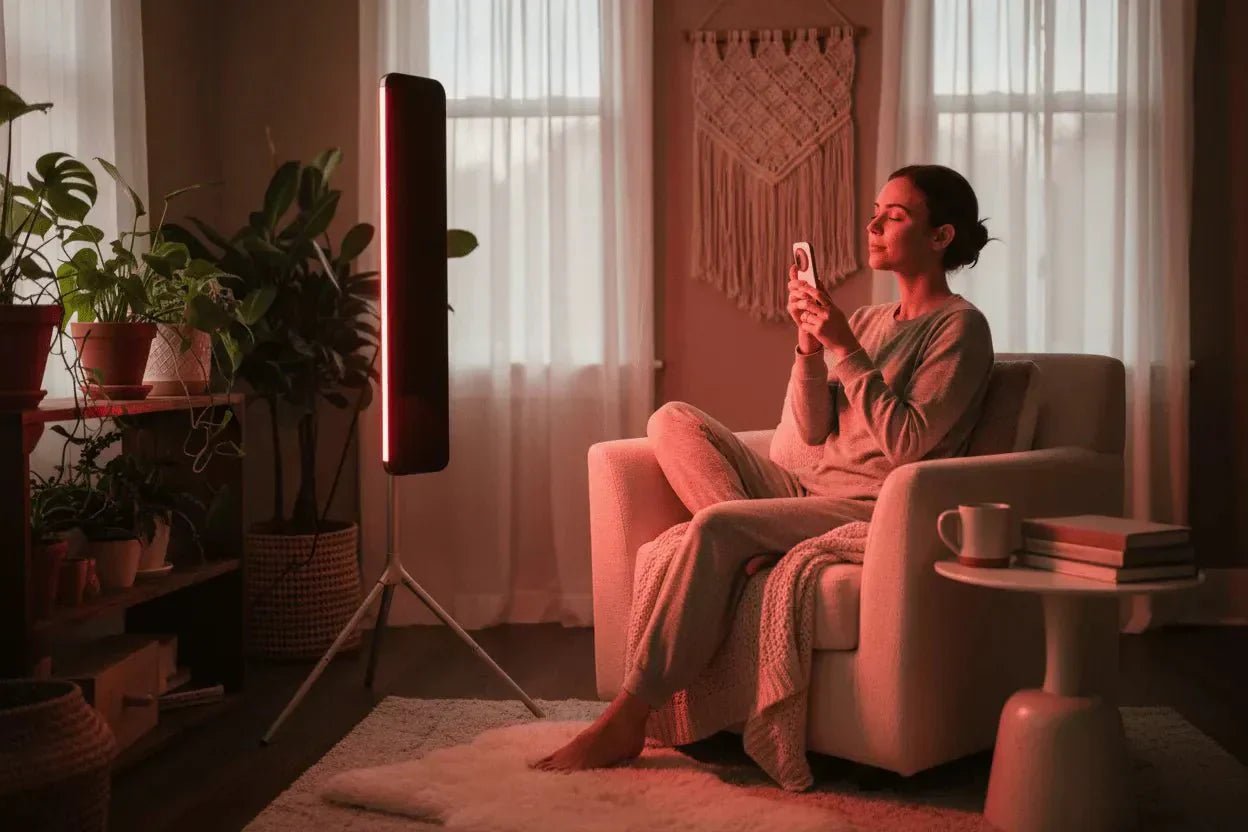
Red light therapy has become one of the most popular wellness technologies for people focused on recovery, skin appearance, performance, and healthy lifestyle routines. From wellness clinics and fitness centers to home wellness spaces, red and near-infrared light systems are increasingly being incorporated into daily recovery habits.
Understanding how different wavelengths work—and how to select the right device—can help you build a more effective wellness routine while avoiding marketing hype and unrealistic expectations.
This guide explains wavelength science, common wellness applications, device categories, and key buying considerations.
What Is Red Light Therapy?
Red light therapy uses specific wavelengths of visible red light and near-infrared light. These wavelengths are commonly used in wellness, recovery, and appearance-focused routines because they can interact with tissues at different depths.
Unlike heat-based technologies such as infrared saunas, red light therapy is generally considered a non-thermal wellness modality.
Many users include red light sessions as part of routines focused on:
- Skin appearance support
- Recovery-focused wellness habits
- Active lifestyle routines
- General wellness consistency
- Relaxation and self-care practices
Understanding Wavelengths
The effectiveness of a red light system often depends on the wavelengths being used.
Red Light (Typically 630–660nm)
Visible red wavelengths are commonly used in routines focused on skin appearance and surface-level wellness applications.
Many users select red wavelengths for:
- Skin-focused wellness routines
- Appearance-support habits
- Surface-level light exposure
- Cosmetic wellness applications
Near-Infrared Light (Typically 810–880nm)
Near-infrared light is invisible to the human eye and is commonly included in wellness systems designed to provide broader tissue exposure.
Near-infrared wavelengths are often used in routines focused on:
- Post-exercise recovery habits
- Active lifestyle support
- Full-body wellness routines
- Recovery-focused sessions
Many premium systems combine both red and near-infrared wavelengths to create a more versatile user experience.
Why Wavelength Selection Matters
Not all red light devices are built the same. Two panels may look similar while using very different wavelength combinations and power outputs.
When comparing systems, pay attention to:
- Wavelength ranges offered
- Number of LEDs
- Treatment area coverage
- Session flexibility
- Build quality
- Safety certifications
The goal is not simply finding the most powerful device but finding a system that fits your intended routine and usage patterns.
Common Wellness Applications
Skin Appearance Routines
Many users incorporate red light sessions into skincare and appearance-focused wellness habits.
These routines are commonly paired with:
- Hydration
- Healthy lifestyle habits
- Consistent skincare routines
- Daily wellness practices
Recovery-Focused Wellness
Athletes and active individuals frequently include red light sessions as part of broader recovery routines.
Red light therapy is often combined with:
- Stretching
- Mobility work
- Cold plunges
- Infrared sauna sessions
- Compression therapy
Daily Wellness Habits
Many users simply enjoy the convenience of adding a structured wellness session to their daily routine.
Consistency is often considered more important than occasional extended sessions.
Choosing the Right Device
Red Light Therapy Panels
Panels are among the most versatile options because they can support both targeted and larger-area sessions.
Red Light Therapy Beds and Pods
Beds and pods are designed for users seeking broader full-body coverage in a single session.
Red Light Masks
Masks are commonly selected for facial wellness and appearance-focused routines.
Belts and Wraps
Belts and wraps offer portable, flexible options for targeted wellness sessions.
Red Light Therapy vs. Infrared Sauna
Although often discussed together, red light therapy and infrared sauna systems work differently.
| Feature | Red Light Therapy | Infrared Sauna |
|---|---|---|
| Primary Method | Light Exposure | Radiant Heat |
| Typical Session | 10–20 Minutes | 20–45 Minutes |
| User Experience | Minimal Heat | Warm Environment |
| Common Use | Recovery & Appearance Routines | Relaxation & Heat-Based Wellness |
Explore Infrared Sauna Systems
Building a Complete Wellness Stack
Many users combine red light therapy with other wellness technologies.
Related reading:
The Ultimate Longevity Stack Explained
Frequently Asked Questions
How long should a red light therapy session last?
Session duration varies by device and manufacturer guidance. Many users follow sessions ranging from 10–20 minutes.
Can red light therapy be used daily?
Many devices are designed for regular use. Always follow manufacturer recommendations.
What wavelengths should I look for?
Many users seek systems that combine visible red wavelengths and near-infrared wavelengths for greater flexibility.
Should I choose a panel, mask, or bed?
The best option depends on your goals, available space, treatment area, and budget.
Can red light therapy be combined with other wellness technologies?
Yes. Many users combine red light therapy with infrared saunas, cold plunges, compression therapy, and hyperbaric chambers.
References
- American Academy of Dermatology: Is Red Light Therapy Right for Your Skin?
- Stanford Medicine: Red Light Therapy — What the Science Says
- NIH / PMC: Unlocking the Power of Light on the Skin
- NIH / PMC: Controlled Trial of Red and Near-Infrared Light
Final Thoughts
Red light therapy continues to grow because it is easy to incorporate into daily wellness routines and can be paired with many other recovery-focused technologies.
The key to success is choosing the right device, understanding wavelength differences, and building a consistent routine that supports your broader wellness goals.
Whether you select a panel, mask, wrap, or full-body system, consistency and realistic expectations remain the foundation of long-term success.
Educational content only. This article is not medical advice and does not diagnose, treat, cure, or prevent any disease.
Written by Karen Ripley