Red Light Therapy: Unpacking the Science, Benefits, Wavelengths, and Device Selection
Introduction: Red Light Therapy and Modern Wellness
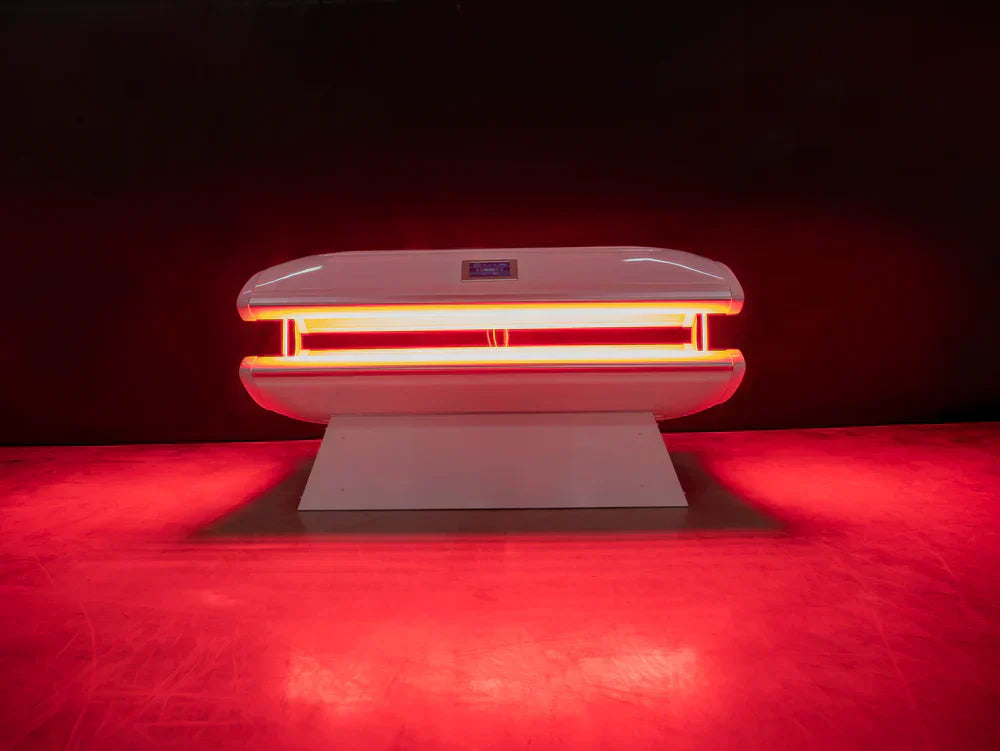
Red Light Therapy (RLT) has evolved from a clinical modality into one of the most widely used wellness technologies worldwide. Grounded in research around photobiomodulation (PBM), red and near-infrared light therapy is commonly used to support skin health, recovery routines, circulation, and cellular energy processes.
As consumer adoption grows, understanding how red light therapy works — and how to choose the right device — is essential. This guide explains the science, wavelengths, benefits, and device options so you can make informed decisions.
What Is Red Light Therapy?
Red Light Therapy is a form of low-level light therapy (LLLT) that uses specific wavelengths of red and near-infrared light to influence cellular activity. Unlike heat-based treatments, RLT is non-thermal and non-invasive.
Instead of damaging tissue, light energy is absorbed by cells and converted into biological signals that support repair and recovery processes.
Prefer the fundamentals first?
👉 Unlocking Red Light Therapy: The Science & Benefits Guide
The Science Behind Red Light Therapy
Photobiomodulation (PBM)
The foundation of RLT is photobiomodulation — where light interacts with cellular components known as chromophores to influence biological activity.
Mitochondria & Cellular Energy
Red and near-infrared light interact with mitochondria, which are responsible for ATP production — the energy currency that supports tissue repair and metabolic function.
Hormesis & Cellular Signaling
At appropriate doses, light exposure may stimulate adaptive cellular responses that support resilience and antioxidant activity.
Understanding Wavelengths
Red Light (630–660 nm)
- Skin-level support
- Collagen and appearance routines
- Surface tissue recovery
Near-Infrared (810–880 nm)
- Deeper tissue penetration
- Muscle and joint recovery routines
- Circulation support
The Common Therapeutic Range
Many devices operate between 630–850 nm to balance surface and deep-tissue coverage.
Benefits of Red Light Therapy
Skin & Appearance Support
RLT is commonly used to support collagen production, circulation, and skin appearance.
👉 Panel vs Belt vs Mask Comparison
Recovery & Inflammation Support
Near-infrared wavelengths are frequently used in muscle and joint recovery routines.
Performance & Training Support
Athletes often include RLT before and after workouts to support recovery consistency.
Hair & Scalp Wellness
Specific wavelengths have been studied for scalp and follicle support.
Tissue Repair Support
By supporting cellular energy production and circulation, RLT may assist natural repair processes.
Choosing the Right Device
Key Considerations
- Wavelength coverage
- Output (irradiance)
- Treatment area
- Safety certifications
- Build quality
Device Types
At-Home vs Professional Treatments
Professional sessions may provide higher output, but consistent at-home use often plays a larger role in long-term routines.
👉 The Ultimate Longevity Stack
Integrating Red Light Into a Wellness System
Final Thoughts
Red Light Therapy is one of the most accessible wellness technologies available today. With appropriate wavelengths, quality devices, and consistent use, it can support skin routines, recovery, and overall wellness strategies.
%20has%20evolved%20from%20a%20clinical%20modality%20into%20one%20of%20the%20most%20widely%20used%20wellness%20technologies%20worldwide.%20Grounded%20in%20resear...)