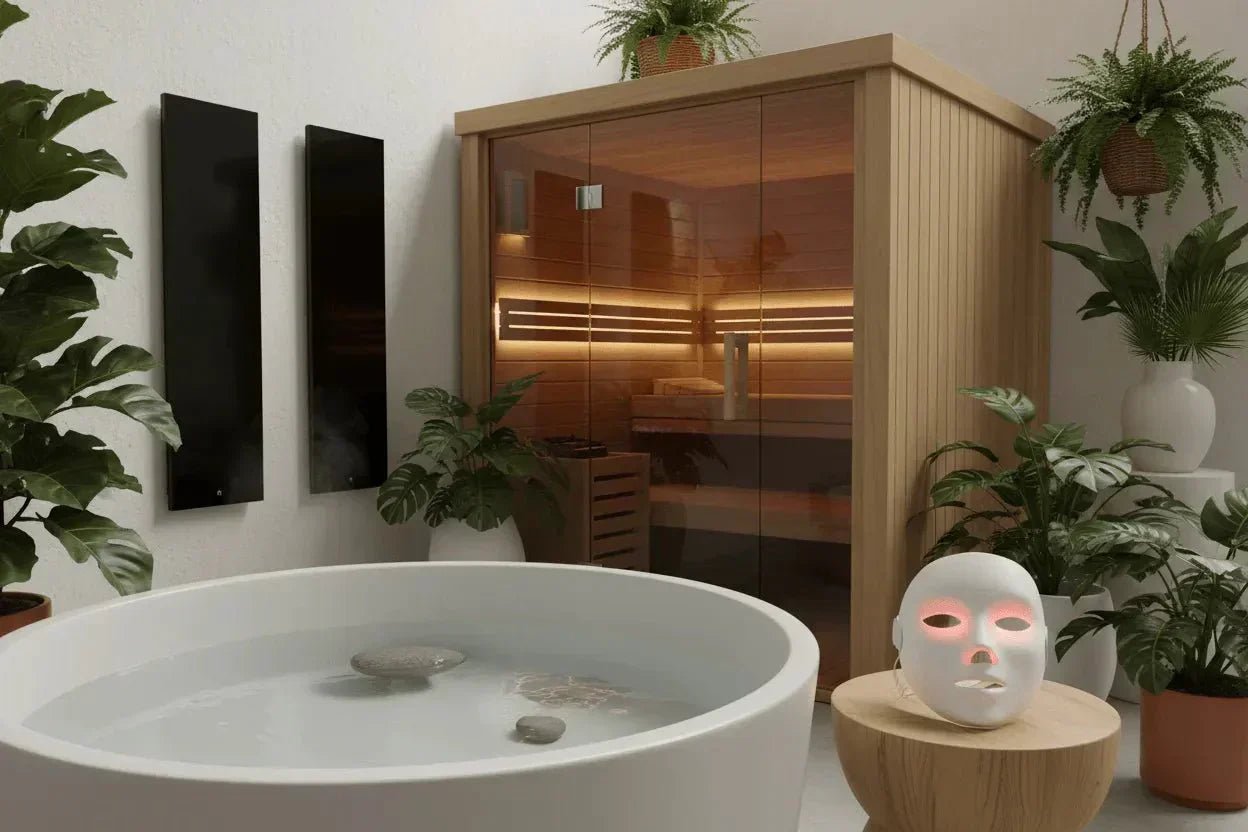
Unlocking the Longevity Equation: How Modern Wellness Tech Supports Healthspan
Introduction: Healthspan Starts With Daily Habits
Long-term wellness is not built through a single product, protocol, or shortcut. It is shaped by the habits we repeat every day—how we move, recover, rest, and care for ourselves over time.
Today, wellness-focused individuals are increasingly using technologies such as red light therapy, infrared saunas, cold plunges, cryotherapy, and hyperbaric oxygen chambers as part of broader recovery and wellness routines. These tools are designed to complement foundational lifestyle habits and help create more structured, consistent approaches to recovery and well-being.
This guide explores how modern wellness technologies fit into a healthspan-focused lifestyle and why many people include them as part of long-term wellness routines.
Related Reading:
The Ultimate Longevity Stack Explained: Infrared, Cryotherapy, HBOT & Red Light Therapy
What Is Healthspan?
While lifespan measures how many years a person lives, healthspan focuses on the quality of those years. The goal is to remain active, capable, resilient, and engaged throughout life.
Healthspan-oriented lifestyles typically emphasize:
- Consistent physical activity
- Quality sleep and recovery
- Healthy nutrition and hydration habits
- Stress-management practices
- Long-term wellness routines
- Preventive self-care habits
Modern wellness technologies are often incorporated into these routines as supportive tools rather than replacements for healthy lifestyle fundamentals.
How Modern Wellness Technologies Fit Into a Healthspan Routine
Many wellness technologies are used because they help create dedicated time and space for recovery, relaxation, and consistency. Each modality offers a different experience and may support different wellness goals.
1. Red Light Therapy: Light-Based Wellness and Recovery Routines
Red light therapy is commonly used in wellness routines focused on recovery, relaxation, skin appearance, and consistency.
Many users incorporate red light therapy for:
- Recovery-focused wellness routines
- Skin appearance and self-care practices
- Post-workout recovery habits
- Relaxation-focused routines
Learn More:
Unlocking Red Light Therapy: Science & Buying Guide
Explore Red Light Therapy Panels
2. Cold Exposure & Cryotherapy: Recovery and Resilience Habits
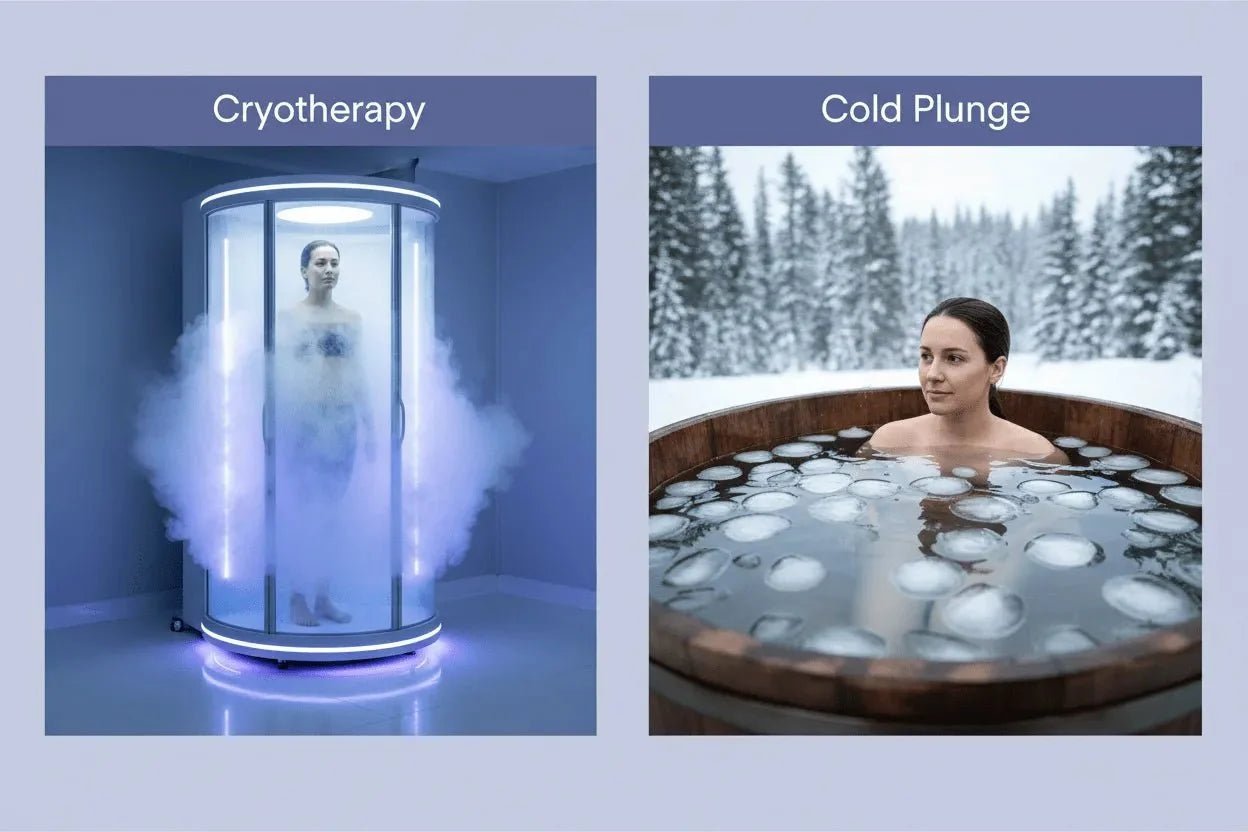
Cold exposure practices such as cold plunges and cryotherapy have become increasingly popular among athletes, wellness enthusiasts, and recovery-focused individuals.
Cold exposure is commonly incorporated into routines centered around:
- Post-exercise recovery habits
- Refreshment and alertness
- Structured wellness challenges
- Consistency-focused resilience practices
Learn More:
Cold Plunge Protocols: Beginner to Advanced
3. Hyperbaric Oxygen Therapy: Structured Recovery Sessions
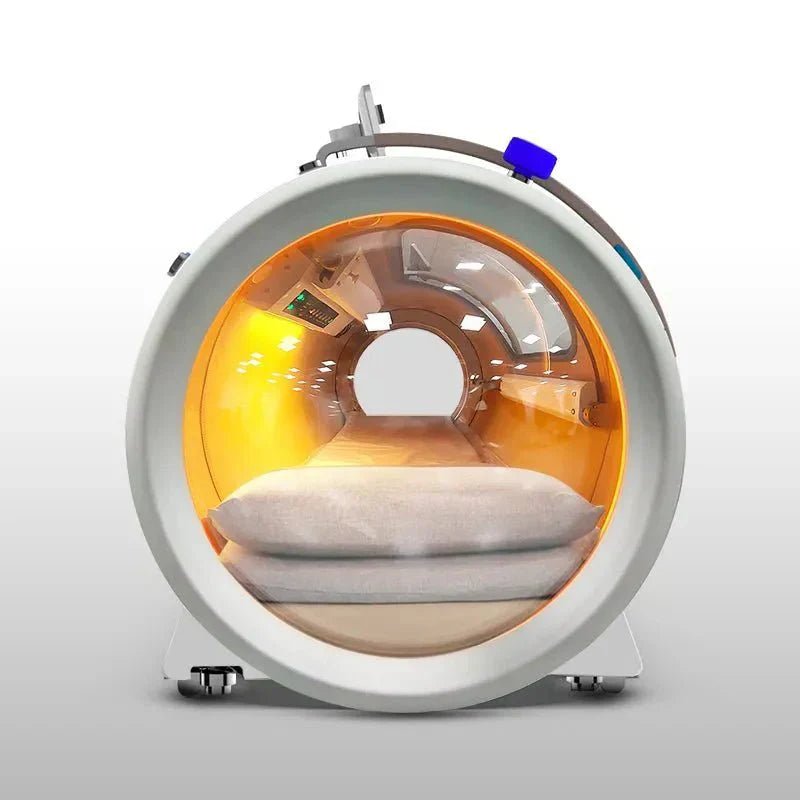
Hyperbaric oxygen therapy (HBOT) is often included in advanced wellness and recovery routines. Many users view HBOT sessions as dedicated recovery time that complements other wellness practices.
Common reasons people explore HBOT include:
- Structured recovery sessions
- Dedicated relaxation time
- Wellness-focused lifestyle routines
- Layering multiple recovery modalities together
Learn More:
Hyperbaric Oxygen Therapy Explained
4. Infrared Therapy: Heat-Based Recovery and Relaxation
Infrared saunas are commonly used for warmth, comfort, relaxation, and recovery-focused routines. Many users enjoy infrared sessions as part of evening wellness rituals or after physical activity.
Common infrared sauna routine goals include:
- Relaxation and comfort
- Heat-based recovery habits
- Evening wellness routines
- Consistency-focused self-care practices
Learn More:
The Science of Infrared Therapy
Building a Wellness Stack
Many wellness enthusiasts combine multiple modalities into a broader routine often referred to as a wellness stack.
A typical wellness stack may include:
- Red Light Therapy for light-based wellness routines
- Cold Exposure for resilience and refreshment practices
- Infrared Sauna Sessions for warmth and relaxation
- HBOT Sessions for structured recovery time
The goal is not to rely on a single technology but to create consistent wellness habits that fit individual lifestyles and preferences.
Creating a Healthspan-Focused Lifestyle
Technology works best when combined with foundational wellness practices:
- Regular movement and exercise
- Quality sleep routines
- Balanced nutrition
- Hydration
- Stress-management practices
- Consistent recovery habits
Many users find that wellness technologies help make recovery a scheduled, intentional part of their routine rather than something left to chance.
Explore Wellness Technologies
Frequently Asked Questions
What is healthspan?
Healthspan refers to the years of life spent feeling active, capable, and engaged. It focuses on quality of life and long-term wellness habits.
Can wellness technology support a healthspan-focused lifestyle?
Many people use wellness technologies as part of broader routines that include exercise, recovery, sleep, nutrition, and self-care practices.
Do I need multiple wellness technologies?
No. Many individuals begin with one modality and expand gradually based on their goals, space, budget, and interests.
Can wellness technologies replace healthy lifestyle habits?
No. Sleep, exercise, nutrition, hydration, and consistency remain the foundation of long-term wellness.
How often should wellness technologies be used?
Usage varies depending on the modality, manufacturer recommendations, and personal preferences. Always follow product guidelines and professional recommendations when appropriate.
References
- National Institute on Aging: Healthy Aging
- CDC: Healthy Aging Overview
- Harvard Health: Healthy Aging and Longevity
- World Health Organization: Ageing and Health
Final Thoughts: Healthspan Is Built Through Consistency
Long-term wellness is rarely the result of one decision. Instead, it comes from the habits, routines, and practices repeated over time.
Whether you begin with red light therapy, an infrared sauna, a cold plunge, or a hyperbaric chamber, the most important step is building consistency.
Your future wellness routine is shaped by the choices you make today.
Educational content only. This article is not medical advice and does not diagnose, treat, cure, or prevent any disease.
Written by Karen Ripley