
Hyperbaric Oxygen Therapy Explained: Understanding HBOT and Recovery Support
Introduction: Understanding Oxygen-Focused Wellness
Hyperbaric Oxygen Therapy, commonly called HBOT, is an oxygen-focused wellness technology that uses a pressurized chamber environment. Once associated mainly with clinical and professional settings, HBOT is now also discussed in wellness, recovery, and performance routines.
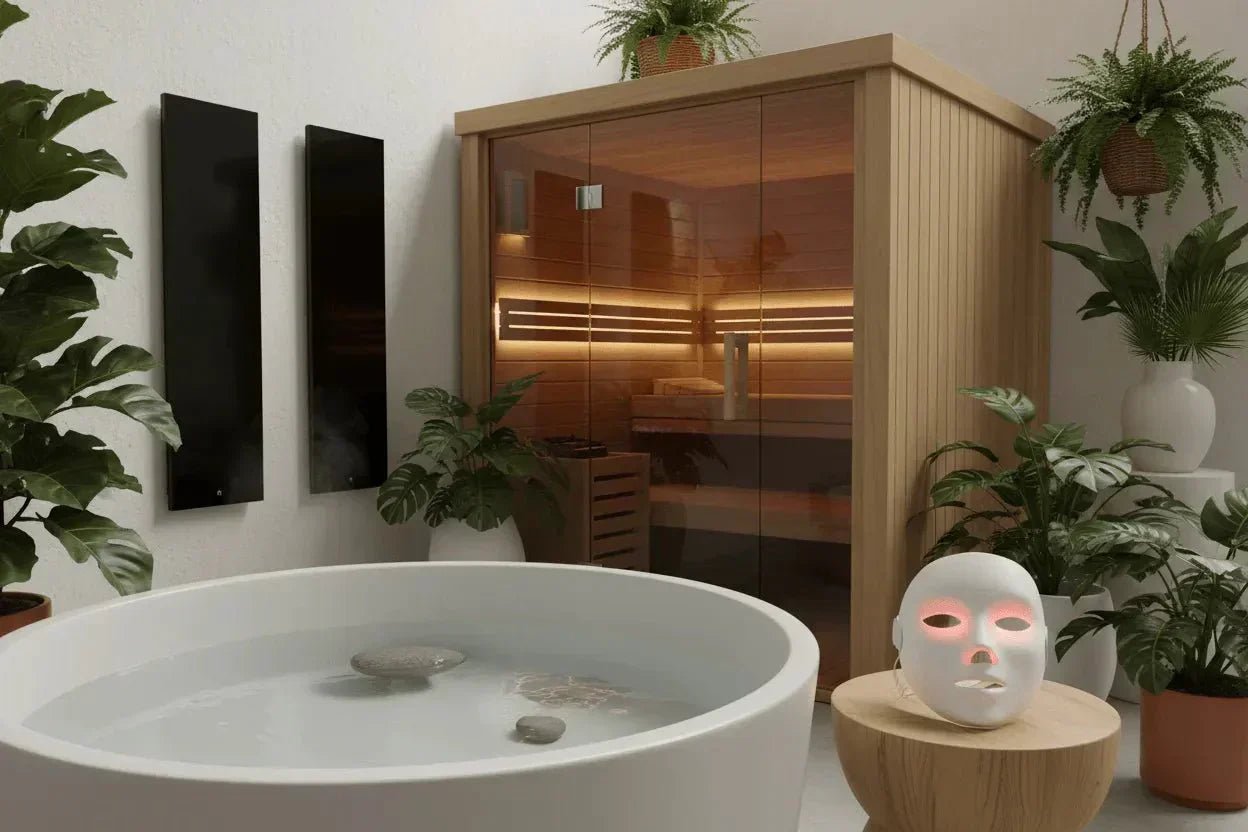
Today, athletes, wellness enthusiasts, and recovery-focused individuals often explore HBOT as part of a broader routine that may include red light therapy, cold exposure, infrared sauna sessions, sleep, hydration, movement, and nutrition.
This guide explains what HBOT is, how hyperbaric chambers work, what to consider before choosing a chamber, and how HBOT may fit into a responsible recovery-focused wellness routine.
Educational content only. This article is not medical advice. Hyperbaric products for wellness use are not intended to diagnose, treat, cure, or prevent any disease. Consult a qualified healthcare professional before beginning HBOT, especially if you have a medical condition, are pregnant, or have cardiovascular, pulmonary, ear, sinus, or oxygen-related concerns.
What Is Hyperbaric Oxygen Therapy?
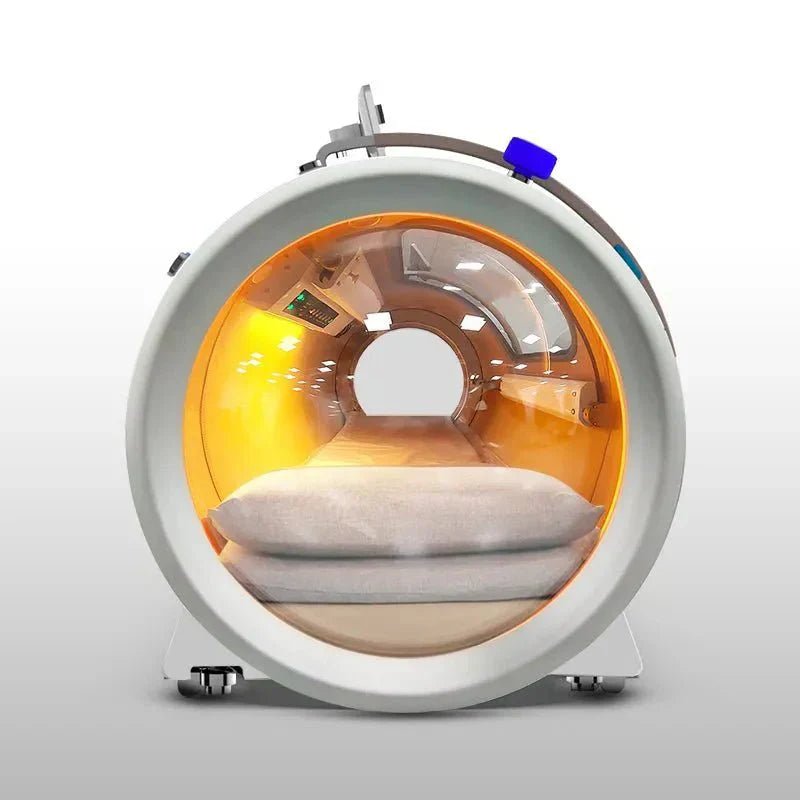
Hyperbaric Oxygen Therapy involves spending time inside a pressurized chamber while breathing oxygen in a controlled environment. The chamber increases atmospheric pressure, creating an oxygen-focused wellness experience that differs from ordinary room-air breathing.
In medical settings, HBOT is used under professional supervision for specific approved conditions. In wellness settings, mild hyperbaric chambers are commonly explored as part of structured recovery routines, relaxation sessions, and long-term wellness planning.
For broader wellness context, see:
The Ultimate Longevity Stack Explained: Infrared, Cryotherapy, HBOT & Red Light Therapy
How HBOT Fits Into Recovery-Focused Wellness Routines
HBOT is commonly discussed as part of routines focused on rest, recovery, and consistency. Rather than viewing it as a stand-alone solution, many users include hyperbaric sessions alongside other healthy habits and wellness technologies.
Common HBOT wellness goals may include:
- Structured recovery sessions
- Relaxation and dedicated downtime
- Oxygen-focused wellness routines
- Long-term recovery planning
- Layering HBOT with other wellness tools
Like any wellness technology, the best results usually come from consistency, responsible use, and realistic expectations.
HBOT and Other Recovery Technologies
HBOT is often used as part of a broader recovery stack alongside other wellness technologies. Each modality offers a different experience and can support a more complete routine.
HBOT and Red Light Therapy
Red light therapy is commonly used in light-based wellness routines focused on skin appearance, comfort, and recovery habits. Some users pair red light therapy with HBOT as part of a broader home or professional recovery setup.
Learn more:
Unlocking Red Light Therapy: Benefits & Buying Guide
HBOT and Cold Exposure
Cold exposure, including cold plunges and cryotherapy, is often used for refreshment, resilience routines, and post-activity recovery habits. Many wellness-focused users build schedules that include both cold exposure and oxygen-focused recovery sessions.
Related guide:
Cold Plunge Protocols: Beginner to Advanced
HBOT and Infrared Therapy
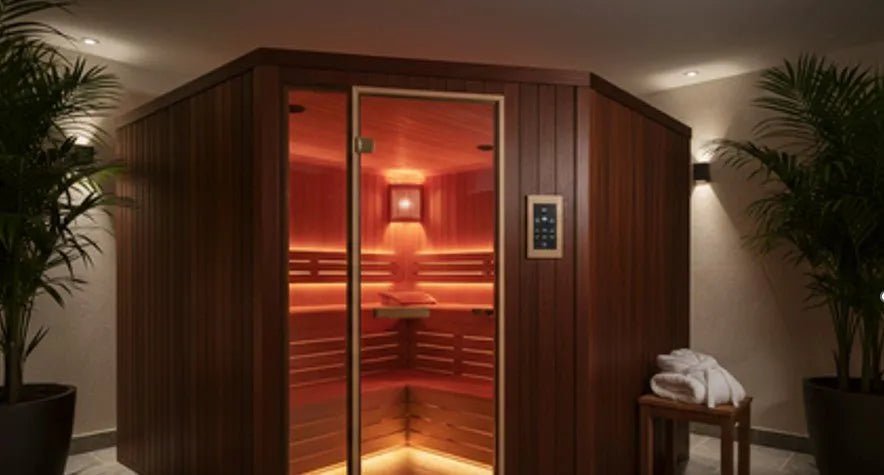
Infrared sauna sessions are commonly used for warmth, relaxation, and recovery-focused routines. Some users combine infrared heat and HBOT as part of a broader wellness strategy that includes both relaxation and oxygen-focused sessions.
Deep dive:
The Science of Infrared Therapy in 2025
Types of Hyperbaric Chambers: What to Know Before Buying
Hyperbaric chambers vary by design, pressure capability, size, comfort level, oxygen delivery method, intended setting, and installation requirements. The right choice depends on whether the chamber is being used in a home wellness space, clinic, athletic facility, or professional recovery environment.
Soft-Shell Chambers
- Often selected for home wellness routines
- Generally more portable than hard-shell models
- Commonly chosen by users looking for a lower-footprint setup
- Typically associated with mild hyperbaric wellness use
Hard-Shell Chambers
- Often used in professional or clinical environments
- Typically more rigid and durable in construction
- May support higher-pressure configurations depending on model
- Commonly selected for frequent or high-throughput settings
Comparison guide:
Hard vs. Soft Shell Hyperbaric Chambers: Buyer’s Guide
Who May Explore HBOT?
HBOT is commonly explored by people interested in recovery-focused wellness routines, professional wellness services, and advanced home recovery spaces.
Common users may include:
- Athletes and active individuals
- Wellness-focused consumers building a home recovery room
- Professionals interested in dedicated recovery time
- Clinics and recovery centers adding premium wellness services
- Individuals combining multiple recovery modalities
Important: HBOT is not appropriate for everyone. Always consult a qualified healthcare professional before beginning HBOT if you have medical concerns or are unsure whether hyperbaric use is appropriate for you.
Build a Home or Professional HBOT Setup
Modern wellness technology has made hyperbaric chambers more accessible for home and professional environments. Before purchasing, consider the intended setting, chamber dimensions, pressure range, power requirements, accessories, warranty, service support, and user comfort.
Explore related wellness categories:
Frequently Asked Questions
What is HBOT?
Hyperbaric Oxygen Therapy, or HBOT, involves spending time inside a pressurized chamber while breathing oxygen in a controlled environment.
Can HBOT be used at home?
Some mild hyperbaric systems are designed for home wellness use. Users should follow all manufacturer instructions and seek professional guidance when appropriate.
What is the difference between soft-shell and hard-shell chambers?
Soft-shell chambers are commonly used for home wellness routines, while hard-shell chambers are often found in clinical or professional environments and may support higher-pressure configurations depending on the model.
How long is a typical HBOT session?
Session length varies by chamber type, protocol, pressure setting, and user comfort. Always follow the manufacturer’s recommendations.
Can HBOT be combined with other wellness technologies?
Many wellness-focused individuals combine HBOT with red light therapy, infrared sauna sessions, cold exposure, compression, and other recovery-focused practices.
Is HBOT right for everyone?
No. HBOT may not be appropriate for individuals with certain medical conditions. Consult a qualified healthcare professional before use.
References
- FDA: Follow Instructions for Safe Use of Hyperbaric Oxygen Therapy Devices
- Cleveland Clinic: Hyperbaric Oxygen Therapy
- Mayo Clinic: Hyperbaric Oxygen Therapy
- NIH: Hyperbaric Oxygen Therapy Overview
Final Thoughts: HBOT as Part of a Recovery Routine
Hyperbaric Oxygen Therapy is a well-known oxygen-focused modality used in both professional and wellness settings. For wellness users, HBOT is best understood as one part of a broader recovery-focused routine rather than a stand-alone solution.
When used responsibly, HBOT may complement strong foundational habits such as sleep, hydration, movement, nutrition, and consistent recovery time. It can also be paired with other wellness technologies such as red light therapy, cold exposure, and infrared sauna sessions.
HBOT does not replace healthy habits, but it may support a more structured recovery and wellness routine.
Educational content only. This article is not medical advice and does not diagnose, treat, cure, or prevent any disease.
Written by Karen Ripley