

Cold Water Immersion & Science
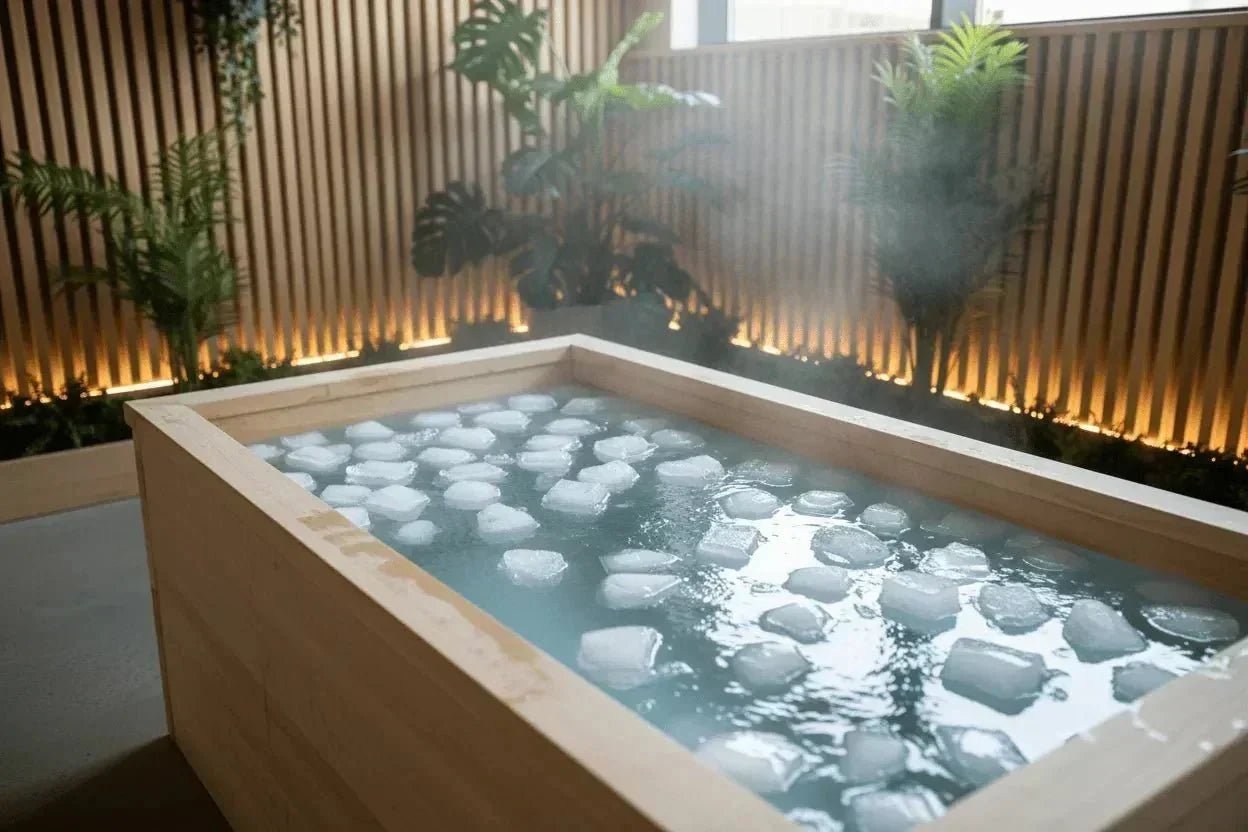
Cold water immersion (CWI) has evolved from an aggressive athletic ritual into one of the most effective tools in modern recovery, metabolic health, and autonomic nervous system regulation. However, achieving sustainable results depends entirely on how cold exposure is applied—duration, temperature, frequency, and timing relative to physical training dictating your physiological outcome.
Reviewed and updated: July 2026 | Reading time: Approximately 12 minutes
Quick Take: The 11-Minute Weekly Gold Standard
The scientific threshold for cold plunge benefits is 11 minutes total per week, split across 2 to 4 sessions at 50°F–55°F. Plunging triggers a 530% surge in norepinephrine and a 250% sustained boost in dopamine, driving focus and metabolic brown fat activation. To protect muscle gains, avoid cold exposure for 4 to 6 hours after heavy resistance training, reserving plunges for non-lifting days, morning mental clarity, or post-cardio recovery.
Physiological Foundation: Neurotransmitters & Thermal Physics
Water conducts thermal energy away from the human body approximately 24 times faster than air at the same temperature. This intense conductive cooling triggers immediate thermoregulatory adaptations:
- 530% Norepinephrine Surge: Clinical trials published in the European Journal of Applied Physiology demonstrate that immersion in 57°F water triggers a massive spike in blood plasma norepinephrine (up to 530%) and epinephrine (up to 180%), elevating mental alertness, reducing pain perception, and down-regulating systemic inflammation.
- 250% Sustained Dopamine Increase: Unlike nicotine or caffeine, which cause sharp dopamine spikes followed by severe crashes, cold exposure elevates baseline brain dopamine by 250% for several hours post-plunge, driving sustained focus and mood elevation.
- Brown Adipose Tissue (BAT) Activation: Repeated cold stress stimulates mitochondrial-dense brown fat, which burns glucose and lipids to generate internal heat (non-shivering thermogenesis), improving insulin sensitivity.
👉 For a deep dive on cold vs. air contrast, read Cold Plunge vs. Cold Shower: Unpacking the Real Health Benefits.
The Progressive Protocol Matrix (Beginner to Advanced)
Attempting extreme cold (under 40°F) without prior conditioning can over-stress the adrenal glands and trigger hyperventilation. Follow this progressive timeline:
| Stage & Experience | Water Temp Range | Session Duration | Weekly Frequency | Primary Adaptation Goal |
|---|---|---|---|---|
| Level 1: Beginner (Weeks 1–3) | 55°F – 60°F (13°C – 15°C) | 30 – 90 seconds | 2 – 3 sessions/wk | Squelch cold-shock response; establish calm nasal breathing. |
| Level 2: Intermediate (Weeks 4–8) | 48°F – 54°F (9°C – 12°C) | 2 – 3 minutes | 3 – 4 sessions/wk | Build metabolic resilience; active post-cardio recovery. |
| Level 3: Advanced (8+ Weeks) | 38°F – 45°F (3°C – 7°C) | 3 – 5 minutes (Max) | 3 – 4 sessions/wk | Maximal catecholamine release, stress conditioning, BAT thermogenesis. |
⚠️ The Law of Diminishing Returns
Extending sessions beyond 5 minutes in sub-45°F water provides zero additional neurological or metabolic benefit, while sharply increasing the risk of peripheral nerve numbness and hypothermia. Consistency and frequency beat duration every time.
Workout Timing: Protecting Muscle Hypertrophy vs. Cardio
Cold water immersion causes rapid vasoconstriction and reduces pro-inflammatory cytokines. While this is beneficial for joint soreness, it can interfere with strength training adaptations if improperly timed.
1. Resistance Training & Hypertrophy (The 4–6 Hour Rule)
Immersion in cold water immediately after weightlifting suppresses mTORC1 pathway signaling and blunts satellite cell activation, which are essential for muscle protein synthesis and muscle growth. Peer-reviewed literature indexed on PubMed (PMC) confirms that post-workout cold plunges reduce long-term muscle hypertrophy gains.
Solution: Wait at least 4 to 6 hours after lifting before plunging, or reserve cold exposure for rest days and non-lifting mornings.
2. Endurance & Conditioning Days
For cardiovascular training (running, cycling, HIIT), cold plunging post-workout reduces core body temperature, speeds up heart-rate recovery, and suppresses central nervous system fatigue without blunting aerobic adaptations.
Breathwork Mechanics: Suppressing the Cold-Shock Reflex
Initial entry into cold water triggers an involuntary sympathetic reaction: gasping, rapid shallow breathing, elevated heart rate, and peripheral vascular constriction. Mastering your breath transitions your body from a panic response into parasympathetic control.
The 4-4-4-4 Box Breathing Method
- Inhale (4 Seconds): Deep diaphragmatic nasal expansion prior to entry.
- Hold (4 Seconds): Step into the tub calmly while holding. Submerge up to your collarbones.
- Exhale (4 Seconds): Slow, controlled oral exhale through pursed lips, relaxing your neck and shoulder muscles.
- Hold (4 Seconds): Pause briefly before resuming calm nasal cycles throughout the remainder of the plunge.
👉 For full autonomic optimization, read Environmental Conditioning: The Science of Cold, Light, and Heat Routines.
Bio-Stacking: Pairing Cold with Sauna, RLT & HBOT
Combining cold water exposure with complementary recovery technology creates powerful compounding benefits:
1. The Nordic Contrast Stack (Infrared Sauna + Cold Plunge)
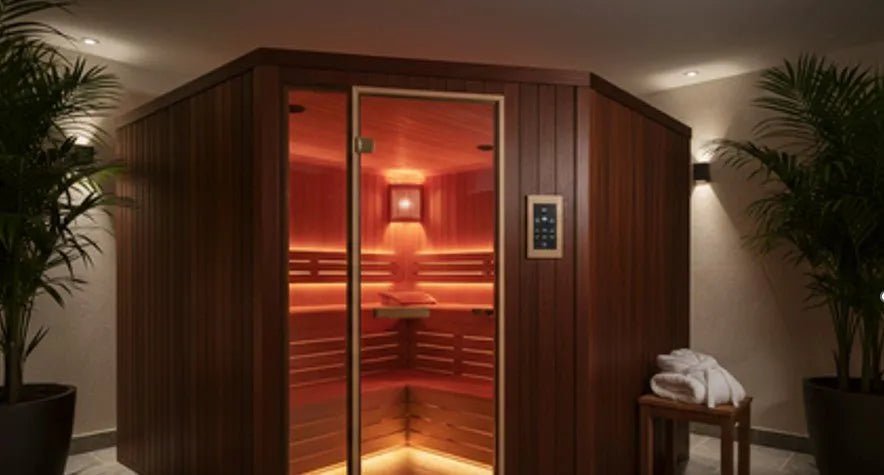
Perform 20 minutes in an infrared sauna (130°F–140°F) followed immediately by 2 minutes in a cold plunge (45°F–50°F). Repeat for 2 to 3 cycles, ending on cold to maximize thermal brown fat activation (the Søberg Principle).
👉 Explore sauna tech: Infrared Saunas Explained: Radiant Heat & Recovery.
2. Cold Plunge + Red Light Therapy
Utilizing a high-irradiance red light panel (660nm/850nm) immediately after cold exposure aids skin re-warming while light photon absorption drives mitochondrial ATP production in vasoconstricted tissues.
👉 Explore light science: Red Light Wavelength Science Guide.
3. Cold Plunge + Hyperbaric Oxygen (HBOT)
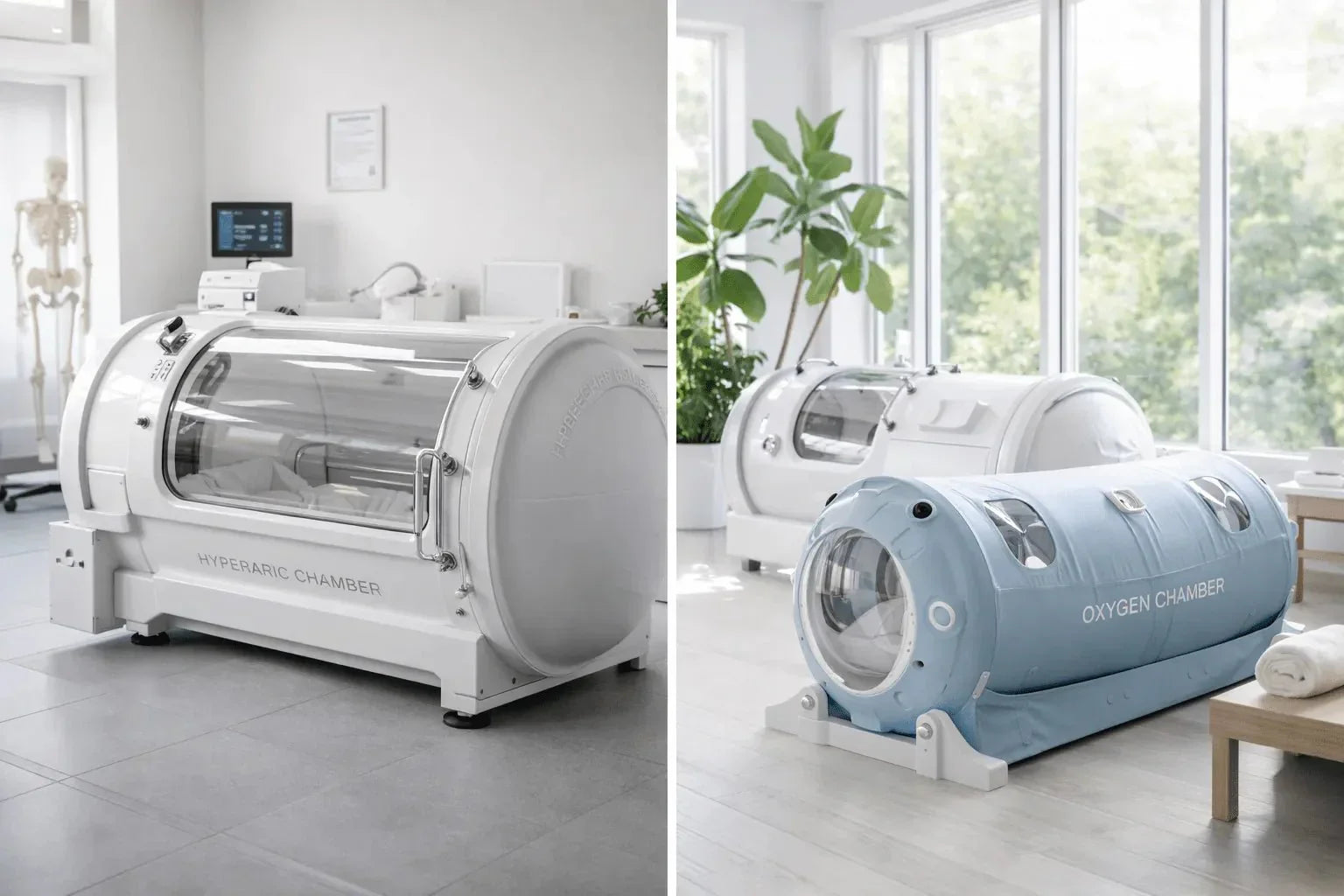
Following a cold plunge with mild hyperbaric oxygen therapy helps oxygenate tissues post-vasodilation. Read Hyperbaric Oxygen Therapy (HBOT) Explained.
Choosing Hardware: Stainless Steel Tubs & Fast-Cooling Chillers
Maintaining a consistent cold routine requires reliable equipment. Key hardware components to evaluate include:
- Chiller Horsepower (HP Rating): Standard 1/3 HP chillers work well indoors, while high-output 1.5 HP to 4 HP external chillers are essential for outdoor, hot-climate garage installations to maintain 39°F water.
- Sanitation Systems (Ozone vs. UV-C): Look for multi-stage filtration featuring 20-micron pleated sediment filters paired with continuous Ozone (O3) or UV-C disinfection to keep water crystal clear without harsh chemicals.
- Tub Material: Hygienic 304 stainless steel or acrylic interior shells prevent algae buildup and simplify routine cleaning compared to traditional wooden barrels.
👉 Browse full setups: Wellari Wellness Cold Plunge Tubs & Chillers Collection.
Planning Case Study: Executive vs. Endurance Athlete Protocol
Scenario A (Corporate Executive): Seeking morning cognitive alertness, stress resilience, and fat loss support with limited daily time.
Recommended Protocol: 3 sessions per week (Mon/Wed/Fri mornings upon waking). 3 minutes at 48°F. Followed by 10 minutes of light movement. Total weekly time: 9 minutes.
Scenario B (Marathon Runner / Hyrox Athlete): Managing high training volume, joint inflammation, and heavy cardiovascular fatigue.
Recommended Protocol: 4 sessions per week post-running. 4 minutes at 42°F using an insulated stainless steel cold tub equipped with a fast-cooling 1.5 HP chiller.
Frequently Asked Questions
How cold should my cold plunge water be?
For most users, 50°F to 55°F (10°C–13°C) provides full physiological benefits. Advanced users conditioned to cold shock can lower water temperatures to 38°F–45°F (3°C–7°C).
Is it better to cold plunge in the morning or at night?
Morning or mid-day plunging is optimal. The massive surge in norepinephrine and dopamine increases core body temperature post-plunge, driving wakefulness that can disrupt sleep if done within 2 hours of bedtime.
Does cold plunging burn body fat?
Yes, through non-shivering thermogenesis. Cold exposure stimulates brown adipose tissue (BAT), which burns calorie-dense white fat to generate internal body heat.
Should I shower immediately after a cold plunge?
To maximize metabolic benefits, avoid hot showers immediately after plunging. Allow your body to warm up naturally through shivering and physical movement (the Søberg Principle).
Ready to Build Your Home Cold Plunge Suite?
Explore Wellari Wellness's collection of all-weather chillers, stainless steel plunges, and contrast therapy systems.
Shop Cold Plunges & Chillers Explore Infrared SaunasResearch & Clinical Sources
- European Journal of Applied Physiology, "Human Physiological Responses to Immersion into Water of Different Temperatures: Catecholamines & Metabolic Impact."
- National Institutes of Health (PMC), "Post-exercise Cold Water Immersion Attenuates Acute Anabolic Signalling and Muscle Protein Synthesis."
- Cell Press / Huberman Lab, "Thermoregulatory Protocols, Brown Adipose Tissue Activation & Dopamine Baseline Shifts."
Wellari Wellness Editorial Note
Wellari Wellness provides educational guides on recovery technology and environmental conditioning. Cold plunge equipment is intended for general wellness support and should be undertaken cautiously. Consult a physician before beginning cold exposure if you have underlying cardiovascular conditions.
%20has%20evolved%20from%20an%20aggressive%20athletic%20ritual%20into%20one%20of%20the%20most%20effective%20tools%20in%20modern%20recovery,%20metabolic%20health,%20and%20autono...)