
The Ultimate Recovery Stack: Combining Cryotherapy and Compression for Performance
Introduction: Recovery Is a System, Not a Single Tool
Consistent performance is built not only through training but also through the habits that support recovery between workouts, competitions, travel, and demanding daily schedules.
Two of the most popular recovery technologies used by athletes, fitness enthusiasts, wellness centers, and performance facilities are cold-based recovery methods and compression therapy. When incorporated into a structured routine, these tools can help support comfort, mobility, and consistency in an active lifestyle.
This guide explains how cryotherapy-style cold exposure and compression therapy are commonly used, why many people combine them, and how they can fit into a broader recovery-focused wellness routine.
Related reading:
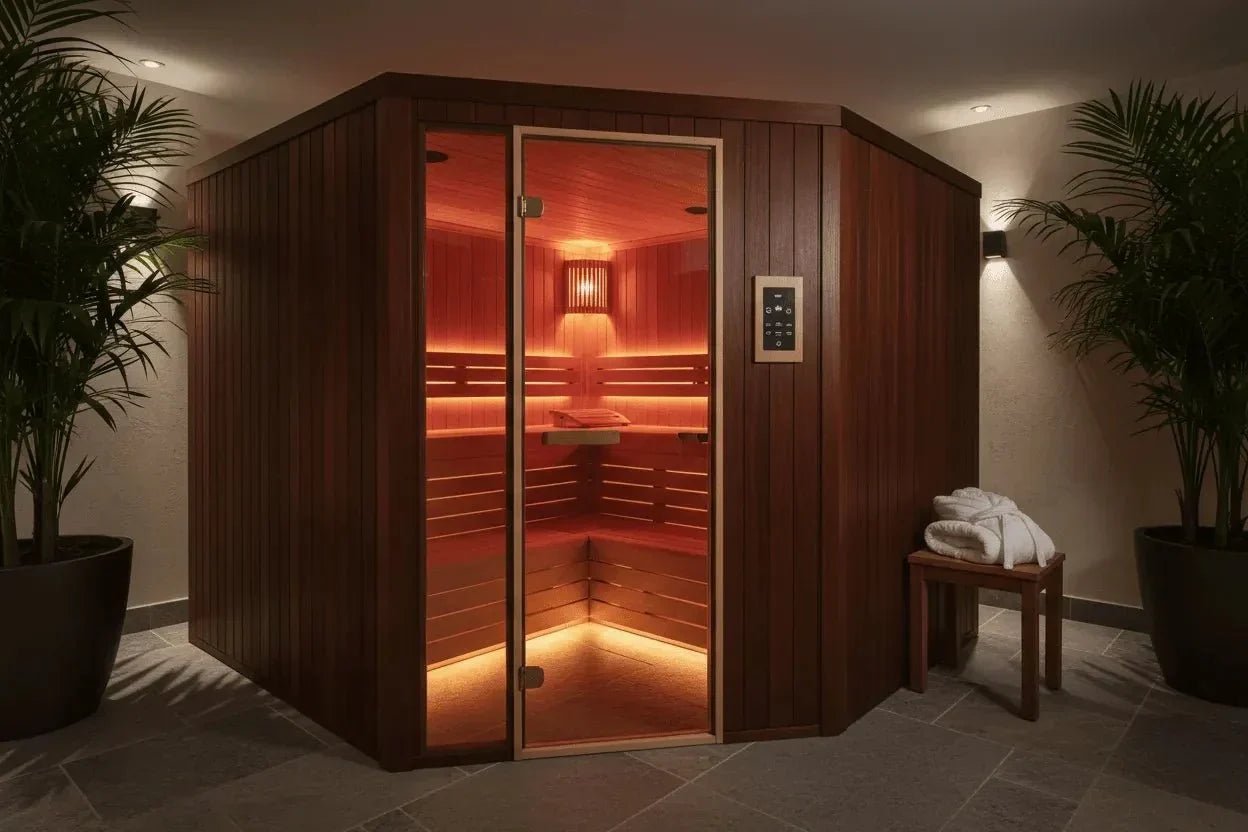
The Ultimate Longevity Stack Explained: Infrared, Cryotherapy, HBOT & Red Light Therapy
Why Recovery Matters
Training, travel, work, and daily life can place repeated demands on the body. Without dedicated recovery habits, it can be difficult to maintain mobility, comfort, and consistency over time.
Many active individuals prioritize recovery routines to support:
- Post-activity comfort
- Mobility-focused habits
- Training consistency
- Relaxation and downtime
- Overall wellness routines
Recovery technologies are most effective when paired with quality sleep, hydration, nutrition, and consistent movement.
Cryotherapy: Cold Exposure and Recovery Routines
What Is Cryotherapy?
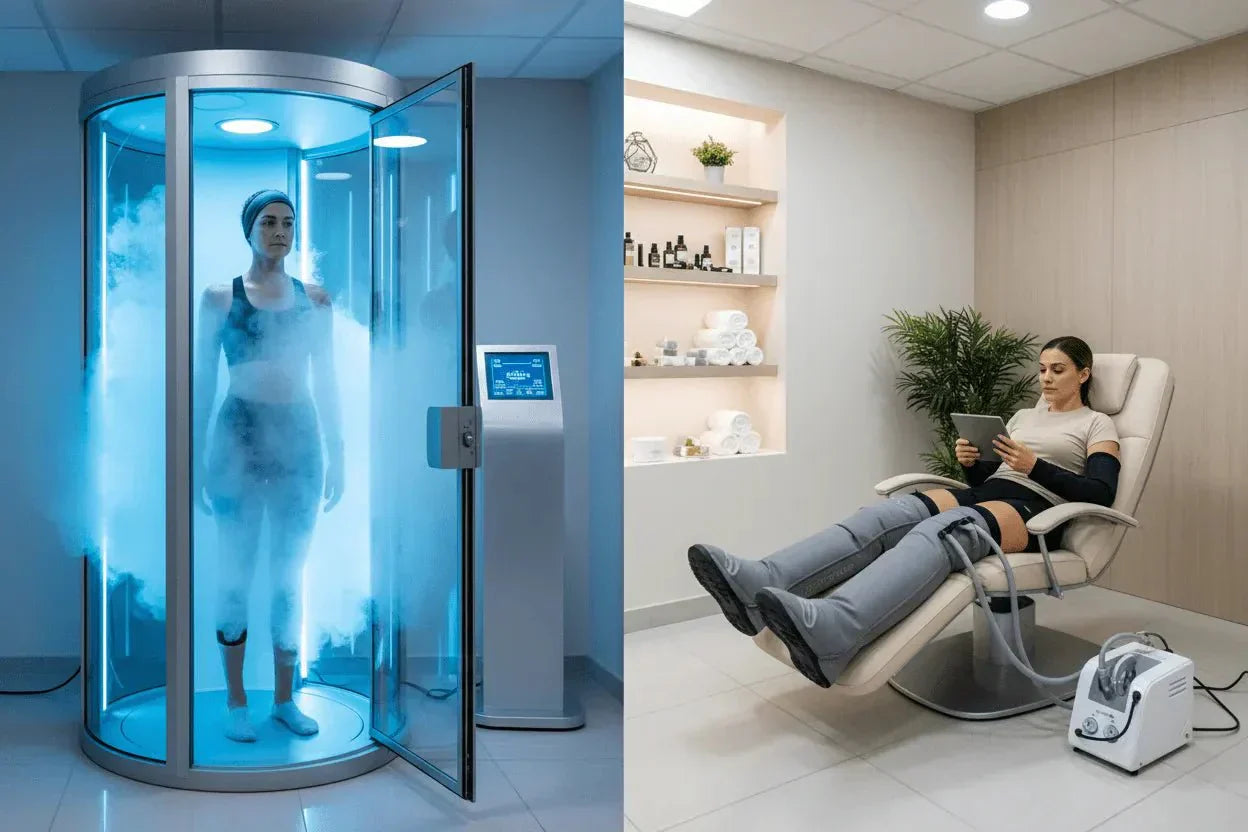
Cryotherapy refers to short periods of controlled cold exposure. This may include whole-body cryotherapy, localized cryotherapy, cold plunges, or cold-water immersion.
Many people use cold exposure as part of recovery-focused wellness routines because it provides a refreshing and invigorating experience following physical activity.
Cold exposure is commonly included in routines focused on:
- Post-workout recovery habits
- Refreshment and alertness
- Structured wellness challenges
- Active lifestyle support
Learn more:
Cryotherapy: Unlock Rapid Recovery and Longevity with Cold Exposure Science
Compression Therapy: Movement, Comfort, and Recovery Support
How Compression Therapy Works
Compression therapy systems use controlled pressure patterns through sleeves, boots, wraps, or targeted recovery devices.
Many users incorporate compression sessions after exercise, long workdays, or travel as part of a structured recovery routine.
Compression therapy is commonly used for:
- Post-activity recovery habits
- Leg and arm comfort routines
- Mobility-focused wellness practices
- Relaxation and downtime
Because compression sessions are passive and easy to use, they are often combined with stretching, hydration, and other recovery practices.
Why Many Athletes Combine Cold Exposure and Compression
Cold exposure and compression offer different recovery experiences that can complement one another.
Step 1: Cold Exposure
- Provides a refreshing recovery experience
- Supports post-activity recovery habits
- May help users feel energized and alert
Step 2: Compression Therapy
- Provides a relaxing pressure-based recovery session
- Supports comfort-focused routines
- Can be paired with stretching and hydration
Together, these tools help many users create a more consistent and structured recovery routine.
Who May Benefit from This Recovery Stack?
This combination may appeal to:
- Athletes and fitness enthusiasts
- Individuals with active lifestyles
- People who travel frequently
- Wellness-focused consumers
- Training facilities and recovery centers
Related guide:
Cold Plunge Protocols: Beginner to Advanced
Building a Complete Recovery Stack
Many people combine cold exposure and compression with other wellness technologies to create a broader recovery routine.
Cryotherapy + Compression + Red Light Therapy
- Cold exposure supports refreshing recovery routines
- Compression supports comfort-focused sessions
- Red light therapy supports light-based wellness habits
Unlocking Red Light Therapy: Science & Buying Guide
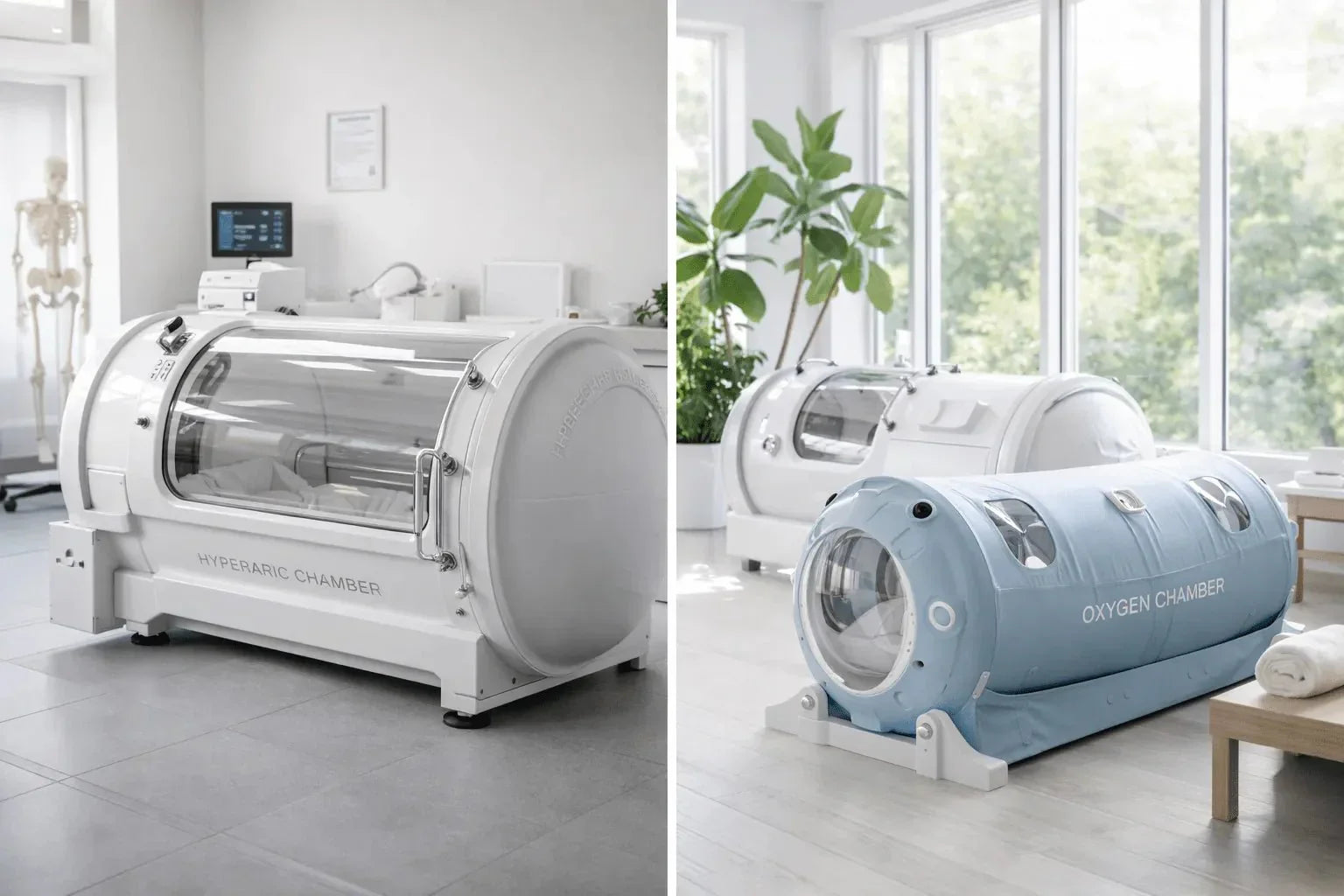
Cryotherapy + Compression + HBOT
- Cold exposure supports active recovery habits
- Compression supports recovery-focused routines
- HBOT may be included as an oxygen-focused wellness session
Hyperbaric Oxygen Therapy Explained: Understanding HBOT and Recovery Support
Cryotherapy + Compression + Infrared Therapy
- Cold exposure creates a brief recovery challenge
- Compression provides a passive recovery session
- Infrared therapy supports warmth and relaxation routines
The Science of Infrared Therapy
Featured Recovery Products
Compression Recovery
Localized Cryotherapy
Cryotherapy Equipment
Building Your Recovery Setup
Recovery technologies are increasingly being integrated into:
- Home gyms
- Wellness rooms
- Athletic training facilities
- Recovery suites
- Fitness centers
Explore recovery technologies:
Frequently Asked Questions
Why do athletes use cryotherapy and compression together?
Many athletes use cold exposure and compression as part of structured recovery routines following training, competition, and travel.
Should compression be used before or after cold exposure?
Many users prefer compression after cold exposure as part of a recovery-focused routine, although preferences vary.
Can these recovery methods be used at home?
Yes. Home cold plunges and compression systems are widely available for personal use.
Who may benefit from a recovery stack?
Active individuals, athletes, wellness enthusiasts, and fitness-focused users often incorporate recovery technologies into their routines.
Can cryotherapy and compression replace sleep, exercise, or nutrition?
No. Recovery technologies work best when combined with healthy lifestyle habits such as quality sleep, hydration, movement, and balanced nutrition.
References
- Cleveland Clinic: Benefits of Whole-Body Cryotherapy After a Workout
- Mayo Clinic Health System: Cold-Water Plunging Health Benefits
- NIH / PMC: Health Effects of Voluntary Exposure to Cold Water
- NIH / PMC: Compression Garments and Recovery Research
Final Thoughts: Recovery Supports Consistency
Training places demands on the body. Recovery provides an opportunity to recharge, reset, and prepare for future activity.
By combining cryotherapy-style cold exposure and compression therapy, many users create a structured recovery routine that supports comfort, mobility, and active lifestyle habits.
The goal is not to find shortcuts—it is to build consistent habits that support long-term wellness and performance.
Educational content only. This article is not medical advice and does not diagnose, treat, cure, or prevent any disease.
Written by Karen Ripley