
Cryotherapy: Unlock Rapid Recovery and Longevity with Cold Exposure Science
Cryotherapy is reshaping modern wellness by using controlled cold exposure to support recovery routines, comfort, resilience, and overall physical well-being. Once primarily used by elite athletes and performance centers, cryotherapy is now common in clinics, wellness studios, and home recovery spaces.
Want a quick buying overview? Start with Wellari’s Cryotherapy Buyer’s Guide: Learn About Cryotherapy.
Understanding Cold Exposure Science
Using cold for recovery is not new. Many cultures have used cold water, ice, and winter exposure as part of comfort and resilience routines for generations. What is different today is precision: modern cryotherapy uses measured temperatures, short exposure times, and controlled delivery methods to create a brief cold stimulus that supports a structured wellness experience.
The goal is not to overwhelm the body. Instead, cryotherapy is best understood as a short, intentional cold exposure routine that may support comfort, recovery habits, and overall wellness when used responsibly.
What Is Cryotherapy?
Cryotherapy, from the Greek kryos, meaning “cold,” refers to the strategic use of very cold temperatures for short periods of time. In wellness settings, it is commonly used as part of recovery, resilience, and performance-focused routines.
Rather than positioning cryotherapy as a medical treatment, it is safer and more accurate to describe it as a controlled cold exposure method that may help users build consistent recovery habits.
How Controlled Cold Exposure Works
Cooling and Rewarming
During cold exposure, the body responds by conserving heat and shifting circulation patterns. After the session ends, the body gradually rewams, and many users describe a feeling of refreshment, alertness, and physical reset.
This cooling-and-rewarming cycle is one reason cryotherapy is popular in wellness and recovery environments. Individual experiences vary, and cryotherapy should always be used according to equipment instructions and professional guidance when appropriate.
Cryotherapy Modalities: Choosing Your Cold Exposure Method
1) Whole-Body Cryotherapy
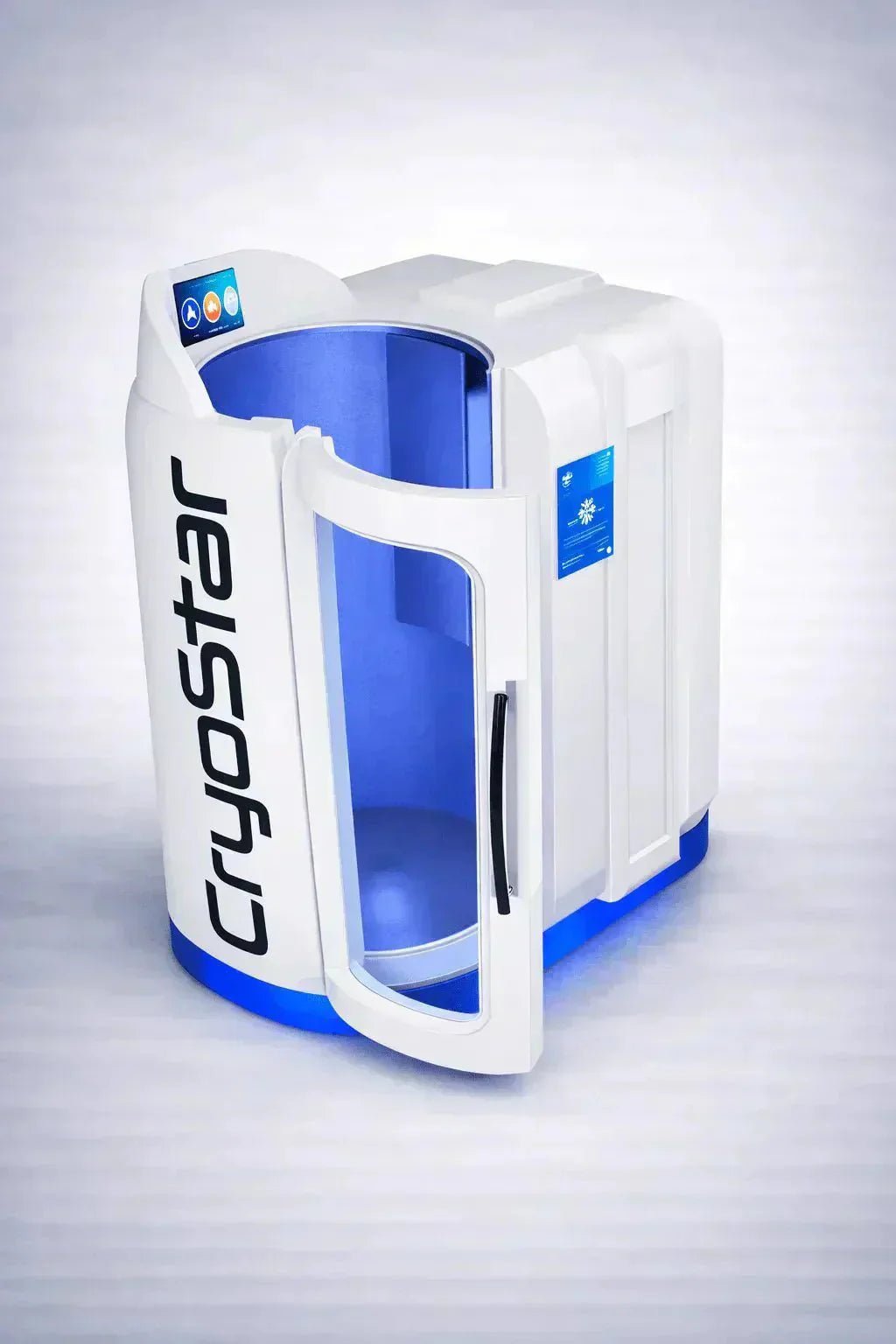
Whole-body cryotherapy delivers short sessions of intense cold exposure for a fast, full-body experience. It is commonly used in performance, recovery, and professional wellness environments.
Shop Walk-In Cryotherapy Chambers
Example systems:
2) Localized Cryotherapy
Localized cryotherapy is designed for focused cold exposure on specific areas of the body. It can be useful for wellness spaces that want flexible, targeted cold application without a full-body chamber.
Shop Handheld Cryotherapy Units
3) Cold-Water Immersion
Cold-water immersion, including ice baths and cold plunges, is one of the most accessible forms of cold exposure. Temperatures are usually less extreme than whole-body cryotherapy, but sessions may last longer and feel more immersive.
Related reading: Cryotherapy vs. Ice Baths
More cold exposure education: Cold Plunge vs. Cold Shower
Key Wellness Uses: Recovery, Resilience, Longevity & Mood Support
Recovery and Performance Support
Many athletes and active adults include cryotherapy in routines focused on post-training comfort, physical reset, and recovery consistency. Cryotherapy is often paired with hydration, mobility work, compression, sleep, and nutrition.
- Post-workout comfort routines
- Recovery-focused lifestyle habits
- Refreshment after demanding training or activity
- Structured cooldown and reset practices
Wellness Balance and Resilience
Cold exposure is often discussed as a hormetic practice, meaning a small, controlled challenge that may help the body adapt over time. In wellness routines, this is commonly framed around resilience, consistency, and daily readiness rather than medical outcomes.
Longevity-Focused Lifestyle Habits
Many longevity-focused users include cold exposure as part of a broader wellness stack that may also include sauna, red light therapy, hyperbaric chambers, strength training, sleep optimization, and nutrition.
Related reading: The Ultimate Longevity Stack
Mood Support, Mental Calm, and Daily Reset
Many people describe cold exposure as mentally refreshing. The short, intentional challenge can create a structured pause in the day and may support feelings of alertness, calm, and resilience for some users.
Safety Guidelines
Important: Cryotherapy should be used responsibly. Consult a qualified healthcare professional before use if you have cardiovascular concerns, uncontrolled hypertension, Raynaud’s syndrome, cold sensitivity, severe anemia, or if you are pregnant.
Follow all exposure guidelines, wear appropriate protective gear, and never exceed recommended session durations. Stop the session immediately if you feel unwell, dizzy, overly uncomfortable, or unsafe.
Disclaimer: This content is for informational purposes only and is not medical advice. Products and wellness technologies are not intended to diagnose, treat, cure, or prevent any disease.
FAQ
How often should I use cryotherapy?
Many recovery routines use cryotherapy one to three times per week, depending on goals, training load, equipment type, and user comfort. Always follow the system’s instructions and start conservatively.
What is the difference between whole-body and localized cryotherapy?
Whole-body cryotherapy is designed for a full-body cold exposure experience. Localized systems are designed for targeted use on specific areas.
Is a cold plunge the same as cryotherapy?
They are both cold exposure methods, but they differ in temperature range, exposure duration, and delivery method. This comparison may help: Cryotherapy vs. Ice Baths.
Can cryotherapy be part of a wellness routine?
Yes. Many individuals include cryotherapy in broader wellness routines that may also include movement, sleep optimization, hydration, sauna, red light therapy, compression, and recovery practices.
What should I buy first?
Start with your goal and space. Walk-in chambers are often better for professional environments, handheld units are useful for targeted flexibility, and cold plunges are popular for at-home cold immersion routines.
References
- NIH / PMC: Health Effects of Voluntary Exposure to Cold Water
- PubMed: Cold Water Immersion and Wellness Research
- Mayo Clinic Health System: Cold-Water Plunging Health Benefits
Helpful Next Steps
- Cryotherapy Buyer’s Guide
- Shop Walk-In Cryotherapy Chambers
- Shop Handheld Cryotherapy Units
- Shop Cold Plunges
Written by Karen Ripley