
The Ultimate Recovery Protocol: Combining Cryotherapy and Compression Therapy for Peak Performance
Introduction: Recovery Is a System, Not a Single Tool
Peak performance isn’t built during workouts — it’s built during recovery. As training intensity increases, so does the need for smarter, more efficient recovery systems that support tissue repair, inflammation management, and nervous system balance.
Two of the most effective recovery tools used by professional athletes, medical clinics, and performance facilities are cold-based cryotherapy methods and compression therapy. When used together, they form a powerful recovery protocol that helps reduce soreness, support circulation, and improve training consistency.
This guide explains how cryotherapy-style cold exposure and compression work, why they’re often more effective together, and how to integrate them into a modern recovery stack.
Why Recovery Protocols Matter More Than Ever
Modern training places enormous stress on:
- Muscles and connective tissue
- The nervous system
- Inflammatory pathways
- Circulation and lymphatic flow
Without proper recovery, this stress accumulates, leading to:
- Chronic soreness
- Plateaued performance
- Increased injury risk
- Burnout and fatigue
That’s why recovery technologies are no longer optional — they’re performance multipliers when used consistently and intelligently.
For a systems-level overview, see:
👉 The Ultimate Longevity Stack Explained: Infrared, Cryotherapy, HBOT & Red Light Therapy
Cryotherapy: Rapid Inflammation Control & Nervous System Reset
What Cryotherapy-Style Cold Exposure Does
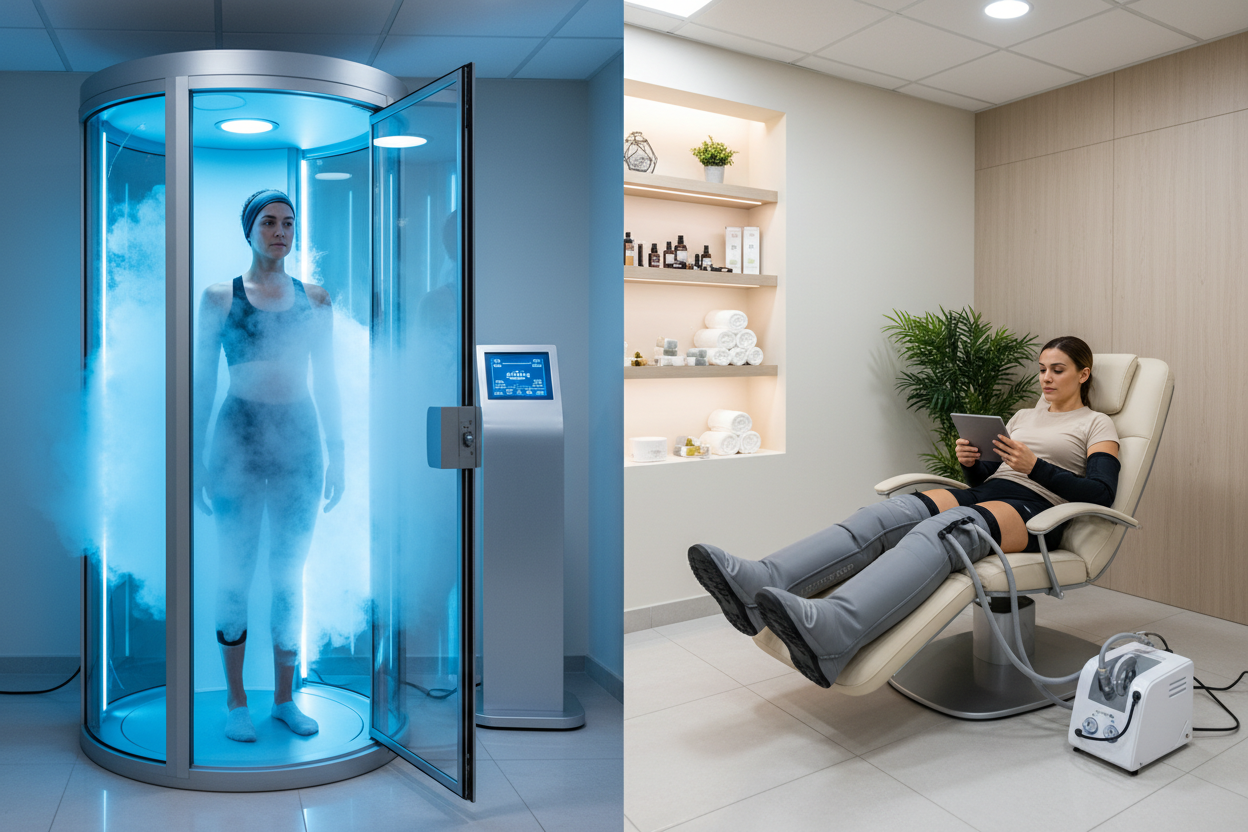
Cryotherapy and cold immersion expose the body to very cold temperatures for short durations, triggering a strong physiological response. This cold stimulus:
- Constricts blood vessels
- Supports inflammation management
- Temporarily reduces pain signaling
- Activates the nervous system
Once the cold exposure ends, blood flow returns, helping deliver oxygen and nutrients back into tissues.
Benefits of Cryotherapy-Based Cold Exposure
- Reduced muscle soreness
- Support for systemic recovery routines
- Improved alertness and mood
- Faster recovery between training sessions
For a deeper comparison of cold methods, see:
👉 Cryotherapy vs. Ice Bath: The Definitive Winner for Recovery & Performance
Compression Therapy: Circulation, Lymphatic Drainage & Muscle Repair
How Compression Therapy Works
Compression therapy uses controlled, rhythmic pressure to:
- Increase venous blood flow
- Support lymphatic drainage
- Reduce swelling and fluid buildup
- Improve nutrient delivery to muscles
This is especially helpful after intense training, long travel, or competition.
Benefits of Compression Therapy
- Faster removal of metabolic byproducts
- Reduced swelling and stiffness
- Improved flexibility and mobility
- Recovery support without overstimulating the nervous system
Compression is often used after cold exposure to support circulation and accelerate recovery routines.
Why Cryotherapy + Compression Works Better Together
Individually, both therapies are effective. Together, they create a sequential recovery advantage by pairing inflammation downshifting with circulation support.
Step 1: Cold Exposure (Inflammation Downshifting)
- Supports inflammation management
- Dampens pain signaling
- Creates a strong “reset” stimulus
Step 2: Compression Therapy (Circulation & Clearance)
- Helps move fluid and metabolic waste
- Supports oxygen and nutrient delivery
- Reduces residual stiffness
This sequence often leads to:
- Faster recovery
- Less next-day soreness
- Improved training consistency
Who Benefits Most from This Recovery Protocol?
This combined approach is ideal for:
- Athletes training multiple times per week
- Individuals recovering from injury (under professional guidance)
- High-stress professionals with limited recovery time
- Longevity-focused users seeking inflammation and nervous system support
For a broader recovery roadmap, see:
👉 Cold Plunge Protocols: Beginner to Advanced
How This Protocol Fits Into a Complete Recovery Stack
Recovery improves when you stack complementary tools that target different systems (inflammation, circulation, nervous system regulation, and cellular repair).
Cryotherapy + Compression + Red Light Therapy
- Cold supports soreness and post-training recovery routines
- Compression supports circulation and fluid movement
- Red light supports cellular energy and recovery routines
Red light guide:
👉 Unlocking Red Light Therapy: The Science Behind Its Benefits
Cryotherapy + Compression + HBOT
- Cold supports recovery routines and nervous system regulation
- Compression supports circulation and muscle reset
- HBOT supports oxygen availability as part of wellness routines
HBOT context:
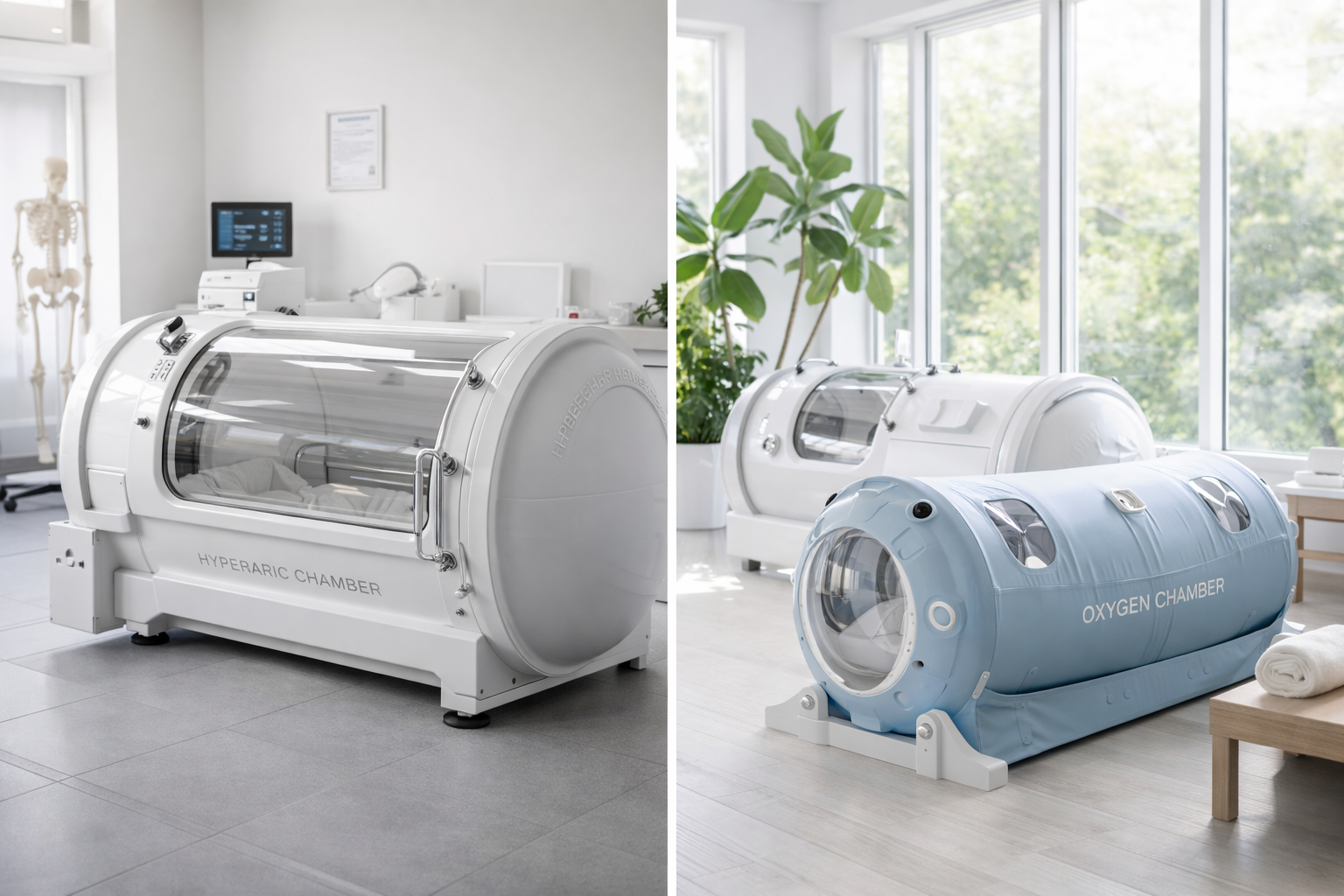
👉 Unlock Rapid Healing: How Hyperbaric Chambers Supercharge Your Recovery
Cryotherapy + Compression + Infrared Therapy
- Cold challenges the system
- Compression supports circulation
- Infrared supports relaxation and recovery-state downshifting
Infrared science:
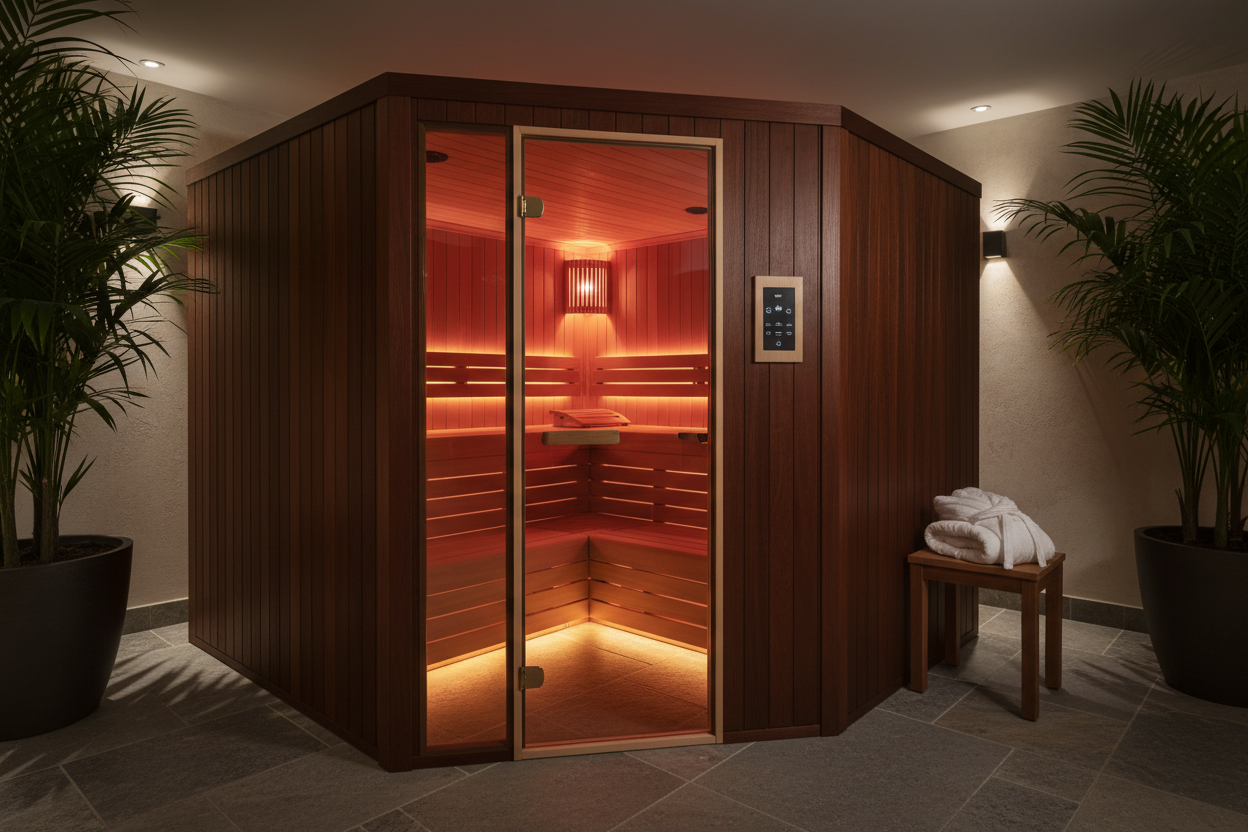
👉 The Science of Infrared Therapy in 2025
Featured Product Options (Links)
Compression / Recovery
Localized Cryo
Cryo Equipment / Spa Cart
Building Your Recovery Setup at Home or in a Facility
Many users now integrate structured recovery systems into:
- Home gyms
- Wellness rooms
- Training facilities
- Professional recovery suites
Explore recovery technologies by category:
👉 Shop Cold Plunges
https://wellariwellness.com/collections/cold-plunges
👉 Shop Compression Therapy Systems
https://wellariwellness.com/collections/compression-therapy
Final Thoughts: Recovery Is Where Performance Is Earned
Training breaks the body down — recovery builds it back stronger.
By combining cryotherapy-style cold exposure and compression therapy, you create a structured recovery protocol that supports:
- Faster recovery routines
- Inflammation and soreness management
- Greater training consistency
- Long-term performance sustainability
This isn’t about shortcuts.
It’s about recovering smarter, so your body can perform at its best — day after day.