

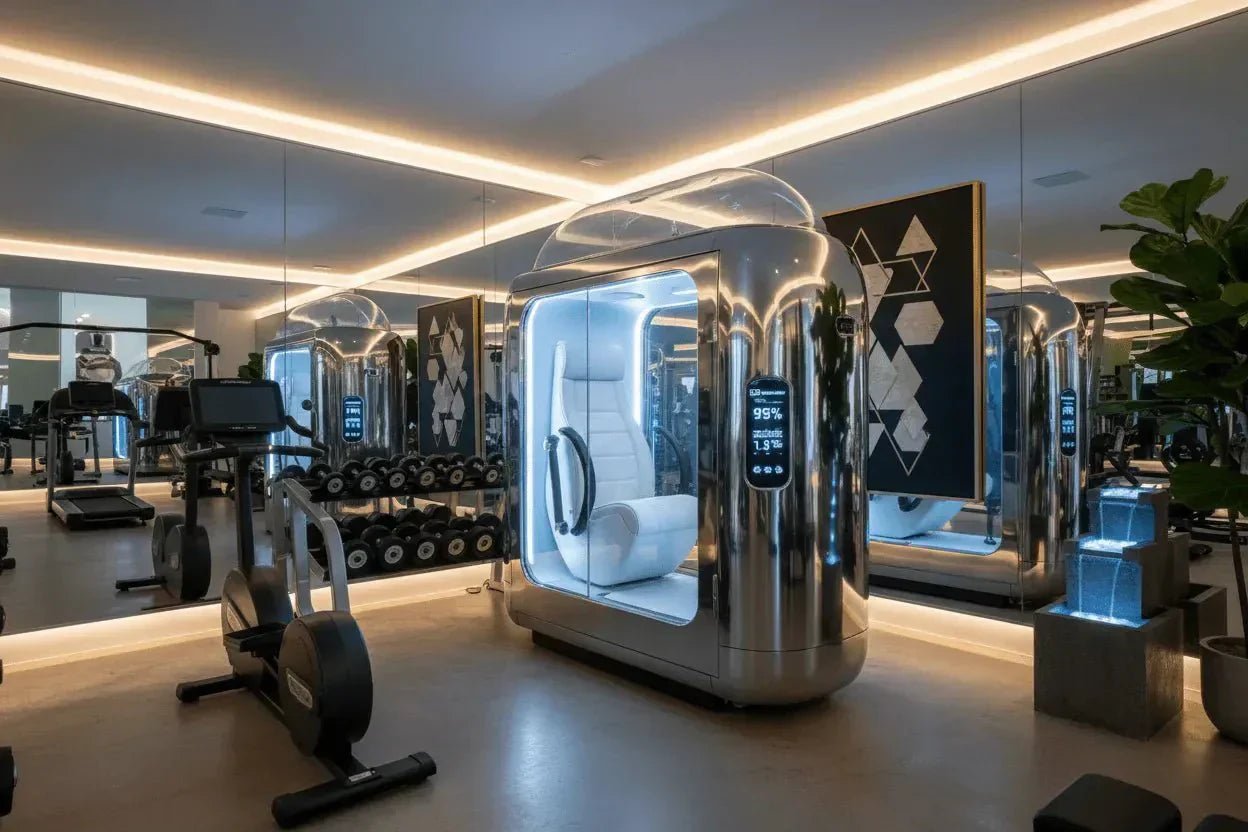
Beyond the Buzz: What Hyperbaric Oxygen Therapy Actually Treats (An Evidence-Based Guide)
Introduction: Separating Evidence from Hype
Hyperbaric Oxygen Therapy (HBOT) has moved far beyond hospital settings and emergency medicine. Once reserved primarily for divers and trauma patients, HBOT is now widely used in wellness, recovery, and performance optimization environments.
With that growth has come confusion, exaggerated claims, and marketing hype.
This guide cuts through the noise to explain what HBOT actually treats, how it works, and when it makes sense for home or professional use — based on physiology and clinical evidence, not trends.
What Is Hyperbaric Oxygen Therapy (HBOT)?
Hyperbaric Oxygen Therapy involves breathing oxygen inside a pressurized environment. Under increased atmospheric pressure, oxygen dissolves directly into blood plasma rather than relying solely on red blood cells for transport.
This allows oxygen to reach tissues with limited circulation, supporting repair, recovery, and cellular function in ways that standard oxygen delivery cannot.
This mechanism is what drives HBOT’s benefits across healing, neurological support, inflammation control, and systemic wellness.
What HBOT Is Clinically Proven to Treat
HBOT has decades of documented clinical use. In medical settings, higher-pressure chambers are used for FDA-recognized indications, including:
-
Non-healing diabetic wounds
-
Radiation-induced tissue injury
-
Carbon monoxide poisoning
-
Crush injuries and compromised grafts
-
Decompression sickness
These applications rely on HBOT’s ability to rapidly increase tissue oxygenation, stimulate angiogenesis (new blood vessel growth), and reduce hypoxia-driven inflammation.
What HBOT Supports in Wellness & Recovery Settings
Outside of acute medical treatment, mild-to-moderate pressure HBOT is widely used for recovery, performance, and longevity optimization.
1. Accelerated Recovery & Tissue Repair
Improved oxygen delivery to muscles, joints, and connective tissue supports faster recovery following training, injury, or physical stress.
2. Brain & Cognitive Support
Enhanced cerebral oxygenation supports mental clarity, focus, and neurological resilience. This is why HBOT is increasingly used by athletes, executives, and longevity-focused individuals.
3. Inflammation Reduction
By improving cellular oxygen availability, HBOT helps downregulate chronic inflammatory pathways associated with pain, fatigue, and accelerated aging.
4. Immune & Circulatory Support
Oxygen-rich plasma supports immune signaling, circulation efficiency, and mitochondrial health.
HBOT is most effective when integrated into a broader recovery and longevity framework rather than used in isolation.
Explore how these technologies work together:
👉 The Ultimate Longevity Stack Explained
https://wellariwellness.com/blogs/buyers-guide/the-ultimate-longevity-stack-explained-infrared-cryotherapy-hbot-red-light-therapy
HBOT vs. Other Recovery Modalities
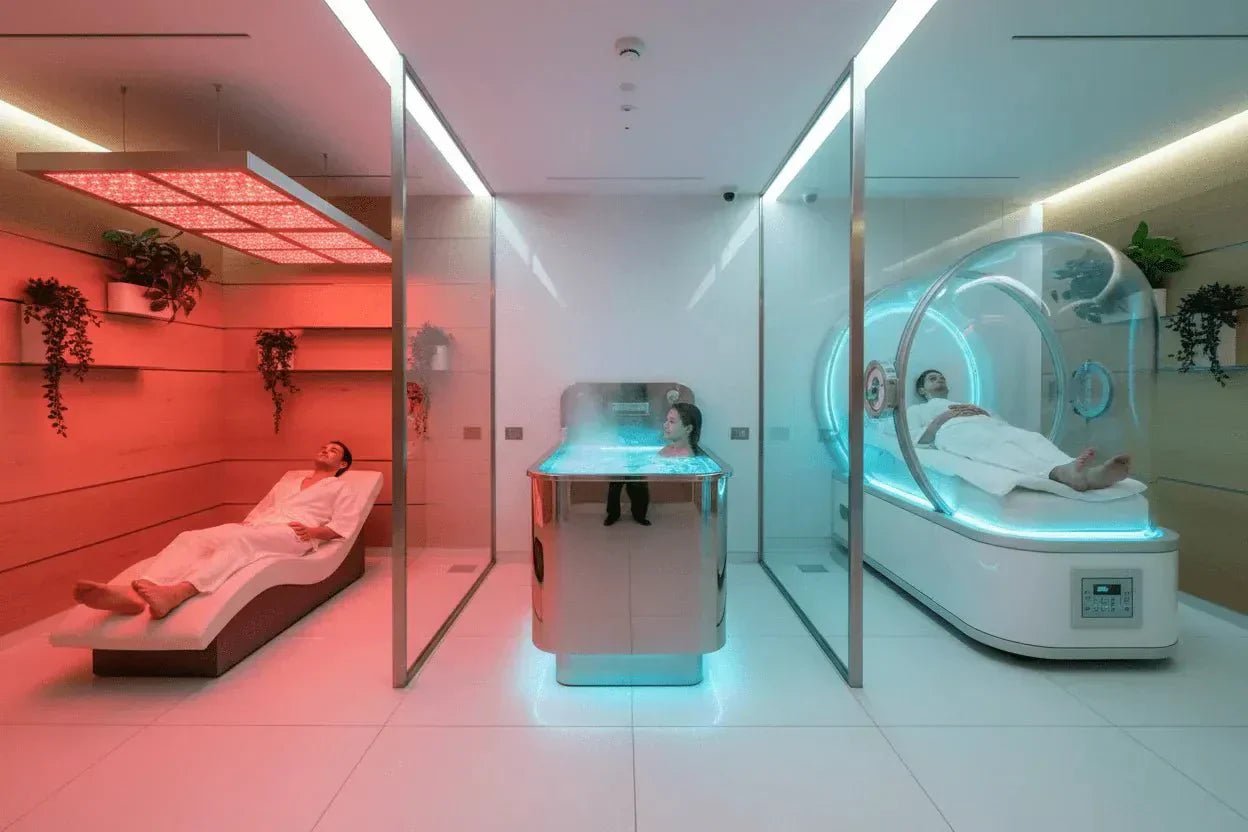
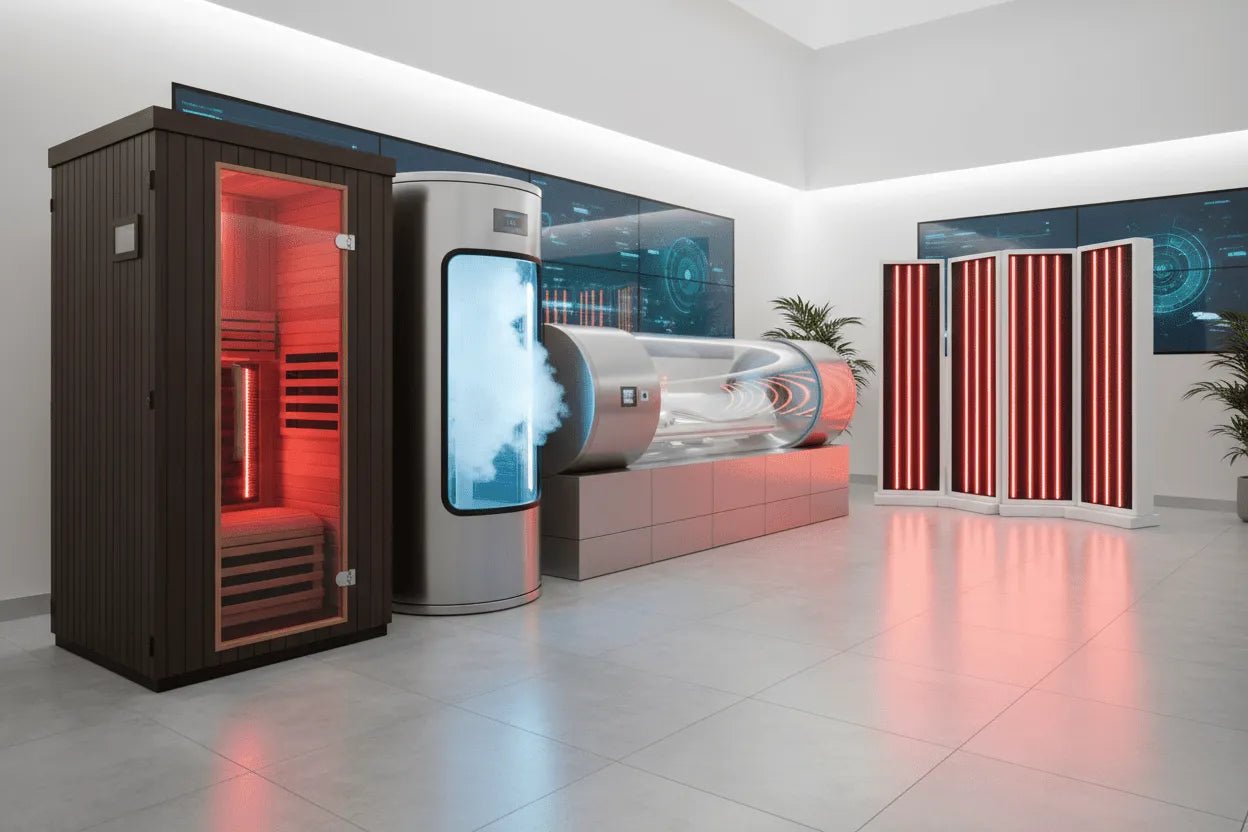
HBOT is not a replacement for other recovery technologies — it complements them.
-
Cold exposure primarily targets inflammation and nervous system resilience
https://wellariwellness.com/blogs/buyers-guide/cold-plunge-vs-cold-shower-unpacking-the-real-health-benefits -
Infrared therapy supports circulation, relaxation, and detoxification
https://wellariwellness.com/blogs/buyers-guide/the-science-of-infrared-therapy-in-2025-optimizing-detox-recovery-relaxation -
Red light therapy increases cellular energy production (ATP)
https://wellariwellness.com/blogs/buyers-guide/unlocking-red-light-therapy-the-science-behind-its-benefits-your-essential-buying-guide
HBOT’s unique role is direct oxygen saturation at the cellular level — something no other modality can replicate.
Home vs. Clinical Hyperbaric Chambers
One of the most common questions is whether HBOT can be done effectively at home.
-
Clinical chambers operate at higher pressures and are used for acute medical conditions.
-
Home and wellness chambers operate at lower pressures and are designed for recovery, longevity, and performance support.
Both have valid use cases — the key is matching pressure and protocol to goals.
To understand the differences, read:
👉 Hard vs. Soft Shell Hyperbaric Chambers: A Buyer’s Guide
https://wellariwellness.com/blogs/buyers-guide/hard-vs-soft-shell-hyperbaric-chambers-a-buyers-guide-to-pros-cons-and-ideal-use-cases
Who HBOT Is Best For
HBOT is particularly well suited for:
-
Athletes focused on recovery and performance longevity
-
Individuals managing chronic inflammation or fatigue
-
Professionals seeking cognitive and neurological support
-
Those building a long-term wellness or longevity system
HBOT is not about quick fixes — it’s about consistent physiological support over time.
Explore Hyperbaric Chambers
If you’re evaluating HBOT for home or professional use, explore curated systems designed for safety, reliability, and long-term use:
👉 Shop Hyperbaric Chambers
https://wellariwellness.com/collections/hyperbaric-chambers
Final Thoughts
Hyperbaric Oxygen Therapy is far more than a wellness trend. When used appropriately, it is one of the most powerful tools available for enhancing recovery, supporting brain health, and improving long-term resilience.
The key is understanding what HBOT actually does — and using it as part of a well-designed system rather than a standalone solution.
When oxygen delivery improves, everything downstream improves with it.
%20has%20moved%20far%20beyond%20hospital%20settings%20and%20emergency%20medicine.%20Once%20reserved%20primarily%20for%20divers%20and%20trauma%20patients,%20H...)