

Ice Bath Tub vs Cold Plunge: Chest Freezers, Stock Tanks and When You Need a Chiller
Short answer: An ice bath tub is any tub you fill with water and bagged ice; a cold plunge usually means an insulated tub with a chiller that holds a set temperature. DIY setups such as stock tanks and chest freezer conversions cost less up front, but trade that saving for ice spend, water-care work and real electrical risk.
This guide compares the four common routes side by side, shows you how to work out what ice actually costs you, and explains when a chiller starts to make sense. It is written for someone planning a cold plunge at home or in a small studio who wants the tradeoffs laid out plainly before spending money.
Key takeaways
- An ice bath tub is the cheapest way to start, but ice is a recurring cost you can calculate from bags per session and your local price per bag.
- A stock tank ice bath works, but an open, uninsulated tank warms quickly and needs a plan for water care.
- A chest freezer cold plunge combines water, a person and a plug-in appliance; GFCI protection and a qualified electrician are the minimum, not extras.
- A chiller pays its way through frequency, convenience, hygiene and temperature control, not through a single break-even number.
- Cold-water immersion triggers a strong cold shock reflex; talk to your doctor first if you have a heart condition or other medical concern.
What is the difference between an ice bath tub and a cold plunge?
The difference is how the water gets cold and whether it stays cold. An ice bath tub is a container you fill with tap water and then cool by adding ice each session. A cold plunge is the broader term for cold-water immersion, but in equipment terms it usually means a purpose-built tub with insulation, a cover and a chiller, which is a refrigeration unit that pumps the water through a cooling circuit and holds it at the temperature you set.
Both put your body in cold water. What changes is the work around the session: hauling ice, waiting for it to melt, draining and refilling, and guessing at the water temperature. With a chilled tub, that work shifts to maintenance: filters, sanitation and keeping the cover on.
Four ways to set up a cold plunge at home
There are four practical ways to set up a cold plunge at home: a bagged-ice tub, a stock tank, a converted chest freezer, or an insulated tub with a chiller. The table below compares them on the points that decide whether you keep using it.
| Setup | How it gets cold | Temperature control | Water care | Electrical | Ongoing effort |
|---|---|---|---|---|---|
| Bagged-ice tub | Ice added before each session | Approximate; drifts as ice melts | Simplest if drained after each use | None needed | Buying, storing and hauling ice every time |
| Stock tank ice bath | Ice, or a separately bought chiller | Approximate with ice; set-point with a chiller | Open tank needs a cover and a sanitation plan if left filled | Only if a chiller or pump is added | Same ice routine, plus cleaning a large open tank |
| Chest freezer conversion | The freezer's own compressor, with an add-on controller | Depends entirely on the controller you add | Standing water; filtration and sanitation are on you | Plug-in appliance beside water; GFCI protection essential | Monitoring, sealing, cleaning, checking for ice and leaks |
| Insulated tub plus chiller | A chiller circulates and cools the water | Holds a set temperature | Follow the manufacturer's filtration and sanitation routine; still needs regular care | Installed to the manufacturer's electrical requirements | Filter changes, water treatment, cover on |
None of these is wrong for everyone. The right one depends on how often you plunge, how many people use it, and how much routine work you are willing to absorb.
The bagged-ice ice bath: simple, but not free
An ice bath is the lowest-commitment way to find out whether cold immersion fits your routine. You need a tub large enough to sit in, a thermometer and a supply of ice. Drain it afterward and you avoid most of the water-care questions that come with keeping water standing for days.
The catch is that the cost never stops. Every session needs new ice, and how much depends on your water volume, the starting tap temperature, the air temperature and how cold you want the water.
How to estimate what ice really costs you
Rather than trust a generic figure, work it out for your own setup. Do one or two trial sessions and count how many bags it takes to reach the temperature you want, then run this calculation:
- Cost per session = bags per session × your local price per bag
- Cost per year = cost per session × sessions per week × 52
Expect the number of bags to rise in summer, when tap water and air are warmer. Add the time cost too: driving to buy ice, storing it, and waiting for it to do its work. That time is the hidden line item most people underestimate.
Is a stock tank ice bath a good DIY cold plunge?
A stock tank ice bath is a reasonable DIY cold plunge if you accept its limits. Livestock watering tanks are roomy and easy to source. Filled with ice, they behave like any other bagged-ice tub, just with more water to cool.
The limits show up when you try to keep one filled. An open tank with no insulated wall or fitted lid gains heat from the air and collects debris outdoors. If you add a separately bought chiller or a pump, you are now running electrical equipment beside water and need the same protection as any other installation.
Questions to answer before you build one
- Will you drain it after every session, or keep it filled? Keeping it filled means filtration and sanitation.
- Where will it sit, and can that surface carry the weight of a full tank plus a person?
- If you add a pump or chiller, is there a GFCI-protected outlet close enough that you will not need an extension cord running across a wet area?
Chest freezer cold plunge: the electrical risk is the real issue
A chest freezer cold plunge is a common DIY conversion, and it needs particular care. It puts a plug-in compressor appliance, a large volume of water and a person in the same space. That combination is exactly what electrical-safety guidance is written for.
A GFCI (ground fault circuit interrupter) is a device that cuts power when it detects current leaking where it should not. The U.S. Consumer Product Safety Commission says a GFCI interrupts power when outgoing and returning current differ by as little as 0.006 amperes, and recommends GFCI protection for outlets where electrical equipment is near water. The same fact sheet says to test every GFCI at least once a month and after a power failure.
Minimum precautions if you go this route
- Plug only into a GFCI-protected outlet, and test it monthly using the test button.
- Have a qualified electrician confirm the circuit and outlet before you fill the freezer.
- Keep cords and controllers off the floor and away from splash, and never use an extension cord.
- Read the freezer manual. Holding water for a person to sit in is not ordinary freezer use, so any use outside the manual is your own risk.
- Watch for ice forming on the walls and for leaks around the liner, both signs the setup needs attention.
For the electrical side of a purpose-built tub, our guide to cold plunge electrical and GFCI requirements covers what to confirm with your electrician.
Water hygiene: what changes when the water stays in the tub
Water hygiene matters as soon as you stop draining after every session. The CDC notes that people can get sick when they swallow or have contact with water that has germs in it, and that chlorine or bromine inactivate or kill most germs in properly treated water within minutes. A tub that sits filled for days and is shared by several people needs to be treated with that in mind.
For a bagged-ice tub you drain each time, the routine is simple: rinse before you get in, drain, and let the tub dry. For any setup you keep filled, you need filtration, a sanitation method and a cover. With a purpose-built tub, follow the filtration and sanitation routine its manufacturer specifies; with a DIY tank or freezer, the whole plan is yours to design.
If keeping the water clean is the part you want to avoid, our comparison of self-cleaning cold plunges versus ice walks through what filtration and sanitation systems change day to day.
When do you need a chiller?
You need a chiller when the work of making cold water costs you more, in money or time, than you want to keep paying. That point is different for every household, so we do not publish a payback number. Chiller running cost depends on how long the compressor runs, which changes with room temperature, insulation, cover use and how cold you set it. A horsepower or wattage rating alone does not tell you that run time, so a reliable monthly figure cannot be calculated from it.
Instead, weigh these variables against each other:
- Frequency: the more sessions per week, the faster ice spend and ice-hauling add up.
- Users: several people plunging means more sessions and more pressure on water quality.
- Time: a chilled tub is ready when you are; an ice bath needs buying, carrying and waiting.
- Temperature control: a chiller holds a set point, so sessions are repeatable.
- Hygiene: a chilled tub stays filled, so choose one whose filtration and sanitation routine you will actually keep up.
Signs a chiller makes sense
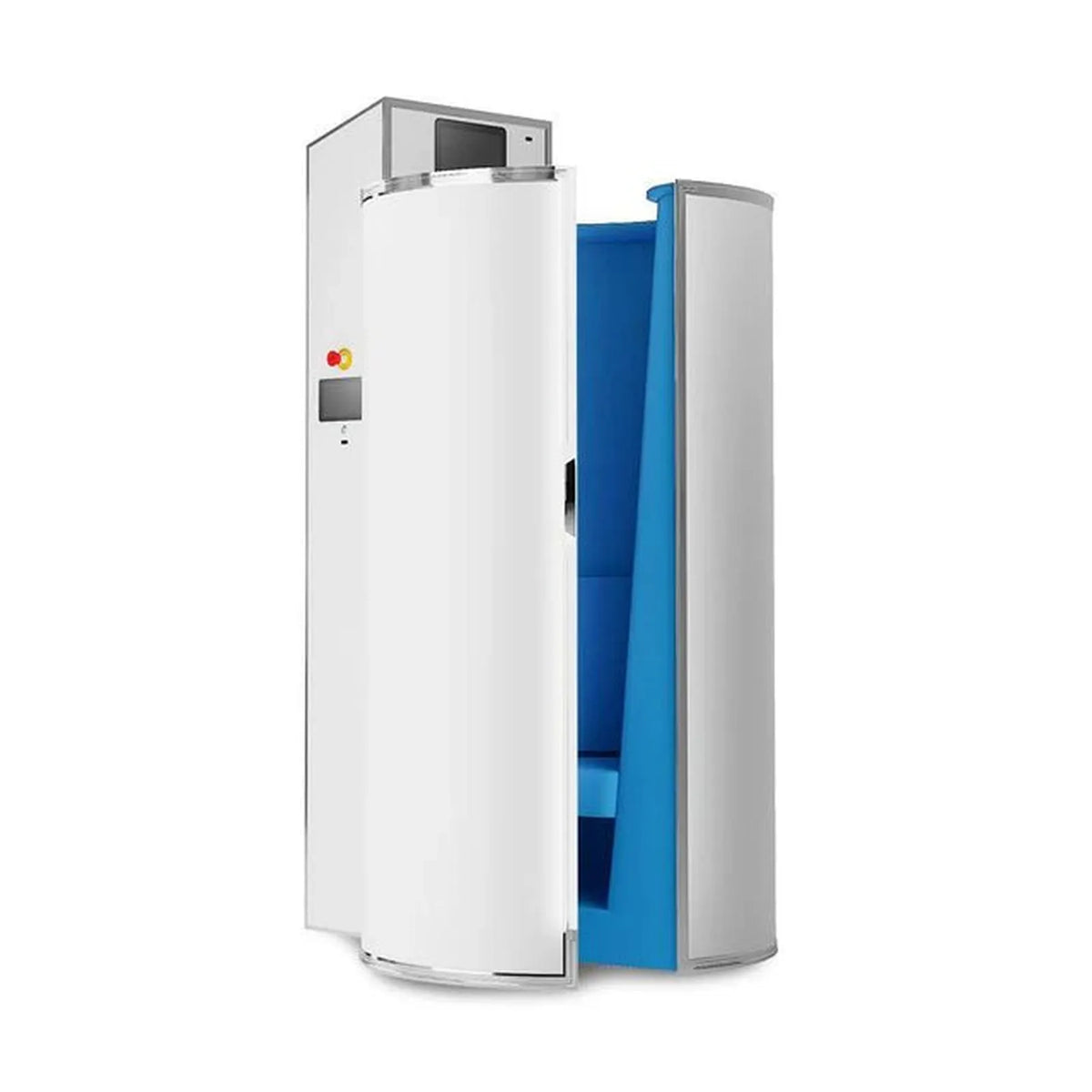
You plunge most days, more than one person uses the tub, your ice calculation above is a number you notice, or you want the same temperature every time. If that describes you, look at cold plunge chillers such as the Dynamic Premier chiller, and read our guide to chiller sizing and cooling capacity before choosing one.
Signs ice is still the right answer
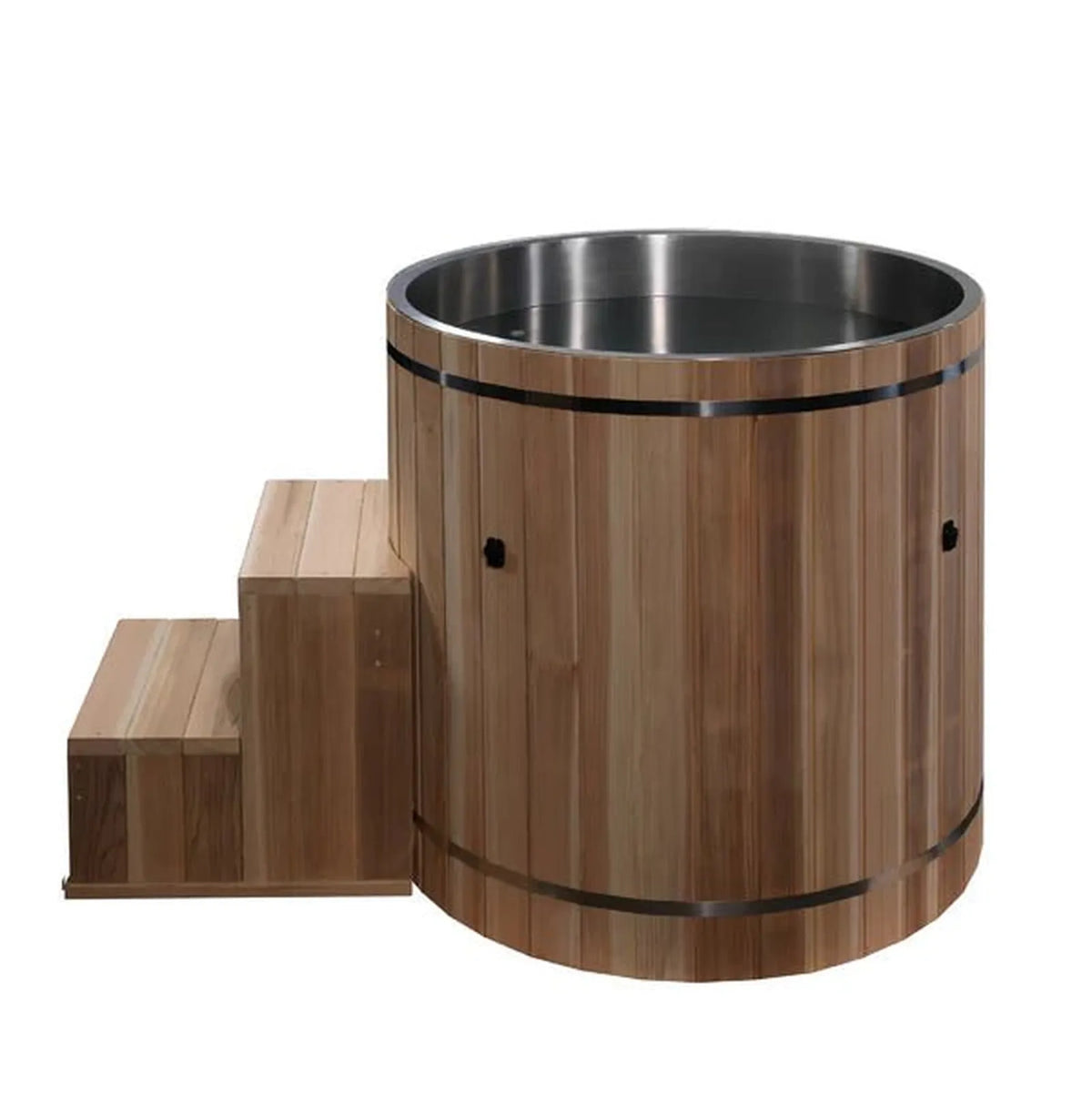
You plunge once or twice a week, you are still deciding whether the habit will stick, or you have no suitable outlet near where the tub would go. An entry-level portable tub such as the IceBarrel Solo lets you start with ice, and you can move to a chilled tub later if the routine lasts.
Cold safety applies to every ice bath tub
Whatever the tub, the first moments in cold water are the riskiest part of any ice bath tub session. A 2024 systematic review and meta-analysis describes the cold shock response as a reflex that induces hyperventilation and increases cardiac arrhythmias, and notes that it habituates with repeated immersions, typically after about four. That is a reason to start conservatively, never plunge alone, and keep your head out of the water.
If you have a heart condition, high blood pressure, are pregnant, or have any other medical concern, talk to your doctor before you start cold-water immersion.
How to choose an ice bath tub you will keep using
The best ice bath tub is the one that matches how often you will really use it. If you are testing the habit, a portable tub and ice is the low-risk start. If you already know you will plunge most days, an insulated tub with a chiller removes the ice routine entirely.
Between those two, material and form factor matter. Our comparison of inflatable and hard-shell cold plunges covers durability and insulation, and our cold plunge tubs for home buyer's guide shortlists options by use case.
Frequently asked questions
Is an ice bath tub the same as a cold plunge?
Not quite. An ice bath tub is cooled by adding ice before each session, so the temperature drifts as the ice melts. A cold plunge, in equipment terms, usually means an insulated tub with a chiller that holds a set temperature. Both deliver cold-water immersion; the difference is how much work each session takes and how repeatable the temperature is.
Is a chest freezer cold plunge safe?
It carries real electrical risk because it combines a plug-in appliance, water and a person. At minimum, use a GFCI-protected outlet that you test monthly, have a qualified electrician check the circuit, avoid extension cords, and follow the freezer manual. Holding water for a person to sit in is not ordinary freezer use, so you take on the risk of anything outside that manual.
How much ice do I need for an ice bath?
It depends on how much water your tub holds, how warm your tap water and air are, and how cold you want it. The reliable method is to test: count the bags it takes to reach your target temperature over one or two sessions. Multiply bags per session by your local price per bag to get your real cost per session.
Can I use a stock tank as an ice bath?
Yes, a stock tank ice bath is a common DIY cold plunge. Filled with ice, it works like any other ice bath tub. If you plan to keep it filled between sessions, you will need a cover, filtration and a sanitation routine, and any pump or chiller you add should run from a GFCI-protected outlet without an extension cord.
Do I need a chiller for a cold plunge at home?
Not to start. Ice works for occasional sessions and for testing whether the habit sticks. A chiller becomes worth considering when you plunge most days, several people share the tub, ice costs and hauling start to add up, or you want the same temperature every session. Weigh those variables for your own household rather than relying on a generic payback figure.
Talk to us before you buy
If you are weighing ice against a chilled tub, browse our cold plunge collection to see the options side by side, and talk to us before you buy. We can help you match a tub and chiller to your space, your electrical setup and how often you plan to use it.