
Self-Cleaning Cold Plunges: Are They Worth the Investment Over Ice?
Cold water immersion has evolved from a niche athletic recovery practice into one of the fastest-growing categories in home wellness. What once involved dumping bags of ice into a stock tank has transformed into sophisticated recovery systems featuring filtration, sanitation, temperature control, and app-connected automation.
As more homeowners build dedicated wellness spaces and recovery rooms, one question appears repeatedly:
Are self-cleaning cold plunges actually worth the investment compared to traditional ice baths?
The answer involves more than just purchase price. It also includes convenience, sanitation, consistency, maintenance, long-term ownership costs, and how frequently you actually plan to use cold immersion.
This guide compares self-cleaning cold plunges and traditional ice-based setups to help determine which option makes the most sense for your wellness routine and recovery goals.
Helpful outside resource: Cleveland Clinic — Are Cold Plunge Ice Baths Good for You?
The Growth of Cold Water Therapy
Cold plunge therapy has become increasingly popular among athletes, wellness enthusiasts, and recovery-focused consumers because of its potential role in recovery and stress adaptation.
Many users incorporate cold immersion into routines designed to support post-workout recovery, mental resilience, stress management, circulation support, morning alertness, and recovery-focused wellness routines.
Modern cold plunge systems are now commonly integrated into home wellness spaces alongside infrared saunas, traditional saunas, red light therapy systems, compression recovery systems, and home gyms.
Explore Wellari Wellness cold plunge systems: Cold Plunge Tubs
Explore Wellari Wellness recovery solutions: Recovery and Performance
Traditional Ice Baths: The Low-Cost Starting Point
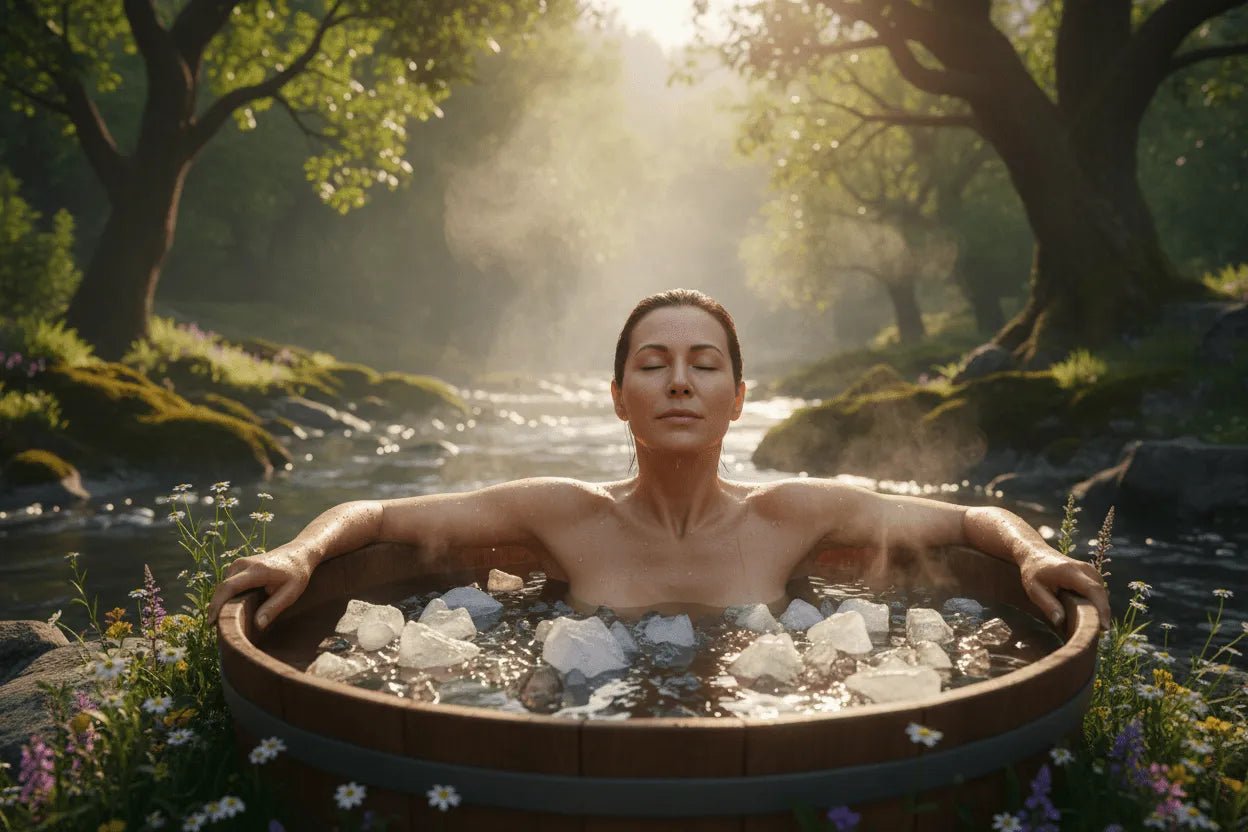
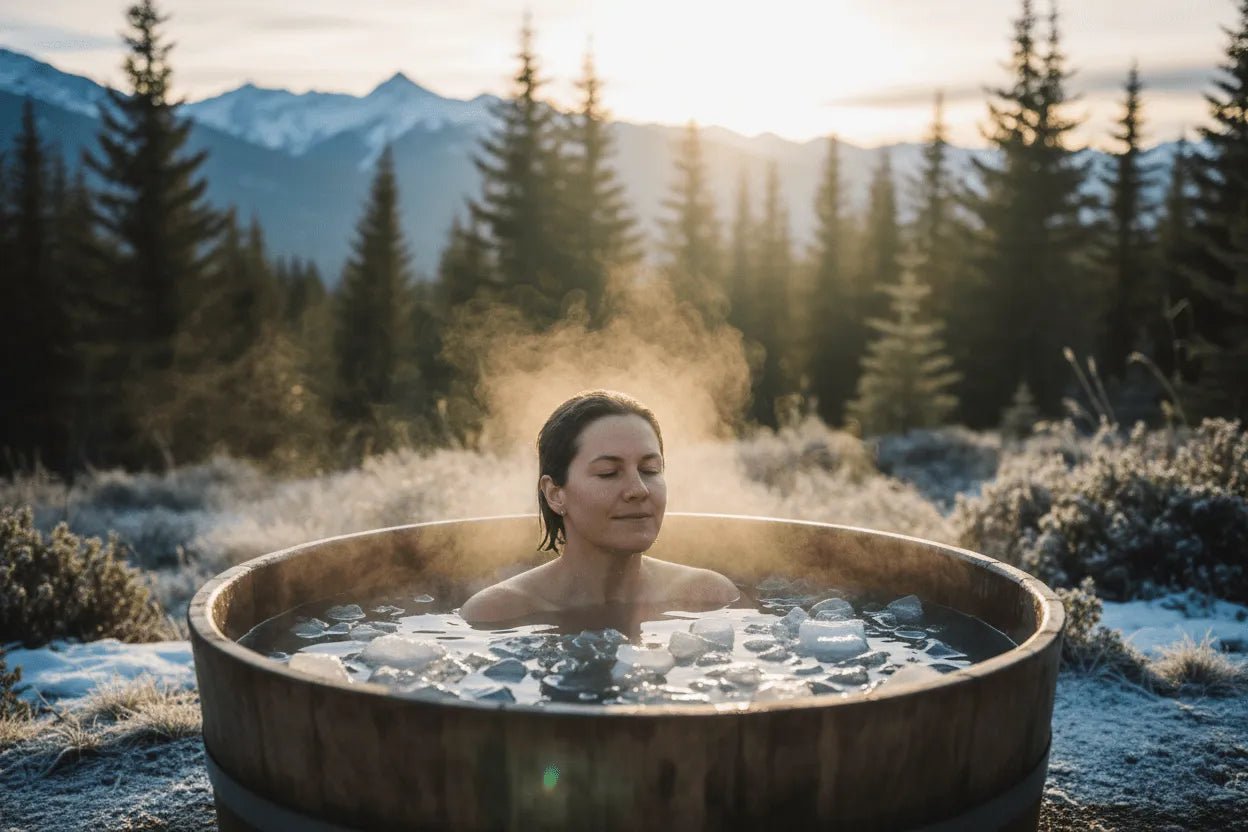
For many people, cold plunge therapy begins with a simple DIY setup. Common beginner systems may include stock tanks, inflatable tubs, converted bathtubs, plastic barrels, and portable recovery tubs.
These systems are cooled manually using purchased bags of ice. The biggest advantage is the lower upfront cost. However, lower initial cost often comes with substantial long-term tradeoffs.
The Hidden “Ice Tax”
One of the biggest realities of traditional ice baths is the recurring cost of purchasing ice. Many users require 20–40 pounds of ice per session, daily or near-daily replenishment, and frequent store trips.
Over time, these recurring purchases become what many recovery enthusiasts call the “ice tax.” Depending on usage frequency, regular ice purchases may eventually add up to hundreds of dollars monthly or thousands of dollars annually.
In many cases, frequent cold plunge users eventually spend enough on ice to approach the price of a dedicated chiller system.
Helpful outside resource: Mayo Clinic Health System — Cold-Water Plunging Health Benefits
The Friction Problem: Why Convenience Matters
The biggest enemy of habit consistency is friction.
Traditional ice baths require buying ice, transporting ice, waiting for cooling, manual temperature adjustments, and frequent draining and cleaning.
On busy days, this friction becomes a major barrier. Many people eventually stop using DIY ice baths consistently because setup becomes inconvenient.
Self-cleaning cold plunges solve this problem by remaining continuously cold and ready for use. The ability to step directly into a properly chilled plunge after a workout or sauna session dramatically improves routine adherence.
What Makes a Cold Plunge “Self-Cleaning”?
Modern self-cleaning cold plunges combine several integrated technologies designed to automate water maintenance and temperature control.
Professional systems commonly include water chillers, filtration systems, circulation pumps, ozone sanitation, UV sterilization, and insulated construction.
These systems help maintain cleaner water while reducing manual maintenance requirements. Unlike traditional ice baths that warm rapidly, self-cleaning systems maintain stable temperatures continuously.
The Importance of Temperature Consistency
One major advantage of chiller-powered cold plunges is precise temperature control. Manual ice baths fluctuate constantly as ice melts.
Professional cold plunge systems maintain stable temperatures, often allowing users to select exact settings such as 39°F, 45°F, 50°F, or 55°F.
This consistency allows users to build repeatable recovery routines and gradually adapt to colder temperatures safely.
Helpful outside resource: Harvard Health — Cold Plunges: Healthy or Harmful for Your Heart?
Filtration Systems: The Biggest Upgrade
The largest difference between DIY ice baths and premium cold plunges is often water quality.
Professional systems continuously circulate water through filtration systems that remove hair, debris, skin particles, and contaminants.
Without filtration, standing water can quickly become unsanitary. DIY systems frequently require complete draining, manual scrubbing, water replacement, and chemical balancing.
Self-cleaning systems significantly reduce this maintenance burden.
Ozone and UV Sanitation
Many premium cold plunges use ozone sanitation, UV-C sterilization, or both. These systems help reduce microbial growth and improve water cleanliness.
Combined with filtration and circulation, sanitation systems help maintain cleaner water for extended periods. This creates a more practical long-term ownership experience compared to manually maintained ice baths.
The Hygiene Gap
One of the least-discussed issues with DIY cold plunges is sanitation. Standing water without filtration or sanitation may allow bacterial growth, biofilm development, odor buildup, and cloudy water.
Professional self-cleaning systems are specifically designed to reduce these issues through continuous filtration and circulation.
Energy Consumption vs Ice Costs
Some buyers worry about electricity costs associated with professional chillers. However, modern insulated cold plunge systems are often relatively energy efficient because insulation reduces cooling loss, compressors cycle intermittently, and stable temperatures require less constant cooling.
Over time, many users discover that electricity costs may be lower than continuously purchasing bags of ice.
Maintenance Still Exists
Despite the term “self-cleaning,” these systems still require basic upkeep.
Typical maintenance tasks may include changing filters, cleaning intake screens, monitoring water chemistry, and occasional draining.
However, compared to daily ice management and constant manual cleaning, maintenance is dramatically reduced.
Consistency Creates Better Routine Adherence
One of the biggest advantages of a self-cleaning plunge is behavioral consistency.
When recovery tools are easy to use, people are far more likely to stick with them. The “always ready” advantage removes many excuses associated with manual setups.
This convenience may help users maintain more consistent wellness and recovery habits over time.
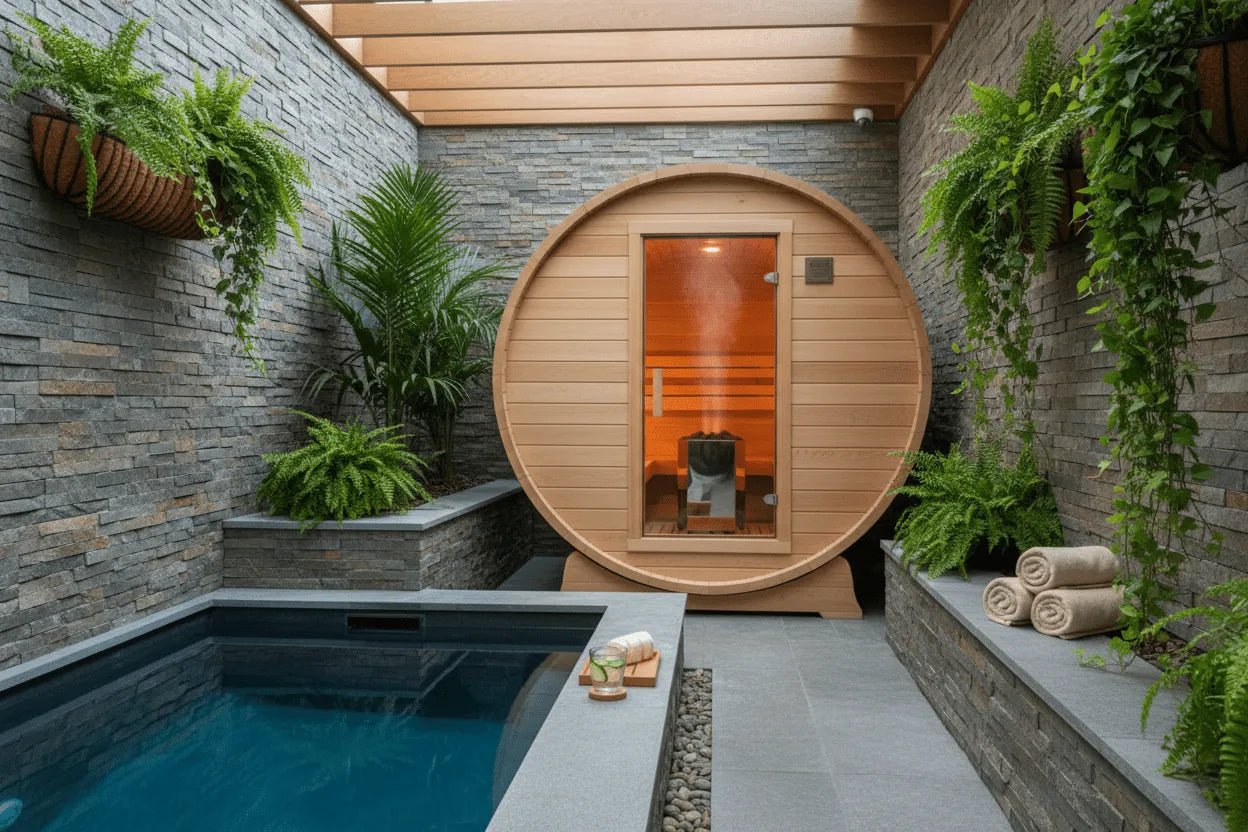
Cold Plunges and Sauna Contrast Therapy
Many users combine cold plunges with sauna sessions as part of contrast therapy routines. This approach alternates between heat exposure, cold immersion, and recovery phases.
Contrast therapy has become increasingly popular in home wellness spaces.
Related Wellari Wellness reading: Cold Plunge vs. Cold Shower: Unpacking the Real Health Benefits
Explore Wellari Wellness sauna systems: Saunas
Who Benefits Most from Self-Cleaning Cold Plunges?
Professional cold plunge systems are often best suited for daily cold plunge users, athletes, busy professionals, home wellness enthusiasts, families sharing a plunge system, and luxury home wellness rooms.
Casual users who plunge infrequently may still find manual systems sufficient.
Long-Term Ownership Perspective
Many buyers initially focus only on the upfront purchase price. However, long-term ownership also involves time savings, water quality, consistency, maintenance reduction, durability, and convenience.
Higher-end systems often use insulated construction, marine-grade materials, stainless steel components, and commercial-grade chillers.
This makes them closer to long-term wellness appliances than temporary recovery gadgets.
Helpful outside resource: NIH/PMC — Health Effects of Voluntary Exposure to Cold Water
Common Mistakes Buyers Make
Underestimating Ice Costs
Recurring ice purchases can become surprisingly expensive over time.
Ignoring Maintenance Requirements
DIY systems still require substantial cleaning and water management.
Choosing Uninsulated Systems
Poor insulation increases cooling costs and reduces efficiency.
Buying Based Only on Price
Long-term reliability and sanitation matter more than initial savings.
Ignoring Available Space
Measure carefully before purchasing a large cold plunge system.
FAQ: Self-Cleaning Cold Plunges vs Ice Baths
Are self-cleaning cold plunges worth it?
For frequent users, many people find self-cleaning cold plunges worthwhile because of convenience, sanitation, temperature control, and reduced long-term maintenance.
Do self-cleaning cold plunges still require maintenance?
Yes. Most systems still require periodic filter changes, water balancing, and occasional cleaning.
Are ice baths cheaper than cold plunge systems?
DIY ice baths have lower upfront costs, but recurring ice purchases may become expensive over time.
How cold should a cold plunge be?
Many users keep cold plunges between 39°F and 55°F depending on experience and comfort level.
Do self-cleaning cold plunges use a lot of electricity?
Modern insulated systems are often relatively energy efficient compared to continuously buying ice.
How often should cold plunge water be changed?
Water replacement frequency depends on filtration quality, sanitation systems, usage frequency, and maintenance routines.
What is the biggest advantage of a self-cleaning plunge?
The biggest advantage is convenience. The plunge remains cold, filtered, and ready to use at any time.
Final Thoughts: Convenience Often Determines Consistency
Choosing between a traditional ice bath and a self-cleaning cold plunge ultimately depends on how committed you are to long-term cold immersion routines.
If you are experimenting casually with cold exposure, a basic ice setup may be enough.
However, for users planning to integrate cold therapy into a consistent wellness lifestyle, self-cleaning systems often provide major advantages in convenience, sanitation, temperature stability, and long-term usability.
Over time, reducing friction and improving consistency may matter more than the initial purchase price.
Explore premium cold plunge and wellness recovery solutions at Wellari Wellness.