
Cryotherapy Weight Loss: Brown Fat, Calories and Realistic Expectations
Short answer: Cryotherapy weight loss claims run ahead of the evidence. Cold exposure activates brown fat and raises energy use while you are cold, but in a 2025 controlled trial, adding whole-body cryotherapy to an obesity program did not increase weight loss. Treat cold therapy as a recovery routine you enjoy, not as a fat-loss tool.
Key takeaways
- Brown fat burns energy to make heat, and mild cold switched it on in 23 of 24 men in a 2009 study.
- Brown fat's small mass limits how much it can add to daily energy use; muscle is the largest contributor when you are cold.
- In a 12-month trial, adults who added 28 whole-body cryotherapy sessions lost about the same weight as those who did not.
- Reviews of cold-water immersion and red light describe changes in fat tissue or body measurements, not dependable weight loss.
Cryotherapy weight loss: does it work?
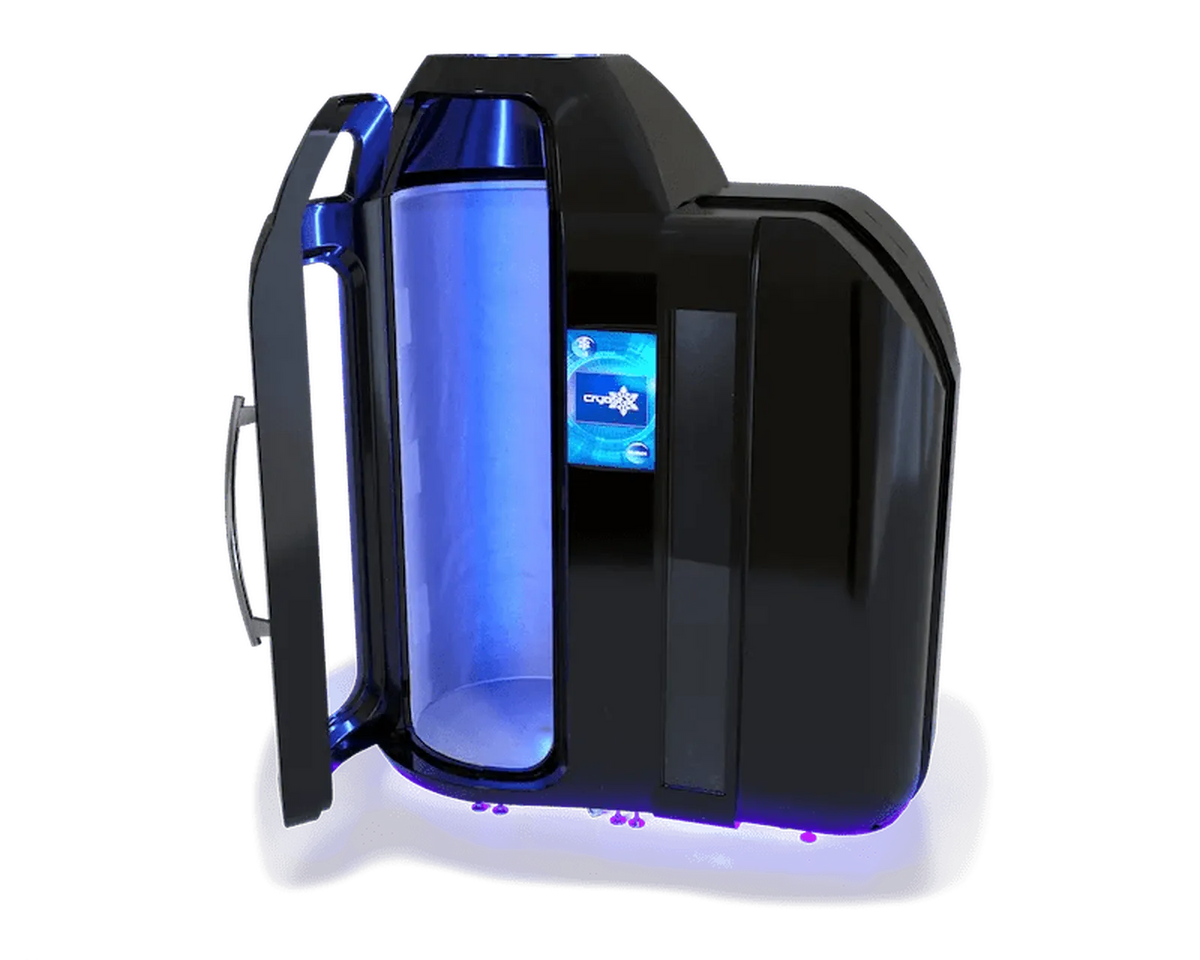
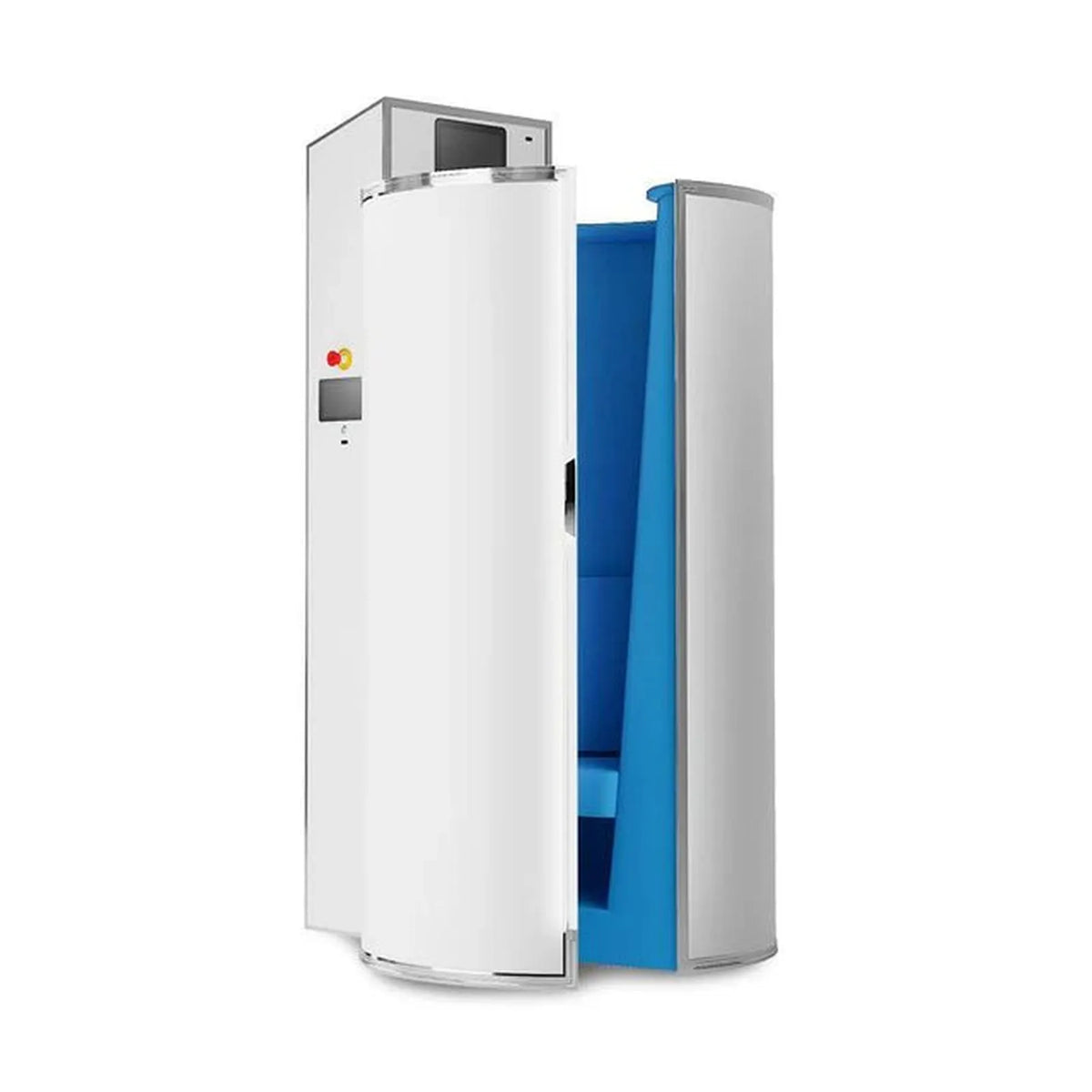
The best controlled evidence available says it does not add meaningful weight loss to a structured weight-management program. Whole-body cryotherapy (WBC) means standing in a chamber cooled to extreme temperatures for a few minutes. It has been studied for weight loss directly, and the result was clear enough to set expectations.
What the controlled trial found
A 2025 clinical trial published in Obesity assigned 19 adults with obesity to a 12-month lifestyle-based obesity management program. Ten of them also completed 28 WBC sessions at −110°C, lasting 3–4 minutes, about twice a week over the first five months. The other nine followed the program without cryotherapy.
Weight loss in the cryotherapy group was 11.9% at five months and 9.9% at 12 months, compared with 11.5% and 8.0% in the program-only group. The researchers found no significant difference between the groups in weight loss, brown fat glucose uptake or energy expenditure. Their conclusion was that WBC did not significantly enhance weight loss or activate brown fat during conventional obesity management.
Two details are worth knowing. The cryotherapy group did show larger drops in fasting glucose and LDL cholesterol at five months, and the authors say more research is needed to confirm whether that is real. And with only 19 participants, this is a small trial, not the final word.
If you are comparing chamber styles, our guide to cryotherapy machine types explains electric chambers, nitrogen cryosaunas and localized units. Whole-body cryotherapy is also different from cryolipolysis, a clinic procedure that applies cold to specific areas of fat.
What is brown fat, and how does brown fat activation work?
Brown fat, or brown adipose tissue (BAT), is a type of fat that burns energy to produce heat instead of storing it. Brown fat activation is what happens when cold switches that tissue on. The trial authors describe cold exposure as a way to raise energy expenditure "partly by activating brown adipose tissue (BAT) to dissipate energy as heat."
The classic human evidence comes from a 2009 study in the New England Journal of Medicine. Researchers scanned 24 healthy men at 22°C and again during mild cold exposure at 16°C. Brown fat activity appeared in 23 of the 24 men during cold, and not at the warmer temperature.
The same study found brown fat activity was significantly lower in men who were overweight or obese than in lean men. The authors described brown fat as possibly metabolically important and a potential treatment target. A potential target is not the same as a proven method.
So how many calories does cold actually burn?
Cold does raise energy use while you are cold, but most of that increase does not come from brown fat. The 2025 trial authors note that brown fat's capacity to meaningfully raise energy expenditure is uncertain because of its small mass. They add that skeletal muscle is the largest contributor to the cold-induced increase, even during mild cold with minimal shivering.
We are deliberately not giving a calories-per-session figure. Published numbers depend heavily on the temperature, the length of exposure and the person, so any single figure would mislead more than it informs. What matters for expectations is that the controlled trial measured energy expenditure and found no difference between groups.
Does cold plunge burn fat?
A cold plunge raises energy use while you are in the water, but there is no strong evidence that it reliably reduces body fat on its own. Cold-water immersion (CWI) means deliberately immersing the body in cold water. It is the method behind cold plunges, ice baths and winter swimming.
A 2022 review of voluntary cold-water exposure screened the literature and judged 104 studies relevant. It reports that cold-water immersion "seems to reduce and/or transform body adipose tissue," and to improve insulin sensitivity. It also says clear conclusions were hampered because studies were small, often of one gender, and used different water temperatures.
The review's own title calls the topic "a continuing subject of debate," and that is the honest summary. For how a plunge compares with a chamber on cost, setup and routine, see cryotherapy vs cold plunge.
What about red light therapy weight loss?
Red light therapy has been studied mainly for body contouring, meaning measurements in a treated area, rather than for weight loss. In research it often appears as low-level laser therapy (LLLT), the older name for photobiomodulation. Photobiomodulation is the use of red and near-infrared light to trigger a response in cells without heating them.
A comprehensive review from the Wellman Center for Photomedicine found LLLT being investigated alongside liposuction, for non-invasive body contouring and for cellulite. It reported that existing studies had shown safety and efficacy in fat layer reduction, but concluded that studies demonstrating its efficacy "as a stand-alone procedure are still inadequate." Research on a modality in clinic protocols is also not evidence for any particular home device.
If you own or are considering a panel for other reasons, our guide to the red light therapy timeline covers what influences results and when it is reasonable to judge them.
Cold therapy fat loss compared with red light
None of the three methods has dependable evidence for weight loss, and each was studied for a different outcome. The table below summarizes what the sources cited in this article actually concluded. It is a guide to expectations, not a ranking.
| Whole-body cryotherapy | Cold plunge (cold-water immersion) | Red light (photobiomodulation) | |
|---|---|---|---|
| How it works | Very cold air for a few minutes | Cold water immersion | Red and near-infrared light absorbed by cells |
| Source used here | 2025 controlled trial, 19 adults | 2022 review, 104 relevant studies | 2013 comprehensive review |
| What it concluded | Did not enhance weight loss or activate brown fat | May reduce or transform fat tissue; studies small and varied | Stand-alone efficacy evidence still inadequate |
| Outcome actually studied | Body weight, brown fat, energy expenditure | Fat tissue, insulin sensitivity, other markers | Body contouring and cellulite |
| What it is not | A weight-loss treatment | A proven fat-burning method | A weight-loss device |
Who is cold exposure realistically for?
Cold exposure is realistically for people who want it as a routine in its own right and treat any metabolic effect as a side note. If weight loss is the main goal, that is a conversation for your doctor; the evidence above does not support cold as the tool for it. That is not a reason to avoid cold equipment, only a reason to buy it for the right job.
- Recovery-routine buyers. People who already enjoy cold sessions and want them at home, on their own schedule.
- People in a structured weight program. Cold can sit alongside a plan, but the 2025 trial suggests it should not be counted on to add weight loss.
- Small facility owners. Chambers and plunges can be part of a recovery offer. Describe them by what the evidence supports and avoid weight-loss promises in your marketing.
In the 2025 trial, no serious adverse events occurred, though participants reported mild events such as evening coldness, headaches after early sessions and nasal numbness. Our guide to whole-body cryotherapy safety covers precautions in more detail. If you have a heart, blood pressure or circulation condition, are pregnant, or have any medical condition, talk to your doctor before trying cold exposure.
If you are buying cold equipment anyway
Buy for the routine you will actually keep, and judge the equipment on practical grounds. Space, electrical supply, running consumables and how often you will use it matter more than any metabolic claim. Wellari sells both formats discussed here.
Our electric cryotherapy chambers suit facilities that want whole-body sessions without handling liquid nitrogen. For home routines, our cold plunge collection covers tubs from inflatable models to integrated chiller systems.
Frequently asked questions
Does cryotherapy burn calories?
Yes, while you are cold, but not enough to show up as extra weight loss in the best trial available. Cold exposure raises energy expenditure, partly through brown fat, with skeletal muscle the largest contributor. In a 2025 trial, adults who added 28 whole-body cryotherapy sessions to an obesity program showed no significant difference in energy expenditure or weight loss compared with the program alone.
Can cryotherapy help you lose belly fat?
There is no strong evidence that it does. The 2025 trial's authors note that four earlier uncontrolled studies looked at whole-body cryotherapy and body weight, with two reporting minor weight loss, but in their controlled comparison it did not add to weight loss. Localized fat reduction with cold is a different clinic procedure called cryolipolysis, which applies cold to specific areas rather than to the whole body.
Is red light therapy effective for weight loss?
Research has looked at red and near-infrared light for body contouring, meaning measurements in treated areas, not body weight. A comprehensive review from the Wellman Center for Photomedicine concluded that studies showing it works as a stand-alone procedure were still inadequate. Treat any red light device as a separate wellness purchase, not a weight-loss tool.
Is a cold plunge or cryotherapy better for fat loss?
Neither has dependable evidence for fat loss, so choose on practical grounds such as space, budget, electrical supply and the routine you will keep. A 2022 review of cold-water immersion reported possible changes in fat tissue and insulin sensitivity, but from small, varied studies. The one controlled cryotherapy trial found no added weight loss.
Should I talk to my doctor before using cold for weight loss?
Yes, especially if you have a heart, blood pressure or circulation condition, are pregnant, or take regular medication. A doctor can also put cold exposure in context alongside weight-management options with stronger evidence. In the cryotherapy trial discussed here, sessions were added to a structured obesity management program rather than used on their own.
Talk to us before you buy
You can browse chambers and cryosaunas in our cryotherapy collection. If you are deciding between a chamber and a cold plunge, or want an honest view of what either can do for you, talk to us before you buy.