

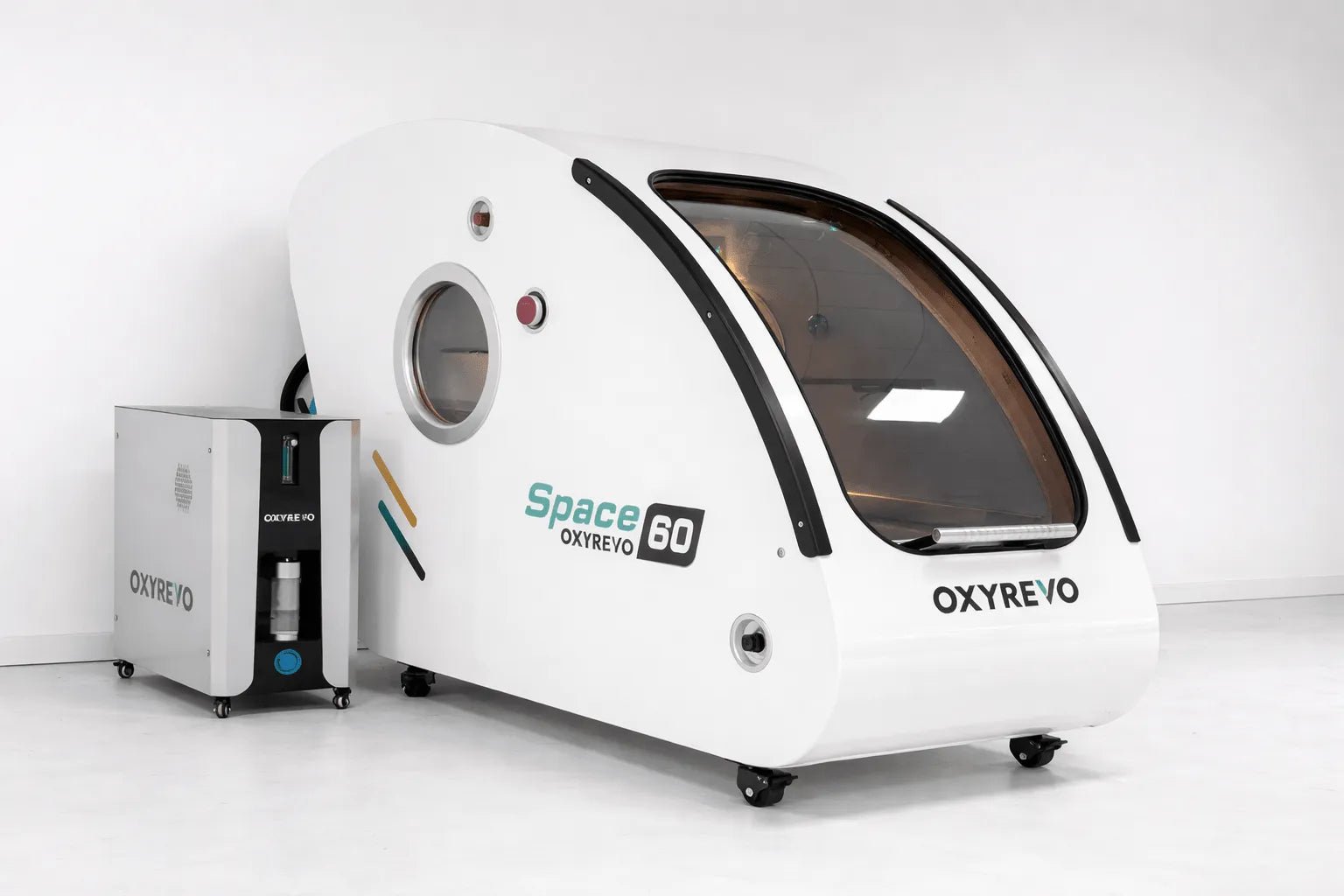
Hyperbaric Oxygen Therapy (HBOT): The Science, Proven Benefits, and How It’s Used Today
Introduction: Breathing Life Into Recovery
Hyperbaric Oxygen Therapy (HBOT) is one of the most studied oxygen-based modalities in modern medicine—and also one of the most misunderstood.
At its core, HBOT increases the amount of oxygen your body can deliver to tissues by combining higher atmospheric pressure with elevated oxygen concentration. That combination supports recovery pathways tied to circulation, inflammation response, and cellular repair.
If you’re researching HBOT for a home or professional wellness environment, it helps to separate three things:
- The science — how pressure changes oxygen delivery
- Evidence-backed clinical uses — where HBOT is medically established (under medical supervision)
- How people use chambers today — protocols, chamber types, and buying considerations in wellness settings
If you want a quick shopping overview first, start here:
👉 Hyperbaric Oxygen Therapy Buyer’s Guide
What Is HBOT?
HBOT is a controlled session inside a hyperbaric chamber where atmospheric pressure is increased above normal levels. Under higher pressure, oxygen dissolves more readily into blood plasma—not just red blood cells.
That matters because plasma can reach areas where circulation may be compromised or tissues are inflamed.
In plain English: pressure helps your body carry more oxygen to tissues, which may support recovery and resilience—especially when paired with a consistent routine.
For a clear, evidence-first explanation, see:
👉 HBOT Explained: Understanding Hyperbaric Oxygen Therapy & Its Benefits
The Science Behind HBOT
The Two Core Mechanisms
1) Hyperoxygenation
Higher pressure increases the amount of oxygen dissolved in plasma, improving diffusion into tissues.
2) Secondary Effects (What Oxygen Availability Can Support)
Improved oxygen delivery may support pathways related to:
- Inflammation response (reduced swelling/edema in certain scenarios)
- Immune support (oxygen-dependent immune mechanisms)
- Microcirculation support (tissue-level perfusion pathways)
- Recovery signaling (cellular repair processes dependent on oxygen availability)
Important note: In medical settings, HBOT is delivered under strict protocols and supervision. In wellness environments, goals and protocols vary—so product selection, safe operation, and professional guidance matter.
Types of Hyperbaric Chambers
Choosing a chamber usually comes down to use case, comfort, and environment (home vs. clinic vs. performance facility).
Soft Hyperbaric Chambers
Soft chambers are typically portable and commonly used in home wellness routines where flexibility and footprint matter.
Explore soft chambers:
👉 Shop Soft Hyperbaric Chambers
Example product:
👉 Oxycheny Lying Portable Hyperbaric Chamber – CY8B
Hard Hyperbaric Chambers
Hard chambers are designed for users who want a more clinical-style build, upgraded materials, and a premium experience—often used in professional or performance environments.
Explore hard chambers:
👉 Shop Hard Hyperbaric Chambers
Example products:
Proven Benefits and Established Uses
HBOT has a long history in medical environments, including established applications such as decompression sickness and carbon monoxide exposure (delivered under medical supervision).
For a practical, evidence-first overview that’s easy to skim and share:
👉 HBOT Explained (Science + Practical Use)
Most readers want clarity on:
- What’s well-supported in clinical settings
- What’s promising but still being studied
- What “wellness use” typically looks like at home
That’s why a buyer-oriented overview helps:
👉 Hyperbaric Oxygen Therapy Buyer’s Guide
How HBOT Is Used Today in Wellness Environments
Outside of hospitals, hyperbaric chambers are often integrated into broader recovery routines—especially when paired with modalities that target different systems such as circulation, inflammation response, mitochondrial function, and sleep quality.
To see how HBOT fits into a larger recovery strategy:
👉 The Ultimate Longevity Stack (Infrared + Cryotherapy + HBOT + Red Light)
For readers focused on sleep and recovery optimization:
👉 Sleep Optimization: How Oxygen + Light + Heat Modalities Support Rest
Buying Considerations That Actually Matter
1) Chamber Type and Position
- Lying down, seated, or flexible use?
- Will you use it daily? (Comfort matters more than most people expect.)
2) Space and Installation Realities
- Where will it live—home gym, spare room, facility?
- How will you manage airflow, access, noise, and routine?
3) Your Primary Goal
If your goal is general wellness support, prioritize:
- Comfort and usability (the system you’ll actually use)
- Simple, repeatable workflows
- Strong product support and guidance
Start here to simplify the decision:
👉 Hyperbaric Oxygen Therapy Buyer’s Guide
Quick Links: Shop Hyperbaric Chambers
- Shop Hard Hyperbaric Chambers
- Shop Soft Hyperbaric Chambers
- View OxyRevo Space60 (Hard Sitting)
- View OxyRevo Quest (Hard Shell)
Safety + Medical Disclaimer
Consult your healthcare provider before beginning HBOT if you have a medical condition, take prescription medications, are pregnant, or have concerns about oxygen exposure or pressure changes.
Hyperbaric chambers offered for wellness use are not intended to diagnose, treat, cure, or prevent any disease. Always follow manufacturer instructions, operate in a well-ventilated area, and use only approved accessories and protocols.
Conclusion
HBOT sits at the intersection of physics and physiology. Pressure changes how oxygen is delivered, and oxygen availability influences recovery processes the body relies on every day.
The best outcomes—whether in clinical settings or wellness routines—come from aligning the right chamber type with the right goal, then using it consistently as part of a broader recovery lifestyle.
Helpful follow-up reads:

%20is%20one%20of%20the%20most%20studied%20oxygen-based%20modalities%20in%20modern%20medicine%E2%80%94and%20also%20one%20of%20the%20most%20misunderstood.%0A%0AAt%20its%20co...)