
Hot and Cold Plunge Tubs: How Dual-Temperature Systems Work
Short answer: "hot and cold plunge" describes two different products. A two-well combo is one cabinet with a hot side and a cold side that run at the same time. A dual-temperature tub is a single body of water that one system can either chill or heat, so it is hot or cold at any moment, not both. Decide which you mean before you compare prices, then check each model's upper temperature limit, because "heats" does not mean the same thing on every listing. Our cold plunge tub collection includes dual-temperature models.
The two designs
| Two-well combo | Dual-temperature tub | |
|---|---|---|
| Bodies of water | Two, side by side | One |
| Hot and cold at once | Yes | No; you switch the setpoint |
| Footprint | One large cabinet | One tub, or a tub plus an external chiller |
| What to check | Size, electrical supply and the temperature range of each side | Temperature range, time to change over, electrical supply |
Pages about a "cold plunge hot tub combo" usually describe the first design. The second comes in two forms.
Form 1: a self-contained dual-temperature tub
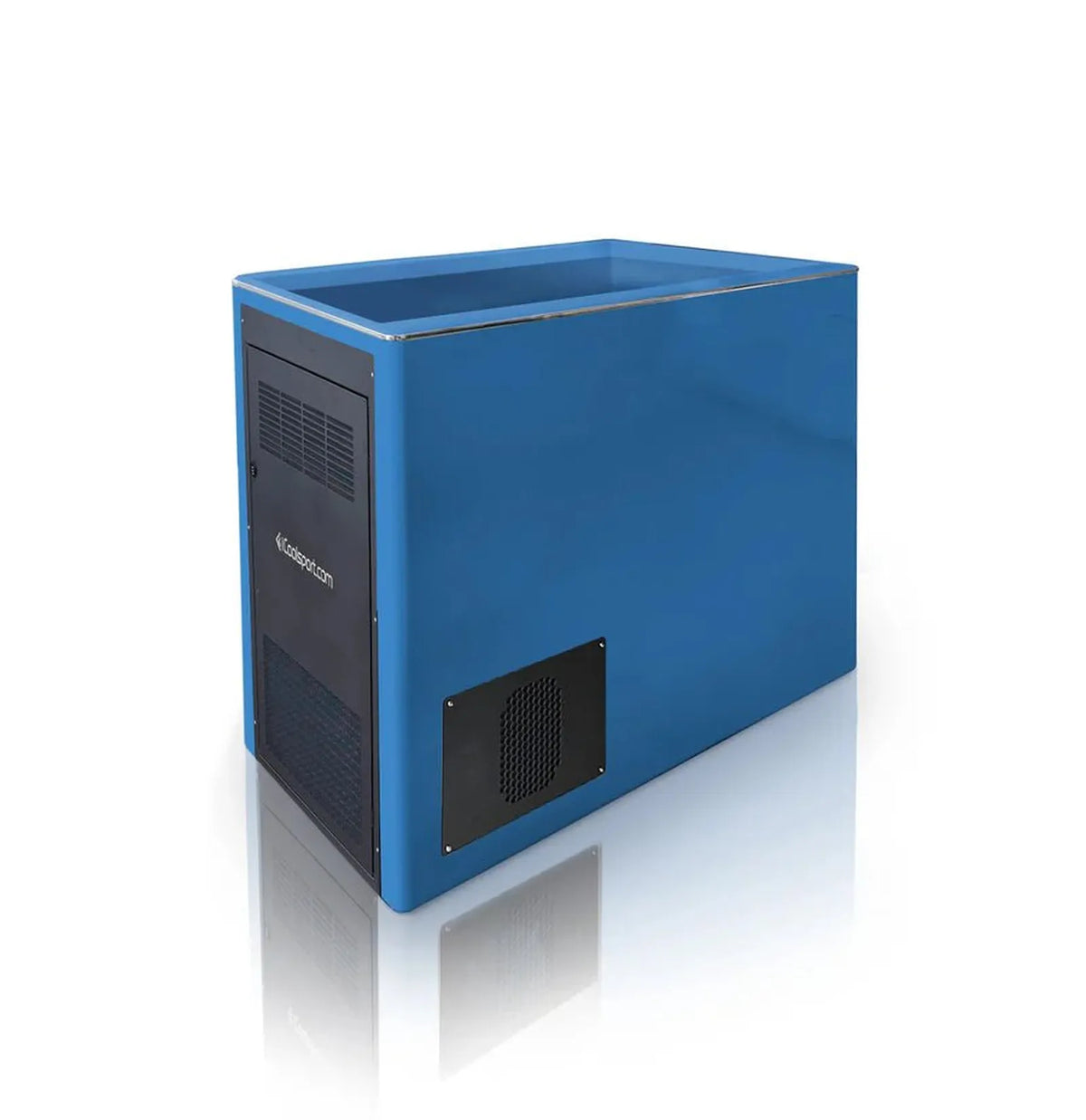
Here the chilling and heating equipment is built into the tub's own cabinet. The iCoolsport MiPod Pro Dual Temp in our range is an example. Its manufacturer's specification states:
- a temperature range of 4°C (39°F) to 40°C (104°F);
- 5,000 watts of cooling power;
- external dimensions of 1530 × 790 × 1210 mm, for one to two adults;
- no plumbing needed beyond drainage.
The smaller MiPod Mini Dual Temp is specified at 1330 × 780 × 1055 mm for one adult. For either model, ask for the heating power and the filled weight in writing: a filled tub of this size weighs several hundred kilograms, and the surface must be level and able to carry it.
Form 2: a cold plunge tub with a heat-and-cool chiller
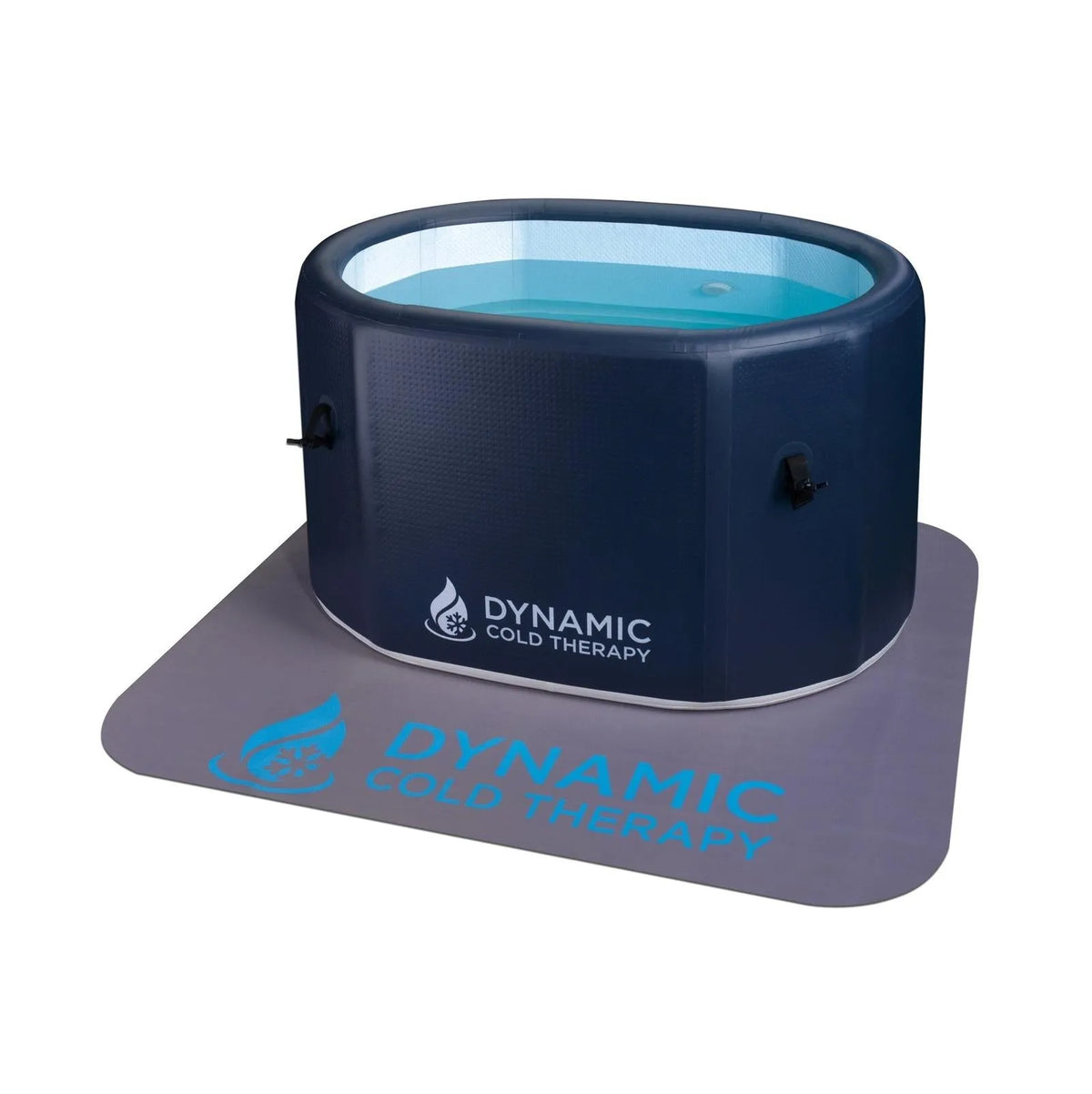
Here the tub is separate and an external unit does both jobs. The Dynamic Cold Therapy Standard Edition chiller (Cold/Heat) is listed to cool water to 37°F and heat it to 85°F, for volumes up to 135 gallons, from a standard 110V outlet with built-in GFCI protection. It measures 22 by 16 by 23 inches and weighs 80 lb.
Compare the upper limits in the two forms: 104°F for the self-contained tub above, 85°F for this chiller. Both are accurately described as "hot and cold", yet they are not the same thing. If you want hot-tub temperatures, the upper limit is the specification to read. More heat-and-cool units are in the chiller collection.
What to ask before you buy
- Temperature range. The lowest and highest setpoints, as stated by the manufacturer.
- Changeover time. How long the system takes to move the full volume from the cold setpoint to the hot one and back, and under what conditions. Manufacturers do not always publish this; ask. Our article on chiller sizing explains why water volume and temperature difference drive the answer.
- Electrical supply. Voltage, amperage, plug or hardwire, and whether a dedicated circuit is required. A unit with kilowatts of heating and cooling is a significant load. Have a licensed electrician confirm the supply under the electrical code adopted where you live, in the United States NFPA 70, the National Electrical Code. See also our guide to cold plunge electrical and GFCI requirements.
- Filled weight and surface. Compare the stated filled weight with what the floor, deck or slab can carry.
- Use environment. Indoor, covered outdoor or fully outdoor, as the manufacturer states.
- Cover. Whether an insulated cover is included or sold separately.
- Drainage. Where the drain is and where the water will go.
Running cost
Holding water hot, holding it cold and switching between the two all use electricity. No single figure applies across models, so we do not quote one. To estimate your own, use the unit's rated power, the hours you expect it to run and your electricity rate; the U.S. Energy Information Administration publishes electricity data by state. Our operating costs guide shows the method.
Which design fits
Pick a two-well combo if two people want hot and cold at the same moment and you have the space and supply for a large cabinet. Pick a dual-temperature tub if one body of water is enough and you are content to set it cold for one period and hot for another. Pick a tub with a heat-and-cool chiller if you already own a compatible tub, or want to choose the tub and the machine separately.
Frequently asked questions
Can one tub be both a hot tub and a cold plunge?
A dual-temperature tub can be set hot or cold, but not both at once. How hot depends on the model's stated upper limit.
How long does it take to switch from cold to hot?
It depends on the water volume, the heating power and the temperature difference. Ask the manufacturer for a changeover time and the conditions it was measured in.
Does a hot and cold plunge need special wiring?
Requirements vary by model. Some heat-and-cool chillers are listed for a standard 110V outlet; larger self-contained tubs may need more. Read the manufacturer's electrical requirement and have an electrician confirm it.
Can a heat-and-cool chiller be added to any tub?
Only to a tub with compatible fittings and a water volume within the chiller's stated capacity. Check both listings.