
Understanding Pressure Chamber Sequencing for Advanced Recovery
The Chamber Sequencing Guide: Optimizing Your Recovery Schedule
Research has explored how spending time in specialized ambient pressure systems may influence physical conditioning, micro-circulation signaling, and natural recovery pathways. However, utilizing a lifestyle chamber should not be presented as a guaranteed biological therapy, anti-aging miracle, or clinical condition reversal protocol. A practical and compliant approach is to view ambient pressure systems as an advanced wellness modality being studied for its potential role in total body relaxation, muscle comfort, and systemic conditioning support.
This guide explains the ambient airflow variables, how session sequencing is commonly organized by fitness enthusiasts, what structural factors influence a home wellness routine, and how to plan a responsible recovery space.
Disclaimer: This article is for educational purposes only and does not provide medical advice, diagnosis, or treatment. Ambient pressure systems should be discussed with a qualified professional, especially if you are managing health variables, are pregnant, or are evaluating hardware specifications. Wellari products are intended strictly for general relaxation and lifestyle performance purposes; they are not intended to diagnose, treat, cure, or prevent any medical condition or disease.
What Are Pressurized Wellness Sessions?
Pressurized wellness sessions involve spending dedicated relaxation time inside an engineered structural chamber while breathing refreshed, oxygen-rich airflow managed by the system's integrated compressors. By safely adjusting the internal atmospheric environment, these systems change how ambient air is delivered and experienced during rest.
In clinical healthcare environments, high-pressure medical systems are operated under strict supervision for specific approved therapeutic indications. In contrast, inside premium home wellness environments, individuals explore lifestyle chambers as a key pillar of broader recovery routines focused on physical relaxation, post-workout conditioning, and modern healthy-aging habits.
Why the Phrase “Hyperbaric Stem Cell Protocol” Needs Careful Framing
The phrase “hyperbaric stem cell protocol” is highly popular online because it captures consumer interest in regenerative fitness trends. However, it creates an immediate regulatory risk for a commercial store if an article appears to guarantee specific cellular release, tissue repair, or anti-aging biological outcomes.
A compliant wellness article should maintain a balanced perspective using descriptive retail language:
- "Ambient systems are studied for general physical conditioning."
- "Research explores how changing air pressure impacts physical relaxation."
- "Individual response to lifestyle recovery tools will always vary."
- "Equipment should always be operated according to structural manufacturer guidelines."
This precise framing allows your content to naturally capture organic interest around performance protocols and systemic wellness without exposing your checkout platform to unapproved health claim flags.
Understanding Ambient Air and Flow Dynamics
One of the most discussed concepts in modern recovery research is how alternating between periods of specialized atmospheric pressure and normal sea-level conditions impacts the body. This concept suggests that shifting environmental environments may prompt positive, adaptive biological signaling.
This process does not mean the body is experiencing stress or air deprivation during a session. Instead, the physical system responds to the pure, refreshed airflow variations as an environmental cue. Researchers continue to study how these adjustments influence natural pathways related to physical conditioning, cellular stamina, and overall vitality.
For consumer wellness enthusiasts, the takeaway is simple: optimizing an ambient pressure session is about structural consistency, proper chamber choices, appropriate rest cycles, and strict adherence to equipment safety parameters.
Step 1: Start With a Clear Wellness Goal
The first step in any chamber sequencing plan is identifying your lifestyle goals. Different users require different setups, whether they are focusing on post-activity recovery, deep relaxation, physical output optimization, or building out a comprehensive home wellness space.
Common wellness goals include:
- Supporting active post-workout recovery routines.
- Adding a clean, pressurized airflow station to a home gym or spa room.
- Maximizing relaxation consistency on rest days.
- Combining chamber use with red light panels, cold therapy, or infrared saunas.
- Maintaining a structured weekly physical conditioning schedule.
Step 2: Choose the Right Chamber Configuration
Chamber selection is a major part of building a reliable routine. Hardware is engineered for specific settings, spatial footprints, and user experiences.
| CHAMBER CONFIGURATIONS | |
|---|---|
| SOFT-SHELL MODELS | HARD-SHELL SYSTEMS |
|
|
Wellari lists these two configurations as separate collections, so you can compare within one category at a time: soft-shell chambers and hard-shell chambers.
Browse Wellari’s Hyperbaric Chambers page to compare available chamber categories.
Step 3: Understand Pressure and ATA Ratings
ATA stands for Atmospheres Absolute, a unit that describes the structural pressure environment inside an enclosed wellness chamber. Consumer and lifestyle-oriented setups typically operate at lower, highly controlled pressure ranges compared to heavy hospital-based clinical systems.
Because atmospheric settings directly influence ear comfort and overall user experience, it is essential to follow your system’s exact operating manual rather than attempting to configure an aggressive or unapproved custom pressure level. Key metrics to monitor include:
- The factory pressure certification rating.
- Ear and sinus pressure equalization comfort during initial startup.
- Smooth compressor airflow transitions.
- Manufacturer-approved operational limits.
Step 4: Build a Consistent Frequency Schedule
Consistency is far more impactful than chasing extreme settings. A sustainable, moderate routine is always superior to an overly intense schedule that is difficult to maintain safely.
Many home wellness users find success scheduling a few comfortable sessions per week, blending the time seamlessly into their lifestyle routines. The optimal setup depends entirely on your personal layout, physical conditioning goals, and manufacturer documentation.
For more guidance on session planning, read Wellari’s HBOT Frequency Guide.
Step 5: Plan Session Duration Responsibly
Standard wellness chamber sessions are divided into three distinct structural phases:
- Pressurization: Gradual stabilization of the internal atmosphere.
- Target Duration: Time spent resting comfortably at peak setting.
- Depressurization: A smooth return to normal room pressure.
Most home configurations favor repeatable, highly comfortable sessions. If a session ever causes excessive fatigue, ear discomfort, or a general feeling of being unwell, the routine should be paused and re-evaluated with a qualified advisor.
Step 6: Support the Body Between Sessions
Advanced wellness technology functions best when integrated into an established lifestyle foundation. Equipment should never be relied upon as a standalone shortcut for basic wellness practices.
Ensure your schedule balances your sessions with core wellness habits:
- Proper hydration and mineral balance.
- Strict sleep consistency and hygiene.
- Whole-food nutritional support.
- Routine mobility and stretching work.
- Active stress management.
Step 7: Combine Modalities Wisely
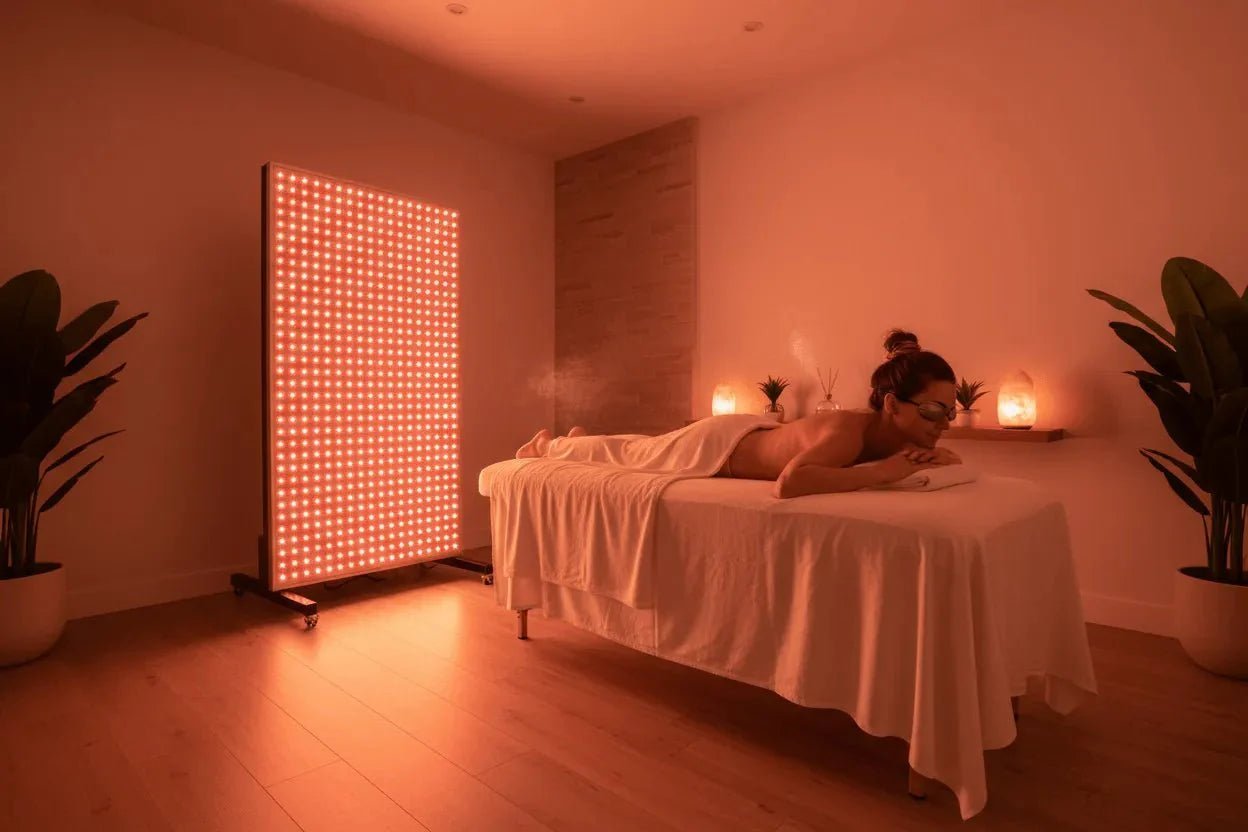
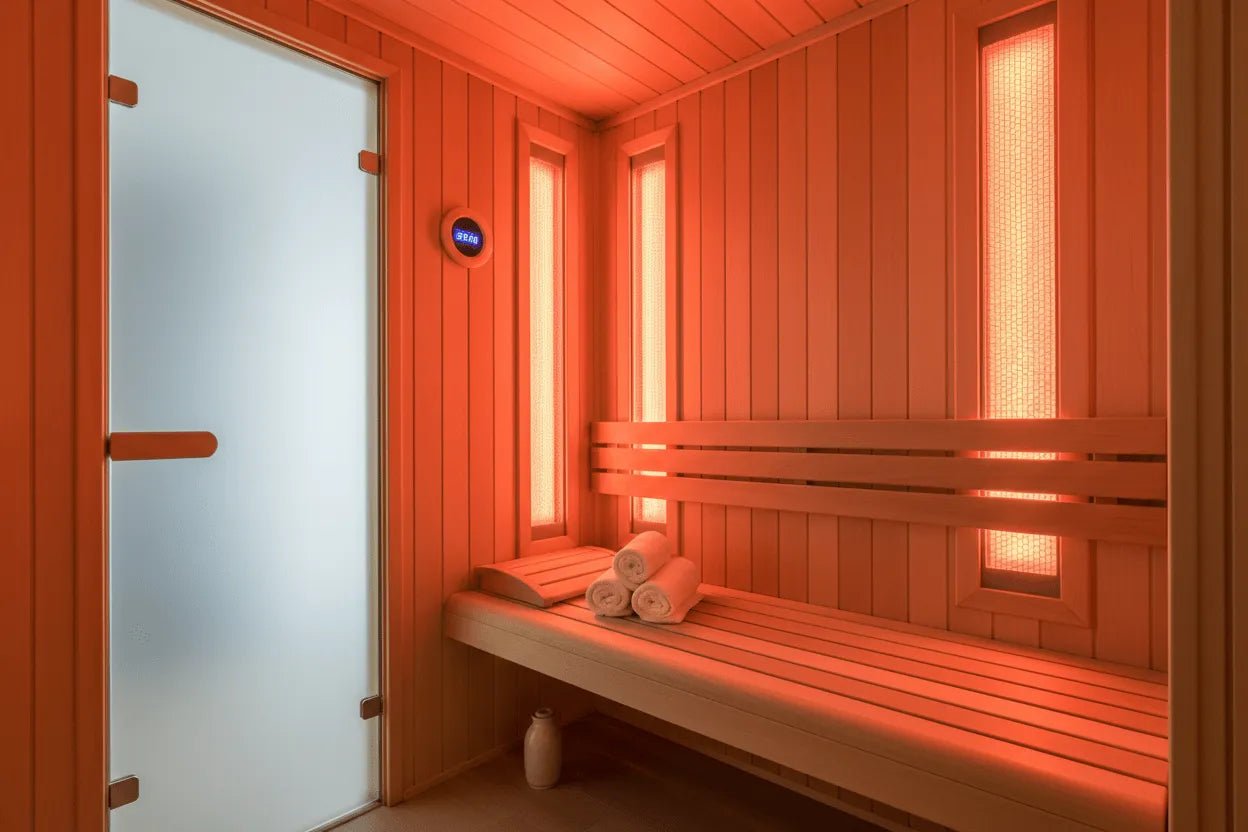
Many home wellness rooms and commercial recovery studios combine multiple technologies to create a complete circuit. Pressurized sessions are frequently paired with red light panels, cold plunge tubs, full-spectrum saunas, and pneumatic compression boots.
The secret to success lies in smart sequencing. A popular approach involves pairing highly relaxing, low-stress modalities together on active rest days while leaving intense temperature exposures for post-training slots. Start conservatively, modify one variable at a time, and listen to your body's feedback.
Explore Wellari’s related wellness categories:
For complete room planning ideas, read Wellari’s Design Your Dream Home Wellness Room.
Step 8: Track Your Lifestyle Response
Keeping a simple log helps you evaluate whether your custom schedule feels supportive or overly demanding. You do not need clinical testing metrics to observe real-world trends. Simply keep an eye on:
- Morning energy levels and physical stamina.
- Sleep patterns and sleep depth tracking.
- Muscle comfort following intense workouts.
- Physical ease during chamber pressurization.
- General week-over-week consistency.
Safety Considerations for Home Environments
Engineered wellness chambers involve managed air pressure, electrical connections, and dedicated air-flowing machinery. Operational safety must always serve as the foundation of your space.
- Strictly follow all printed manufacturer instructions and electrical grounding requirements.
- Keep all prohibited materials, unapproved heat sources, or restricted electronic items completely out of the cabin interior.
- Use only verified, brand-authorized accessories and companion components.
- Discontinue any session immediately and seek expert guidance if you experience unexpected ear pressure issues or discomfort.
FAQ: Sequencing and Chamber Protocols
What is a hyperbaric recovery protocol?
It is a popular phrase used to describe structured wellness routines built around controlled ambient pressure exposure, regular session scheduling, and lifestyle performance goals. These setups are designed for general relaxation and physical conditioning rather than medical treatments.
How does changing ambient pressure support the body?
Altering atmospheric pressure inside a premium chamber optimizes the natural environmental conditions in which you rest. This supports deep relaxation, assists with mental focus, and provides an ideal environment for post-workout muscle recovery.
What is the difference between soft-shell and hard-shell wellness chambers?
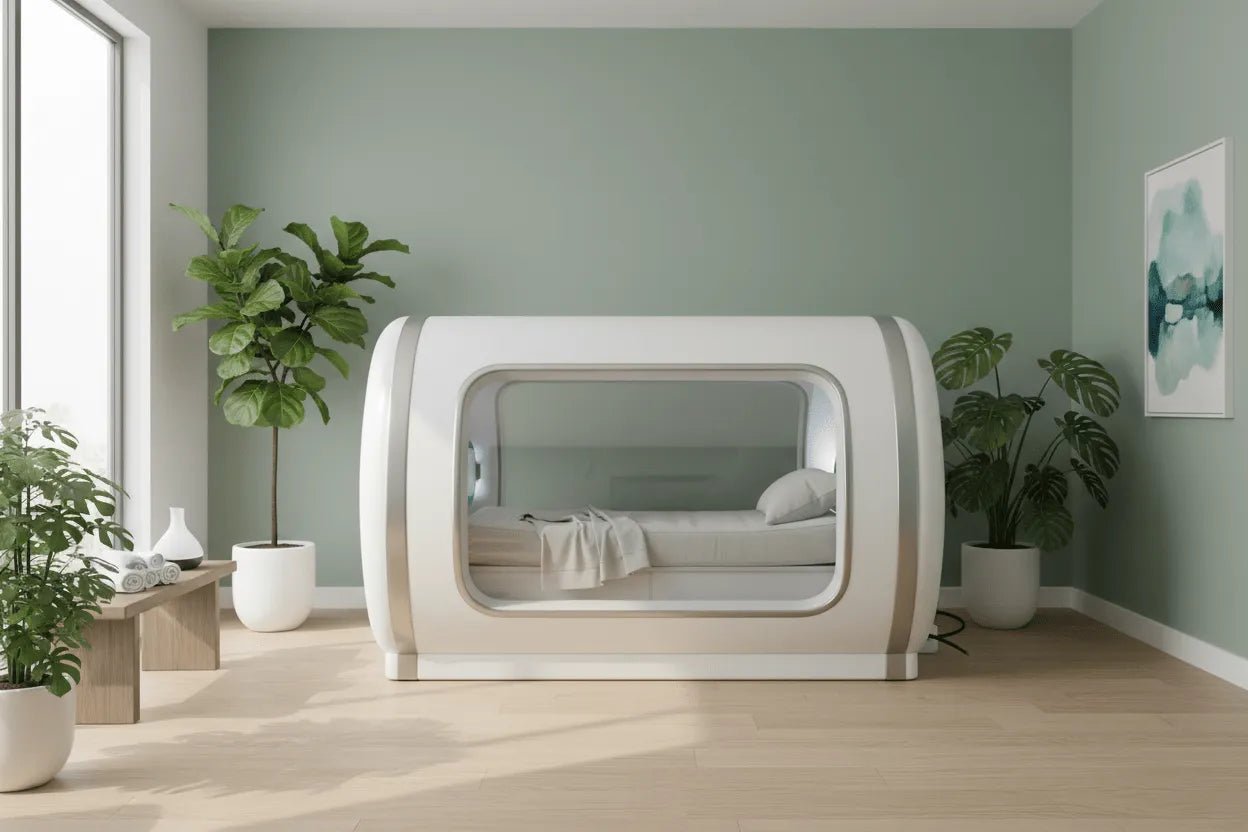
Soft-shell units utilize advanced, flexible composite materials that are highly popular for convenient, space-saving residential use. Hard-shell chambers feature rigid structural frames engineered for commercial recovery centers, professional athletic facilities, or premium home wellness suites.
Can I combine ambient pressure sessions with red light therapy?
Absolutely. Many performance enthusiasts integrate chamber sessions alongside red light panel exposure as part of an overlapping lifestyle routine. The ideal ordering depends entirely on your comfort preferences and daily recovery goals.
Is a home wellness chamber safe to use every day?
Modern consumer chambers are built with extensive safety valves and automated parameters designed for regular use. However, building a sustainable routine requires adhering strictly to the manufacturer's suggested frequency guides and user manuals.
Sources
- Undersea & Hyperbaric Medical Society (UHMS)
- U.S. Food & Drug Administration: Follow Instructions for Safe Use of Hyperbaric Oxygen Therapy Devices
- Cleveland Clinic: Hyperbaric Oxygen Therapy Overview
- Johns Hopkins Medicine: Hyperbaric Oxygen Therapy
Final Takeaway
The most effective recovery routine isn't the most extreme or aggressive one; it is the one that is safe, consistent, comfortable, and tailored to your specific lifestyle goals. While high-tech terminology is popular across social media, consumer systems should be approached as exceptional lifestyle engineering designed to support long-term physical conditioning.
Prioritize proper model selection, follow structural safety guidelines, complement your sessions with healthy lifestyle fundamentals, and focus on building a rewarding routine that supports long-term consistency.
Explore Wellari’s Hyperbaric Chambers page to compare home and professional wellness chamber options.