
Canadian Hemlock vs. Western Red Cedar: The Ultimate Sauna Wood Buying Guide
When shopping for an infrared sauna or home sauna, most buyers compare heater type, size, price, and design. However, one of the most important features is often overlooked: the wood used inside the sauna cabin.
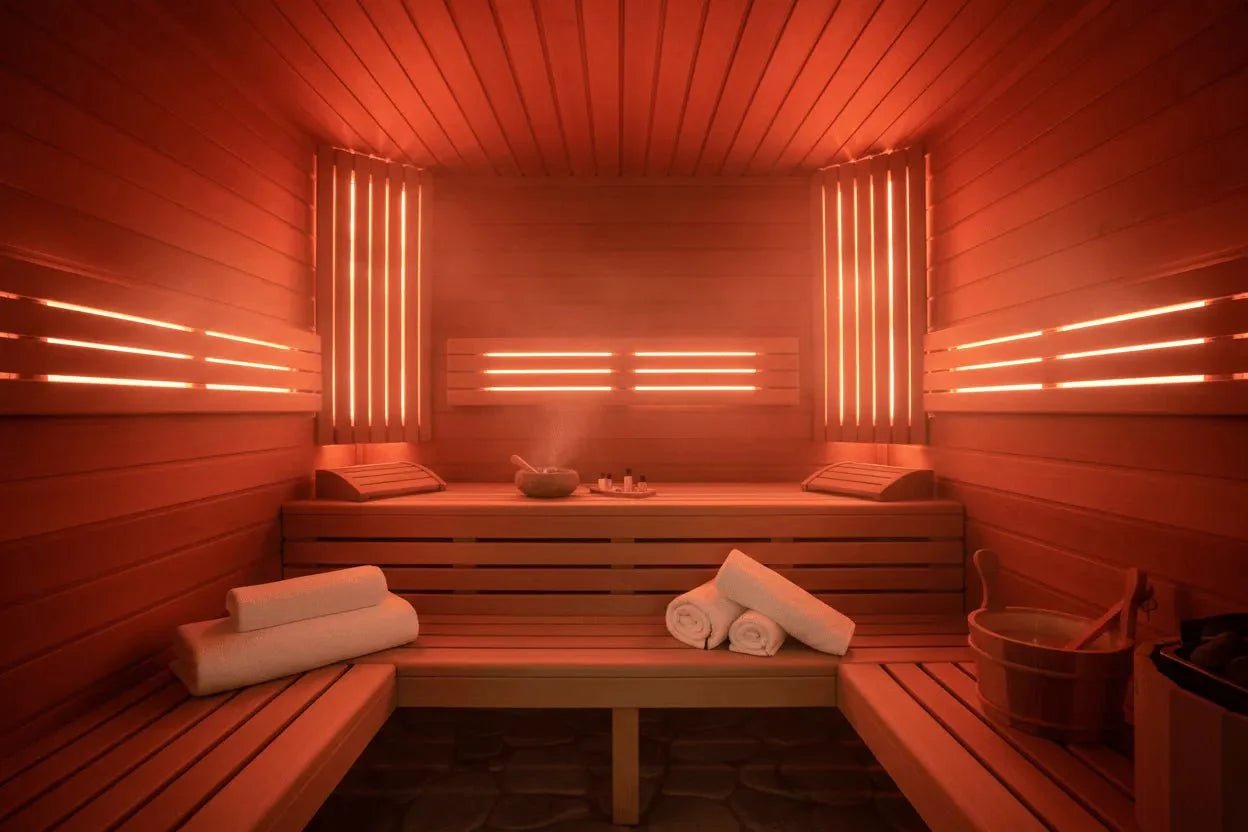
Canadian Hemlock and Western Red Cedar are two of the most common premium woods used in sauna construction. Both can perform well in heated environments, but they offer different advantages in aroma, appearance, durability, moisture resistance, maintenance, and overall sauna experience.
This guide compares Canadian Hemlock vs. Western Red Cedar so you can choose the best sauna wood for your home wellness room, indoor infrared sauna, or professional recovery space.
Disclaimer: This article is for educational purposes only. Sauna materials, wood sourcing, emissions, and construction quality vary by manufacturer. Always review product specifications, safety documentation, warranty information, and manufacturer guidance before purchasing or using a sauna.
Why Sauna Wood Choice Matters
Sauna wood is more than a design detail. It influences the look, feel, aroma, durability, and comfort of the sauna environment. In an infrared sauna, the heating system provides the primary source of warmth, but the wood cabin contributes to the overall user experience.
Important sauna wood considerations include:
- Heat tolerance
- Moisture stability
- Aroma
- Surface comfort
- Maintenance needs
- Construction quality
- Long-term durability
- Material sourcing
If you are building a dedicated home wellness space, read Wellari’s guide: Design Your Dream Home Wellness Room.
Canadian Hemlock Sauna Wood: Clean, Smooth, and Neutral
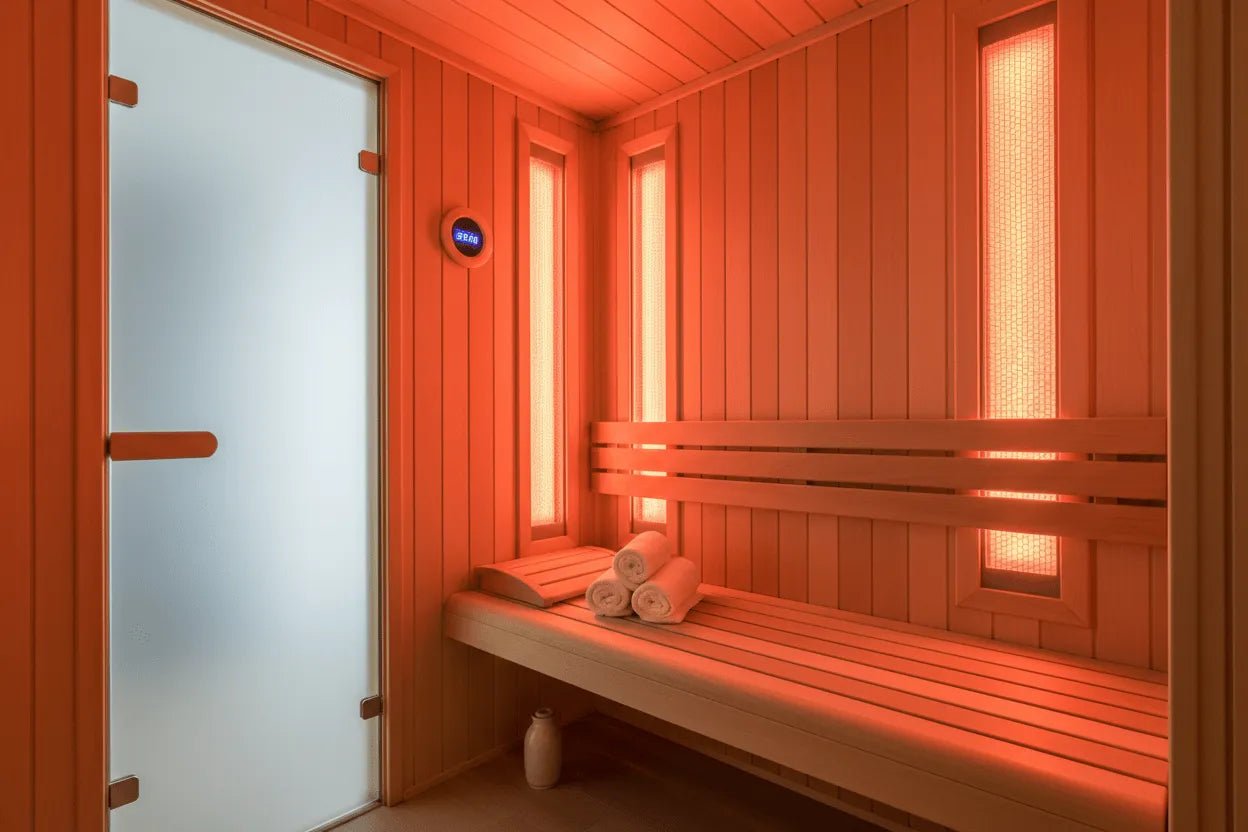
Canadian Hemlock is widely used in indoor infrared sauna construction because it has a smooth appearance, mild scent, and stable performance in heated residential environments.
Many buyers choose Canadian Hemlock because it provides a clean, modern sauna look without the strong natural aroma associated with cedar. This makes it appealing for users who prefer a more neutral sauna experience.
Common advantages of Canadian Hemlock include:
- Mild natural scent
- Light, clean appearance
- Smooth interior feel
- Often more affordable than cedar
- Popular for indoor infrared saunas
- Modern wellness-room aesthetic
Explore Wellari’s Infrared Sauna Collection to compare sauna styles for home wellness use.
Western Red Cedar Sauna Wood: Aromatic, Traditional, and Moisture-Resistant
Western Red Cedar is one of the most traditional sauna woods. It is known for its rich color, distinctive aroma, and natural resistance to moisture-related wear when properly sourced and maintained.
Many sauna buyers choose Western Red Cedar because it creates a classic spa-like environment. The warm color variation and recognizable cedar scent make it a popular choice for users who want a more traditional sauna experience.
Common advantages of Western Red Cedar include:
- Recognizable cedar aroma
- Rich natural color variation
- Traditional sauna feel
- Strong moisture-resistance reputation
- Premium appearance
- Popular in both traditional and infrared sauna designs
Hemlock vs. Cedar Sauna: Quick Comparison
| Feature | Canadian Hemlock | Western Red Cedar |
|---|---|---|
| Aroma | Mild and neutral | Distinct cedar scent |
| Appearance | Light and clean | Rich color variation |
| Cost | Often more affordable | Often premium priced |
| Moisture Resistance | Good for indoor use | Strong natural moisture resistance |
| Best For | Modern indoor infrared saunas | Traditional spa-style sauna feel |
| Scent Sensitivity | Often preferred by users wanting less aroma | May be too aromatic for some users |
Which Sauna Wood Smells Stronger?
Western Red Cedar typically has a stronger natural aroma than Canadian Hemlock. For many sauna users, that scent is part of the traditional sauna experience. Others may prefer a milder interior, especially in smaller indoor sauna cabins.
If you are sensitive to strong scents, Canadian Hemlock may be the better choice. If you enjoy a traditional cedar sauna aroma, Western Red Cedar may be more appealing.
Which Wood Is Better for Infrared Saunas?
Both Canadian Hemlock and Western Red Cedar can be used successfully in infrared sauna construction. The best choice depends on your priorities.
Canadian Hemlock is common in many indoor infrared saunas because it offers a clean look, mild scent, and practical cost. Western Red Cedar is often chosen when buyers want a more traditional sauna feel, richer appearance, and stronger natural aroma.
When comparing infrared sauna wood, also consider:
- Heater type
- Low-EMF design
- Cabin size
- Electrical requirements
- Ventilation
- Warranty support
- Assembly quality
For related wellness technology considerations, read Wellari’s Low-EMF Red Light Guide.
Low-VOC Sauna Considerations
Many sauna shoppers search for low-VOC saunas because high heat can make material quality more noticeable. Rather than focusing only on the wood species, buyers should evaluate the entire sauna construction.
Important low-emission sauna considerations include:
- Use of solid wood or quality engineered materials
- Type of adhesives or finishes used
- Manufacturer material disclosures
- Ventilation design
- Third-party safety testing when available
- Clear warranty and care instructions
It is best to avoid making assumptions based only on the wood name. A well-built sauna depends on sourcing, drying, construction methods, adhesives, finishes, and quality control.
Kiln Drying and Wood Stability
Kiln drying helps reduce the moisture content of wood before it is used in sauna construction. Proper drying can improve stability and reduce the likelihood of excessive warping, cracking, or movement during repeated heating and cooling cycles.
Whether you choose Canadian Hemlock or Western Red Cedar, quality manufacturing matters. Poorly dried or poorly assembled wood may create issues regardless of species.
Signs of better sauna wood construction include:
- Properly dried wood
- Quality joinery
- Stable panel construction
- Smooth interior surfaces
- Clear care instructions
- Reliable manufacturer support
Tongue-and-Groove Construction
Many quality saunas use tongue-and-groove construction. This type of design allows wood panels to fit together securely while allowing natural movement during heating and cooling.
Good construction can help improve cabin comfort, heat retention, and long-term durability.
Sauna Maintenance: Hemlock vs. Cedar
Both Canadian Hemlock and Western Red Cedar are relatively low maintenance when properly used and cared for. The most important maintenance steps are simple and consistent.
Sauna maintenance tips include:
- Sit on a towel during use.
- Allow the sauna to air out after sessions.
- Wipe surfaces with a soft cloth as recommended.
- Avoid harsh chemical cleaners unless approved by the manufacturer.
- Follow all care instructions for your specific sauna model.
Cedar may require slightly different care because of its natural oils and aroma, while Hemlock may appeal to users who prefer a more neutral surface.
Sustainability and Sauna Wood Sourcing
Sustainability matters when choosing a sauna. Buyers should look for manufacturers that are transparent about wood sourcing, manufacturing standards, and responsible forestry practices.
Helpful sustainability considerations include:
- Responsible forestry practices
- Efficient manufacturing
- Clear material sourcing
- Durable construction that extends product life
- Reduced waste in packaging and production
Organizations such as the Forest Stewardship Council provide resources related to responsible forest management and wood sourcing.
How Sauna Wood Fits Into a Complete Home Wellness Room
A sauna is often one part of a larger wellness environment. Many homeowners pair infrared saunas with red light therapy, cold plunge systems, hyperbaric chambers, and recovery tools.
Explore related Wellari wellness categories:
Related Wellari Wellness Resources
Want to learn more about home wellness rooms, sauna planning, and complementary recovery technologies? Explore these Wellari Wellness guides:
Design Your Dream Home Wellness Room
Continuous Wave vs. Pulsed Red Light Therapy
FAQ: Canadian Hemlock vs. Western Red Cedar Saunas
Is Canadian Hemlock better than Western Red Cedar?
Neither wood is universally better. Canadian Hemlock is often chosen for its mild scent, clean appearance, and modern feel. Western Red Cedar is often chosen for its traditional aroma, rich color, and premium sauna character.
What is the best wood for an infrared sauna?
Canadian Hemlock and Western Red Cedar are both commonly used in infrared sauna construction. The best choice depends on your scent preference, budget, design goals, and desired sauna experience.
Does cedar smell stronger than hemlock?
Yes. Western Red Cedar typically has a more noticeable natural aroma, while Canadian Hemlock tends to have a milder scent profile.
Which sauna wood requires less maintenance?
Both woods are relatively low maintenance when properly kiln dried and cared for according to manufacturer recommendations.
Is Canadian Hemlock good for infrared saunas?
Yes. Canadian Hemlock is commonly used in indoor infrared sauna construction because of its stable performance, clean appearance, and mild aroma.
Does sauna wood affect performance?
The heating system plays the primary role in sauna performance, but wood selection can influence comfort, durability, aroma, appearance, and overall user experience.
How long do Hemlock and Cedar saunas last?
With proper care and quality construction, both Canadian Hemlock and Western Red Cedar saunas can provide many years of residential use.
What should I look for when buying a sauna?
Look for quality construction, clear wood specifications, reliable heating technology, low-emission material disclosures, safety documentation, warranty coverage, and strong manufacturer support.
Is Western Red Cedar worth the higher price?
Western Red Cedar may be worth it if you value a traditional cedar aroma, richer visual character, and premium sauna feel. If you prefer a milder scent and cleaner modern look, Canadian Hemlock may be the better value.
Is a sauna good for a home wellness room?
Many homeowners include infrared saunas as part of a wellness room that may also include cold therapy, red light therapy, hyperbaric chambers, and recovery equipment.
Sources
U.S. Environmental Protection Agency – Indoor Air Quality
U.S. Department of Energy – Buildings and Energy Efficiency
Final Takeaway
Canadian Hemlock and Western Red Cedar are both strong choices for sauna construction, but they serve different buyer preferences. Hemlock is often selected for a clean, mild, modern indoor sauna experience. Western Red Cedar is often preferred for its traditional scent, rich color, and premium sauna character.
For most buyers, the best sauna is not determined by wood species alone. Quality construction, safe materials, kiln drying, heating technology, warranty support, and manufacturer transparency all matter.
Explore Wellari’s Infrared Sauna Collection to compare home sauna options for your wellness space.