
HBOT Treatment Protocols: Session Timing, Recovery Support & Hyperbaric Chamber Planning
Hyperbaric oxygen therapy, often called HBOT, has become a major topic in recovery, wellness technology, athletic performance, and home health optimization. While many people search for aggressive “biohacking” protocols, the safer and more accurate way to understand HBOT is as a structured oxygen-based wellness routine that should be approached carefully, consistently, and with professional guidance.
This guide explains how HBOT sessions are commonly structured, how treatment timing is typically planned, what chamber types to compare, and how to build a responsible hyperbaric wellness routine without relying on exaggerated medical claims.
Important disclaimer: This article is for educational purposes only and does not provide medical advice, diagnosis, or treatment. Hyperbaric oxygen therapy should be discussed with a qualified healthcare professional, especially if you have a medical condition, are pregnant, use oxygen equipment, or are considering HBOT for a diagnosed health concern. Wellari products are intended for general wellness purposes and are not intended to diagnose, treat, cure, or prevent disease.
What Is Hyperbaric Oxygen Therapy?
Hyperbaric oxygen therapy involves spending time inside a pressurized chamber while breathing oxygen-enriched air or oxygen, depending on the system and setting. The increased pressure allows the body to carry more oxygen than it would under normal atmospheric conditions.
In clinical settings, HBOT is used under medical supervision for specific approved conditions. In wellness settings, people are increasingly exploring hyperbaric chambers as part of broader routines focused on recovery, relaxation, performance support, and healthy aging habits.
Explore Wellari’s Hyperbaric Chambers page to compare available chamber styles.
Why HBOT Protocols Matter
HBOT is not just about sitting in a chamber one time. Most hyperbaric routines are built around consistency, session duration, pressure level, and recovery goals. A thoughtful HBOT protocol helps users understand how often sessions may be used, how long sessions typically last, and how the chamber fits into a larger wellness plan.
Common HBOT protocol considerations include:
- Session length
- Session frequency
- Chamber pressure capability
- Comfort during use
- Recovery goals
- Medical supervision when appropriate
- Consistency over time
What About HBOT and Stem Cell Support?
Some research has explored how oxygen exposure, pressure changes, and cellular signaling may relate to repair pathways in the body. However, wellness content should avoid promising stem cell activation, regeneration, disease reversal, or anti-aging outcomes.
A safer way to frame this topic is that HBOT is being studied for how increased oxygen availability may influence recovery, circulation, tissue oxygenation, and wellness support. Individual results vary, and any clinical use should be guided by qualified professionals.
For a broader educational overview, read Wellari’s related article: Unlock Rapid Healing: How Hyperbaric Chambers Work.
Typical HBOT Session Length
Session length can vary depending on the chamber, pressure level, user goals, and professional recommendations. Many HBOT sessions are commonly structured around a steady time block that allows for pressurization, treatment time, and decompression.
General session timing may include:
- Short wellness sessions: approximately 45–60 minutes
- Common recovery sessions: approximately 60–90 minutes
- Longer supervised sessions: up to 90–120 minutes depending on setting and protocol
Users should always follow the chamber manufacturer’s guidelines and seek professional advice when using HBOT for health-related reasons.
Common HBOT Frequency Schedules
There is no universal HBOT schedule that applies to everyone. Frequency depends on user goals, chamber type, wellness routine, and medical guidance.
General Wellness Routine
Some wellness users may choose a few sessions per week as part of a broader recovery and relaxation routine.
Athletic Recovery Routine
Athletes may use HBOT alongside sleep, nutrition, mobility, cold therapy, compression, and red light therapy to support recovery habits.
Professional or Clinical Routine
More structured HBOT programs may involve multiple sessions over several weeks, but these should be directed by qualified healthcare professionals.
For home-use planning and safety considerations, see Wellari’s guide: HBOT at Home: What to Expect, Safety Checklist, and How Often to Use a Hyperbaric Chamber.
Hard-Shell vs. Soft-Shell Hyperbaric Chambers
One of the biggest decisions when shopping for a home hyperbaric chamber is whether to choose a hard-shell or soft-shell system.
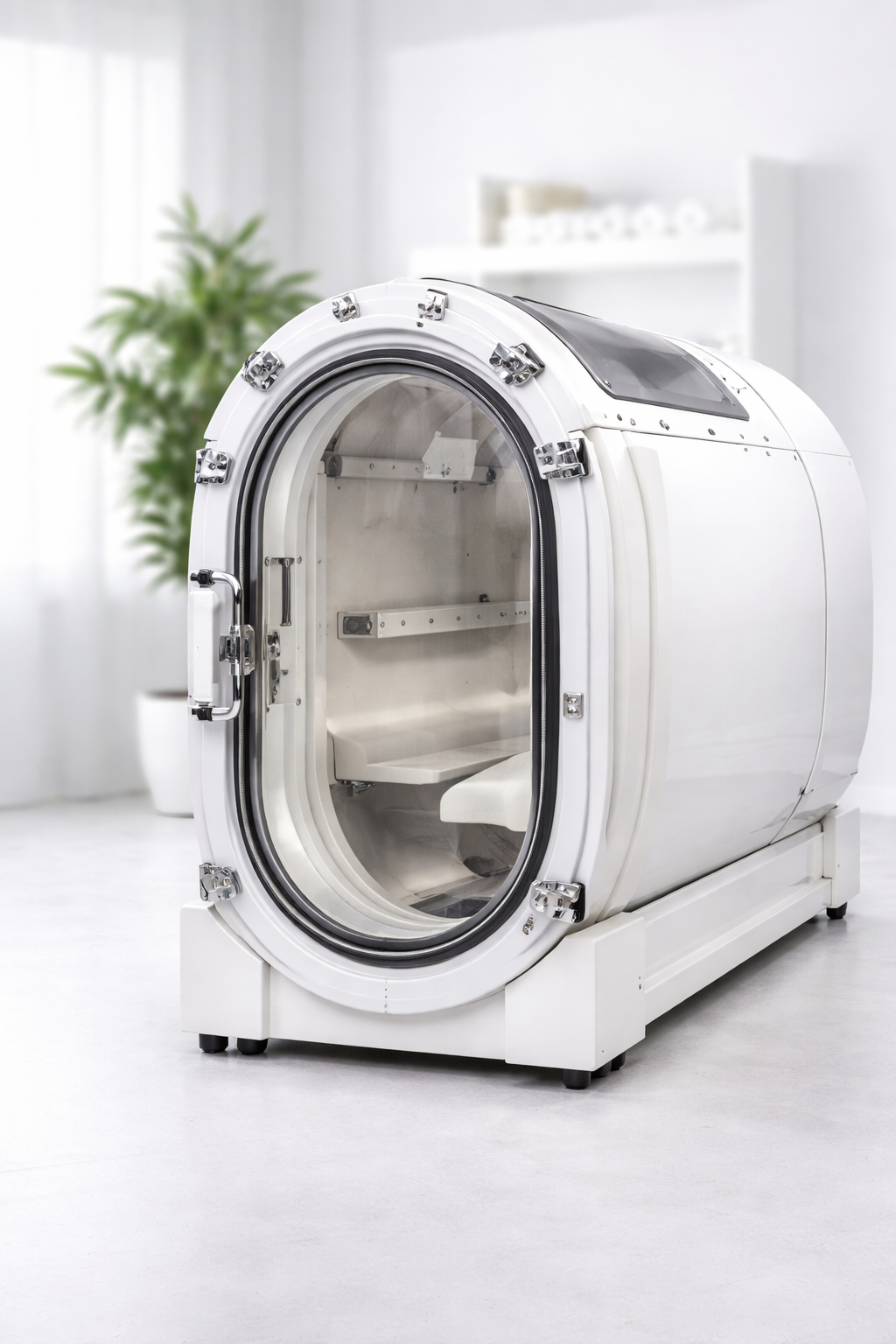
Hard-shell hyperbaric chambers are rigid, durable systems often selected for premium home wellness suites, clinics, recovery centers, and professional environments. They typically offer a more substantial structure and may support higher pressure configurations depending on the model.
Soft-shell hyperbaric chambers are more portable and accessible. They are often chosen for home wellness users who want a flexible system that is easier to place in a residential setting.
Shop Wellari’s Hard-Shell Hyperbaric Chamber Collection.
Shop Wellari’s Soft-Shell Hyperbaric Chamber Collection.
Featured Hyperbaric Chamber Options at Wellari
CY8 Lying Portable Hyperbaric Chamber
The CY8 Lying Portable Hyperbaric Chamber is a soft-shell option for users who want a lying chamber style in a more flexible home wellness setup.
CY9 Sitting Portable Hyperbaric Chamber
The CY9 Sitting Portable Hyperbaric Chamber is designed for users who prefer an upright seated position during their hyperbaric wellness sessions.
CY11 / CY12 Sitting and Lying Portable Hyperbaric Chamber
The CY11 / CY12 Sitting and Lying Portable Hyperbaric Chamber offers a convertible-style option for users comparing sitting and lying chamber formats.
How to Build a Responsible HBOT Wellness Routine
A strong HBOT routine should be simple, repeatable, and built around safety. Instead of chasing extreme pressure or unrealistic claims, focus on consistency, comfort, and recovery quality.
Helpful routine-building steps include:
- Start with a clear wellness goal.
- Choose a chamber type that fits your space and use case.
- Review manufacturer instructions before use.
- Speak with a healthcare professional if you have medical concerns.
- Track how you feel before and after sessions.
- Prioritize sleep, hydration, and nutrition alongside HBOT.
Combining HBOT With Other Recovery Modalities
Many home wellness rooms and professional recovery spaces combine hyperbaric oxygen therapy with other supportive technologies.
Common pairings include:
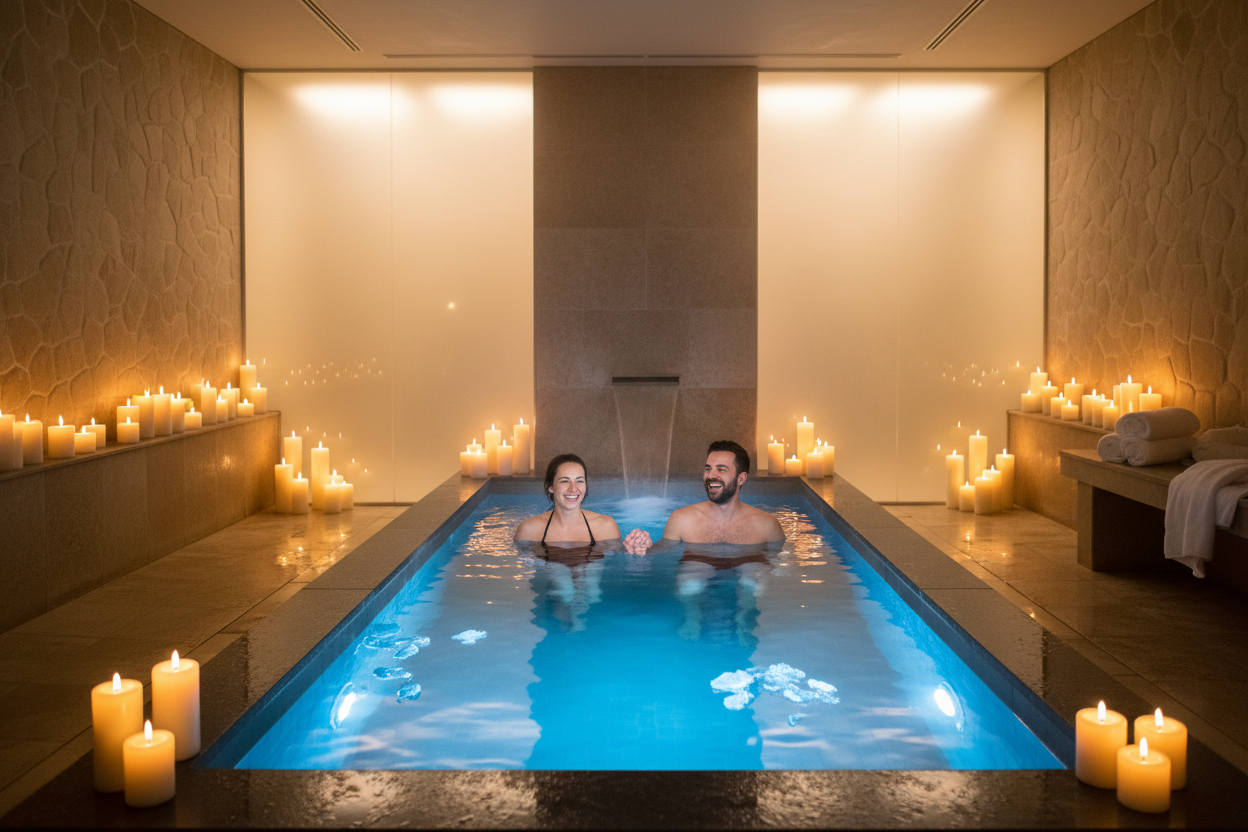
- Cold plunge therapy
- Infrared sauna
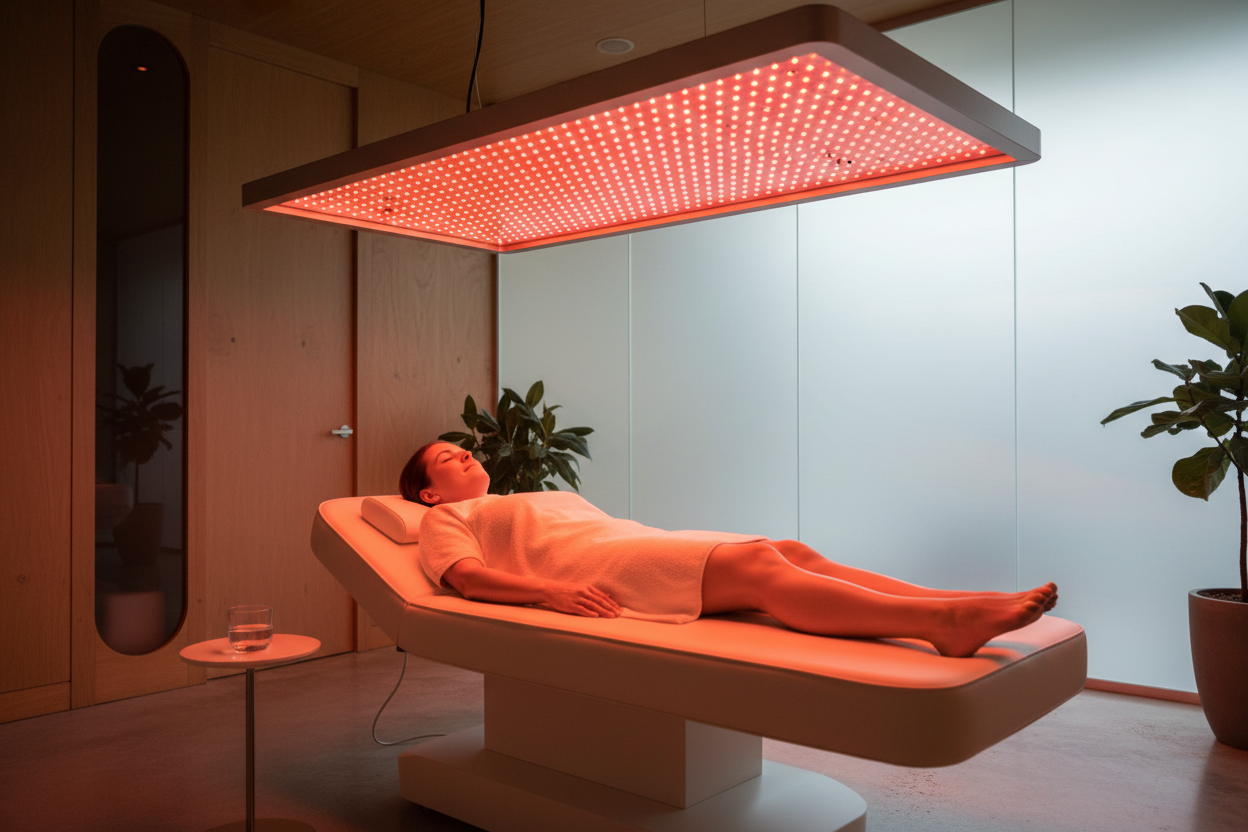
- Red light therapy
- Compression therapy
- Mobility and stretching
- Sleep optimization
Explore complementary Wellari categories:
HBOT Safety Considerations
Hyperbaric chambers should be used carefully. Pressure, oxygen, electrical equipment, and chamber design all require respect for proper safety procedures.
Important safety reminders include:
- Follow all manufacturer instructions.
- Do not bring prohibited items into the chamber.
- Use only approved accessories and electronics.
- Do not use HBOT as a substitute for medical treatment.
- Consult a healthcare professional before use if you have health concerns.
- Stop use and seek medical guidance if you experience unusual symptoms.
HBOT may not be appropriate for everyone, especially those with certain ear, sinus, lung, seizure, oxygen sensitivity, or cardiovascular concerns.
FAQ: HBOT Protocols and Hyperbaric Chamber Planning
What is a typical HBOT protocol?
A typical HBOT protocol may include repeated sessions over time, with each session lasting approximately 60–90 minutes. The right protocol depends on the chamber, pressure level, user goals, and professional recommendations.
How many HBOT sessions do you need?
There is no universal number of sessions. Some wellness users incorporate HBOT a few times per week, while clinical protocols may be more structured and should be directed by healthcare professionals.
Can HBOT support stem cell activity?
HBOT has been studied for its effects on oxygen delivery and cellular signaling, but wellness content should avoid promising stem cell activation or regenerative outcomes. It is best understood as an oxygen-based modality being studied for recovery and tissue oxygenation support.
Is a hard-shell hyperbaric chamber better than a soft-shell chamber?
Hard-shell chambers are often selected for premium or professional environments, while soft-shell chambers may be better for flexible home use. The best option depends on space, pressure preferences, budget, and intended use.
Can I use a hyperbaric chamber at home?
Yes, many hyperbaric chambers are designed for residential wellness use. Home users should follow all safety instructions and consult a qualified professional when appropriate.
How long is a hyperbaric oxygen therapy session?
Many sessions last between 60 and 120 minutes depending on the protocol, pressure level, and setting.
What should I look for when buying a home hyperbaric chamber?
Consider chamber type, pressure capability, comfort, entry design, installation needs, warranty support, available space, and whether the product is appropriate for your intended wellness use.
Related Wellari Wellness Resources
Unlock Rapid Healing: How Hyperbaric Chambers Work
HBOT at Home: What to Expect, Safety Checklist, and How Often to Use a Hyperbaric Chamber
Hyperbaric Chambers Buyer Page
Sources
Johns Hopkins Medicine: Hyperbaric Oxygen Therapy
Cleveland Clinic: Hyperbaric Oxygen Therapy
Undersea & Hyperbaric Medical Society
Final Takeaway
The best HBOT protocol is not the most extreme one. It is the one that is safe, consistent, comfortable, and aligned with your wellness goals. For home users, chamber selection, session comfort, safety practices, and long-term consistency often matter more than chasing aggressive claims.
Browse Wellari’s Hyperbaric Chambers page to compare hard-shell and soft-shell options for your home or professional wellness space.