
Soft vs Hard Shell HBOT: A Complete Guide to Differences and Results
Hyperbaric oxygen therapy, often called HBOT, has become increasingly popular in both medical and wellness environments. However, not all hyperbaric chambers are designed for the same purpose. Mild soft-sided chambers and hard shell clinical chambers can differ in pressure levels, oxygen delivery, supervision, portability, and intended use.
This guide explains the key differences between mild HBOT and hard shell HBOT, how each type is commonly used, and what consumers should consider before adding a hyperbaric chamber to a home wellness setup.
Important: This article is for general educational and informational purposes only and is not medical advice. Hyperbaric oxygen therapy may not be appropriate for everyone. Speak with a qualified healthcare professional before using any hyperbaric chamber, especially if you have respiratory conditions, ear or sinus issues, seizure history, cardiovascular concerns, recent surgery, pregnancy, or any underlying medical condition.
Shop Hyperbaric Oxygen & Recovery Products
- Shop Soft Hyperbaric Chambers
- Shop Red Light Therapy Panels
- Shop Infrared Saunas
- Shop Cold Plunge Tubs
- Shop Compression Therapy Systems
What Is Hyperbaric Oxygen Therapy?
Hyperbaric oxygen therapy involves spending time inside a pressurized chamber. In some settings, oxygen may also be delivered at elevated concentrations depending on the chamber design and intended use.
Medical HBOT is used under professional supervision for specific approved medical indications. Mild or soft-sided chambers are often used in wellness environments and typically operate at lower pressures than many clinical hard shell chambers.
Because these chamber categories are different, users should avoid assuming they provide identical experiences or are intended for the same applications.
Related reading: Your 2026 Buyer’s Guide to Home & Clinical Hyperbaric Chambers
Mild HBOT vs. Hard Shell HBOT
| Category | Mild / Soft-Sided HBOT | Hard Shell / Clinical HBOT |
|---|---|---|
| Common Use Environment | Home wellness spaces, wellness studios | Hospitals, wound-care centers, medical clinics |
| Chamber Construction | Flexible soft-sided material | Rigid acrylic or metal chamber |
| Pressure Levels | Typically lower-pressure operation | Typically higher-pressure clinical operation |
| Portability | Often portable or easier to install at home | Usually permanent medical installation |
| Supervision | Varies by setting and product | Generally supervised by trained professionals |
| Intended Use | General wellness routines depending on labeling | Specific medical uses under professional care |
What Is a Mild Hyperbaric Chamber?
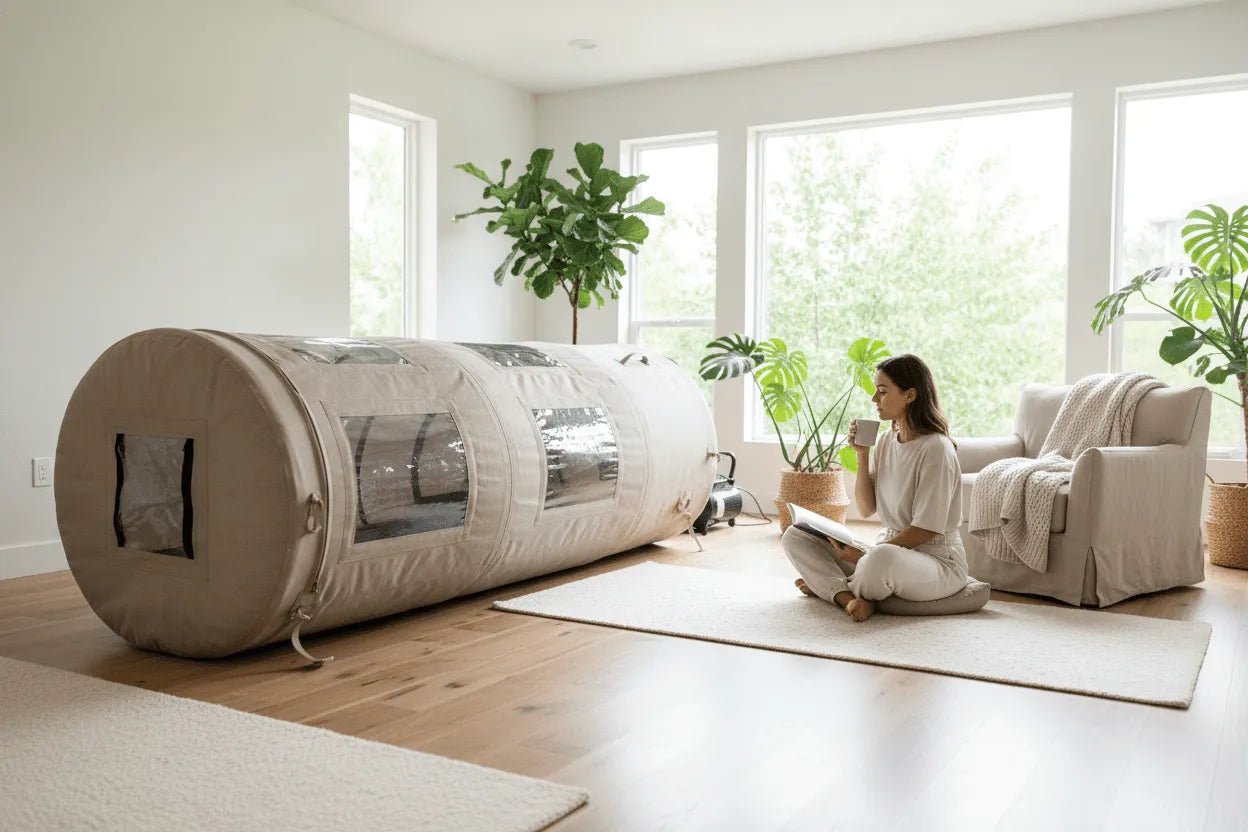
Mild hyperbaric chambers are commonly soft-sided or inflatable systems designed for lower-pressure operation compared to many clinical chambers. These products are often marketed for home wellness environments and recovery-focused spaces.
Many home users prefer mild chambers because they may be easier to install, more portable, and more accessible than large medical hard shell systems.
Explore available options here: Soft Hyperbaric Chambers
Common Mild Chamber Features
- Soft-sided chamber construction
- Lower operating pressures than many clinical chambers
- Home or wellness-center use environments
- Portable setup depending on model
- Optional oxygen concentrator compatibility depending on design
What Is a Hard Shell Hyperbaric Chamber?
Hard shell hyperbaric chambers are rigid pressure vessels commonly used in medical environments. These systems are typically designed for higher-pressure operation and supervised clinical use.
Clinical hyperbaric therapy may be used for certain approved medical indications under professional care. Home wellness chambers should not be viewed as direct replacements for supervised medical HBOT.
Why Pressure Levels Matter
One of the most important differences between mild and hard shell HBOT systems is pressure level. Pressure is commonly discussed using ATA, or atmospheres absolute.
Mild chambers generally operate at lower pressure levels than many hard shell clinical systems. Pressure level, oxygen concentration, session duration, and supervision all influence how the chamber is used.
Consumers should carefully review chamber specifications before purchasing and avoid relying solely on marketing language.
Oxygen Delivery Differences
Not all hyperbaric systems use oxygen in the same way.
- Some mild chambers use ambient air.
- Some may integrate an oxygen concentrator depending on the product setup.
- Clinical systems may use medical oxygen under supervised protocols.
Understanding how oxygen is delivered is important when comparing chamber categories and intended use.
Medical Uses vs. Wellness Use
Medical hyperbaric oxygen therapy is used for certain FDA-recognized indications under professional care. Wellness-use mild chambers are typically marketed differently and should not be interpreted as substitutes for medical treatment.
Users should always distinguish between clinical medical HBOT, wellness-oriented mild chamber use, general recovery routines, and medical diagnosis or treatment.
For any medical concern, diagnosis, or treatment question, consult a licensed healthcare provider.
Safety Considerations
Hyperbaric chambers require careful operation and proper setup. Safety instructions vary by manufacturer and chamber type.
Important Safety Guidelines
- Always follow manufacturer instructions
- Review oxygen and fire-safety precautions carefully
- Do not exceed recommended session durations
- Do not bring prohibited items into the chamber
- Consult a healthcare professional before use
- Stop use immediately if you feel unwell
Users should also review chamber ventilation, electrical requirements, oxygen setup, and maintenance procedures before installation.
Who May Prefer Mild HBOT Chambers?
Mild chambers may appeal to users who want a wellness-focused home setup and understand the difference between wellness-oriented chambers and clinical medical systems.
Common reasons users explore mild chambers include:
- Home wellness room integration
- Recovery-focused routines
- Convenience and portability
- Relaxation-oriented wellness spaces
- Compatibility with broader wellness routines
Related reading: Design Your Dream Home Wellness Room
How HBOT Fits Into a Wellness Routine
Many users combine mild hyperbaric chambers with other wellness technologies as part of a broader home wellness setup.
- Cold Therapy vs. Contrast Therapy: Which Is Best for Your Recovery?
- Your 2026 Buyer’s Guide to Home & Clinical Hyperbaric Chambers
- Design Your Dream Home Wellness Room
- Compression Therapy Systems
The best wellness stack depends on available space, comfort level, goals, budget, and professional guidance.
Questions to Ask Before Buying an HBOT Chamber
- What pressure level does the chamber reach?
- Is it intended for wellness use or medical use?
- Does it require an oxygen concentrator?
- What maintenance is required?
- What are the electrical and ventilation requirements?
- What warranty and support are included?
- Is training or setup guidance provided?
Planning a Home Hyperbaric Setup
Before purchasing a chamber, evaluate room size, ventilation, electrical setup, noise levels, flooring, and safe chamber access.
If you are building a larger wellness environment, you may also want to compare complementary recovery products such as:
Final Thoughts
Mild and hard shell HBOT systems are designed for different environments and expectations. Hard shell chambers are typically associated with supervised clinical use and medical applications, while mild chambers are commonly used in wellness-oriented home settings.
Understanding chamber pressure, oxygen delivery, intended use, safety requirements, and supervision differences can help users make more informed decisions before investing in hyperbaric technology.
Explore Wellari Wellness chamber options here: Shop Soft Hyperbaric Chambers
Frequently Asked Questions
What is the difference between mild HBOT and hard shell HBOT?
Mild HBOT generally refers to lower-pressure soft-sided chambers commonly used in wellness environments. Hard shell HBOT typically refers to rigid clinical chambers used in medical settings under professional supervision.
Can I use a mild hyperbaric chamber at home?
Some soft-sided chambers are designed for home wellness environments. Users should carefully follow manufacturer instructions and consult a healthcare professional before use.
Are mild hyperbaric chambers the same as medical HBOT?
No. Mild wellness chambers and supervised clinical HBOT systems are different categories with different intended uses and operating conditions.
Do all HBOT chambers use pure oxygen?
No. Oxygen delivery varies by system. Some mild chambers use ambient air or optional oxygen concentrators, while clinical systems may use medical oxygen under supervision.
Is HBOT FDA approved?
Medical HBOT is used for certain FDA-recognized indications under professional care. Consumers should not assume every chamber or every use is FDA-approved.
Can HBOT be combined with other wellness products?
Some users combine wellness-oriented HBOT chambers with sauna, red light therapy, compression therapy, or cold plunge setups as part of a broader home wellness routine.
Helpful External Resources
- FDA: Safe Use of Hyperbaric Oxygen Therapy Devices
- Johns Hopkins Medicine: Hyperbaric Oxygen Therapy Overview
- Johns Hopkins Medicine: Complications of Hyperbaric Oxygen Treatment
- Johns Hopkins Medicine: Hyperbaric Therapy Information
Wellari Wellness products are intended for general wellness and lifestyle purposes only. Products are not intended to diagnose, treat, cure, or prevent disease. Individual experiences may vary.