
How to Build a Luxury Home Wellness Room: The 2026 Guide
The modern luxury home is evolving far beyond traditional home gyms and spa bathrooms. In 2026, many homeowners are creating dedicated wellness environments designed around recovery, relaxation, movement, mindfulness, and lifestyle-focused wellness technology.
Today’s luxury wellness room is not simply about adding equipment. It is about designing an intentional environment that supports consistency, comfort, functionality, and long-term usability.
Important: This article is for educational and informational purposes only and is not medical advice. Wellness products and recovery technologies may not be appropriate for everyone. Always follow manufacturer instructions and consult a qualified healthcare professional before beginning any new wellness routine.
Shop Luxury Wellness & Recovery Products
- Shop Infrared Saunas
- Shop Cold Plunge Tubs
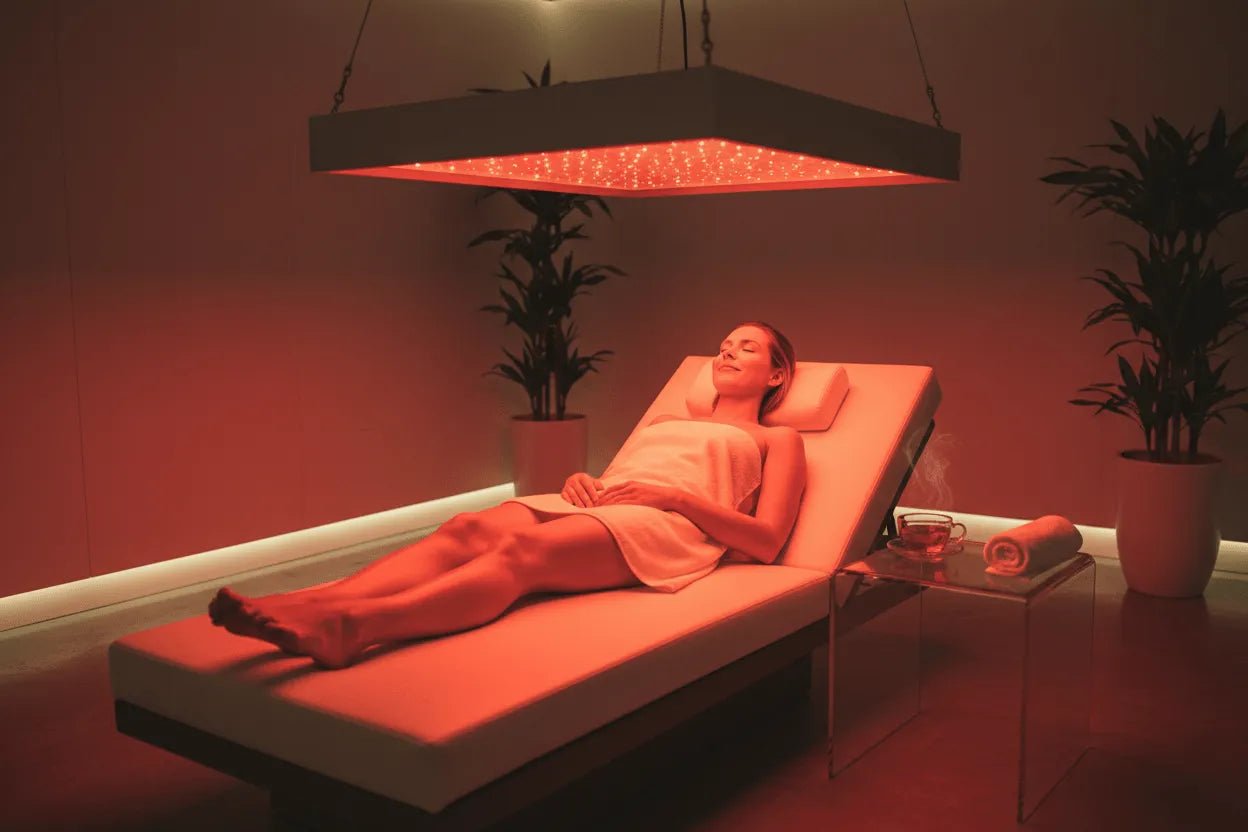
- Shop Red Light Therapy Panels
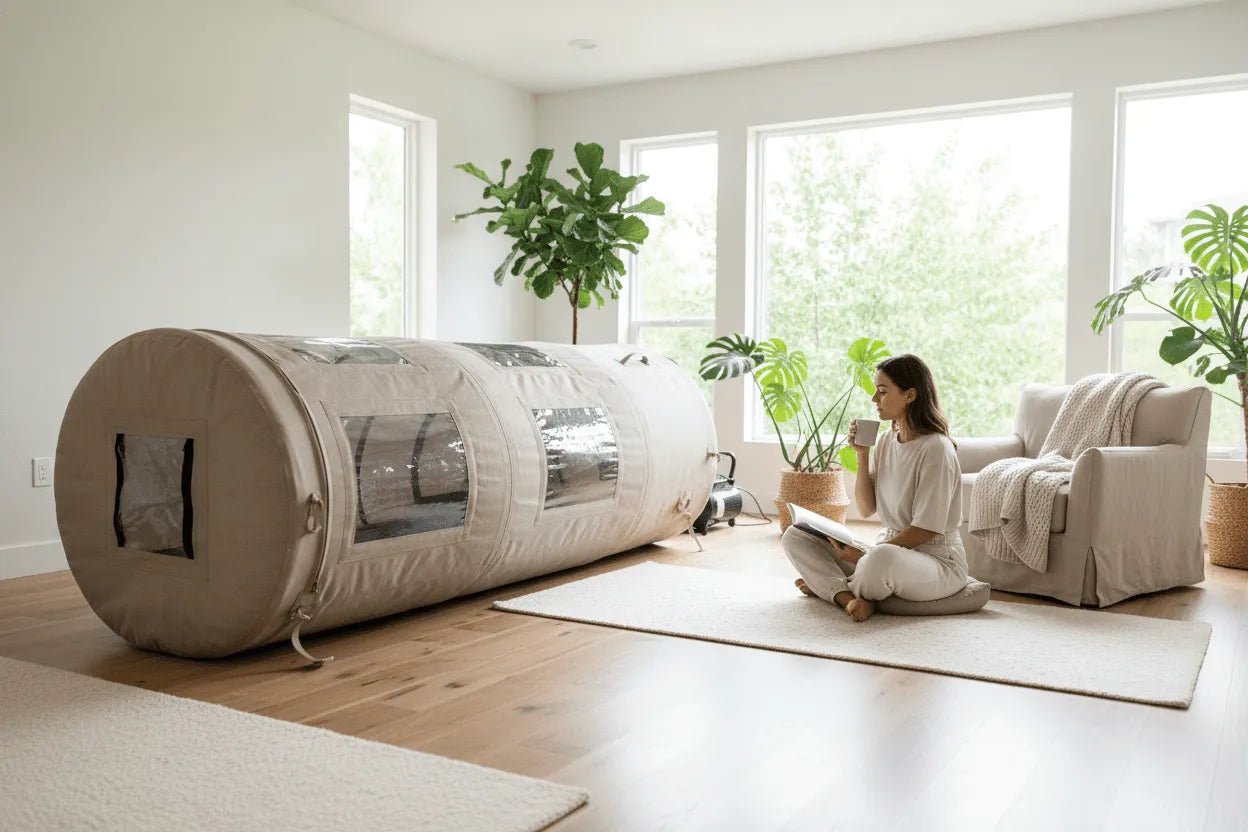
- Shop Soft Hyperbaric Chambers
- Shop Compression Therapy Systems
The Evolution of Residential Wellness Design
Luxury residential wellness design has shifted from isolated workout equipment to integrated spaces that combine recovery technology, relaxation areas, movement zones, air-quality planning, lighting control, and moisture management.
Many homeowners are now prioritizing dedicated recovery spaces, sauna and cold plunge setups, relaxation-focused environments, integrated lighting, quiet design, and wellness technology infrastructure.
Related reading: Design Your Dream Home Wellness Room
Step 1: Design Around Daily Wellness Rituals
One of the biggest design shifts in 2026 wellness architecture is the move toward ritual-first design. Instead of designing around equipment alone, many luxury wellness rooms are now designed around the user’s preferred routines and flow.
- Morning sauna and stretching
- Cold plunge and post-workout recovery
- Evening meditation and low-light relaxation
- Compression therapy after training
- Red light therapy as part of a relaxation routine
Step 2: Choose the Right Room or Location
Luxury wellness rooms can be integrated into basements, dedicated additions, pool houses, garages, spare bedrooms, finished lower levels, or guest suites.
When evaluating a space, consider ceiling height, drainage access, electrical capacity, ventilation, moisture control, noise isolation, and equipment weight.
Step 3: Build the Foundation with Air Quality & Ventilation
Saunas, cold plunges, steam systems, and wellness equipment can create humidity and air-quality challenges if the room is not designed correctly.
- Dedicated ventilation systems
- Humidity control
- Fresh-air exchange systems
- Moisture-resistant materials
- Air filtration systems
- Equipment ventilation clearance
Helpful outside resource: EPA: Indoor Air Quality
Step 4: Integrate Circadian-Friendly Lighting
Lighting has become one of the most important design elements in luxury wellness architecture. Many homeowners now use intelligent lighting systems that adjust brightness and color temperature throughout the day.
- Dimmable warm lighting
- Indirect LED accent lighting
- Natural light integration
- Smart lighting scenes
- Low-glare fixtures
Step 5: Add a Sauna for Heat-Based Wellness Routines
Infrared saunas remain one of the most requested luxury wellness room features because they integrate well into residential environments while offering a premium heat-based wellness experience.
Explore sauna options here: Infrared Saunas
Related reading: Cold Therapy vs. Contrast Therapy: Which Is Best for Your Recovery?
Step 6: Build a Proper Cold Plunge Area
Cold plunge systems have become one of the most popular luxury wellness additions. Indoor cold plunge installation requires careful planning for water management, ventilation, flooring safety, and chiller placement.
- Water-resistant flooring
- Slip resistance
- Drainage access
- Ventilation around chillers
- Humidity management
- Electrical requirements
Explore plunge options here: Cold Plunge Tubs
Related reading: Cold Therapy vs. Contrast Therapy
Step 7: Integrate Red Light Therapy
Red light therapy systems are increasingly incorporated into wellness rooms because they require relatively little space while adding a premium wellness-focused feature.
Related reading: Red Light Therapy Timeline: When to Expect Results
Step 8: Plan Wet Zones Carefully
Steam rooms, plunge tubs, showers, and hydrotherapy areas all require advanced moisture planning.
- Floor drains
- Moisture-resistant walls
- Sealed flooring systems
- Leak detection systems
- Humidity sensors
- Tempered glass partitions
Helpful outside resource: CDC: Home Pool and Hot Tub Water Treatment
Step 9: Include Recovery & Mobility Areas
The best wellness rooms are not only focused on heat and cold. Dedicated recovery and movement zones can improve overall usability.
- Compression Therapy Systems
- Stretching areas
- Foam rolling stations
- Yoga and meditation zones
- Massage equipment
- Hydration stations
Step 10: Design for Quiet & Relaxation
Luxury wellness spaces should feel calm and separated from the rest of the home. Acoustic planning, soft lighting, natural textures, and low-clutter layouts can make the space feel more restful.
- Acoustic insulation
- Sound-dampened HVAC systems
- Soft ambient music
- Natural textures and finishes
- Biophilic design elements
Helpful outside resource: House Beautiful: Invisible Wellness Home Trend
Step 11: Use Smart Technology Carefully
Modern wellness rooms often integrate smart controls for lighting, temperature, audio, humidity, ventilation, and sauna scheduling. Technology should support the experience without making the room feel overly technical or distracting.
Luxury Wellness Room Design Styles
Modern Spa Style
- Natural wood
- Warm lighting
- Stone textures
- Minimalist finishes
Performance Recovery Style
- High-performance flooring
- Cold plunge integration
- Compression therapy stations
- Functional movement zones
Biophilic Wellness Style
- Plants and greenery
- Natural light
- Organic textures
- Indoor-outdoor integration
Final Thoughts
Building a luxury home wellness room in 2026 is about far more than aesthetics. The most successful spaces combine thoughtful infrastructure, wellness technology, environmental comfort, and intentional routines into one cohesive environment.
Whether you are designing a simple recovery room or a fully integrated wellness wing, careful planning around ventilation, moisture management, lighting, safety, and product selection will create a space that feels more usable and enjoyable long term.
Explore Wellari Wellness collections here:
Frequently Asked Questions
What should be included in a luxury wellness room?
Popular wellness room features include infrared saunas, cold plunge tubs, red light therapy systems, compression therapy, meditation spaces, stretching zones, and advanced lighting and ventilation systems.
Where is the best place to build a home wellness room?
Basements, spare bedrooms, dedicated additions, pool houses, and finished lower levels are common wellness room locations depending on space and infrastructure availability.
Do I need special ventilation for a wellness room?
Yes. Saunas, cold plunges, steam systems, and wet zones may require upgraded ventilation, humidity management, and moisture control systems.
What flooring works best for a wellness room?
Water-resistant and slip-resistant flooring such as luxury vinyl plank, textured tile, sealed concrete, or rubber flooring are commonly used.
Can I combine a sauna and cold plunge in the same room?
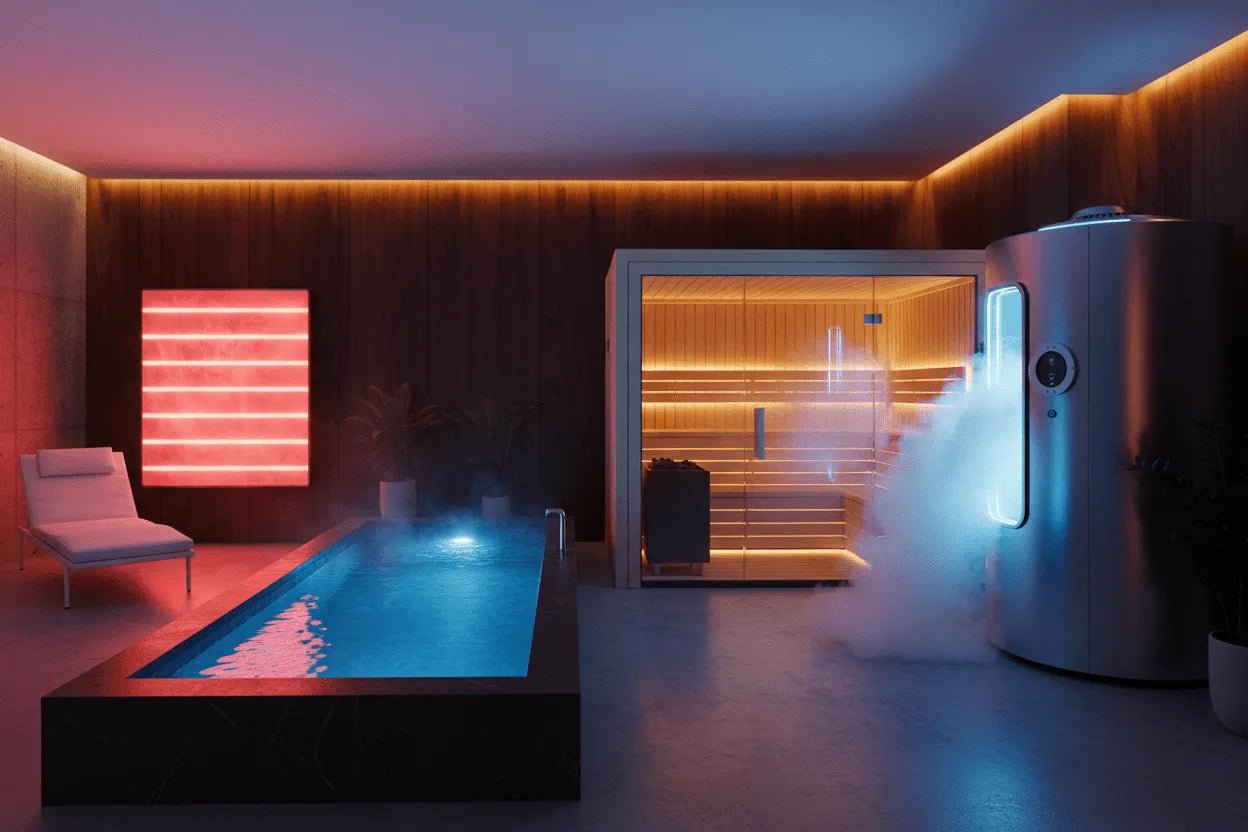
Yes. Many homeowners create contrast therapy spaces that include both sauna and cold plunge systems. Proper moisture management and ventilation are important.
What is the biggest mistake people make when designing a wellness room?
One of the biggest mistakes is underestimating infrastructure requirements such as ventilation, drainage, electrical capacity, and moisture management.
Helpful External Resources
- EPA: Indoor Air Quality
- CDC: Home Pool and Hot Tub Water Treatment
- House Beautiful: Invisible Wellness Home Trend
- Mayo Clinic: Meditation and Relaxation Basics
Wellari Wellness products are intended for general wellness and lifestyle purposes only. Products are not intended to diagnose, treat, cure, or prevent disease. Individual experiences may vary.