
The Ultimate Home Wellness Stack: A Guide to Sauna, Cold Plunge, Red Light & HBOT
Home wellness technology has expanded far beyond single-product routines. Many people are now building complete wellness spaces that combine heat, cold, light, oxygen, and recovery tools into one structured environment.
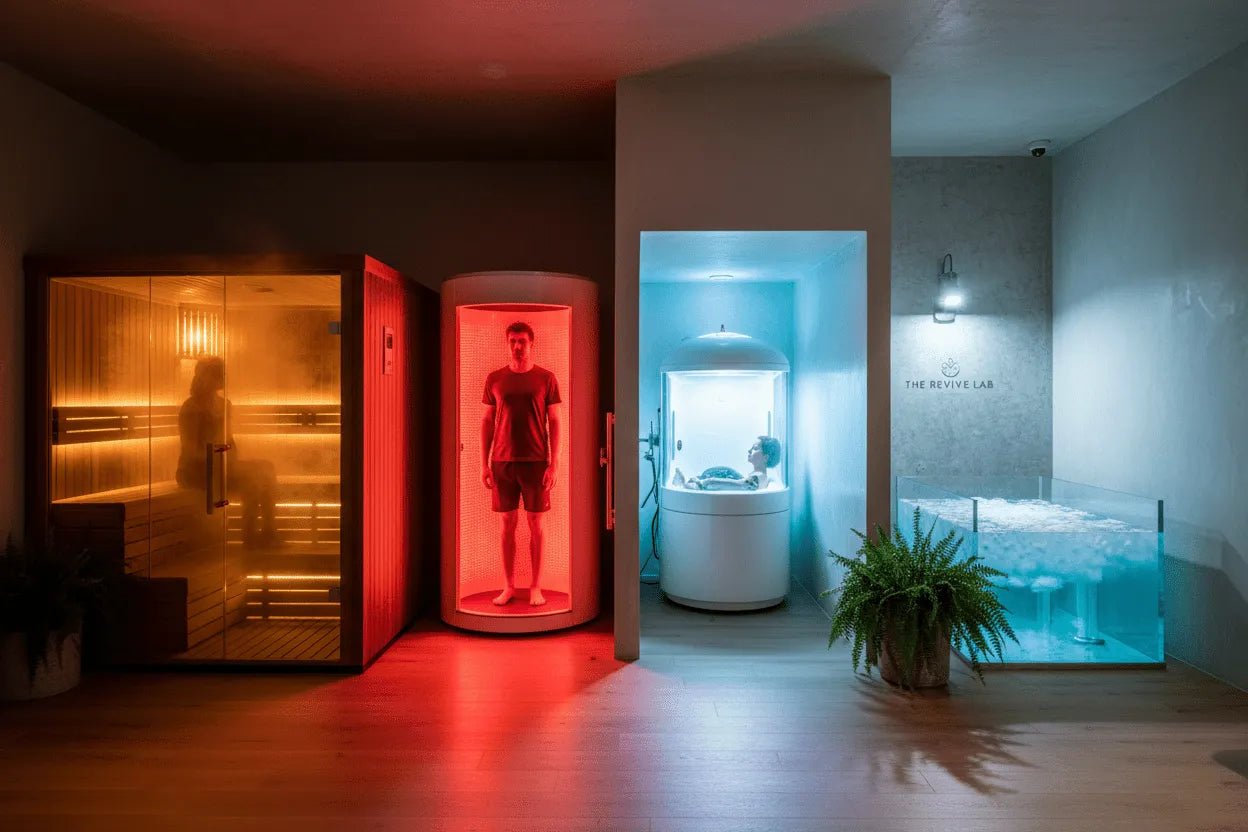
A popular home wellness stack may include an infrared sauna, cold plunge tub, red light therapy system, and hyperbaric oxygen chamber. Each product category supports a different type of wellness routine, and when planned thoughtfully, they can work together to create a more complete self-care experience.
Important: This article is for general educational and informational purposes only and is not medical advice. Sauna use, cold water immersion, red light therapy, and hyperbaric oxygen therapy may not be appropriate for everyone. Speak with a qualified healthcare professional before beginning any new wellness routine, especially if you have a medical condition, are pregnant, take medication, or have cardiovascular, respiratory, neurological, circulation, or blood pressure concerns.
Shop Home Wellness & Recovery Products
- Shop Infrared Saunas
- Shop Cold Plunge Tubs
- Shop Red Light Therapy Panels
- Shop Soft Hyperbaric Chambers
- Shop Compression Therapy Systems
What Is a Home Wellness Stack?
A home wellness stack is a group of wellness tools used together as part of a structured routine. Instead of relying on one product category, users may combine several modalities to support relaxation, recovery, consistency, and daily wellness habits.
Common home wellness stack categories include:
- Heat exposure: Infrared sauna or traditional sauna
- Cold exposure: Cold plunge tub or cold water immersion system
- Light-based wellness: Red light therapy panels, beds, or masks
- Pressurized oxygen environments: Hyperbaric oxygen chambers
- Recovery tools: Compression therapy, massage, and mobility equipment
This guide focuses on sauna, cold plunge, red light therapy, and hyperbaric oxygen therapy because these are four of the most requested categories for premium home wellness rooms.
Related reading: Design Your Dream Home Wellness Room
Why Compliance Matters When Discussing Longevity Tools
Wellness technology is often marketed with aggressive claims, especially around longevity, anti-aging, inflammation, cellular repair, and disease prevention. For consumers, it is important to understand that research may be promising in some areas, but results vary and many claims require professional medical context.
This article uses conservative language because wellness products should not be presented as cures, treatments, or guaranteed health solutions. Instead, the best approach is to evaluate each product category based on comfort, safety, consistency, intended use, and the quality of the equipment.
Pillar 1: Sauna for Heat-Based Wellness Routines
Saunas use heat to create a controlled warming experience. Many people use saunas for relaxation, sweating, and post-activity wellness routines. Infrared saunas are especially popular for home users because they can provide a warming experience at lower ambient temperatures than some traditional saunas.
Research has explored associations between sauna bathing and cardiovascular wellness, but sauna use should be approached carefully and based on personal tolerance. Published sauna research often discusses observational associations, not guaranteed outcomes for every user.
Shop sauna options: Infrared Saunas
Infrared Sauna vs. Traditional Sauna
Traditional saunas heat the surrounding air, while infrared saunas use infrared wavelengths to warm the body more directly. The best choice depends on your space, heat preference, electrical setup, and comfort level.
- Infrared saunas: Often selected for home wellness spaces and lower ambient heat experiences
- Traditional saunas: Often selected for users who prefer a higher-temperature room environment
Pillar 2: Cold Plunge for Cold Water Immersion Routines
Cold plunge tubs provide a controlled way to use cold water immersion. Many users include cold plunges after exercise, after sauna sessions, or as part of a morning routine.
Cold exposure can feel intense and should be introduced gradually. Beginners may want to start with shorter sessions and warmer starting temperatures before progressing.
Shop cold plunge options: Cold Plunge Tubs
Cold Plunge Safety Basics
- Start with short exposures
- Avoid extremely cold temperatures when beginning
- Do not plunge alone if you are new to cold exposure
- Exit immediately if you feel dizzy, faint, confused, numb, or unwell
- Speak with a healthcare professional if you have heart, circulation, or blood pressure concerns
Related reading: Cold Plunge vs. Cold Shower: Unpacking the Real Differences
Pillar 3: Red Light Therapy for Light-Based Wellness Routines
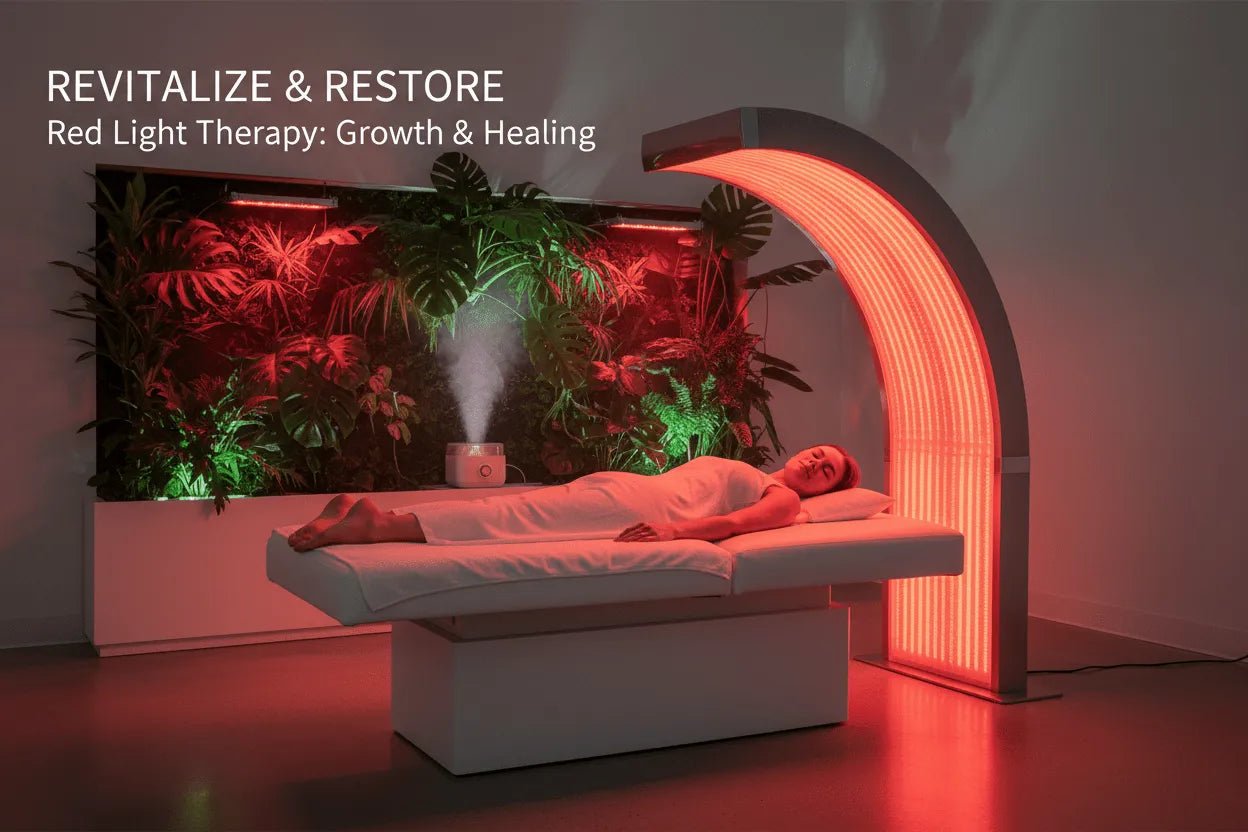
Red light therapy uses specific red and near-infrared wavelengths. In research settings, this field is often referred to as photobiomodulation. Many home users include red light therapy in routines focused on skin appearance, muscle recovery support, relaxation, and general wellness.
Device quality matters. Wavelength range, irradiance, coverage area, ease of use, and manufacturer transparency all influence the user experience.
Shop red light options: Red Light Therapy Panels
Red Light Panels, Beds, Masks & Wraps
- Red light panels are commonly used for targeted or full-body routines.
- Red light beds and pods are often selected for larger treatment coverage.
- Red light masks are commonly used for facial wellness routines.
- Red light belts and wraps are often used for targeted body areas.
Related reading: Red Light Therapy for Hair Growth: A Science-Based Review of What Works
Pillar 4: Hyperbaric Oxygen Therapy for Pressurized Oxygen Environments
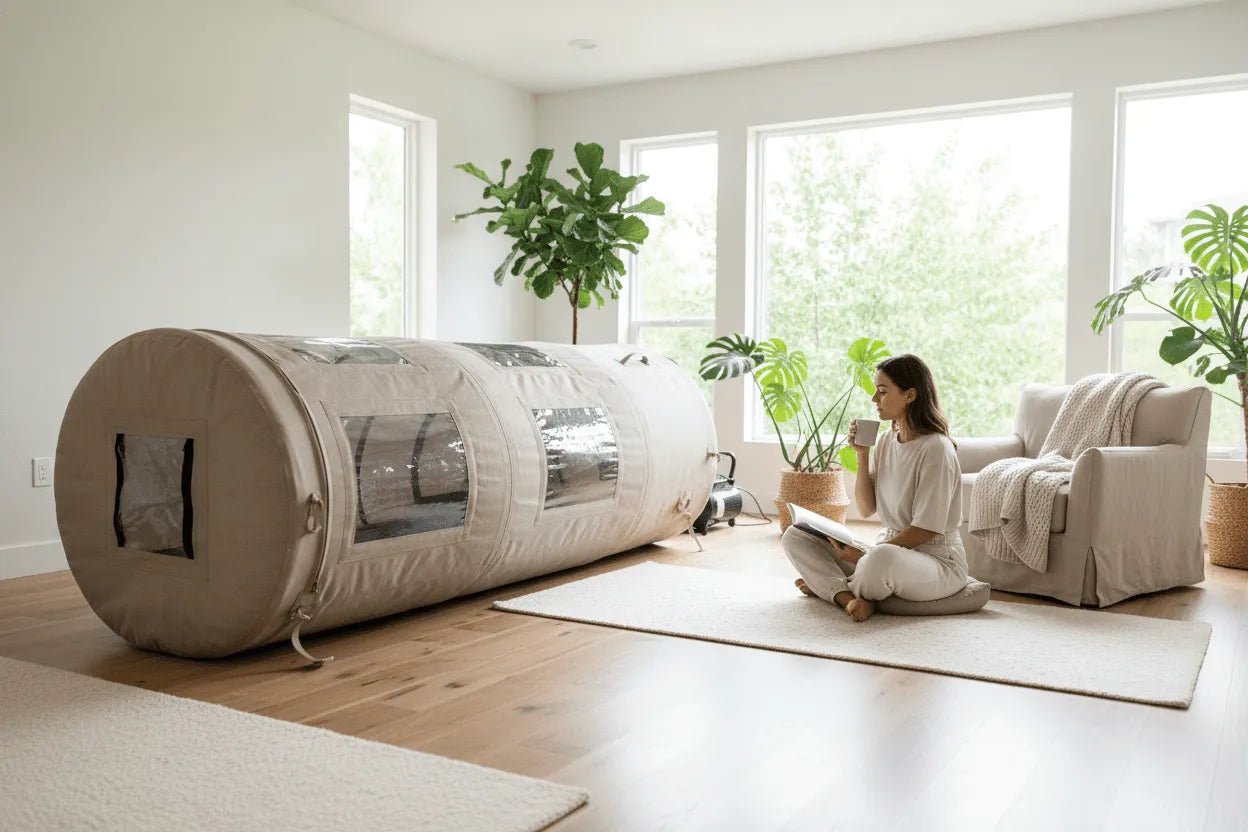
Hyperbaric oxygen therapy, often called HBOT, involves breathing oxygen in a chamber where air pressure is increased above normal atmospheric pressure. Medical-grade HBOT has specific FDA-cleared uses and should be clearly distinguished from general wellness marketing claims.
Home hyperbaric chambers may be used in wellness environments, but users should carefully review product specifications, pressure ratings, oxygen setup, safety instructions, and professional guidance before use.
Shop soft chamber options: Soft Hyperbaric Chambers
Important HBOT Safety Considerations
- Use only according to manufacturer instructions
- Review oxygen and fire-safety precautions carefully
- Do not exceed recommended pressure or session guidance
- Consult a medical professional before use
- Do not use HBOT as a substitute for medical care
How These Four Tools Can Fit Together
A home wellness stack works best when each tool has a clear role. More equipment does not automatically mean better results. The goal is to build a realistic routine that fits your schedule, space, budget, and comfort level.
| Wellness Tool | Common Routine Role | Key Planning Consideration |
|---|---|---|
| Infrared Sauna | Heat-based relaxation and sweating routine | Electrical needs, ventilation, space, heat tolerance |
| Cold Plunge | Cold water immersion routine | Drainage, chiller, water care, temperature tolerance |
| Red Light Therapy | Light-based wellness routine | Wavelengths, coverage, session timing, eye safety |
| Hyperbaric Chamber | Pressurized oxygen environment | Safety instructions, pressure rating, oxygen setup, supervision |
Example Home Wellness Stack Routine
The right routine depends on the user, equipment, comfort level, and professional guidance. The example below is conservative and intended only as a general wellness routine idea.
Beginner-Friendly Routine Example
- Step 1: 10–15 minutes infrared sauna
- Step 2: 30–60 seconds cold plunge, if appropriate and comfortable
- Step 3: Rest and rehydrate for 5–10 minutes
- Step 4: 10–20 minutes red light therapy, following device instructions
- Step 5: HBOT session only if cleared, trained, and using the chamber according to manufacturer guidance
This is not a medical protocol. Users should adjust timing, temperature, pressure, and frequency based on product instructions, comfort level, and professional guidance.
Sample Weekly Wellness Stack Schedule
For home users, consistency is usually more practical than intensity. A weekly schedule may include shorter sessions instead of trying to use every device every day.
| Day | Routine Idea |
|---|---|
| Monday | Sauna + red light therapy |
| Tuesday | Cold plunge + compression therapy |
| Wednesday | Rest or light red light session |
| Thursday | Sauna + cold plunge contrast routine |
| Friday | Red light therapy + recovery-focused routine |
| Saturday | Optional HBOT session if appropriate |
| Sunday | Rest, hydration, mobility, and planning |
For contrast therapy guidance, read: Cold Therapy vs. Contrast Therapy: Which Is Best for Your Recovery?
Planning the Physical Space
A complete wellness stack requires more planning than a single device. Before purchasing, consider room size, electrical requirements, water access, drainage, flooring, ventilation, humidity control, and safe walkways between products.
Important Setup Questions
- Does the sauna require a dedicated circuit?
- Where will cold plunge water be drained and refilled?
- Does the chiller need ventilation clearance?
- Is the flooring moisture-resistant?
- Is there enough space around the hyperbaric chamber?
- Can the room handle heat, humidity, and equipment weight?
Common Mistakes to Avoid
- Overdoing intensity: Longer or colder is not always better.
- Ignoring safety guidance: Always follow manufacturer instructions.
- Using too many tools at once: Build gradually so you can understand your tolerance.
- Skipping hydration: Sauna and hot-cold routines require thoughtful hydration.
- Underplanning the room: Electrical, drainage, and ventilation needs matter.
- Assuming guaranteed results: Wellness routines vary from person to person.
Final Thoughts
A home wellness stack can be a powerful way to create structure around recovery, relaxation, and daily self-care. Sauna, cold plunge, red light therapy, and hyperbaric chamber systems each serve a different purpose, and together they can create a premium wellness environment when used responsibly.
The best approach is to start with your primary goal, choose quality equipment, follow safety guidance, and build a routine you can maintain consistently.
Explore Wellari Wellness categories:
Frequently Asked Questions
What is a home wellness stack?
A home wellness stack is a group of wellness tools used together as part of a structured routine. Common examples include sauna, cold plunge, red light therapy, compression therapy, and hyperbaric chambers.
Can I use a sauna and cold plunge on the same day?
Many people use sauna and cold plunge together as part of a contrast routine. Beginners should start gradually, avoid extreme temperatures, and consult a healthcare professional if they have health concerns.
Is red light therapy the same as infrared sauna?
No. Red light therapy uses visible red and near-infrared wavelengths in a light-based routine. Infrared saunas use infrared heat to create a warming experience.
Is HBOT safe for home use?
Hyperbaric oxygen chambers require careful setup, training, and manufacturer guidance. Users should consult a healthcare professional and follow all safety instructions before use.
Which product should I start with first?
Many users start with the product that best fits their main goal. For relaxation and heat exposure, start with a sauna. For cold water immersion, start with a cold plunge. For light-based wellness routines, start with red light therapy.
Do these products guarantee longevity benefits?
No. Wellness products should not be presented as guaranteed longevity solutions. They may support a structured wellness lifestyle, but individual results vary and medical claims should be evaluated with professional guidance.
Helpful External Resources
- Mayo Clinic Proceedings: Cardiovascular and Other Health Benefits of Sauna Bathing
- Cleveland Clinic: What to Know About Cold Plunges
- Stanford Medicine: What the Science Says About Red Light Therapy
- FDA: Follow Instructions for Safe Use of Hyperbaric Oxygen Therapy Devices
Wellari Wellness products are intended for general wellness and lifestyle purposes only. Products are not intended to diagnose, treat, cure, or prevent disease. Individual experiences may vary.