
Cold Therapy vs. Contrast Therapy: Which Is Best for Your Recovery?
Cold exposure and contrast therapy are two of the most popular recovery strategies today. This guide explains how each approach works, when to use them, and how to integrate both into a practical, sustainable recovery routine.
Wellness note: This content is for general wellness and educational purposes only. It is not medical advice. Individual results vary.
Shop Recovery Categories
The Recovery Dilemma: Cold vs. Contrast
Both cold therapy and contrast therapy use temperature to influence how the body feels and recovers after training, physical work, or daily stress. The key difference is simple:
- Cold therapy = one cold exposure session
- Contrast therapy = alternating heat and cold exposure in cycles
They can be used separately, but many people choose a blended routine depending on timing, training intensity, and personal preference.
Understanding Cold Therapy
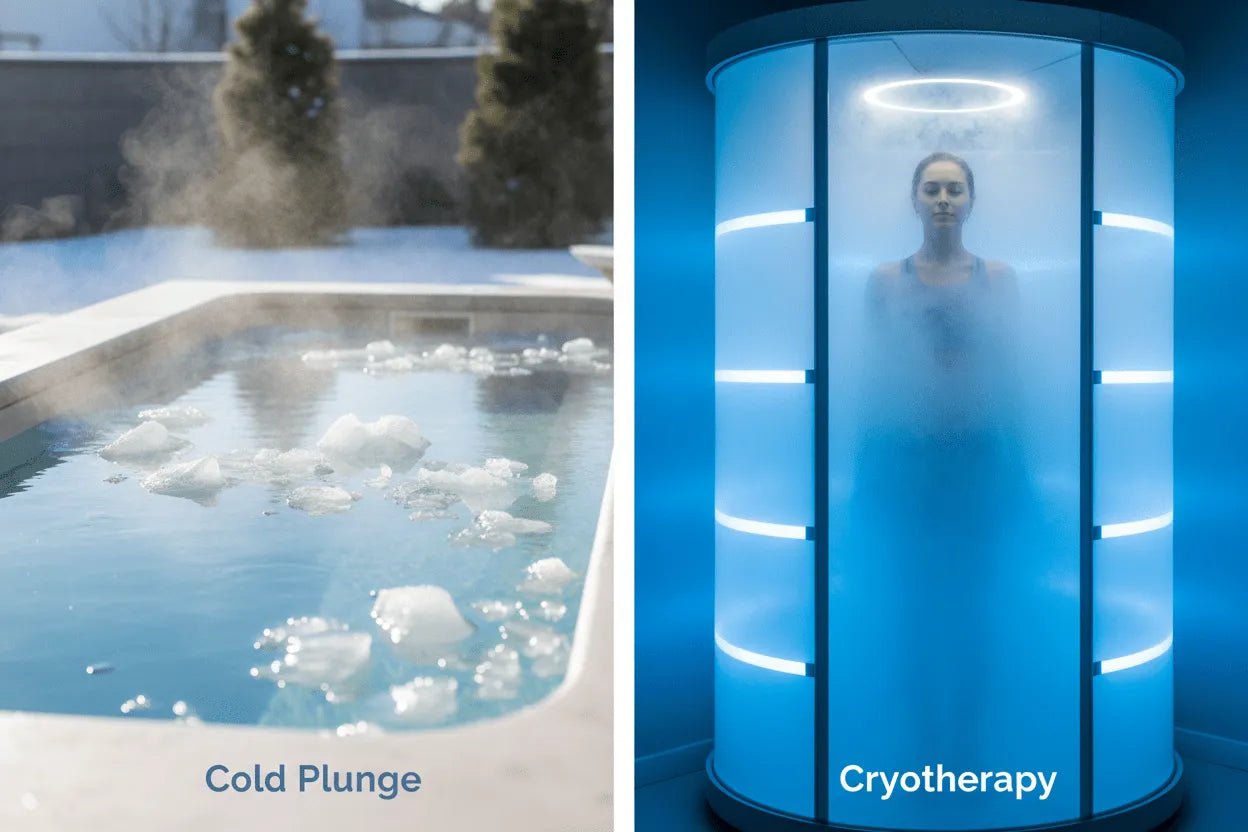
Cold therapy includes cold plunges, ice baths, cold showers, and cryotherapy sessions. The most common home-based method is cold water immersion (cold plunge or ice bath).
Common Cold Therapy Options
- Cold plunge / ice bath: full-body or lower-body immersion in cold water
- Cold shower: convenient option for daily consistency
- Localized cold: targeted cold packs for specific areas
Why People Use Cold Therapy
- Post-workout recovery routines
- Short-term inflammation and swelling management habits
- Cooling down after sauna sessions
- Building resilience and consistency with a simple daily protocol
Understanding Contrast Therapy
Contrast therapy alternates heat and cold in repeated cycles. A popular modern approach is sauna + cold plunge, which creates a structured “hot/cold” recovery circuit.
Why People Use Contrast Therapy
- Circulation-focused recovery routines
- Mobility and stiffness management
- Weekly “reset day” sessions
- Relaxation + energizing effects in one structured routine
Contrast tools:
Cold Therapy vs. Contrast Therapy (Quick Comparison)
| Factor | Cold Therapy | Contrast Therapy |
|---|---|---|
| Primary Focus | Single cold exposure | Heat + cold cycles |
| Best For | Fast, simple recovery sessions | Structured recovery + circulation routines |
| Typical Time | 2–10 minutes | 20–60 minutes |
| Complexity | Low | Moderate (cycles) |
| Common Tools | Cold plunge, cold shower | Sauna + cold plunge, hot/cold shower cycles |
When to Choose Cold Therapy
- You want a quick session that’s easy to repeat consistently.
- You prefer a simple recovery tool you can use after training.
- You’re stacking heat + cold and need the “cold” side of the circuit.
- You’re short on time but still want a structured habit.
When to Choose Contrast Therapy
- You want a longer recovery session that feels like a full reset.
- You’re managing stiffness and prefer a heat + cold flow.
- You enjoy ritual-based recovery (weekly or after heavy training blocks).
- You have a home wellness setup and want the “stack” experience.
Simple Protocols (Beginner-Friendly)
Cold Therapy Starter Routine
- Cold exposure: 2–5 minutes to start (build gradually)
- Consistency: 2–4x per week for a sustainable habit
- Tip: focus on calm breathing and controlled entry
Contrast Therapy Starter Routine
- Heat: Sauna 10–20 minutes
- Cold: Cold plunge 2–5 minutes
- Cycles: Repeat 2–4 cycles
- Finish: Many people finish with cold for a clean “reset” feeling
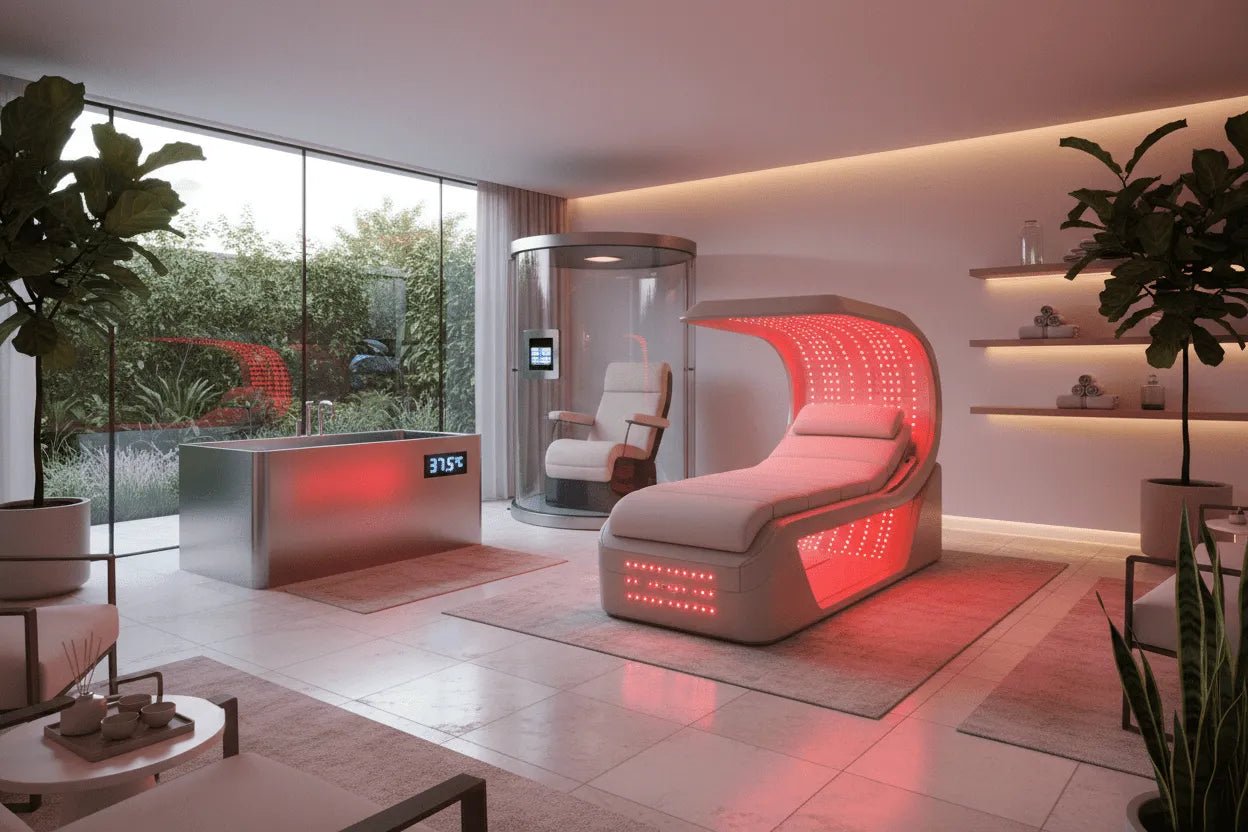
Design a Home Recovery Space (Wellness Room Guide)
Optional Add-Ons for a More Complete Recovery Toolkit
If you want a broader recovery routine, these tools are commonly paired with cold or contrast protocols:
- Compression Therapy (easy “daily driver” recovery tool)
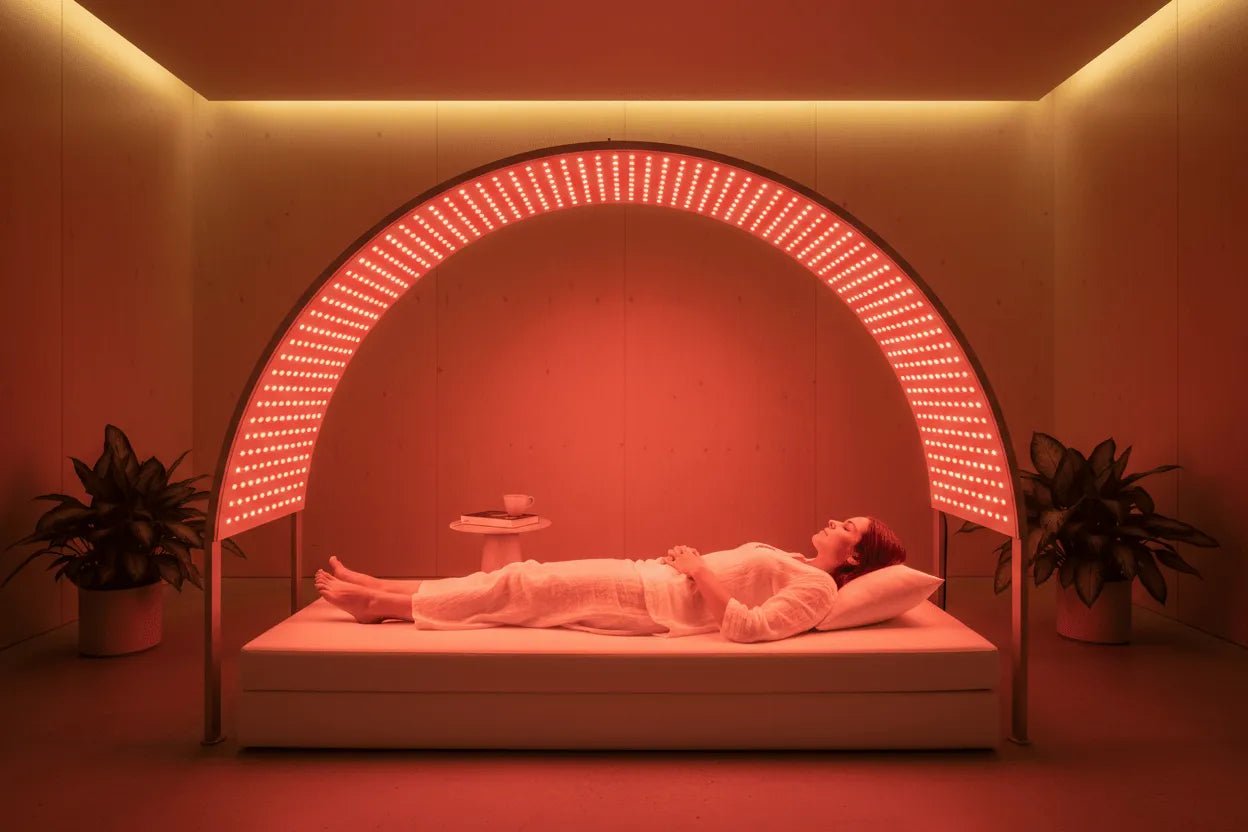
- Red Light Therapy (often used for consistent wellness routines)
- Hyperbaric Chambers (quiet, structured recovery environments)
Internal Reading
- Cold Plunge Buyer’s Guide
- Infrared & Full-Spectrum Sauna Buyer’s Guide
- Red Light Therapy Buyer’s Guide
- Longevity Stack Explained
FAQ: Cold Therapy vs. Contrast Therapy
Is one “better” than the other?
They serve different purposes. Cold therapy is simple and time-efficient, while contrast therapy is more structured and often used for full recovery sessions. Many people rotate both.
Do I need a sauna to do contrast therapy?
No. You can alternate hot and cold showers. A sauna + cold plunge setup creates a more consistent and repeatable contrast routine.
How often should I do contrast therapy?
It varies. Some people schedule weekly sessions, while others use it after heavy training days. The best routine is the one you can sustain.
Can beginners start with cold therapy?
Yes. Start gradually, keep sessions short, and focus on calm breathing. If you have underlying health conditions, consult a qualified professional.
References & Further Reading
- Cleveland Clinic — Cryotherapy & Ice Bath Recovery Overview
- National Library of Medicine — Clinical Effects of Sauna Bathing
- PubMed — Contrast Water Therapy Research Database
Wellari products are intended for general wellness purposes only and are not intended to diagnose, treat, cure, or prevent disease.