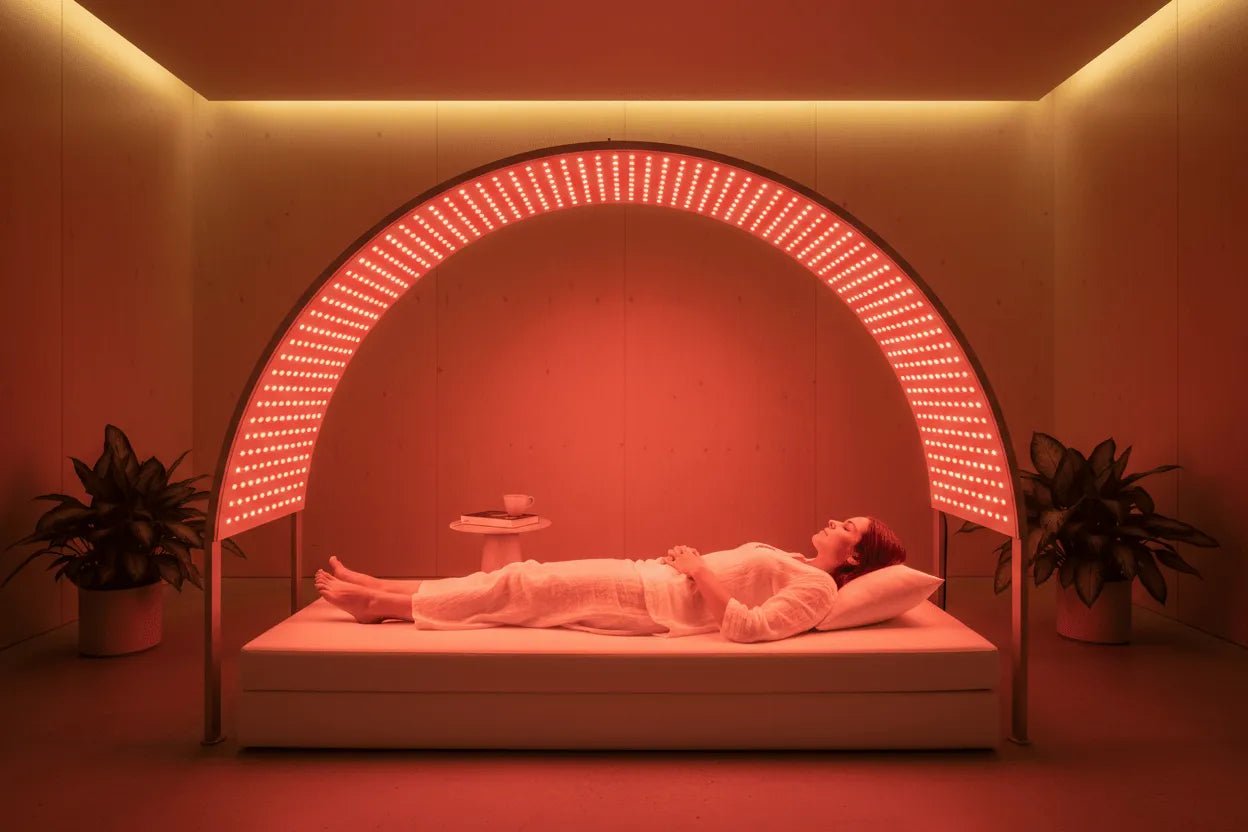
Red Light Therapy Timeline: When to Expect Real Results & What Influences Them
Red light therapy results take time. While some people notice early changes like a healthier-looking glow, less visible redness, or a sense of post-session relaxation, the more meaningful changes people usually want—such as smoother-looking skin, better texture, or more noticeable recovery support—typically build over several weeks of consistent use.
This guide explains the typical red light therapy timeline, what can influence how quickly results appear, and how to set realistic expectations so you can stay consistent and get more from your routine.
What Red Light Therapy Is Really Doing
Red light therapy is commonly described in the research as photobiomodulation. It uses specific red and near-infrared wavelengths to interact with cells and support processes related to cellular energy, tissue response, and skin appearance. A 2024 dermatology review notes that photobiomodulation has been studied across skin-focused applications, while a 2024 sleep-focused review describes its interaction with mitochondrial activity and cellular metabolism. 2024 dermatology review | 2024 sleep review
For shoppers exploring devices, Wellari’s Red Light Therapy hub provides a useful overview of how red and near-infrared systems fit into a broader wellness routine.
Why the Timeline Matters
One of the biggest mistakes people make with red light therapy is expecting instant transformation. That is not usually how it works. Many of the visible benefits people care about—such as the appearance of smoother skin, better tone, or more settled post-exercise recovery—depend on repeated sessions over time.
Understanding the timeline helps you:
- Set realistic expectations
- Stay consistent long enough to evaluate progress fairly
- Choose the right device format for your goals
- Avoid quitting too early
General Red Light Therapy Timeline: What Most People Notice First
Weeks 1–2: Early, Subtle Changes
In the first couple of weeks, many people are looking for very small signals rather than dramatic visible changes. This may include:
- Skin that looks a bit more refreshed or hydrated
- A calmer-looking complexion after consistent sessions
- A subjective sense of post-session relaxation
- Feeling more prepared to keep a recovery routine consistent
These early shifts are often subtle. They are not always “before-and-after photo” changes yet.
Weeks 3–6: More Noticeable Progress
By this point, people using red light therapy consistently often begin noticing more visible changes in areas like skin tone, surface smoothness, and general skin appearance. For recovery-focused users, this is also the stage where the routine itself often becomes easier to evaluate.
A controlled trial published in Photomedicine and Laser Surgery found improvements in skin complexion and skin feeling over a multi-week course of treatment rather than after just a handful of sessions. Controlled trial on skin complexion and skin feeling
Weeks 6–12: Meaningful Results for Many Users
This is where more meaningful changes often begin to show up for people who have used the therapy consistently. Depending on the goal, this may include:
- Smoother-looking skin texture
- The appearance of firmer or more even-looking skin
- Better support for a recovery-focused routine
- More confidence that the routine is worth continuing
12+ Weeks: Long-Term Routine Benefits
Longer-term use is often where people decide whether red light therapy truly deserves a permanent place in their routine. The most meaningful changes are usually the result of cumulative use, not isolated sessions.
Timeline by Goal: Skin, Recovery, Sleep, and Hair-Focused Routines
Skin Appearance and Texture
Skin-focused users often notice subtle radiance first, followed later by visible improvements in texture and overall appearance. The 2024 dermatology review and earlier clinical skin studies support the idea that benefits build progressively with repeated use rather than immediately. Dermatology review | Controlled skin trial
Muscle Recovery and Exercise Support
Recovery-focused users may notice short-term subjective benefits sooner than cosmetic users, particularly when red light therapy is part of a broader recovery stack. A 2025 systematic review on delayed onset muscle soreness reported that photomodulation therapy was associated with reduced muscle pain and improved strength recovery compared with placebo. 2025 DOMS systematic review
Sleep Support
Sleep-focused timelines vary widely, but a 2024 review in Sleep Medicine Research notes growing interest in photobiomodulation for sleep-related applications. Sleep is also strongly influenced by routine consistency, light timing, stress load, and general sleep hygiene, so red light is usually best viewed as one piece of a broader sleep-support strategy. Sleep review
Hair and Scalp Rituals
Hair- and scalp-focused routines generally require more patience than short-term skin radiance goals. These use cases tend to demand longer consistency windows before changes are easy to evaluate.
Wellari users exploring this area can start here: Red Light Scalp Care
What Influences How Fast Results Show Up?
1. Consistency
This is the biggest factor. Most people who do well with red light therapy use it regularly, not randomly.
2. Device Format and Output
Masks, panels, scalp devices, wraps, and larger systems all fit different use cases. Coverage area, session convenience, and build quality can affect how easy it is to stay consistent.
3. Your Goal
A person focused on short-term recovery support may evaluate progress differently than someone focused on long-term skin appearance.
4. Baseline Skin or Recovery Status
People starting from different baselines may perceive progress differently. Mild concerns may appear to improve sooner than more established concerns.
5. Lifestyle Habits
Hydration, sleep, stress load, nutrition, and routine consistency all influence how well wellness tools fit into real life.
Best Wellari Red Light Options to Explore
If you want results faster in real life, convenience matters. The easier a device is to use regularly, the more likely you are to stay with it.
- Red Light Therapy Hub
- CS-001 Phototherapy 3D Mask
- SC1028 Flexible 7-Color LED Therapy Mask
- Red Light Scalp Care
If you are building a larger routine, these related Wellari guides are also helpful:
- Unlocking Red Light Therapy: The Science Behind Its Benefits & Buying Guide
- How to Build a Modern Longevity Stack
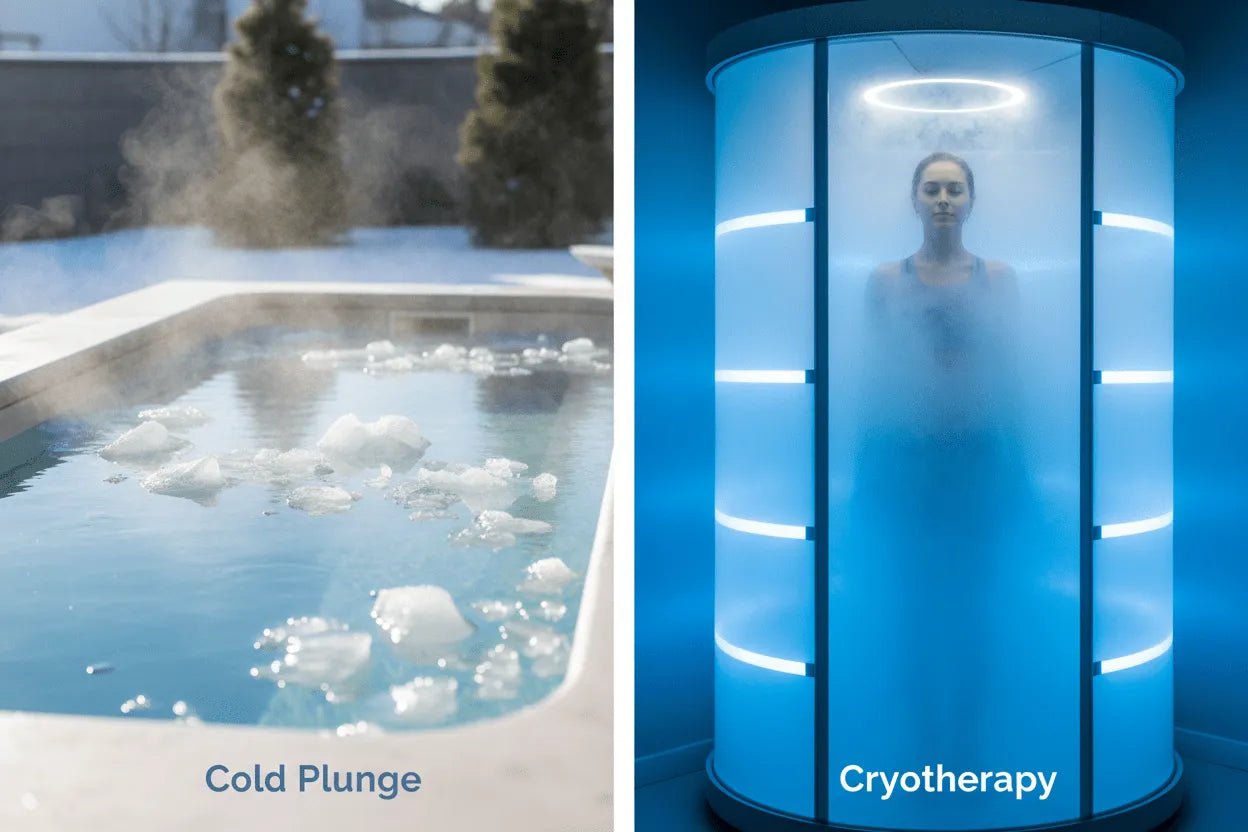
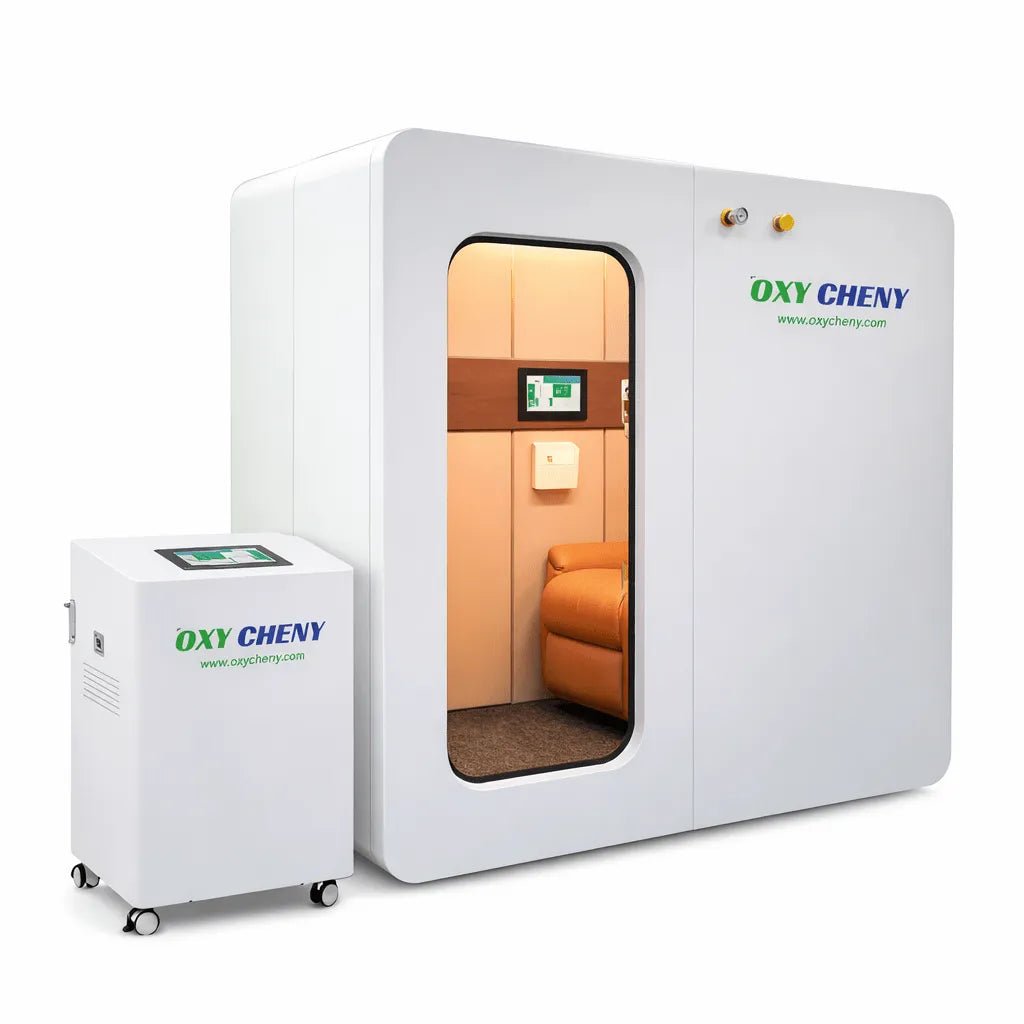
- Reset Your Nervous System: Cold, Heat, Light & Oxygen
- Design Your Dream Home Wellness Room
How to Improve Your Chances of Seeing Results
- Use your device on a consistent schedule
- Track progress every 2–4 weeks instead of checking daily
- Take photos in the same lighting if your goal is skin appearance
- Pair red light with a broader recovery or skincare routine
- Choose a device format you will realistically keep using
What If You’re Not Seeing Results Yet?
If you have only used red light therapy for a week or two, it may simply be too early to judge. If you have been consistent for 8–12 weeks and still feel unsure, revisit the basics:
- Are you using the device often enough?
- Is the device format appropriate for your goal?
- Are you comparing progress fairly over time?
- Are your expectations realistic for your use case?
If you have skin concerns, persistent discomfort, or questions about whether red light is appropriate for you, consult a qualified healthcare professional before relying on any wellness device for guidance.
FAQ: Red Light Therapy Timeline
How long does red light therapy take to show results?
Some people notice subtle early changes within the first 1–2 weeks, but more meaningful visible results often take several weeks of consistent use.
Why am I not seeing red light therapy results yet?
The most common reasons are inconsistent use, unrealistic expectations, or not giving the routine enough time to build cumulative benefits.
What shows up first with red light therapy?
Many people first notice small changes such as a healthier-looking glow, calmer-looking skin, or a more settled post-session feeling.
Does red light therapy work faster for recovery than for skin?
Some users feel recovery-related benefits sooner than visible cosmetic changes, which often take longer to evaluate fairly.
How often should I use red light therapy?
The right schedule depends on the device and intended use. Follow the manufacturer’s instructions and focus on consistency over intensity.
Trusted Resources & Further Reading
- 2024 Dermatology Review on Photobiomodulation
- Controlled Trial on Skin Complexion and Skin Feeling
- 2025 Systematic Review on Delayed Onset Muscle Soreness
- 2024 Review on Photobiomodulation and Sleep
Final Thoughts: Red Light Therapy Rewards Consistency
Red light therapy is usually not an overnight-results tool. It tends to work best as a repeatable wellness habit—one that supports your skin, recovery, or broader routine through consistency over time.
If you approach it with realistic expectations, the right device format, and a routine you can actually maintain, it becomes much easier to evaluate whether it is working for you.
Ready to build your routine?