Red Light Therapy Dosage Explained: Master Distance, Time, and Wavelength for Optimal Results
Red light therapy (RLT) is one of the most effective non-invasive wellness technologies available today—but results depend heavily on one critical factor: dosage.
Understanding how distance, time, and wavelength work together is the key to maximizing benefits like skin rejuvenation, muscle recovery, and inflammation reduction.
Explore devices here: Shop Red Light Therapy or learn more in our Red Light Therapy Buyer’s Guide.
Why Dosage Matters in Red Light Therapy
Red light therapy works through a process called photobiomodulation, where light energy interacts with your cells to support repair and regeneration.
According to research from the National Institutes of Health (NIH) , light therapy may influence cellular metabolism and tissue repair processes.
However, more is not always better. The effectiveness of RLT follows a biphasic dose response—meaning too little may have no effect, and too much may reduce benefits.
The 3 Pillars of Red Light Therapy Dosage
1. Distance: Controlling Light Intensity
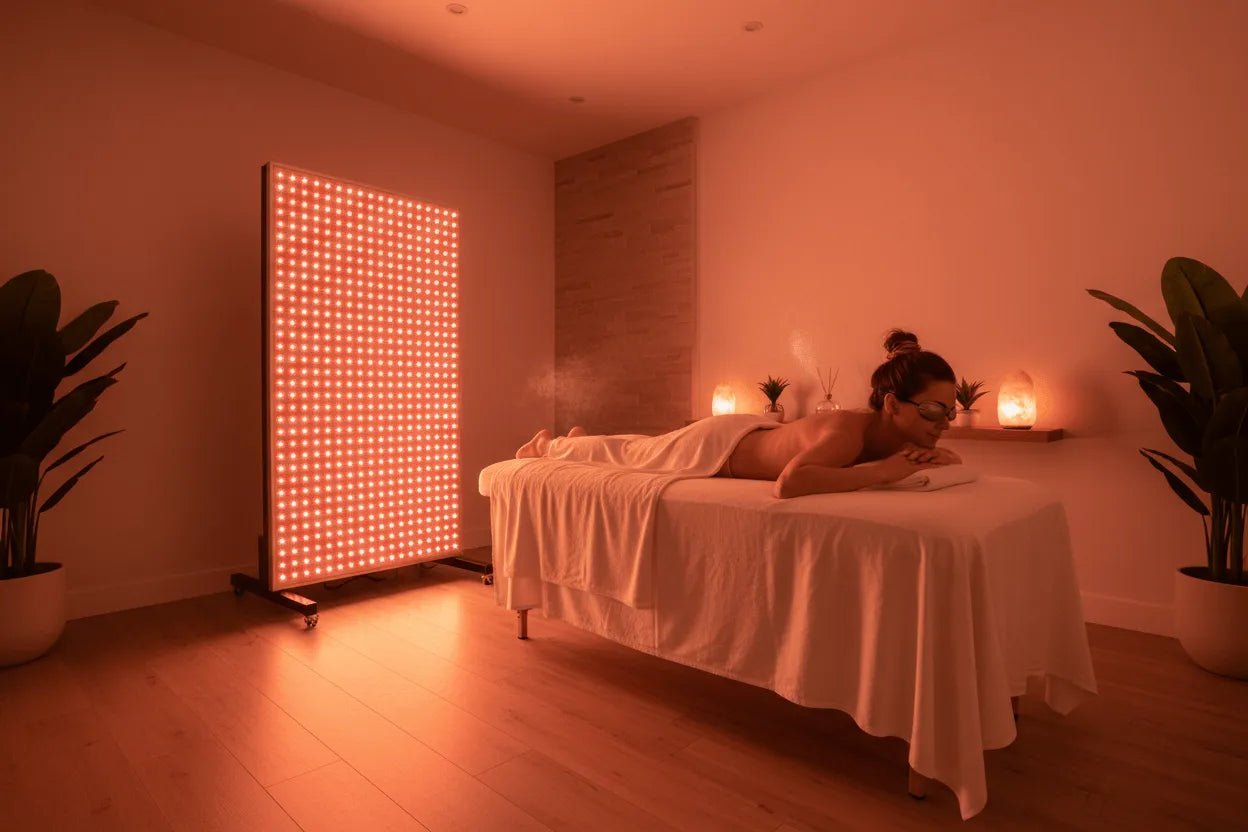
Distance determines how much light energy reaches your body. The closer you are to the device, the higher the intensity.
- 6–12 inches: Ideal for skin and surface treatments
- 12–24 inches: Suitable for deeper tissue applications
Greater distance reduces intensity, requiring longer session times to achieve the same results.
2. Time: Total Energy Exposure
Session duration determines how much total energy your body absorbs.
- Skin health: 5–15 minutes
- Muscle recovery: 10–20 minutes
- Pain/inflammation: 10–20 minutes
Consistency matters more than long sessions. Most protocols recommend 3–5 sessions per week.
3. Wavelength: Depth of Penetration
Different wavelengths target different areas of the body:
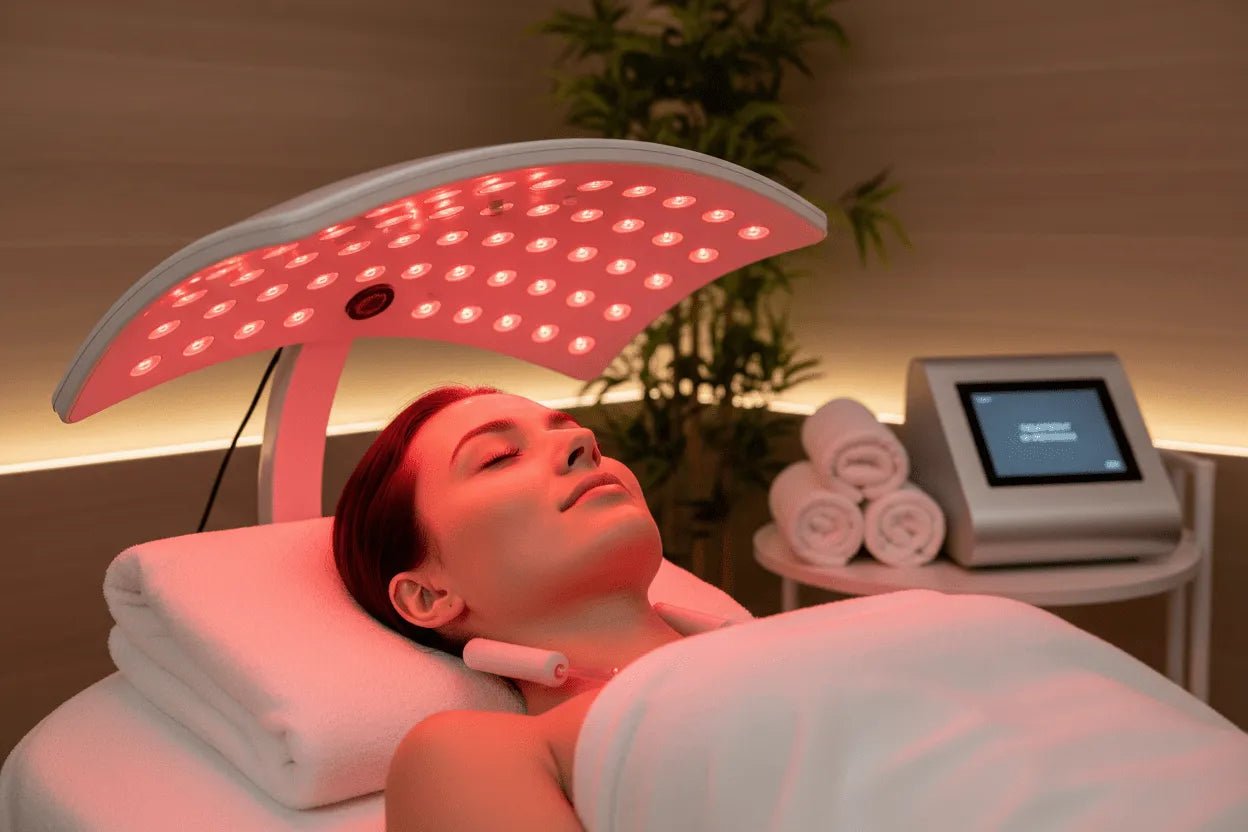
- Red Light (630–660nm): Skin, collagen, surface-level benefits
- Near-Infrared (810–850nm): Muscles, joints, deeper tissues
Learn more: Red vs Infrared Therapy Guide .
Understanding Energy Dose (J/cm²)
The effectiveness of red light therapy is often measured in Joules per square centimeter (J/cm²), which represents total energy delivered.
This is calculated by combining intensity and time.
Research suggests common ranges:
- Skin: 8–15 J/cm²
- Recovery: 10–30 J/cm²
- Pain relief: 15–40 J/cm²
A PubMed study on photobiomodulation highlights its potential role in improving tissue repair and reducing inflammation.
How to Build Your Ideal Red Light Therapy Protocol
- Start with manufacturer recommendations
- Use consistent session timing
- Adjust based on results over time
- Avoid overexposure
Consistency is the most important factor for results.
Choosing the Right Device Matters
Your results depend heavily on device quality, output, and coverage area.
Recommended Wellari Wellness Resources
External Resources
- NIH: Photobiomodulation Research
- PubMed: Light Therapy & Recovery
- Cleveland Clinic: Red Light Therapy
- FDA: Photobiomodulation Devices Guidance
FAQ
How often should I use red light therapy?
Most users benefit from 3–5 sessions per week depending on goals.
Can I overuse red light therapy?
Yes. Excessive exposure may reduce effectiveness due to the biphasic response.
What is the best distance for red light therapy?
Typically 6–12 inches for skin and up to 24 inches for deeper tissue applications.
How long should each session last?
Most sessions range from 5–20 minutes depending on treatment goals.
Is red light therapy safe?
It is generally safe when used according to manufacturer guidelines.
Final Thoughts
Red light therapy is powerful—but only when used correctly.
By mastering distance, time, and wavelength, you can move beyond guesswork and achieve consistent, measurable results.
Explore devices: Shop Red Light Therapy.
%20is%20one%20of%20the%20most%20effective%20non-invasive%20wellness%20technologies%20available%20today%E2%80%94but%20results%20depend%20heavily%20on%20one%20critical%20factor:%20dosage.%0A%0AUnderstanding%20how%20distance,%20time...)