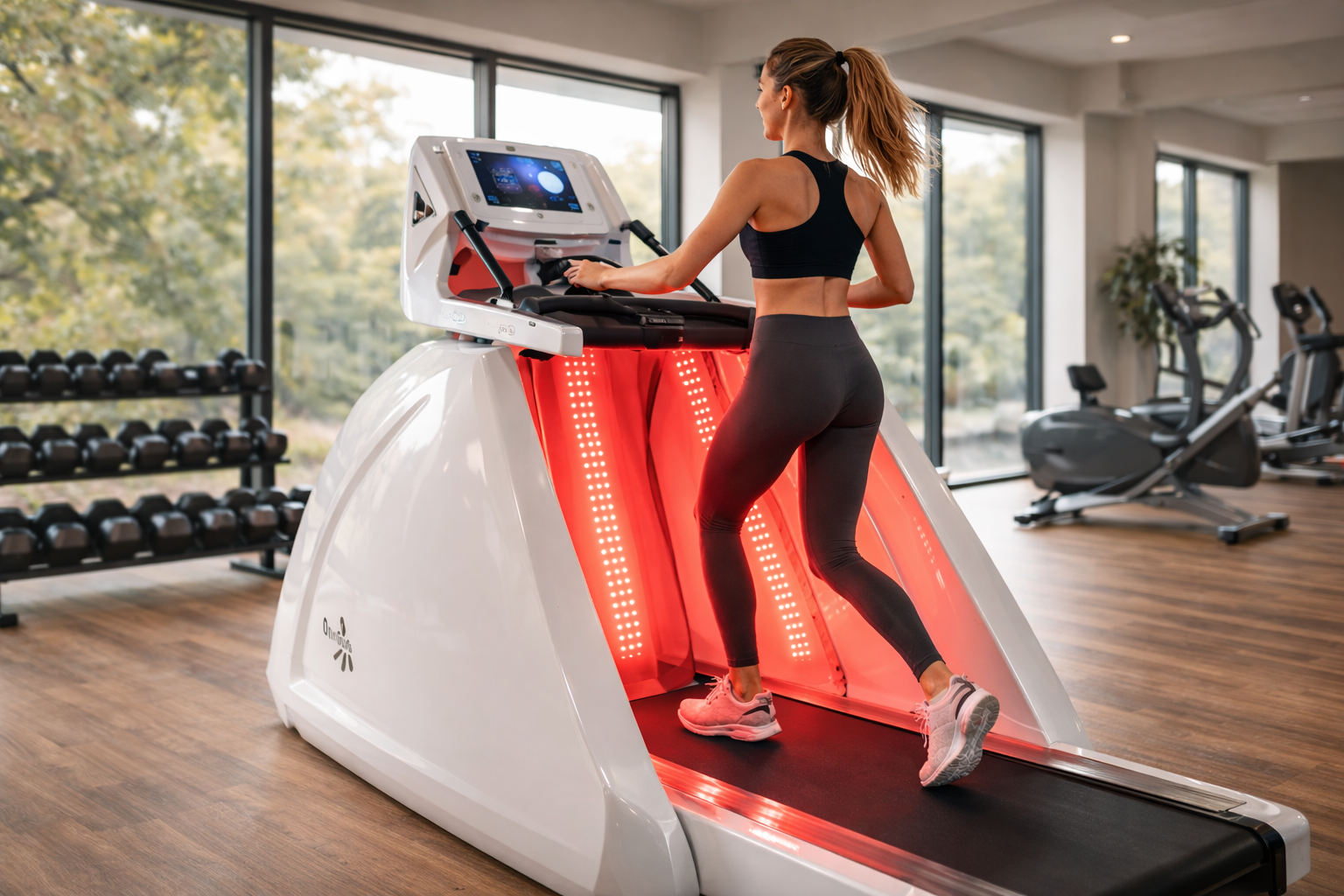
Red Light vs. Infrared Therapy: Differences, Benefits, and How to Choose the Right Light for Your Goals
Introduction: Why Light Therapy Has Become a Wellness Staple
Light-based therapies have moved from niche clinical settings into everyday wellness routines. From supporting skin appearance to post-workout recovery routines, red light therapy and near-infrared (NIR) therapy are now widely used across beauty, performance, and longevity-focused lifestyles.
Although these terms are often used interchangeably, red light and near-infrared work in different ways, reach the body at different depths, and are commonly chosen for different goals. Understanding those differences helps you choose the right system—or decide when a combination approach makes the most sense.
This guide breaks down how red light and near-infrared therapy work, what each does best, and how to choose an option that aligns with your wellness goals.
The Science Behind Light Therapy (Photobiomodulation)
Both red light therapy and near-infrared therapy are commonly discussed under photobiomodulation (PBM)—a process where specific wavelengths of light interact with cells to support normal cellular function.
How Light Works Inside the Body
When therapeutic light reaches the body, it can be absorbed by mitochondria (often called the “power centers” of cells). This interaction may help support:
- Cellular energy production (ATP support)
- Healthy circulation and oxygen delivery
- Oxidative stress balance
- Inflammation response regulation
- Normal tissue repair processes
A key difference between red light and near-infrared is how deeply the light can reach.
Where Red Light and Near-Infrared Fit on the Spectrum
- Red Light: visible light, commonly ~620–700 nm
- Near-Infrared (NIR): invisible light, commonly ~750–1000 nm
In general, red light is often used for skin and surface tissues, while near-infrared is often used for muscles, joints, and deeper connective tissue support.
Red Light Therapy Explained: Skin, Surface Tissue & Appearance Support
What Is Red Light Therapy?
Red light therapy uses visible red wavelengths to target the surface layers of the skin. Because it does not typically reach as deeply as NIR, it’s commonly used for cosmetic routines and surface-level recovery goals.
How Red Light Therapy Works
Red light is often discussed for its interaction with skin-related processes that may support collagen and elastin pathways, helping improve the look and feel of skin over time.
Common Use Cases for Red Light Therapy
- Skin appearance and texture support
- Fine-line and wrinkle appearance support
- Support for the look of redness and uneven tone
- Surface-level recovery and comfort routines
Explore Red Light Therapy Systems
Explore Red Light Therapy Systems
This hub provides access to red light panels, targeted devices, full-body options, and combination red + near-infrared systems.
Near-Infrared Therapy Explained: Deep Tissue Recovery & Comfort Support
What Is Near-Infrared (NIR) Therapy?
Near-infrared therapy uses invisible wavelengths that can reach deeper tissues than visible red light. NIR is commonly used in routines aimed at supporting muscles, joints, and overall recovery comfort.
How Near-Infrared Therapy Works
NIR is often used to support deeper circulation and cellular energy processes in tissue areas that can feel stressed after workouts or repetitive strain.
Common Use Cases for Near-Infrared Therapy
- Post-exercise recovery routines
- Muscle and joint comfort support
- Mobility and stiffness support routines
- Relaxation and stress support
Explore Infrared Therapy Options
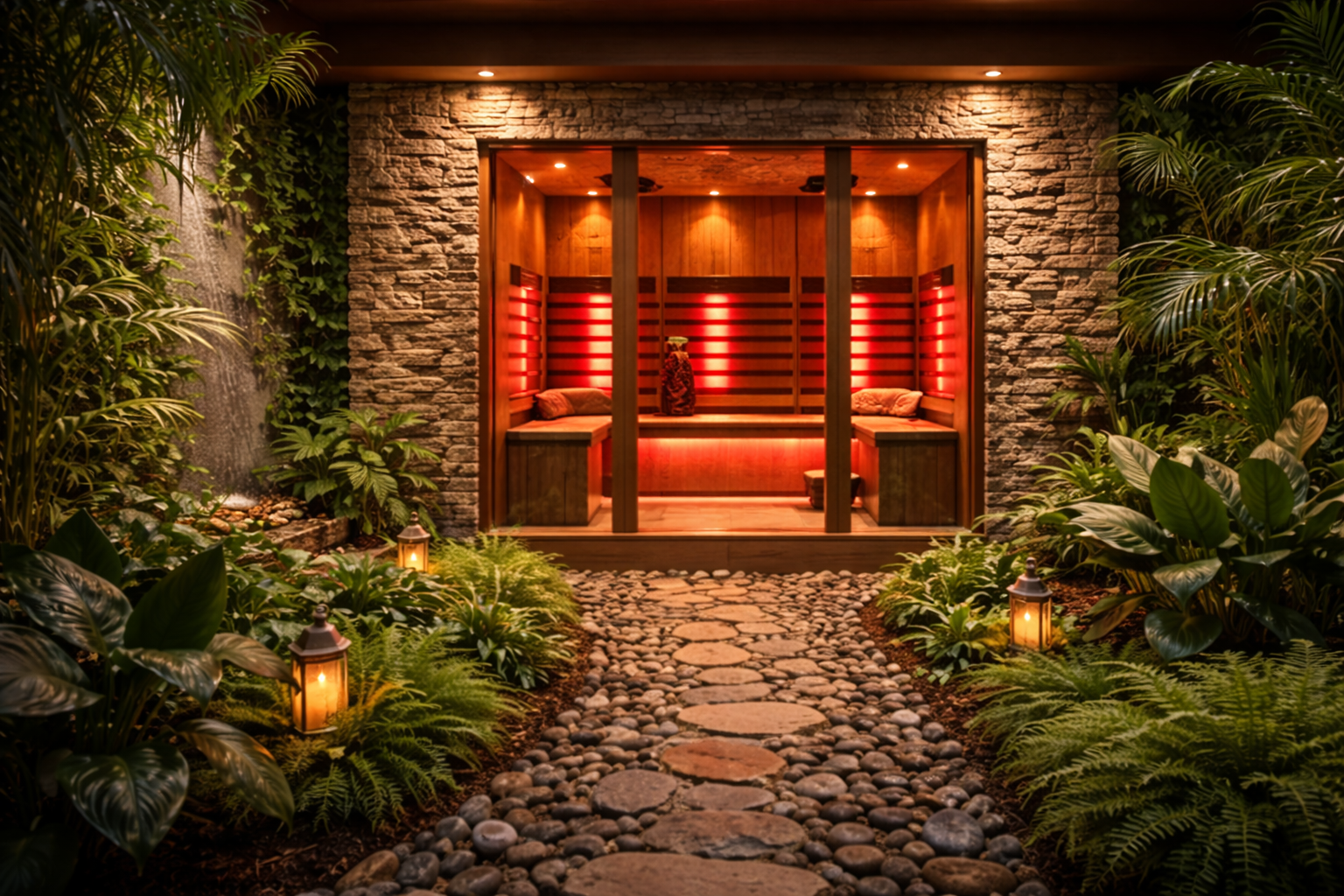
Shop Infrared Saunas & Deep Heat Therapy
Explore Infrared + Red Light Integrated Sauna Systems
Red Light vs. Near-Infrared: Side-by-Side Comparison
Penetration Depth
- Red Light: skin and surface tissue support
- Near-Infrared: deeper tissue support (muscles/joints/connective tissue)
Best Fit Goals
Red Light is often chosen for:
- Skin appearance and cosmetic routines
- Surface-level recovery support
Near-Infrared is often chosen for:
- Deeper recovery comfort routines
- Muscle and joint support routines
Sensation During Use
- Red light: visible glow, minimal warmth
- NIR: invisible light, may feel gently warming depending on device
How to Choose the Right Option for Your Goals
Choose Red Light If Your Focus Is:
- Skin appearance and surface rejuvenation
- Cosmetic routines for texture and tone
- Surface-level recovery support
Explore Red Light Therapy Systems
Choose Near-Infrared If Your Focus Is:
- Muscle recovery comfort routines
- Joint stiffness and mobility support routines
- Relaxation and circulation support
Explore Infrared Sauna Options
Why Combining Red + Near-Infrared Often Makes Sense
Many advanced systems include both red and near-infrared wavelengths because they support different depths:
- Red light: skin and surface tissue support
- Near-infrared: deeper recovery and comfort support
- Together: broader full-depth wellness routines
To see how light therapy fits into a broader recovery approach, read:
The Ultimate Longevity Stack Explained
Practical Usage Tips
- Typical sessions: 10–20 minutes
- Frequency: 3–5 times per week
- Consistency matters more than intensity
- Follow manufacturer distance and safety guidelines
Light therapy works best alongside sleep, hydration, nutrition, and regular movement.
Safety Notes
This content is for general educational purposes only and is not medical advice. Consult a qualified healthcare professional before starting any new wellness routine—especially if you are pregnant, have a medical condition, are recovering from surgery, or use prescription medications.
Avoid shining light directly into eyes, follow device instructions, and discontinue use if you experience discomfort.
Conclusion: Red Light or Infrared—Which Is Right for You?
Red light therapy and near-infrared therapy aren’t competing technologies—they’re often complementary tools.
- Red light is commonly used for skin appearance and surface support
- Near-infrared is commonly used for deeper recovery and comfort support
- Combining both can support a more complete routine
By understanding how each wavelength works, you can choose the right system (or combination) to support recovery, appearance-focused routines, and long-term wellness.