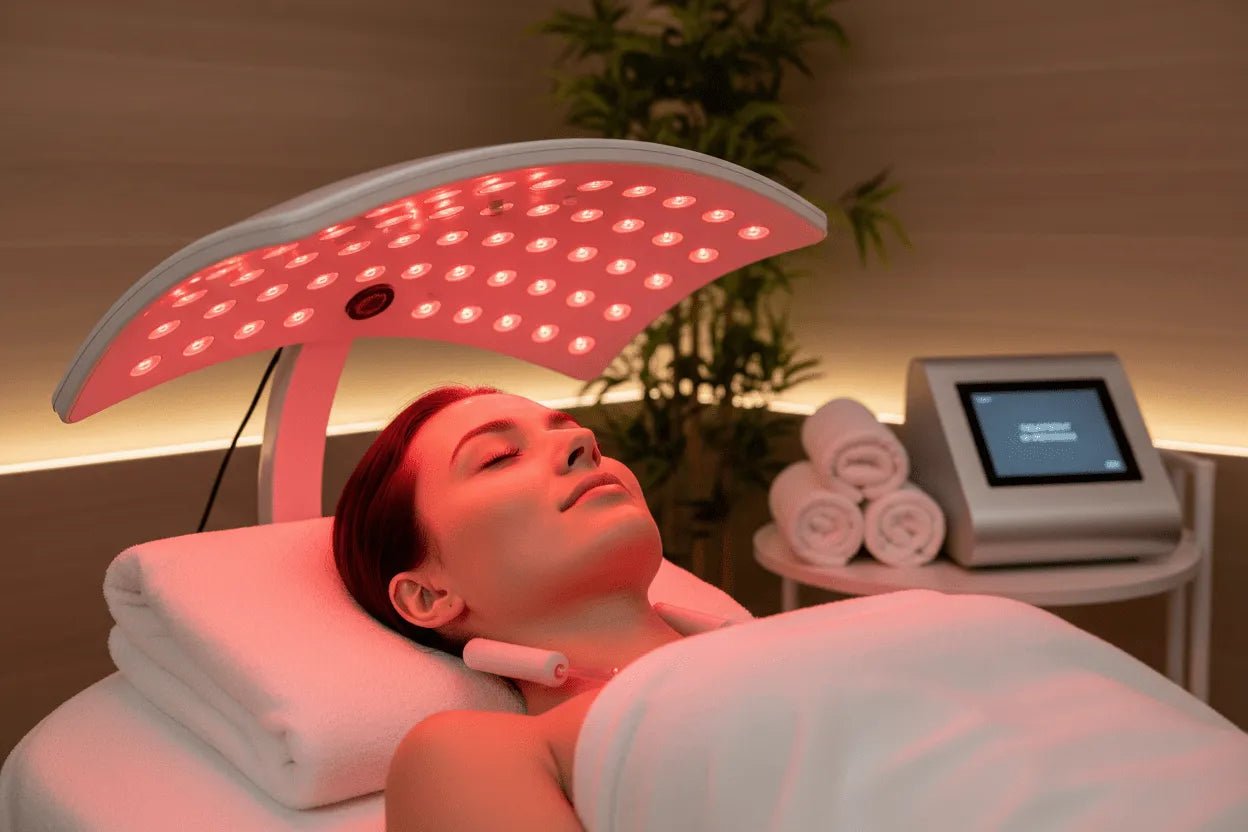
Red Light Therapy for Skin: Does It Really Boost Collagen & Reduce Wrinkles?
Red light therapy has quickly become one of the most popular non-invasive skincare technologies for improving skin appearance and supporting collagen production.
From anti-aging routines to recovery protocols, many people are asking the same question: does red light therapy actually work for skin?
This guide breaks down the science, what results you can realistically expect, and how to use red light therapy effectively.
Explore options here: Red Light Therapy Devices or compare systems: Red Light Therapy Buyer’s Guide.
What Is Red Light Therapy?
Red light therapy (RLT), also known as photobiomodulation, uses specific wavelengths of red and near-infrared light to interact with cells in the skin.
These wavelengths—typically between 630–660 nm (red light) and 810–850 nm (near-infrared)—penetrate the skin and are absorbed at a cellular level.
Learn more: Red vs Infrared Therapy Guide.
How Red Light Therapy Works
Red light therapy interacts with mitochondria, the part of your cells responsible for producing energy (ATP).
- Supports cellular energy production
- Stimulates repair processes
- Activates fibroblasts (collagen-producing cells)
According to the National Institutes of Health (NIH) , photobiomodulation may stimulate collagen production and improve overall skin appearance.
Does Red Light Therapy Boost Collagen?
Collagen is essential for maintaining skin firmness and elasticity. As we age, collagen production declines, leading to wrinkles and sagging.
Research suggests red light therapy may help stimulate fibroblasts, which are responsible for collagen production.
Studies have shown improvements in:
- Skin texture
- Wrinkle appearance
- Elasticity
However, results vary and require consistent use.
Anti-Aging Benefits: What You Can Expect
- Reduction in fine lines and wrinkles
- Improved skin tone and texture
- Enhanced skin firmness
The Cleveland Clinic notes that red light therapy may improve skin appearance and reduce visible signs of aging over time.
What Red Light Therapy Will NOT Do
- It is not an instant fix
- It does not replace medical or surgical treatments
- It requires consistent use for results
Setting realistic expectations is key.
Red Light Therapy vs Other Anti-Aging Options
Topical Skincare
Works on the surface but may not deeply impact collagen production.
Collagen Supplements
Provide building blocks, but results vary.
Red Light Therapy
Stimulates the body’s natural processes at a cellular level.
How to Use Red Light Therapy for Skin
- Session time: 10–20 minutes
- Frequency: 3–5 times per week
- Follow device-specific distance guidelines
Consistency matters more than intensity.
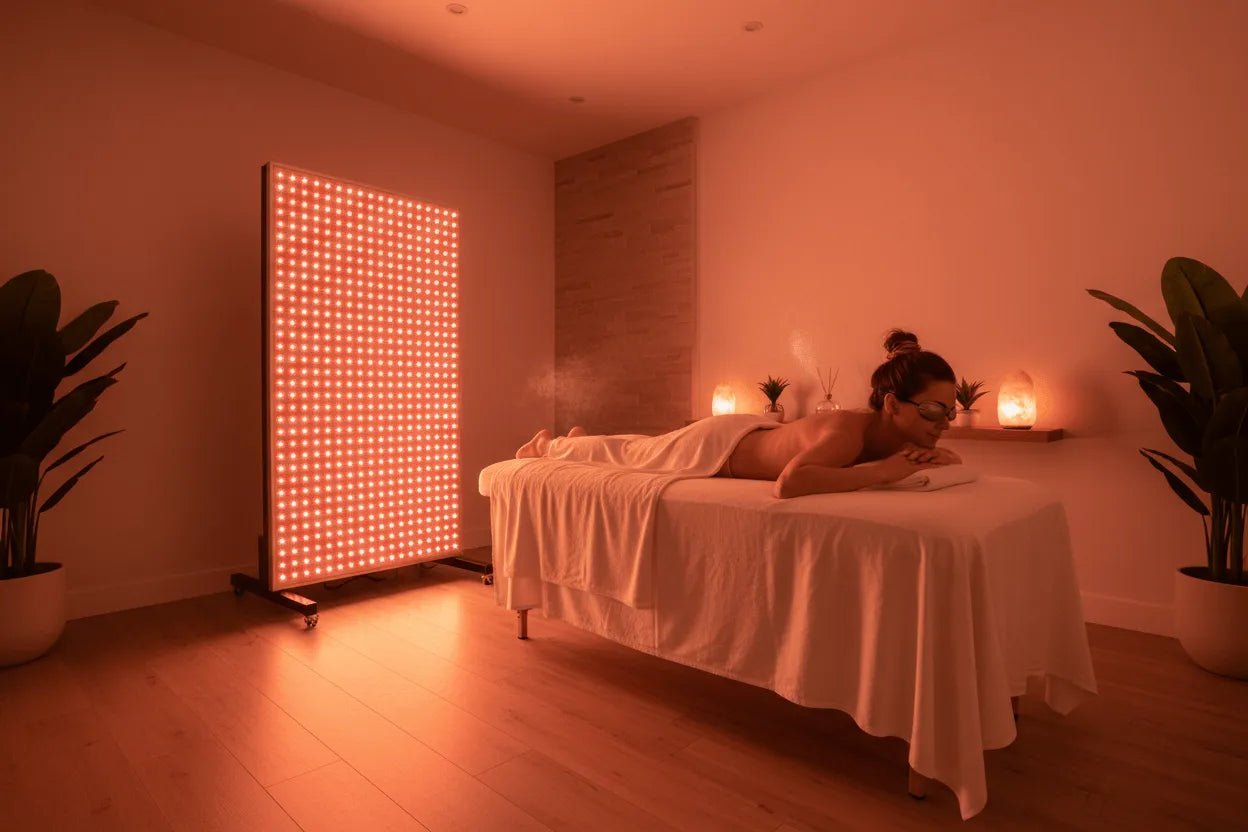
Explore full-body systems: Red Light Beds & Pods
Recommended Wellari Wellness Resources
External Resources
- NIH: Photobiomodulation & Skin Research
- PubMed: Red Light Therapy & Skin Aging
- Cleveland Clinic: Red Light Therapy
- FDA: Photobiomodulation (PBM) Devices Guidance
FAQ
Does red light therapy increase collagen?
Research suggests it may support collagen production, but results depend on consistency and individual response.
How long does it take to see results?
Most people begin noticing improvements after several weeks of regular use.
Is red light therapy safe?
It is generally considered safe when used according to manufacturer guidelines.
Can I use red light therapy every day?
Some devices allow daily use, but most recommend several sessions per week.
Is red light therapy worth it for anti-aging?
It can be a valuable part of a broader skincare and wellness routine.
Final Thoughts
Red light therapy offers a science-backed, non-invasive approach to supporting skin health and collagen production. While it is not a miracle solution, it can play a meaningful role in a consistent skincare routine.
Explore your options: Shop Red Light Therapy Devices.