
Best Cold Plunge Chillers (2026): Quiet, Fast-Cooling & Smart Tech Compared
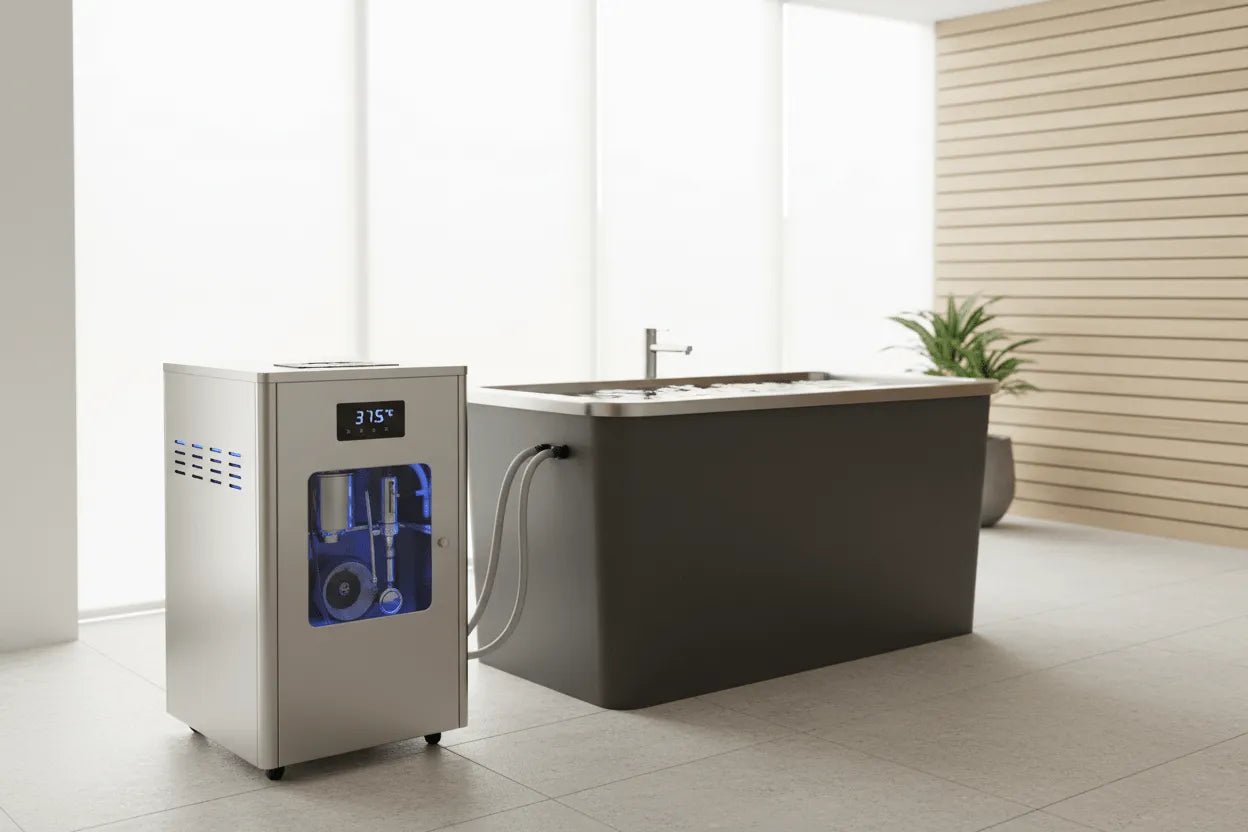
Cold plunge systems have become increasingly popular for home wellness, athletic recovery routines, and personal performance-focused environments. One of the most important parts of a modern cold plunge setup is the chiller system itself.
A quality cold plunge chiller helps maintain consistent water temperatures, improves convenience, supports water circulation, and reduces the need for constantly adding ice. Whether you are creating a dedicated wellness room or upgrading an existing setup, choosing the right chiller can significantly improve the overall experience.
Important: This article is intended for general educational and informational purposes only and is not medical advice. Cold water immersion may not be appropriate for everyone. Consult a qualified healthcare professional before beginning any cold exposure routine.
Shop Cold Plunge & Recovery Products
- Shop Cold Plunge Tubs
- Shop Compression Therapy Systems
- Shop Red Light Therapy Panels
- Shop Infrared Saunas
Why Cold Plunge Chillers Matter
Traditional ice baths often require repeated trips to purchase, store, and add ice manually. Modern cold plunge chillers automate the cooling process by helping maintain a consistent water temperature throughout the day.
Depending on the system, a cold plunge chiller may include:
- Automated water cooling
- Water circulation systems
- Filtration support
- Sanitation features
- Temperature controls
- Smart scheduling and app connectivity
Many users prefer dedicated chillers because they simplify setup maintenance and create a more consistent cold plunge experience over time.
Related reading: Cold Therapy vs. Contrast Therapy: Which Is Best for Your Recovery?
What to Look for in a Cold Plunge Chiller
1. Cooling Capacity
Cooling capacity is commonly measured in horsepower (HP). The amount of cooling power needed depends on factors such as tub size, insulation quality, installation location, and ambient temperature.
- 0.5 HP: Often suitable for smaller indoor tubs
- 0.8–1.0 HP: Common for many residential cold plunge systems
- 1.0 HP and higher: Frequently preferred for larger tubs or warmer climates
Outdoor installations and larger water volumes may require additional cooling capacity to maintain stable temperatures consistently.
2. Temperature Consistency
One of the primary advantages of a chiller system is maintaining a more stable water temperature compared to manually adding ice. Consistent water temperature can create a more predictable user experience and reduce daily maintenance.
3. Noise Levels
Noise level is an important consideration for indoor installations such as home gyms, wellness rooms, garages, and shared living spaces.
Some chillers are specifically designed with quieter fan systems and vibration-reducing components for lower operational noise.
4. Water Filtration and Sanitation
Many modern cold plunge systems include integrated filtration or sanitation support. Depending on the model, systems may use filters, ozone sanitation, UV sanitation, or a combination of water-treatment technologies.
Always follow manufacturer maintenance recommendations and water-care guidelines for your specific system.
5. Smart Features and App Controls
Some cold plunge chillers now offer smartphone connectivity and programmable controls. Features may include:
- Remote temperature adjustment
- Cooling schedules
- Maintenance reminders
- Energy-saving modes
- System monitoring
These features can improve convenience and allow users to prepare the plunge in advance of use.
Popular Types of Cold Plunge Chillers in 2026
General-Purpose Residential Chillers
These systems are designed for everyday home use and typically balance cooling performance, ease of use, and affordability. Many homeowners choose this category for indoor or garage-based plunge setups.
High-Capacity Outdoor Chillers
Outdoor plunge systems may experience additional heat exposure depending on climate and placement. Higher-capacity chillers are often selected for outdoor use where environmental temperatures fluctuate more significantly.
Quiet Indoor Chillers
For indoor wellness rooms or shared spaces, lower-noise systems may provide a more comfortable experience. These chillers often prioritize quieter operation and compact designs.
Smart WiFi-Enabled Chillers
WiFi-enabled systems are increasingly popular for users who want additional convenience and automation features integrated into their recovery routine.
Cold Plunge Chiller Comparison Overview
| Chiller Type | Common Use Case | Typical Features |
|---|---|---|
| Compact Chillers | Small indoor tubs | Lower power usage, smaller footprint |
| Mid-Range Residential Chillers | Most home cold plunge setups | Balanced cooling and convenience |
| High-Capacity Chillers | Outdoor or larger plunge systems | Higher cooling capability |
| Smart Chillers | Automation-focused setups | WiFi connectivity and app controls |
| Quiet Chillers | Indoor wellness rooms | Reduced operational noise |
Indoor vs. Outdoor Cold Plunge Installations
Indoor Installations
Indoor setups often prioritize:
- Lower operational noise
- Ventilation planning
- Moisture-resistant flooring
- Proper drainage access
Outdoor Installations
Outdoor systems may benefit from:
- Protective covers
- Weather-conscious placement
- Additional insulation
- Higher-capacity cooling systems
For inspiration on designing a complete wellness space, read: Design Your Dream Home Wellness Room
Maintaining a Cold Plunge Chiller
Routine maintenance may help support system longevity and overall performance.
- Inspect filters regularly
- Follow manufacturer cleaning schedules
- Keep ventilation areas clear
- Monitor water quality
- Use protective covers when the plunge is not in use
Maintenance requirements vary by manufacturer and system type.
Building a Complete Recovery Space
Many homeowners combine cold plunge systems with other wellness-focused equipment to create a more complete recovery environment.
Additional reading: Reset Your Nervous System: The Science of Cold, Light, and Heat Therapy
Final Thoughts
The best cold plunge chiller for your setup depends on several factors including tub size, installation location, climate, desired features, and overall maintenance preferences.
For many users, important considerations include:
- Reliable temperature control
- Ease of maintenance
- Noise levels
- Filtration support
- Smart connectivity features
- Indoor or outdoor compatibility
By selecting a system designed for your specific environment and usage goals, you can create a more convenient and consistent cold plunge experience at home.
Browse available systems here: Shop Cold Plunge Tubs
Frequently Asked Questions
What size cold plunge chiller do I need?
The appropriate chiller size depends on tub volume, insulation, installation location, and local climate conditions. Larger tubs and warmer environments often require additional cooling capacity.
Are cold plunge chillers quieter than portable ice makers?
Noise levels vary by model. Some chillers are specifically designed for quieter indoor operation and may produce less operational noise than certain portable cooling alternatives.
Can cold plunge chillers be used outdoors?
Many systems are designed for outdoor use when installed according to manufacturer recommendations. Outdoor installations may require additional weather protection and insulation.
How often should cold plunge water be changed?
Water maintenance schedules vary depending on system design, filtration, sanitation methods, and frequency of use. Always follow the manufacturer’s maintenance guidelines.
Do all cold plunge chillers include filtration?
No. Some systems include integrated filtration and sanitation while others require separate components or external filtration systems.
Helpful External Resources
- Cleveland Clinic: What to Know About Cold Plunges
- National Library of Medicine: Health Effects of Voluntary Exposure to Cold Water
- National Library of Medicine: Cold Water Immersion and Exercise Recovery Review
- CDC: Water Maintenance and Safety Guidance
Wellari Wellness products are intended for general wellness and lifestyle purposes only. Products are not intended to diagnose, treat, cure, or prevent disease. Individual experiences may vary.