How to Use Red Light Therapy Panels for Cellular Energy and Recovery
Red light therapy has become one of the most popular wellness technologies for people focused on energy, recovery, healthy aging habits, skin support, and overall performance. Also known as photobiomodulation, red light therapy uses targeted red and near-infrared light wavelengths to support light-based wellness routines.
One of the biggest reasons red light therapy is so widely discussed is its connection to cellular energy production. Cells rely on energy-producing processes to support movement, recovery, circulation, and overall wellness. When used consistently and responsibly, red light therapy may be a helpful addition to a balanced recovery routine.
This guide explains how red light therapy may support cellular energy processes, which wavelengths matter, how often to use it, how long sessions may last, and how to combine red light therapy with other home wellness tools like infrared saunas and cold plunges.
What Is Red Light Therapy?
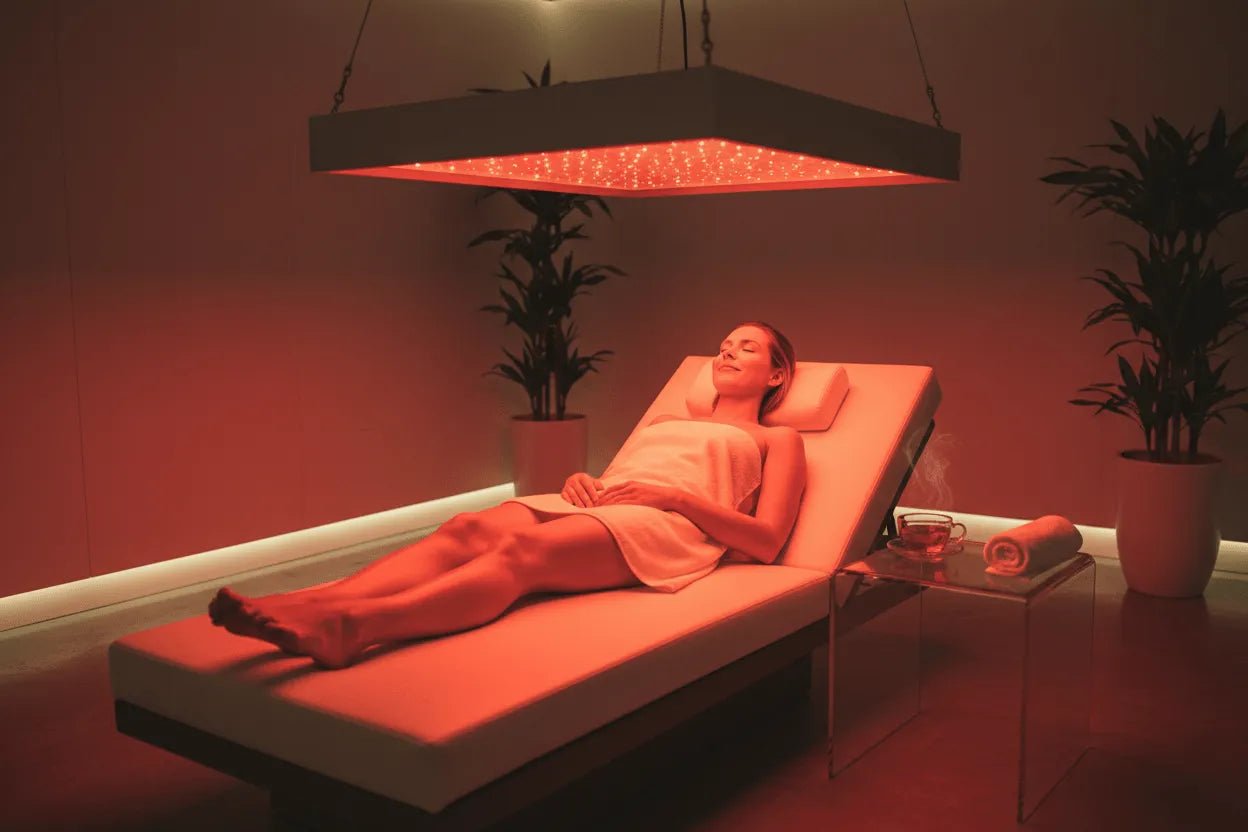
Red light therapy is a non-invasive wellness technology that exposes the body to specific wavelengths of red and near-infrared light. These wavelengths are commonly used in panels, beds, masks, and targeted devices designed for skin wellness, muscle recovery routines, relaxation, and general well-being.
Unlike ultraviolet light, red and near-infrared light do not tan the skin. Instead, these wavelengths are used for light-based wellness support. Device quality, wavelength range, session length, distance, and consistency all matter when building an effective routine.
Helpful outside resource: Cleveland Clinic — LED Light Therapy
Why Cellular Energy Matters
Cellular energy plays an important role in daily vitality, movement, recovery, and general wellness. The body uses oxygen and nutrients to help produce ATP, which is often described as the body’s usable form of cellular energy.
Healthy cellular energy processes are commonly discussed in relation to physical performance, recovery routines, cognitive wellness, skin appearance, and daily stamina.
When the body is under stress from poor sleep, inconsistent movement, environmental stressors, overtraining, or lifestyle factors, many people look for supportive wellness habits that may help them maintain better recovery balance and daily energy.
Supporting cellular energy is not about one single product or treatment. It is best approached through a complete wellness routine that includes sleep, hydration, movement, nutrition, light exposure, recovery, and stress management.
How Red Light Therapy May Support Cellular Energy Processes
Red light therapy is commonly discussed through a process called photobiomodulation. During this process, red and near-infrared light interact with light-sensitive structures in the body.
By supporting normal light-based wellness pathways, red light therapy may help users build routines focused on energy support, circulation-focused wellness, relaxation, and recovery habits.
It is important to keep claims realistic. Red light therapy is not a cure, treatment, or replacement for medical care. It should be viewed as a supportive wellness tool when used properly and consistently.
Best Red Light Therapy Wavelengths for Cellular Energy and Recovery
The most commonly discussed red light therapy wavelengths fall into two main categories: red light and near-infrared light.
Red Light: 630nm–670nm
Red light wavelengths are often used for surface-level wellness goals. These wavelengths are commonly associated with skin appearance, localized recovery routines, and general cellular wellness near the surface of the body.
Near-Infrared Light: 810nm–850nm
Near-infrared light penetrates deeper than visible red light. This makes it popular for larger muscle groups, joints, exercise recovery routines, and full-body wellness sessions.
Combination Red and Near-Infrared Devices
For broad wellness support, many users choose devices that combine red and near-infrared light. This allows one session to support both surface-level and deeper wellness goals.
Explore Wellari Wellness red light therapy solutions: Red Light Therapy Solutions
Red Light Therapy Wellness Routine for Cellular Energy
A smart red light therapy routine should be consistent, moderate, and based on the device manufacturer’s instructions. More light is not always better. The goal is to find a routine that supports your body without overdoing it.
Step 1: Start With 3–5 Sessions Per Week
For general energy and recovery support, many users begin with three to five sessions per week. This frequency allows for consistency while giving the body time to respond between sessions.
Step 2: Begin With Short Sessions
If you are new to red light therapy, start with shorter sessions. A good beginner range is usually 5–8 minutes per area, depending on the device and distance. Over time, many users gradually increase to 10–15 minutes per area.
Step 3: Follow the Recommended Distance
Distance matters because it affects how much light reaches the body. Many panels are used approximately 6–12 inches from the skin, but every device is different. Always follow the manufacturer’s recommended distance and session time.
Step 4: Focus on Larger Areas for Full-Body Support
For whole-body wellness routines, many people focus on larger areas such as the back, chest, legs, hips, and shoulders. Larger target areas may be useful for users focused on overall energy, recovery, and full-body wellness.
Step 5: Stay Consistent
Red light therapy works best as a routine. Occasional sessions may feel relaxing, but consistent use over time is typically the better strategy for people focused on recovery, performance, and wellness optimization.
Best Time of Day to Use Red Light Therapy
Many users prefer red light therapy in the morning or earlier in the day. Morning light-based routines may pair well with hydration, stretching, mobility work, or exercise preparation.
Some users also use red light therapy after workouts to support relaxation and recovery. If you are sensitive to light exposure, avoid intense sessions too close to bedtime.
Red Light Therapy for Muscle Recovery and Performance
Red light therapy is commonly used by athletes, active adults, and recovery-focused users. It may help support circulation-focused wellness, muscle relaxation, and post-activity recovery habits when used as part of a consistent routine.
Pre-Workout Use
Before exercise, some users apply red light therapy to major muscle groups for approximately 5–8 minutes. This may help prepare the body for movement and support a recovery-focused routine.
Post-Workout Use
After exercise, red light therapy may be used for 10–15 minutes on targeted areas such as the legs, back, shoulders, or hips. This can be part of a broader recovery routine that includes hydration, stretching, protein intake, and sleep.
Explore a professional full-body option: M6N Plus Red Light Therapy Bed
Combining Red Light Therapy With Other Wellness Tools
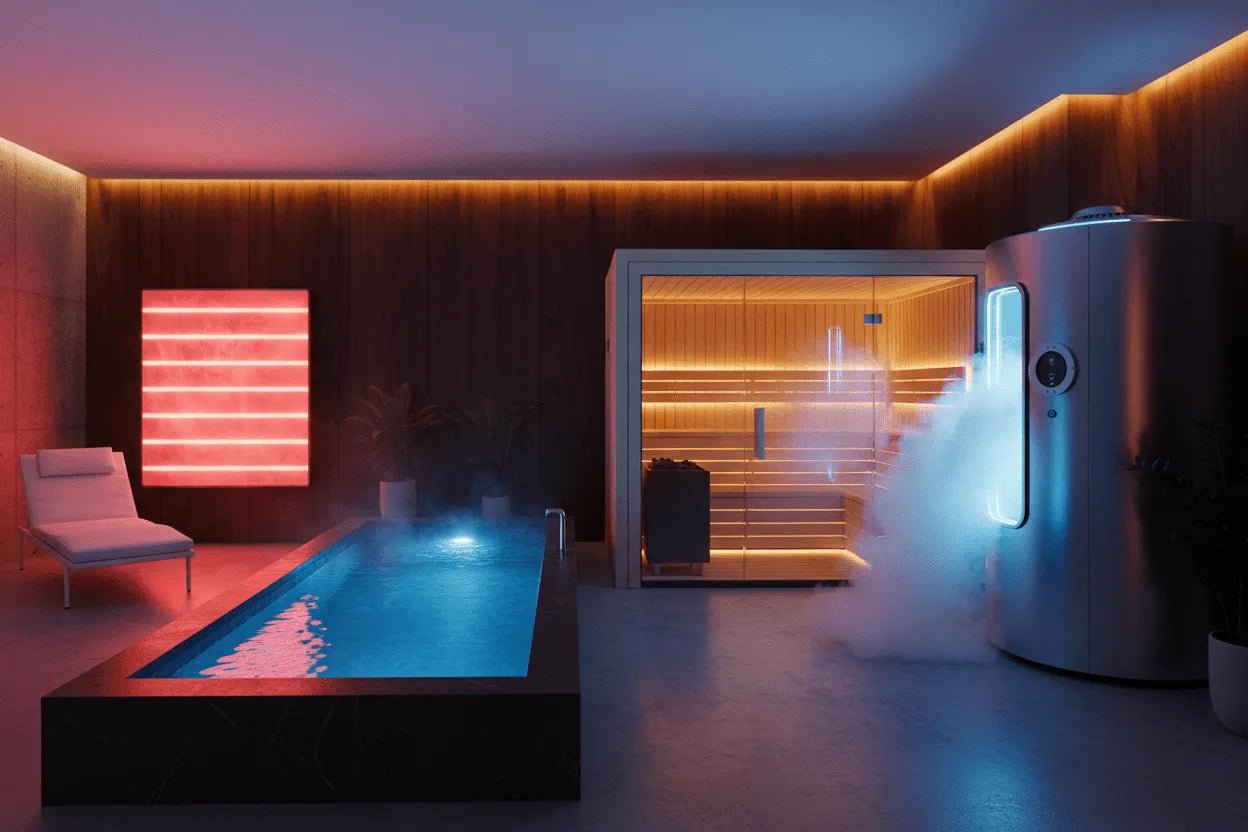
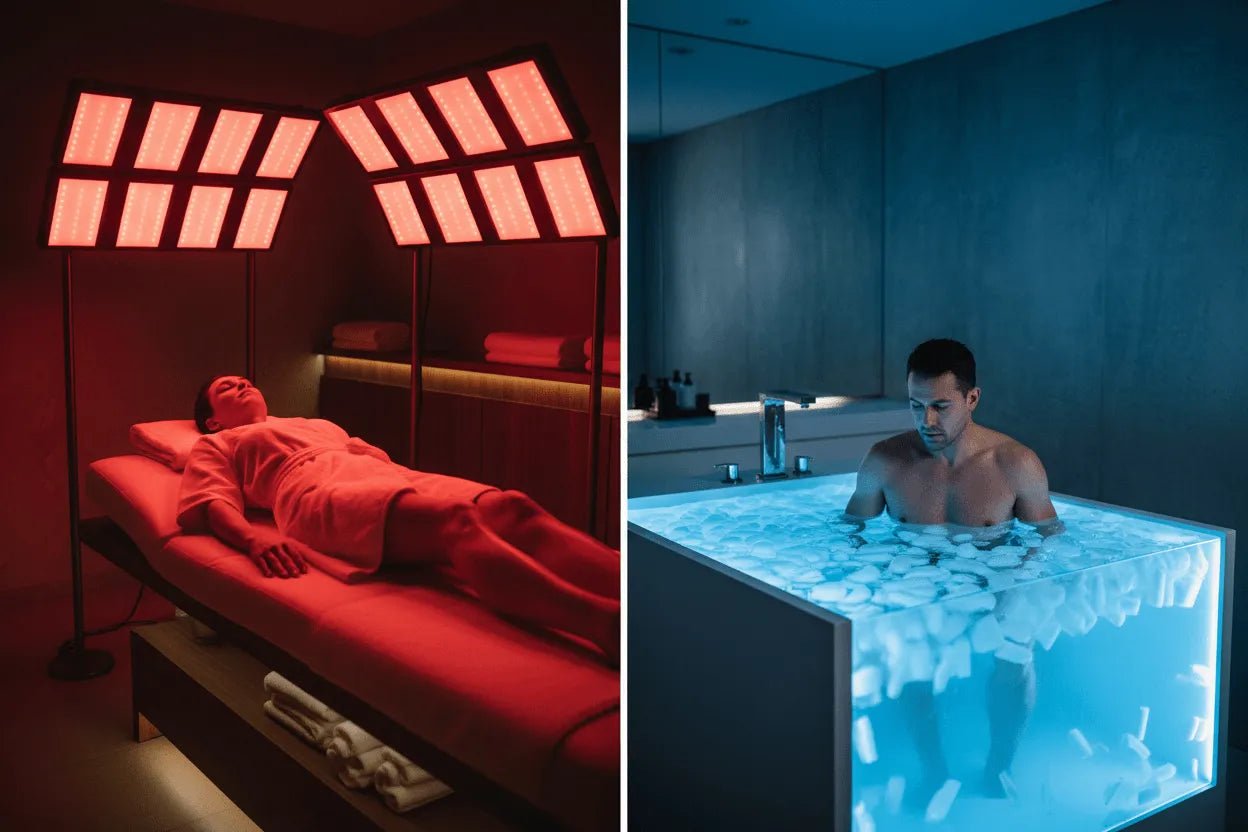
Red light therapy can be used on its own, but many people include it in a larger home wellness setup. Combining recovery tools can help create a balanced routine for relaxation, circulation-focused wellness, recovery, and performance.
Red Light Therapy and Infrared Sauna
Infrared sauna sessions are often used for relaxation, sweating, circulation-focused wellness, and recovery routines. Red light therapy can pair well with sauna use as part of a full-body wellness ritual.
Explore Wellari Wellness infrared saunas: Infrared Saunas
Red Light Therapy and Cold Plunge Therapy
Cold plunge therapy is commonly used for recovery, resilience, and post-activity routines. Some users prefer cold exposure after workouts and red light therapy later in the day, while others separate the two practices depending on their goals.
Explore Wellari Wellness cold plunges: Cold Plunges
Related Wellari reading: Cold Plunge vs. Cold Shower: Unpacking the Real Health Benefits
How to Choose a Quality Red Light Therapy Device
Not all red light therapy devices are built the same. When comparing devices, look for clear specifications and transparent safety information.
Important features to consider include:
- Red and near-infrared wavelength options
- Clear wavelength specifications
- Transparent irradiance information
- Low-EMF design
- Flicker-free performance
- Appropriate coverage area
- Manufacturer usage instructions
- FDA-cleared status when applicable
Helpful outside resource: Harvard Health — Red Light Therapy for Skin Care
Red Light Therapy Safety Tips
Red light therapy is generally considered safe when used as directed, but responsible use matters. Always follow your device instructions and avoid excessive session lengths.
Before starting red light therapy, speak with a licensed healthcare professional if you are pregnant, have a medical condition, have a history of skin cancer, have a light-sensitive condition, use photosensitizing medications, or are unsure whether red light therapy is appropriate for you.
Helpful outside resource: FDA — Laser Products and Light-Based Devices
Common Red Light Therapy Mistakes to Avoid
Using Sessions That Are Too Long
Longer sessions are not always better. Overuse may reduce the quality of your routine and may increase the risk of irritation depending on the device.
Standing Too Far From the Device
If you stand too far away, the amount of light reaching the body decreases. Follow the recommended distance for your specific device.
Using Red Light Therapy Inconsistently
Consistency is one of the most important parts of a successful routine. A moderate schedule used regularly is usually better than random long sessions.
Buying a Device Without Clear Specifications
A quality red light therapy device should clearly list wavelengths, usage guidance, and technical details. Avoid devices that make unrealistic promises or do not provide basic specifications.
FAQ: Red Light Therapy for Cellular Energy and Recovery
Does red light therapy support cellular energy?
Red light therapy may support normal cellular energy processes as part of a consistent wellness routine. It is best viewed as a wellness tool rather than a medical treatment.
What is the best wavelength for cellular energy support?
Commonly used wavelengths include red light in the 630nm–670nm range and near-infrared light in the 810nm–850nm range.
How often should I use red light therapy?
Many users begin with three to five sessions per week. Always follow your specific device instructions and adjust based on your comfort and goals.
How long should a red light therapy session last?
Beginners often start with 5–8 minutes per area. Many users gradually build to 10–15 minutes per area depending on the device, distance, and manufacturer recommendations.
Can I use red light therapy every day?
Some users may tolerate daily use, but more is not always better. A consistent schedule of three to five sessions per week is a common starting point.
Can red light therapy help with workout recovery?
Red light therapy is commonly used as part of post-workout recovery routines. It may help support circulation-focused wellness, muscle relaxation, and general recovery habits.
Can I combine red light therapy with sauna and cold plunge therapy?
Yes. Many wellness routines combine red light therapy with infrared sauna and cold plunge therapy. The best order depends on your goals, schedule, and how your body responds.
Final Thoughts: Building a Smart Red Light Therapy Routine
Red light therapy can be a valuable part of a cellular energy, recovery, and wellness-focused routine. The key is using the right device, choosing appropriate wavelengths, following proper session timing, and maintaining consistency over time.
For best results, pair red light therapy with strong foundational habits such as quality sleep, hydration, movement, nutrition, stress management, and recovery time.
Explore more wellness solutions from Wellari Wellness: Wellari Wellness