
Cryotherapy vs. Cold Plunge: Which Recovery Method Is Right for You?
Cold therapy is not one single tool. Cryotherapy, cold plunges, localized cooling, and whole-body cold exposure all use cold stress differently. The right option depends on your goals, comfort level, recovery routine, and whether you are looking for general wellness support, post-workout recovery, or targeted cooling.
At Wellari Wellness, we believe cold therapy should be explained clearly and responsibly. Cryotherapy and cold plunging may support recovery routines, muscle comfort, and general wellness for some healthy adults, but they should not be promoted as cures or treatments for inflammation, arthritis, autoimmune disease, injury, or any medical condition.
This guide compares localized cryotherapy, whole-body cryotherapy, and cold water immersion so you can better understand how each method works, what the research suggests, and how to approach cold therapy safely.
Important: This article is for educational purposes only and is not medical advice. Cold therapy products are not intended to diagnose, treat, cure, or prevent disease. Speak with a qualified healthcare professional before using cryotherapy, cold plunges, or contrast therapy if you have high blood pressure, heart disease, circulation issues, diabetes, nerve damage, Raynaud’s disease, pregnancy, seizure history, fainting history, cold sensitivity, or any medical condition.
What Is Cryotherapy?
Cryotherapy means using cold exposure for a specific purpose. In wellness and recovery settings, the term can refer to several different methods:
- Localized cryotherapy: Targeted cold application to a specific area of the body.
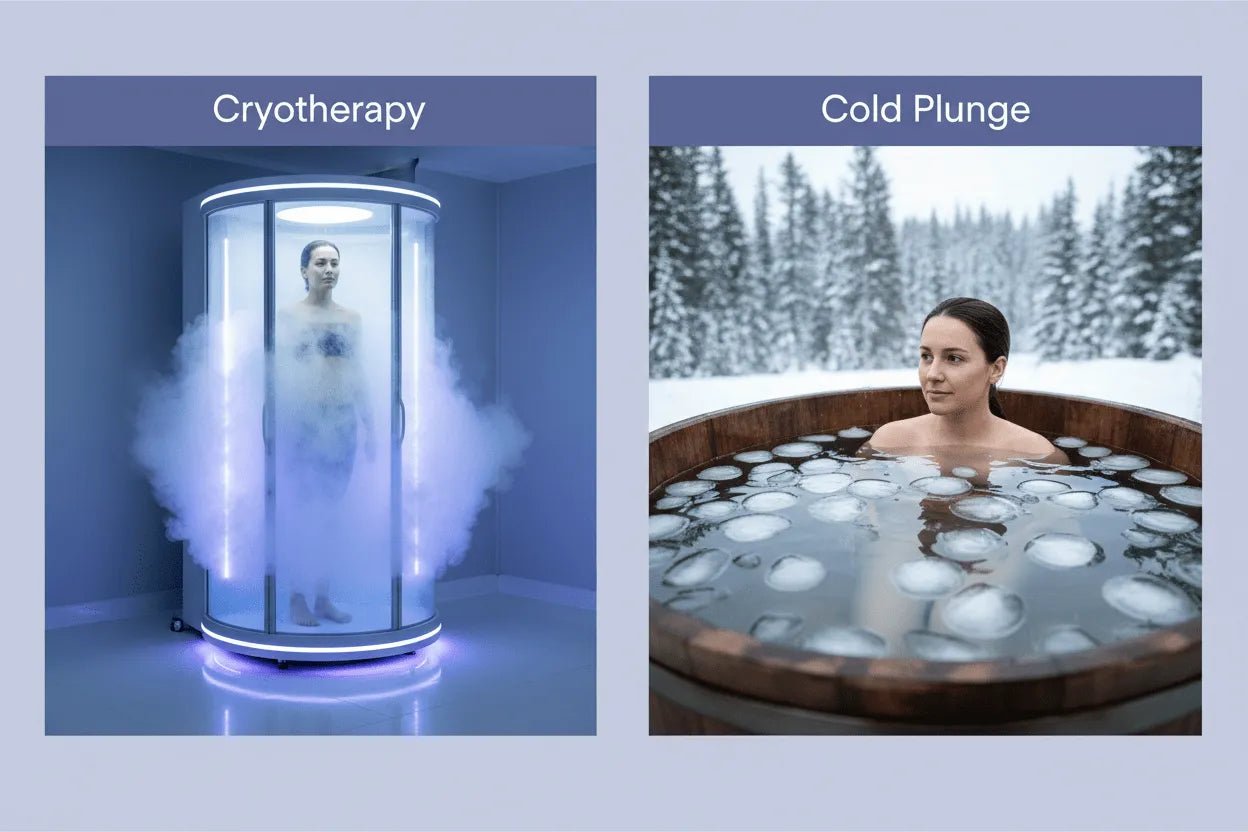
- Whole-body cryotherapy: Brief exposure to very cold air in a cryotherapy chamber.
- Cold water immersion: Sitting or standing in cold water, often called a cold plunge or ice bath.
- Traditional cold therapy: Ice packs, cold wraps, or cooling devices applied to one area.
These methods are often grouped together, but they do not feel the same or create the same user experience. Whole-body cryotherapy uses cold air. Cold plunges use water. Localized cryotherapy focuses on a specific area. Each option has different comfort, safety, cost, and setup considerations.
If you are comparing cold therapy products for a home wellness space, explore Wellari’s Cold Therapy Collection.
Localized Cryotherapy: Targeted Cooling for Specific Areas
Localized cryotherapy applies cold to one specific area of the body, such as a knee, shoulder, ankle, elbow, or muscle group. This can be done with specialized localized cooling devices, cold air, CO2-based systems, cold packs, or other targeted tools.
For wellness and recovery users, localized cooling may be appealing when the goal is targeted comfort after activity. It focuses on one area rather than exposing the whole body to cold.
Localized cryotherapy may support:
- Targeted cooling after physical activity
- Temporary comfort for overworked areas
- Post-training recovery routines
- Short, focused cold exposure sessions
- Users who do not want full-body cold exposure
Localized cryotherapy should not be described as a proven treatment for joint disease, tendon injury, swelling disorders, arthritis, or post-surgical recovery unless used under professional medical supervision.
For reference, Wellari lists targeted cooling equipment of this type under handheld cryotherapy units.
Whole-Body Cryotherapy: Full-Body Cold Air Exposure
Whole-body cryotherapy usually involves standing in a chamber or cabin for a short session while the body is exposed to very cold air. Sessions are typically brief compared with cold plunges because the air temperature can be extremely low.
Whole-body cryotherapy is often used in athletic recovery, wellness centers, and performance-focused routines. Research has explored its possible role in perceived recovery, soreness, autonomic response, and inflammation-related markers, but results vary depending on protocol, population, and study quality.
A review published in PubMed Central noted that whole-body cryotherapy has been studied in athletes and recovery settings, but the evidence base continues to develop. You can review the article here: PubMed Central: Whole-Body Cryotherapy in Athletes.
whole-body cryotherapy is being studied for recovery and inflammation-related wellness markers, but it should not be presented as a guaranteed treatment for inflammatory disease or chronic pain.
Wellari lists chamber-based systems of this type under walk-in cryotherapy chambers.
Cold Plunge: Cold Water Immersion for Recovery Routines
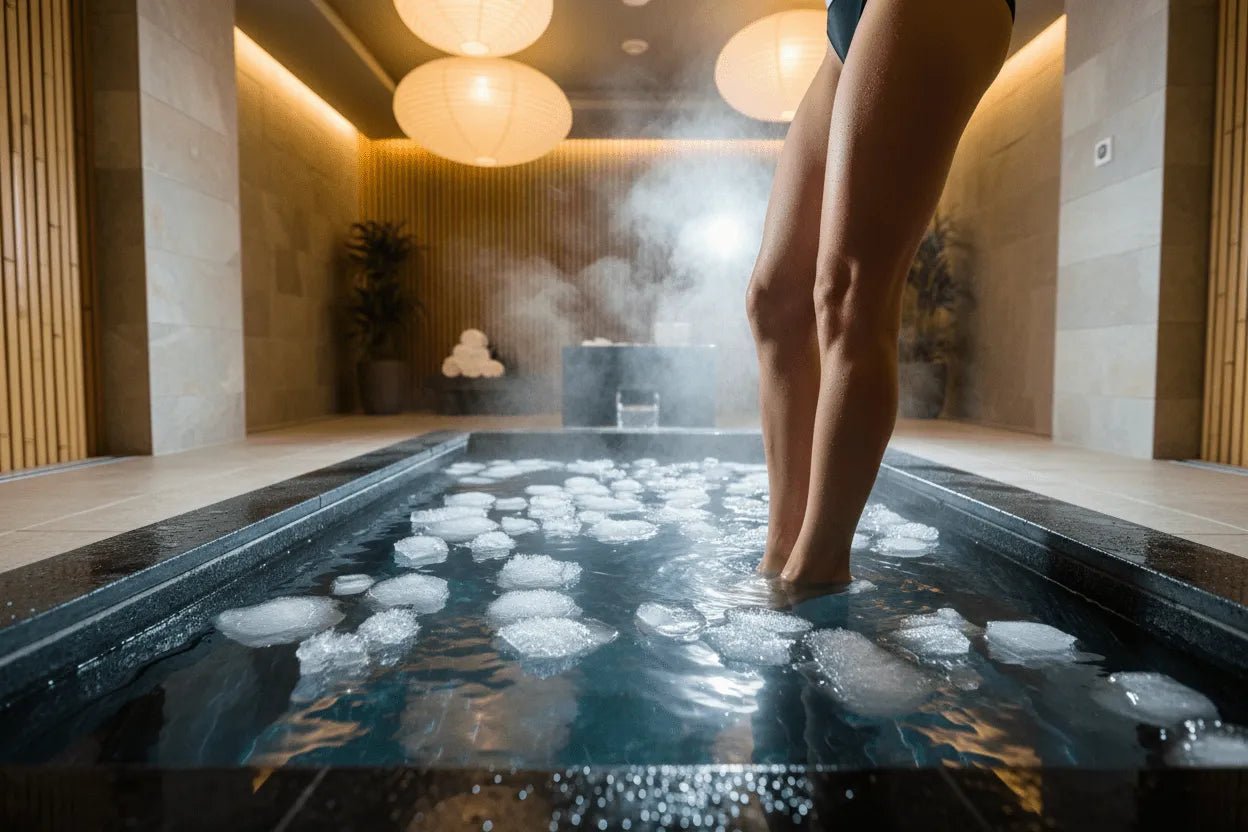
A cold plunge uses cold water instead of cold air. Water transfers heat away from the body more efficiently than air, so a cold plunge can feel intense even at temperatures that are much warmer than a cryotherapy chamber.
Cold plunges are popular for post-workout recovery routines, mental resilience, alertness, and contrast therapy when paired with sauna. Mayo Clinic Health System notes that cold plunging after workouts may have potential recovery-related benefits, but individual response varies. You can review their overview here: Mayo Clinic Health System: Cold Plunge After Workouts.
Cold plunges may support:
- Post-workout recovery routines
- Temporary reduction in feelings of muscle soreness for some users
- Alertness and mental resilience practices
- Contrast therapy routines when paired safely with sauna
- A consistent home wellness ritual
Cold plunges should not be promoted as a treatment for inflammation, injury, cardiovascular disease, depression, anxiety, autoimmune disease, or any medical condition.
Wellari lists the water-based equipment described here under cold plunge tubs, with the cooling units listed separately as cold plunge chillers.
Cryotherapy vs. Cold Plunge: Key Differences
Cryotherapy and cold plunges both use cold exposure, but the experience and practical use can be very different.
| Feature | Whole-Body Cryotherapy | Cold Plunge |
|---|---|---|
| Cold medium | Cold air | Cold water |
| Typical session feel | Very cold, dry, brief | Cold, immersive, pressure-like |
| Common use | Wellness centers, recovery studios, athletic routines | Home recovery, sauna contrast, post-workout routines |
| Setup | Specialized chamber equipment | Tub, chiller, or cold plunge system |
| Best fit | Users who prefer dry, short cold exposure | Users who prefer water immersion and home cold therapy |
Neither method is automatically better for everyone. The right choice depends on your goals, safety considerations, budget, space, and how your body responds.
Localized Cryotherapy vs. Whole-Body Cryotherapy
Localized cryotherapy focuses cold exposure on one area. Whole-body cryotherapy exposes most of the body to cold air for a systemic experience.
Think of the difference this way:
- Localized cryotherapy is more targeted.
- Whole-body cryotherapy is broader and more systemic.
- Cold plunge is immersive and water-based.
If your goal is targeted cooling after exercise, localized therapy may make sense. If your goal is a full-body cold exposure routine, whole-body cryotherapy or cold plunging may be more relevant. If you want a home setup, cold plunges are often easier to integrate than full cryotherapy chambers.
Can Cryotherapy Help With Inflammation?
Cryotherapy is often marketed for inflammation, but this topic requires careful wording. Inflammation is a normal biological process and can be involved in both recovery and disease. Suppressing inflammation is not always the goal, and consumer cold therapy should not be described as a treatment for inflammatory disease.
Some research suggests whole-body cryotherapy may influence inflammation-related markers in certain populations, but findings vary. A 2025 systematic review and meta-analysis published in Scientific Reports discussed possible effects of whole-body cryotherapy on inflammatory markers. You can review the article here: PubMed Central: Whole-Body Cryotherapy and Inflammatory Markers.
A compliant way to say this is: cryotherapy is being studied for its possible influence on inflammation-related pathways, but it should not be presented as a guaranteed way to shut down inflammation or treat inflammatory conditions.
Which Cold Therapy Method Is Right for You?
Choosing between cryotherapy and cold plunge depends on your goal.
- If you want a home cold therapy ritual: a cold plunge may be the most practical option.
- If you prefer short dry cold exposure: whole-body cryotherapy may be worth researching.
- If you want targeted cooling: localized cryotherapy or traditional cold application may be more appropriate.
- If you have a medical condition: speak with a healthcare professional before using any cold exposure method.
For home cold therapy options, visit Wellari’s Shop All Cold Therapy page.
Cold Therapy and Sauna Contrast Routines
Many people combine cold therapy with sauna as part of a contrast routine. This can feel refreshing, but moving between heat and cold creates cardiovascular and nervous system changes. People with heart, blood pressure, circulation, fainting, or neurological concerns should get medical clearance before trying contrast therapy.
If you are comparing heat and cold recovery tools, these Wellari resources may help:
- Shop All Cold Therapy
- Saunas for Relaxation & Wellness Support
- Infrared & Full-Spectrum Sauna Buyer’s Guide
- Red Light & Near-Infrared Buyer’s Guide
- Design Your Dream Home Wellness Room: A Complete Guide
Cold Therapy Safety: Who Should Be Cautious?
Cold exposure can be stressful on the body. Cleveland Clinic notes that cold plunges are not right for everyone and may carry risk for people with certain health conditions. You can review their guidance here: Cleveland Clinic: What to Know About Cold Plunges.
Speak with a healthcare professional before trying cryotherapy or cold plunging if you have:
- High blood pressure or heart disease
- Circulation problems or peripheral vascular disease
- Raynaud’s disease or severe cold sensitivity
- Diabetes with neuropathy or circulation concerns
- History of fainting, dizziness, or seizures
- Pregnancy
- Open wounds, skin sensitivity, or nerve damage
- Any serious medical condition
Stop cold exposure immediately if you feel chest pain, severe shortness of breath, confusion, faintness, numbness that does not resolve, or irregular heartbeat.
Authority Resources on Cryotherapy and Cold Exposure
For readers who want to review research and safety information directly, these outside resources may help:
- PubMed Central: Whole-Body Cryotherapy in Athletes
- PubMed Central: Whole-Body Cryotherapy and Inflammatory Markers
- Mayo Clinic Health System: Cold Plunge After Workouts
- Cleveland Clinic: What to Know About Cold Plunges
FAQ: Cryotherapy vs. Cold Plunge
Is cryotherapy the same as a cold plunge?
No. Cryotherapy usually refers to cold air exposure or targeted cooling, while a cold plunge uses cold water immersion. Both are forms of cold therapy, but they feel different and may be used for different wellness goals.
Is whole-body cryotherapy better than cold plunging?
Not necessarily. Whole-body cryotherapy and cold plunging are different tools. Cryotherapy uses cold air for brief exposure, while cold plunges use water immersion. The better choice depends on your goals, comfort, safety needs, and access to equipment.
Can cryotherapy reduce inflammation?
Cryotherapy is being studied for its possible influence on inflammation-related markers, but it should not be described as a guaranteed treatment for inflammation or inflammatory disease. Speak with a healthcare professional if you have a medical condition.
Can cold plunges help with muscle soreness?
Cold plunges may help some users feel less sore after exercise, but results vary. Cold plunging should be viewed as a recovery-support tool, not a guaranteed treatment for injury or pain.
What is localized cryotherapy?
Localized cryotherapy applies cold to one specific area of the body. It may be used for targeted cooling or comfort after activity, but it should not be marketed as a treatment for joint disease or injury unless directed by a healthcare professional.
Who should avoid cryotherapy or cold plunging?
People with heart disease, uncontrolled blood pressure, circulation issues, Raynaud’s disease, diabetes-related neuropathy, seizure history, pregnancy, or severe cold sensitivity should speak with a healthcare professional before using cold therapy.
Can I combine sauna and cold therapy?
Some people use sauna and cold therapy together as contrast therapy. This can create strong cardiovascular changes, so start conservatively and get medical clearance if you have heart, blood pressure, fainting, or circulation concerns.
Where can I compare cold therapy products?
You can explore Wellari’s Cold Therapy Collection to compare cold plunges, chillers, localized cooling systems, and whole-body cooling options.
Final Takeaway
Cryotherapy and cold plunges are both cold therapy tools, but they are not interchangeable. Localized cryotherapy is more targeted, whole-body cryotherapy is a short dry cold exposure experience, and cold plunging is immersive water-based cold therapy.
The best choice depends on your goals, safety profile, access to equipment, and how your body responds. For most home wellness spaces, cold plunges and contrast therapy setups are often the most practical starting point.
Explore Wellari’s Cold Therapy Collection, compare sauna options, or review the Home Wellness Room Guide to build a recovery space that fits your routine.
Medical disclaimer: This article is for educational purposes only and is not medical advice. Wellari Wellness products are intended for general wellness use only and are not intended to diagnose, treat, cure, or prevent any disease. Always consult a qualified healthcare professional before starting cryotherapy, cold plunging, contrast therapy, sauna use, or any recovery routine, especially if you have a medical condition.