
Cryotherapy: Unlock Rapid Recovery, Fight Inflammation & Boost Longevity with Cold Exposure Science
Cryotherapy is reshaping modern wellness by using controlled cold exposure to support recovery, comfort, and overall physical well-being. Once primarily used by elite athletes, cryotherapy is now common in performance centers, clinics, and at-home wellness routines—especially for people seeking more efficient recovery and resilience strategies.
Want a quick buying overview? Start with Wellari’s Cryotherapy Buyer’s Guide: Learn About Cryotherapy.
Quick Table of Contents
- Understanding Cold Exposure Science
- What Is Cryotherapy?
- How Extreme Cold Triggers Systemic Responses
- Cryotherapy Modalities: Which Method Fits?
- Key Benefits: Recovery, Inflammation, Longevity & Mood
- Safety Guidelines
- FAQ
- Helpful Next Steps
Understanding Cold Exposure Science
Using cold for recovery isn’t new—many cultures have used cold water and ice for comfort and injury support. What’s different today is precision: modern cryotherapy uses measured temperatures, short exposure times, and controlled delivery methods to create a brief stress response that supports the body’s natural regulatory systems—without overwhelming it.
What Is Cryotherapy?
Cryotherapy (from the Greek kryos, meaning “cold”) is the strategic use of extreme cold for short periods to trigger systemic physiological responses.
Instead of simply “numbing” tissue, cryotherapy is often described as a shock-and-rebound process:
- Blood flow is temporarily redirected toward the core
- Swelling and inflammatory signaling may be reduced
- Circulation increases again during rewarming, delivering oxygen and nutrients
How Extreme Cold Triggers Systemic Responses
Vasoconstriction → Vasodilation
During cold exposure, the body constricts peripheral blood vessels (vasoconstriction) to conserve heat and protect vital organs. After exposure, blood vessels widen (vasodilation), sending a fresh wave of oxygen-rich blood back through tissues. This cycle is a key reason cryotherapy is widely used in recovery-focused routines.
Cryotherapy Modalities: Choosing Your Cold Exposure Method
1) Whole-Body Cryotherapy (WBC)
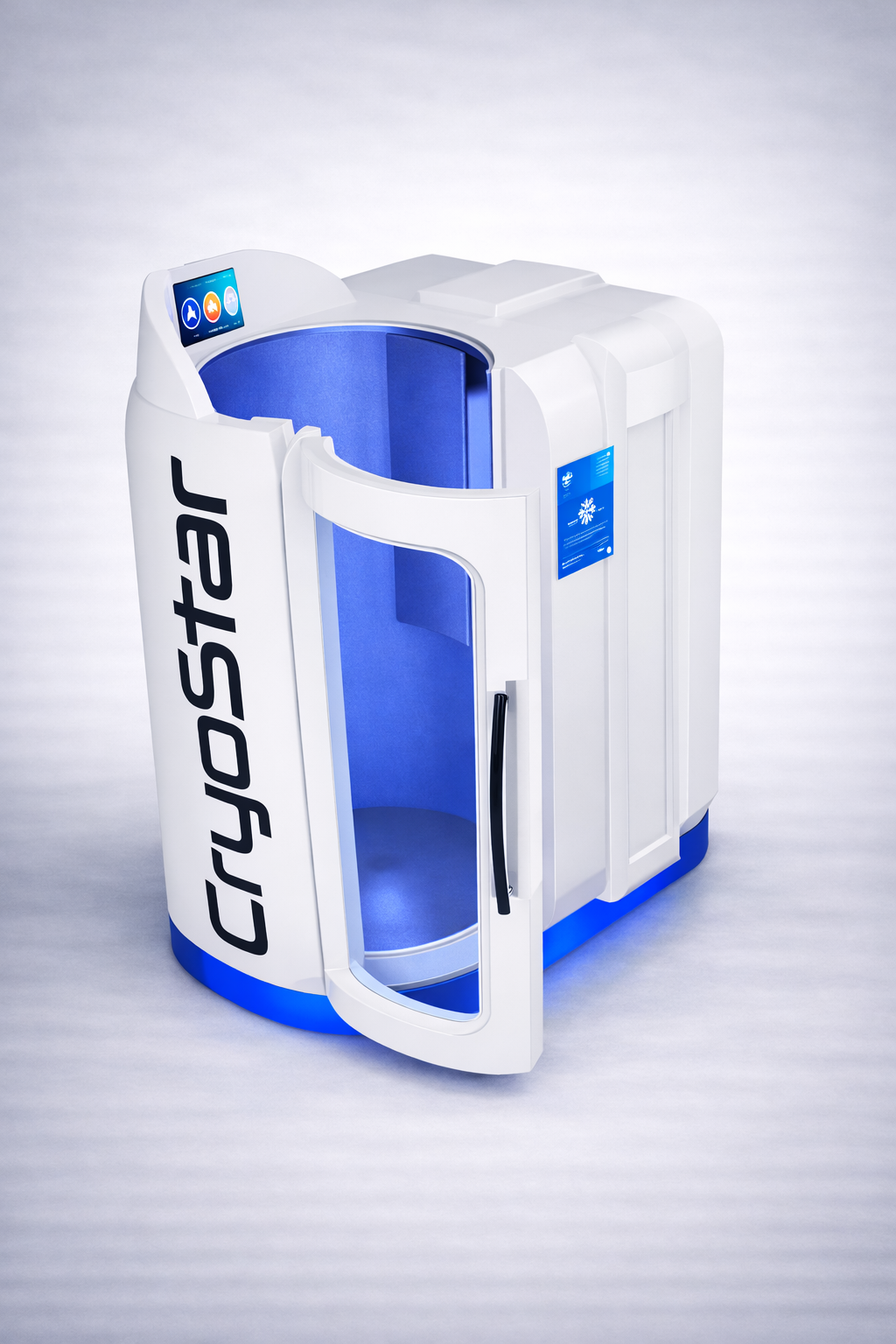
Whole-body cryotherapy delivers short sessions of intense cold exposure for a fast, full-body response. It’s commonly used in performance, recovery, and professional wellness environments.
Shop Walk-In Cryotherapy Chambers
Example systems:
- Cryomed Mini Nitrogen Cryosauna (Compact, Low Nitrogen Use)
- Antarctica CryoStar Open-Head Electric Cryotherapy Chamber
2) Localized Cryotherapy
Localized cryotherapy targets specific joints, muscles, or areas of discomfort. It’s a common choice for focused use without a full-body chamber.
Shop Handheld Cryotherapy Units
3) Cold-Water Immersion (Ice Baths & Cold Plunges)
Cold-water immersion is one of the most accessible forms of cold exposure. While temperatures are typically less extreme than WBC, longer exposure times and hydrostatic pressure can support recovery and nervous system regulation.
Related reading: Cryotherapy vs. Ice Baths (Benefits, Risks & What to Buy)
More cold exposure education: Cold Plunge vs. Cold Shower: The Real Differences
Key Benefits: Recovery, Inflammation, Longevity & Mood
Rapid Recovery & Performance Support
Intense training can lead to micro-damage in muscle fibers and a short-term inflammatory response. Cryotherapy is commonly used in recovery routines to support comfort, manage swelling, and promote post-session circulation.
- Reduced post-workout soreness
- Pain relief via slowed nerve signaling and endorphin release
- Improved nutrient delivery during rewarming
Inflammation Regulation for Long-Term Wellness
Inflammation is part of the body’s normal healing process, but chronic inflammation can impact long-term well-being. Cold exposure is widely used to support balanced inflammatory responses in recovery-focused programs.
Longevity & Cellular Health (Hormetic Stress)
Cold exposure can act as a hormetic stressor—a small, controlled challenge that encourages beneficial adaptations over time. Common longevity-focused goals include metabolic resilience, nervous system adaptability, and recovery consistency.
Related reading: The Ultimate Longevity Stack (Infrared + Cryotherapy + HBOT + Red Light)
Mood, Mental Resilience & Sleep Support
Many people report improved mood and mental clarity after cold exposure, often linked to neurotransmitter release and nervous system modulation.
Related reading: Sleep Optimization: How Recovery Tech Can Improve Rest
Also helpful: Reset Your Nervous System: Cold, Light & Heat Therapy Explained
Safety Guidelines
Important: Cryotherapy is a powerful wellness modality and should be used responsibly. Consult a qualified healthcare professional before use if you have cardiovascular disease, uncontrolled hypertension, Raynaud’s syndrome, cold urticaria, severe anemia, or if you are pregnant.
Follow all exposure guidelines, wear appropriate protective gear, and never exceed recommended session durations.
Disclaimer: This content is for informational purposes only and is not medical advice. Products and wellness technologies are not intended to diagnose, treat, cure, or prevent any disease.
FAQ
How often should I use cryotherapy?
Many recovery routines use cryotherapy 2–3 times per week, while general wellness routines may use 1–2 sessions weekly. Your ideal frequency depends on goals, training load, and tolerance.
What’s the difference between whole-body and localized cryotherapy?
Whole-body cryotherapy is designed for full-body exposure and faster throughput environments. Localized systems are designed for targeted use on specific areas.
Is a cold plunge the same as cryotherapy?
They’re both cold exposure, but they differ in temperature range, exposure duration, and delivery method. This comparison may help: Cryotherapy vs. Ice Baths.
What should I buy first?
Start with your goal and space: walk-in chambers for professional settings, handheld units for targeted flexibility, or cold plunges for at-home cold immersion.