

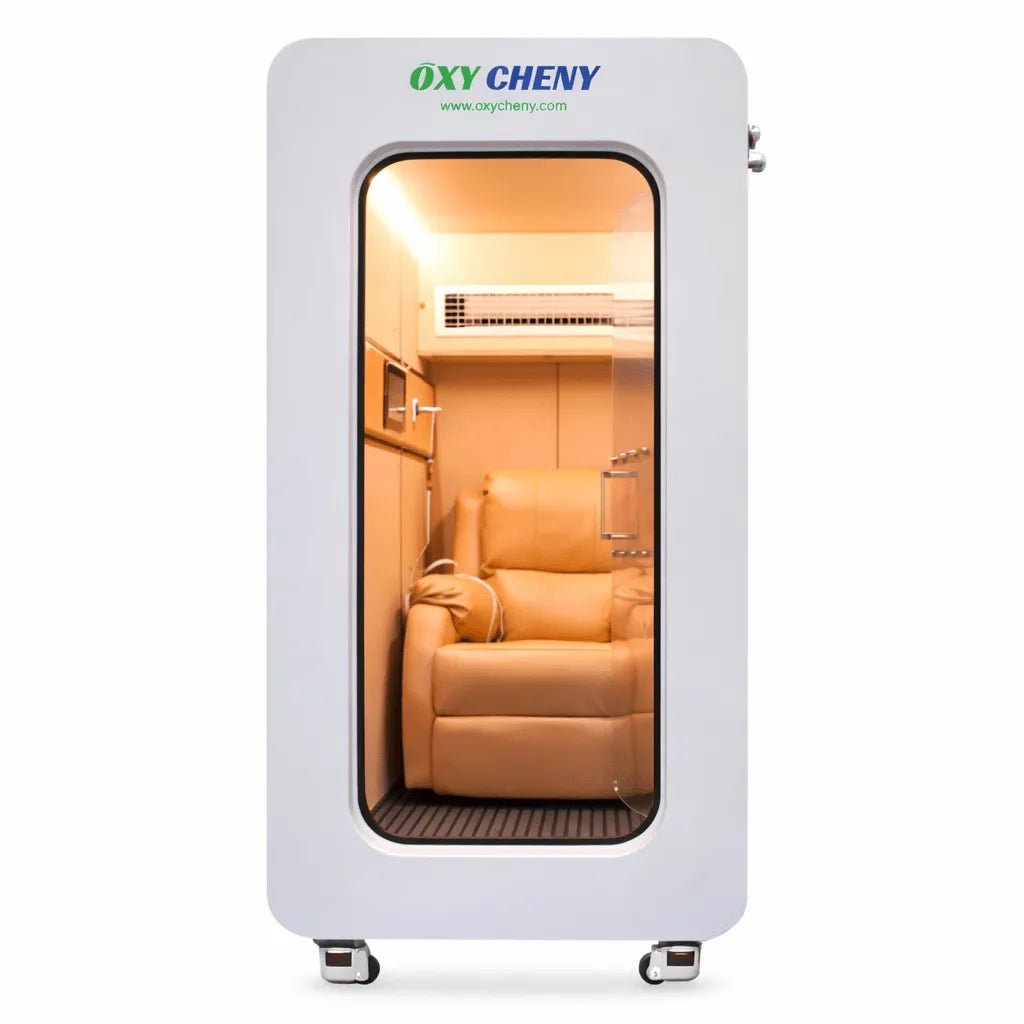
HBOT at Home: What to Expect, Safety Checklist, and How Often to Use a Hyperbaric Chamber
Home Hyperbaric Oxygen Therapy (HBOT) is becoming a go-to tool for people focused on recovery, performance, and long-term wellness. Bringing HBOT into the home can make it easier to stay consistent, maintain privacy, and fit sessions into a regular schedule.
However, home HBOT (often referred to as mild hyperbaric) is not the same as clinical, medical-grade HBOT. Understanding the differences—and following proper safety protocols—is essential.
If you’re new to HBOT, start here:
Hyperbaric Oxygen Therapy Explained: Understanding HBOT & Its Proven Health Benefits
Quick Table of Contents
- Clinical HBOT vs. Home (Mild) HBOT
- Shop Hyperbaric Chambers at Wellari
- What to Expect During a Home HBOT Session
- Home HBOT Safety Checklist
- Potential Side Effects to Watch For
- How Often Should You Use HBOT at Home?
- FAQ
Clinical HBOT vs. Home (Mild) HBOT
It’s important to clarify the difference between clinical hyperbaric therapy and home “mild” systems.
Clinical HBOT
- Higher pressure levels
- Used for specific medical indications
- Administered under medical supervision
Home (Mild) HBOT
- Lower pressure (commonly ~1.3–1.5 ATA)
- Designed for wellness and recovery support
- Used consistently in a residential setting
Comparing chamber types?
Hard vs. Soft Shell Hyperbaric Chambers: Pros, Cons & Ideal Use Cases
Shop Hyperbaric Chambers at Wellari
You can explore available systems here:
What to Expect During a Home HBOT Session
1) Getting Comfortable
Many people use HBOT sessions as quiet downtime—listening to audio, meditating, practicing breathing exercises, or resting.
2) Pressurization Feels Like Air Travel
The most common sensation is ear pressure (similar to airplane takeoff or landing). Helpful techniques can include:
- Swallowing
- Yawning
- Gentle Valsalva (only gently)
If ear pressure becomes painful, depressurize and do not force it.
3) Session Length
Many home HBOT sessions last 60–90 minutes, depending on your system and goals.
4) Depressurization
Pressure gradually returns to normal. Some people feel refreshed afterward; others feel mildly fatigued.
Home HBOT Safety Checklist
Room Preparation
- Clean, well-ventilated space
- No open flames or ignition sources nearby
- Follow manufacturer setup guidelines
Personal Preparation
- Wear clean, comfortable clothing (cotton often preferred)
- Avoid petroleum-based products before sessions
- Stay hydrated
- Avoid alcohol prior to use
Equipment Checks
- Inspect seals and zippers
- Confirm pressure valves operate correctly
- Follow maintenance schedules strictly
Have a Safety Buddy When Possible
Especially when starting out, having someone nearby who understands how to depressurize the chamber can add a helpful layer of safety.
Potential Side Effects to Watch For
Commonly reported:
- Ear or sinus pressure
- Temporary vision changes
- Mild fatigue
- Claustrophobia or anxiety
If you experience severe discomfort or unusual symptoms, stop the session and consult a qualified healthcare provider.
Evidence-based reading:
Beyond the Buzz: What Hyperbaric Oxygen Therapy Actually Treats (Evidence-Based Guide)
How Often Should You Use HBOT at Home?
Many home users follow a simple framework (always adjust based on tolerance, guidance, and any medical considerations):
- General wellness & recovery: 3–5 sessions per week
- Performance-focused blocks: 5 sessions per week for several weeks
- Maintenance: 2–3 sessions per week
Consistency typically matters more than intensity.
FAQ
Is home HBOT the same as medical HBOT?
No. Home systems are typically “mild hyperbaric” and operate at lower pressure than clinical medical HBOT.
What’s the easiest place to start?
Start with a foundational overview of how HBOT works, then compare chamber types before choosing a system.
Do I need to talk to my doctor first?
If you have any medical conditions, are pregnant, or are unsure about safety, consult a qualified healthcare professional before beginning.
Disclaimer: This content is for informational purposes only and is not medical advice. Hyperbaric systems are not intended to diagnose, treat, cure, or prevent any disease. Always follow manufacturer instructions and safety protocols.
Final Thoughts
Home HBOT can be a valuable addition to a recovery and wellness strategy when used responsibly. Choose the right system, follow safety protocols carefully, and prioritize consistency.
Explore available systems:

%20is%20becoming%20a%20go-to%20tool%20for%20people%20focused%20on%20recovery,%20performance,%20and%20long-term%20wellness.%20Bringing%20HBOT%20into%20the%20home%20can%20make%20it%20easier%20to%20stay%20consiste...)