
The Low-EMF Red Light Guide: How to Test Your Device for Magnetic Fields and Flicker
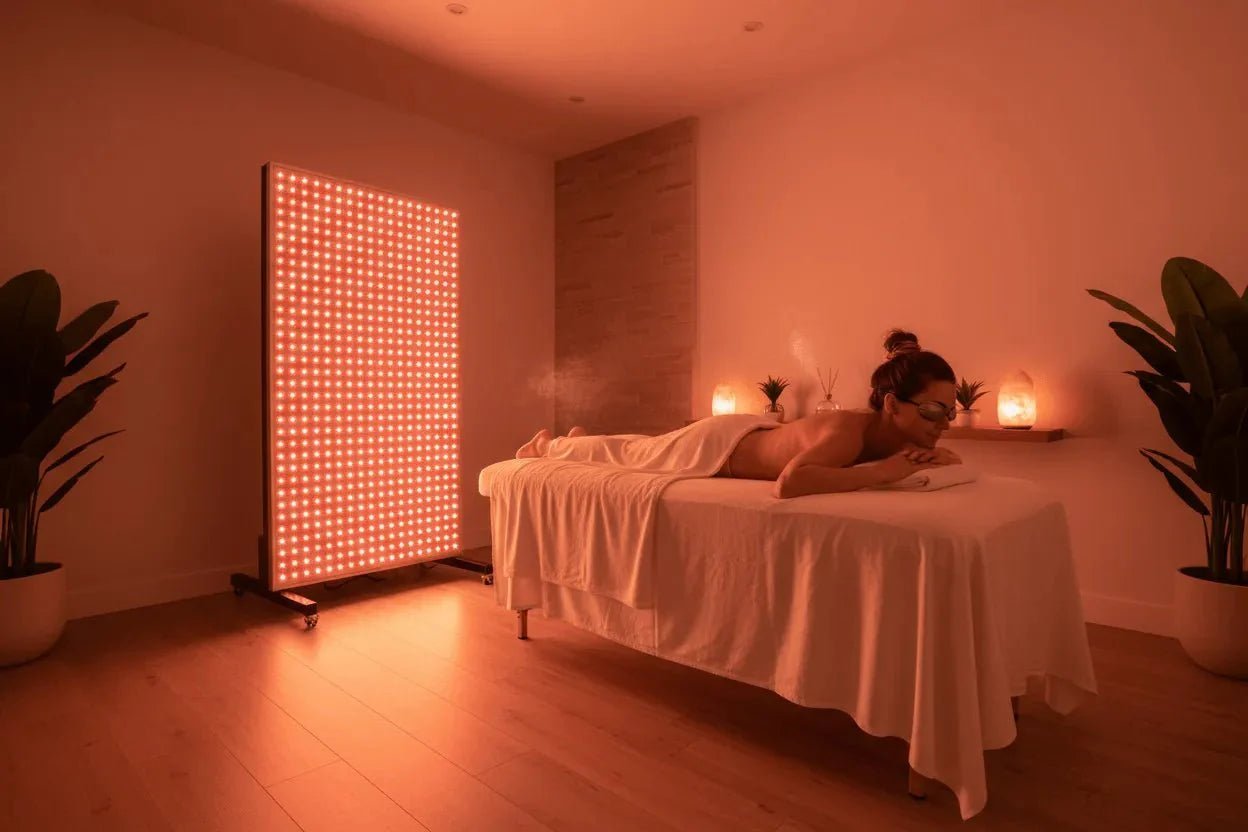
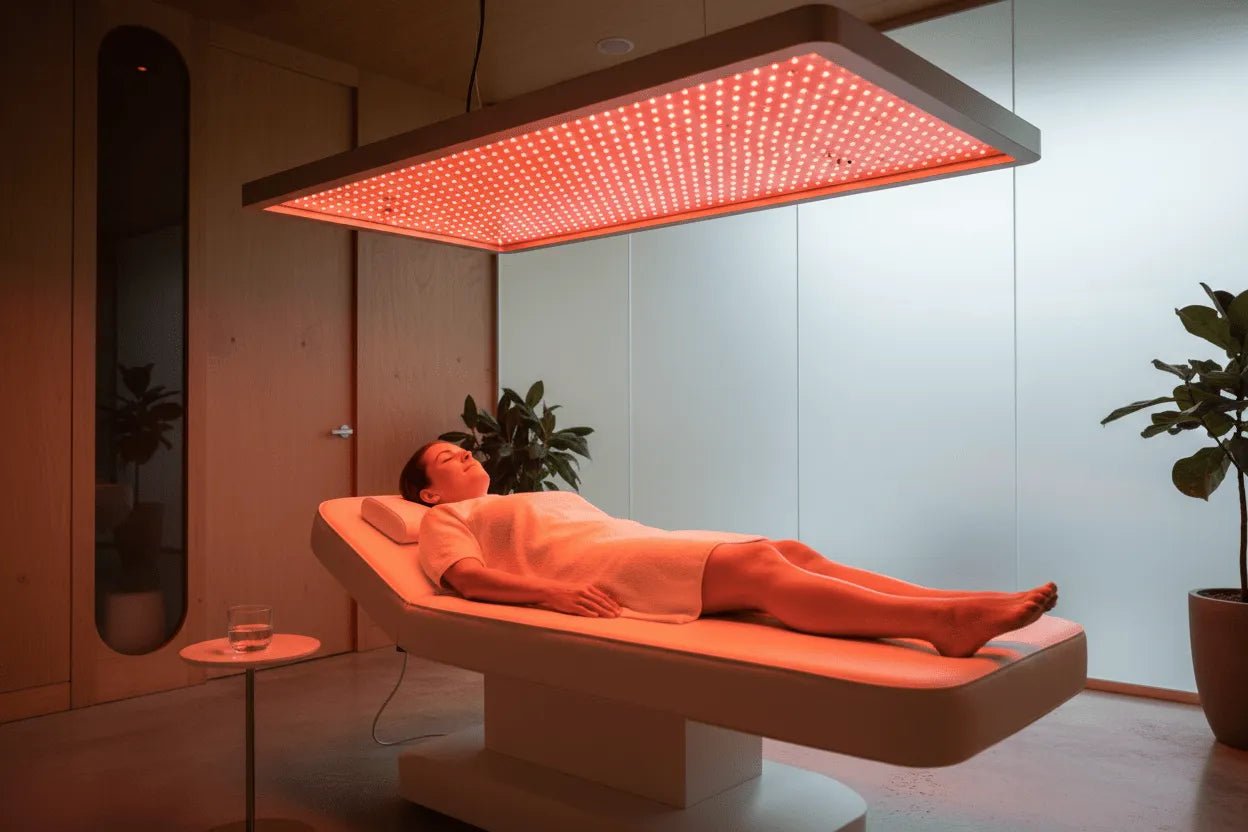
Red light therapy has become one of the most popular wellness technologies for home recovery, skin health, athletic performance support, and general wellness routines. As more consumers invest in photobiomodulation devices, a growing number are asking a different question: is my red light panel creating unnecessary electromagnetic exposure or LED flicker?
Terms such as “low EMF,” “flicker-free,” “EMF tested,” and “near infrared light therapy panel” are now common in red light therapy marketing. However, many consumers are unsure how to evaluate these claims or determine whether a device actually performs as advertised.
This guide explains what magnetic fields, electric fields, and temporal light modulation are, how they relate to red light therapy devices, and how to perform basic EMF meter testing and flicker checks at home.
Disclaimer: This article is intended for educational purposes only. Current scientific evidence regarding low-level electromagnetic field exposure remains an evolving area of research. This guide focuses on device evaluation and consumer education rather than medical claims.
Why Consumers Are Looking for Low-EMF Red Light Therapy Devices
Modern wellness consumers increasingly pay attention to the overall environment they create during recovery sessions. While red light therapy devices are designed to deliver specific wavelengths of light, they also contain power supplies, transformers, electrical wiring, LED drivers, cooling fans, and electronic components that generate electromagnetic fields.
Many users simply want to minimize unnecessary electrical exposure while maximizing the quality of their red light therapy routine. This is why searches for “low EMF red light therapy device,” “low EMF red light panel,” “flicker free red light therapy,” and “best red light therapy panel for home use” continue to grow.
When shopping for a red light therapy system, factors often include:
- Wavelength selection
- Red and near-infrared light output
- Irradiance levels
- Treatment coverage area
- Full-body vs. targeted panel design
- Build quality
- Flicker performance
- Magnetic field levels
- Electrical safety certifications
- Warranty and support
Explore Wellari’s Red Light Therapy Collection to compare available wellness systems.
Understanding EMFs in Red Light Therapy Devices
EMF stands for electromagnetic field. All powered electrical devices generate some level of electromagnetic activity. In red light therapy systems, the primary sources are usually the power supply, LED drivers, internal wiring, cooling fans, and transformers.
Not all EMFs are the same. When evaluating a red light therapy panel, it helps to separate three common concerns:
- Magnetic fields
- Electric fields
- Light flicker or temporal light modulation
Each one is measured differently, and each can affect user comfort in different ways.
Magnetic Fields: What Are They?
Magnetic fields are generated whenever electrical current flows through a conductor. In a red light panel, magnetic fields often originate from power drivers, transformers, cooling fan motors, and internal electrical circuits.
Magnetic fields typically decrease rapidly as distance increases. This is why many manufacturers publish EMF measurements at various distances from the device rather than only at the panel surface.
Common magnetic field sources in red light devices include:
- Power supply units
- LED driver boards
- Cooling fans
- Internal wiring paths
- Transformers
Electric Fields: A Separate Measurement
Electric fields differ from magnetic fields. Electric fields can exist whenever voltage is present, even if current flow is minimal. In red light therapy devices, electric field levels can be influenced by grounding, shielding, power cable design, and internal wiring layout.
Proper grounding is one reason many premium red light therapy devices use grounded power cords and enhanced electrical shielding.
Factors that may influence electric field measurements include:
- Grounded vs. ungrounded plugs
- Shielded vs. unshielded wiring
- Metal chassis design
- Outlet grounding quality
- Power cable construction
What Is Light Flicker?
Light flicker occurs when LEDs rapidly cycle on and off or vary in brightness. Some flicker is visible, while some occurs too quickly for the human eye to consciously detect.
The amount of flicker depends largely on the device’s driver quality, power supply design, dimming technology, and pulse-width modulation settings. LED flicker is often discussed under the broader technical term “temporal light modulation.”
Many consumers prefer low-flicker or flicker-free red light therapy devices because they may feel more comfortable during longer sessions.
Why Flicker Matters in Red Light Therapy
Red light therapy sessions often last several minutes, and users may sit close to the panel. If a device has high flicker, some users may experience visual discomfort, eye strain, headaches, or general sensitivity during sessions.
Flicker performance is especially important when evaluating:
- Large full-body red light panels
- Face-focused red light devices
- Panels used near the eyes
- Longer wellness sessions
- Devices with dimming modes
- Commercial red light therapy panels
How to Check for Visible Flicker Using a Smartphone
One of the simplest ways to screen for significant flicker is with a smartphone camera.
Quick Smartphone Flicker Test
- Open your camera app.
- Enable slow-motion video mode, ideally 120 or 240 frames per second.
- Point the camera at the illuminated panel.
- Observe the screen carefully.
- Look for dark bands, flashing lines, rolling patterns, or pulsing.
If you see moving dark bands or flashing lines, the device may exhibit measurable flicker. This method is not a scientific measurement, but it can provide a quick visual assessment.
How to Measure Magnetic Fields at Home
Consumers who want more detailed information often use EMF meters or gauss meters. These tools can help determine whether a red light panel produces elevated magnetic field readings at the surface or at normal treatment distance.
Popular measurement options include:
- TriField-style meters
- Safe and Sound-style meters
- Gauss meters
- Building Biology testing equipment
- Professional environmental testing meters
Basic Magnetic Field Testing Procedure
- Turn the red light panel off and unplug nearby electronics.
- Measure the room with the panel turned off.
- Record baseline readings.
- Turn the panel on at full power.
- Measure directly at the surface.
- Measure again at 6 inches.
- Measure again at 12 inches.
- Compare the readings to your baseline.
This process helps identify how quickly field levels decrease as distance increases.
How to Identify Hot Spots on a Red Light Panel
Many red light panels do not produce uniform readings across the entire surface. Areas near power supplies, internal driver boards, or wiring clusters may show higher measurements.
To identify hot spots, slowly move your meter across the face, sides, and rear of the panel while it is operating. If one section reads higher than the rest, that area may be closer to the internal electronics.
If you identify a hot spot, you may be able to reduce exposure by increasing distance, changing your position, or using the panel according to manufacturer-recommended treatment distances.
What Does “Low EMF” Actually Mean?
There is currently no single universal consumer standard that defines “low EMF” or “EMF free red light therapy” for consumer red light therapy products. Because of that, the phrase can vary from one manufacturer to another.
In practical terms, a low-EMF red light therapy panel is usually a device designed to reduce measurable magnetic and electric field emissions through engineering choices such as shielding, grounding, cleaner power supply design, and internal component layout.
When evaluating claims, look for companies that provide transparent testing information rather than relying only on marketing language.
Helpful questions include:
- At what distance were EMF readings taken?
- Were magnetic fields and electric fields measured separately?
- Was the panel tested at full power?
- Was flicker tested independently?
- Does the company provide testing documentation?
- Were readings taken at the surface, 6 inches, and 12 inches?
Features That May Help Reduce EMF Exposure
Premium red light therapy systems often use engineering choices that may help reduce measured emissions and improve user comfort.
These may include:
- Grounded power connections
- Improved internal shielding
- Higher-quality power supplies
- Flicker-reduced LED drivers
- Cleaner wiring layouts
- Better thermal management
- Transparent testing documentation
While these features do not guarantee a perfect device, they are useful signs of better design and quality control.
Distance Matters More Than Many People Realize
One of the simplest ways to reduce magnetic field exposure is increasing distance from the source. Magnetic field strength typically decreases quickly as distance increases, so even small positioning adjustments can significantly affect measurements.
Always follow the manufacturer’s recommended treatment distance and session duration. More contact or closer distance is not automatically better.
Choosing a Red Light Therapy Device
When comparing devices, consider the complete package rather than focusing on a single specification.
Important buying considerations include:
- Wavelength range, commonly including red and near-infrared light
- Irradiance levels at realistic treatment distance
- Treatment coverage area
- Full-body vs. targeted treatment needs
- Build quality
- Ease of setup
- Warranty support
- EMF testing transparency
- Flicker performance
- Grounding and shielding design
Browse the Wellari Red Light Therapy Collection to compare available options.
Building a Complete Recovery Environment
Many consumers integrate red light therapy into larger wellness routines. A well-designed home recovery space may include complementary technologies that support relaxation, recovery, and consistency.
Popular complementary wellness technologies include:
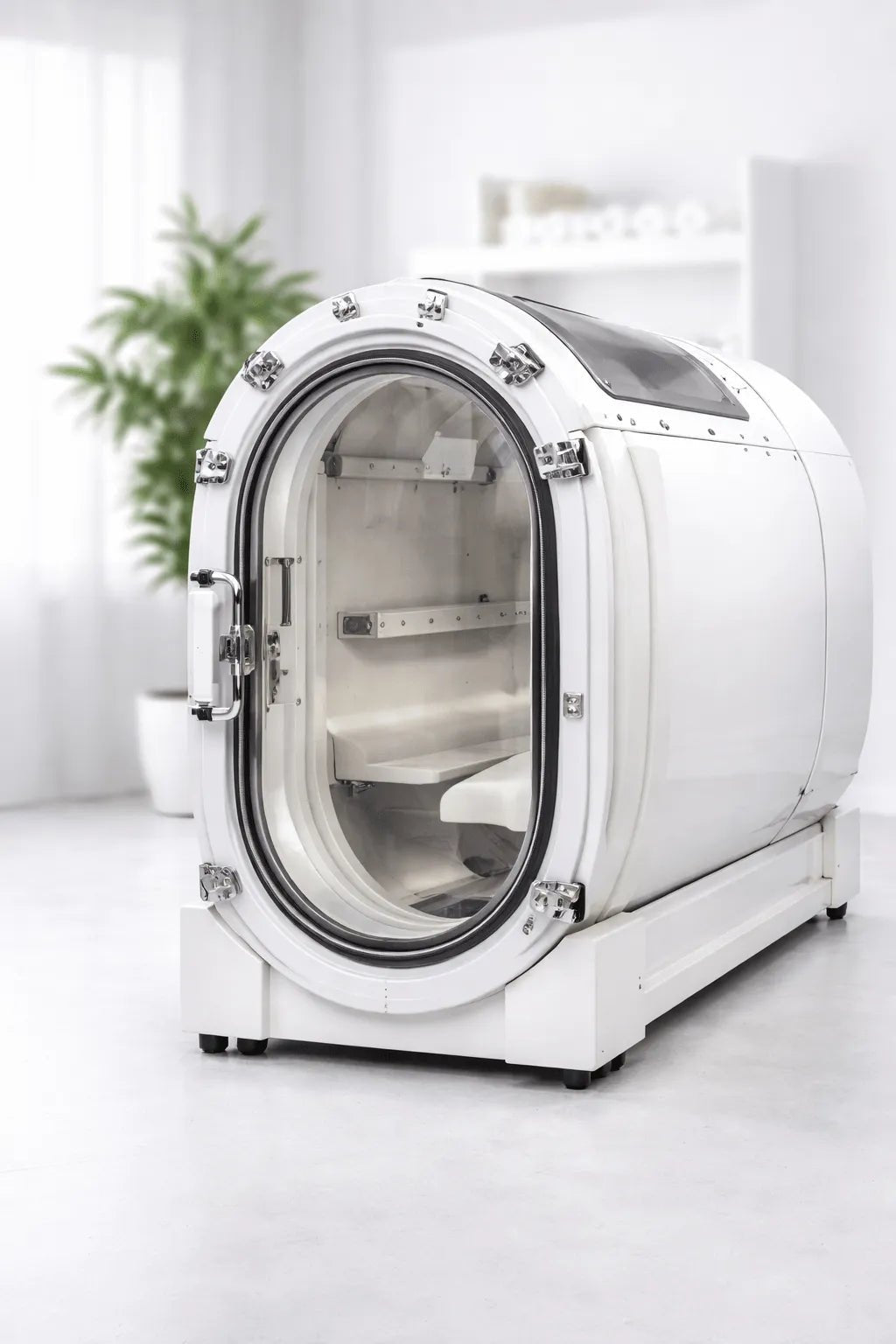
- Hyperbaric chambers
- Cold plunge systems
- Infrared saunas
- Compression therapy
- Mobility training
- Sleep optimization
Explore related Wellari wellness categories:
For a complete wellness room strategy, read:
Design Your Dream Home Wellness Room
FAQ: Low-EMF Red Light Therapy
What is a low-EMF red light therapy device?
A low-EMF red light therapy device is designed to minimize magnetic and electric field emissions through improved engineering, shielding, grounding, and component selection.
Is there such a thing as an EMF-free red light therapy panel?
No powered electronic device is completely EMF-free. The goal of low-EMF design is usually to reduce measurable emissions through improved engineering, grounding, shielding, and proper user distance.
What is a good EMF level for a red light therapy panel?
There is currently no universal standard defining a “good” EMF level for consumer red light therapy devices. Consumers should compare testing methods, testing distance, manufacturer transparency, and how quickly readings drop at normal treatment distance.
How do I measure EMF from a red light therapy device?
Many consumers use EMF meters or gauss meters to measure magnetic fields at various distances from the panel, such as directly at the surface, 6 inches away, and 12 inches away.
Can I test my red light panel at home?
Yes. Many consumers use EMF meters to check magnetic field levels and smartphone slow-motion video to screen for visible flicker. These tests are not a replacement for professional lab testing, but they can help you better understand your device.
What is temporal light modulation?
Temporal light modulation refers to changes in light output over time. In consumer terms, it is often discussed as LED flicker. Some modulation is visible, while some may be too fast to consciously see.
What causes flicker in LED devices?
Flicker is typically related to power supply design, LED driver electronics, dimming methods, and pulse-width modulation. Higher-quality drivers may reduce visible or measurable flicker.
Are all red light therapy panels flicker-free?
No. Flicker performance varies significantly between manufacturers and models. Look for transparent flicker testing information when comparing devices.
Does near infrared light produce EMF?
Near infrared light itself is part of the electromagnetic spectrum, but when consumers talk about EMF from red light panels, they are usually referring to measurable fields from the electronic components powering the LEDs.
How close should I sit to a red light therapy panel?
Treatment distance depends on the device, irradiance, and intended use. Always follow manufacturer recommendations for distance and session duration.
Does distance reduce EMF exposure?
In many cases, magnetic field levels decrease significantly as distance from the source increases. Testing at the surface, 6 inches, and 12 inches can help show how quickly readings drop.
Is EMF from red light therapy dangerous?
All powered devices generate some electromagnetic activity. This article does not claim that red light therapy EMF exposure is dangerous. Instead, it helps consumers evaluate devices and make informed choices based on comfort, transparency, and personal preference.
Sources
IEEE PAR1789 Research Update – LED Lighting Flicker and Potential Health Concerns
U.S. Department of Energy – Understanding LED Flicker and Driver Performance
Flicker Sense – Testing LEDs and Screens for Flicker Characteristics
National Institutes of Health – Photobiomodulation: Lasers vs. Light Emitting Diodes
Final Takeaway
The best red light therapy device is not necessarily the one with the most aggressive marketing claims. Understanding magnetic fields, electric fields, temporal light modulation, and flicker allows consumers to make more informed purchasing decisions and create a wellness environment that aligns with their personal preferences.
By combining quality equipment, proper testing, realistic treatment distance, and transparent manufacturer information, users can feel more confident in their red light therapy investment.
Explore Wellari’s Red Light Therapy Collection to compare systems designed for home wellness, recovery, skin health, and photobiomodulation applications.