
The Science of Contrast Therapy: A Complete Sauna and Cold Plunge Routine for Wellness
Contrast therapy, often called hot-cold therapy, combines heat exposure and cold water immersion in a structured routine. Many people use this approach as part of a wellness, recovery, and relaxation practice.
A typical contrast routine may include time in a sauna followed by a cold plunge, with rest periods between rounds. The goal is to create a controlled change in body temperature that may support circulation, relaxation, recovery routines, and overall resilience.
Important: This article is for general educational and informational purposes only and is not medical advice. Sauna use and cold water immersion may not be appropriate for everyone. Speak with a qualified healthcare professional before starting contrast therapy, especially if you have heart disease, high blood pressure, circulation concerns, are pregnant, take medication, or have any underlying health condition.
Shop Sauna, Cold Plunge & Recovery Products
- Shop Infrared Saunas
- Shop Cold Plunge Tubs
- Shop Red Light Therapy Panels
- Shop Compression Therapy Systems
What Is Contrast Therapy?
Contrast therapy is the practice of alternating between heat and cold exposure. In a home wellness setting, this often means moving between an infrared sauna or traditional sauna and a cold plunge tub.
The change between warm and cold environments creates a noticeable physical response. Heat exposure may encourage relaxation and sweating, while cold exposure may create a refreshing, alert feeling. Together, these temperature shifts are often used as part of a recovery or wellness routine.
Related reading: Cold Therapy vs. Contrast Therapy: Which Recovery Method Works Best?
Why People Use Sauna and Cold Plunge Together
Many wellness enthusiasts use sauna and cold plunge routines because the combination can feel restorative, energizing, and grounding. While individual results vary, people commonly include contrast therapy in routines focused on:
- Post-workout recovery support
- Relaxation and stress management routines
- Improved consistency in wellness habits
- A refreshing morning or evening ritual
- Home wellness room design
Contrast therapy should not be viewed as a cure or treatment for any medical condition. It is best positioned as a lifestyle and wellness practice that should be used thoughtfully and safely.
The Role of Heat: Why Sauna Use Matters
Sauna use exposes the body to a controlled warm environment. Depending on the sauna type, this may involve traditional heated air, infrared heat, or full-spectrum infrared technology.
During a sauna session, many users experience sweating, warmth, and a relaxed feeling. Some research has explored associations between sauna bathing and cardiovascular wellness, but sauna use should still be approached carefully and based on personal tolerance.
Explore sauna options: Infrared Saunas
Traditional Sauna vs. Infrared Sauna
Traditional saunas heat the surrounding air, while infrared saunas use infrared wavelengths to warm the body more directly. Both can be used as part of a contrast therapy routine, depending on your space, comfort level, and product preference.
For home users, infrared saunas are often popular because they may operate at lower ambient temperatures while still providing a warming experience.
The Role of Cold: Why Cold Plunges Are Used
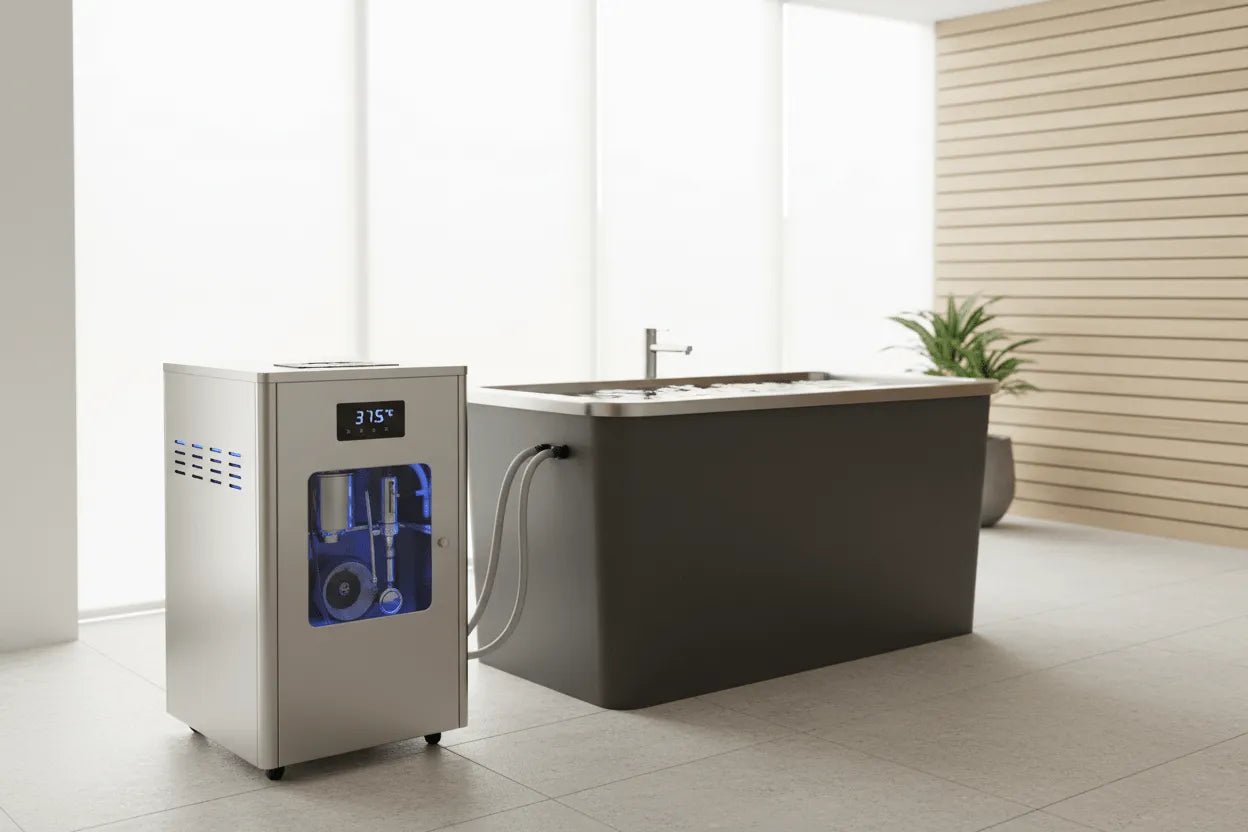
Cold plunges use chilled water to create a short, controlled cold exposure experience. Many users include cold plunges after exercise, after heat exposure, or as part of a morning routine.
Cold exposure may feel intense at first, so beginners should start gradually. Shorter sessions and warmer starting temperatures are often more approachable than immediately using very cold water.
Explore cold plunge options: Cold Plunge Tubs
Example Contrast Therapy Routine for Beginners
The best routine depends on your experience level, health status, comfort, and equipment. Beginners should keep sessions conservative and prioritize safety.
Beginner Routine Example
- Step 1: 8–12 minutes in the sauna
- Step 2: 30–60 seconds in the cold plunge
- Step 3: Rest for 3–5 minutes
- Step 4: Repeat 1–2 rounds if comfortable
This example is not a medical protocol. Adjust time, temperature, and number of rounds based on your comfort level and professional guidance.
Intermediate Sauna and Cold Plunge Routine
Users with more experience may choose a slightly longer routine. The key is to avoid pushing beyond your tolerance.
Intermediate Routine Example
- Round 1: 10–15 minutes sauna, followed by 1–2 minutes cold plunge
- Rest: 5 minutes
- Round 2: 10–15 minutes sauna, followed by 1–2 minutes cold plunge
- Optional Round 3: Only if you feel comfortable and well-hydrated
Stop immediately if you feel dizzy, lightheaded, overly uncomfortable, short of breath, or unwell.
Should You End on Heat or Cold?
There is no single best answer for every person. Some users prefer ending with cold because it feels energizing. Others prefer ending with heat because it feels more relaxing before bed.
- Morning routine: Ending with cold may feel more refreshing.
- Evening routine: Ending with heat may feel more calming.
- Post-workout routine: Choose based on comfort and training goals.
If muscle growth is your primary fitness goal, some research discussions suggest avoiding very cold immersion immediately after heavy strength training. Consider spacing cold plunge use away from resistance workouts if hypertrophy is a priority.
Safety Tips for Sauna and Cold Plunge Routines
Safety should always come before intensity. Contrast therapy can feel powerful, but more is not always better.
- Start with shorter sessions
- Use moderate temperatures when beginning
- Hydrate before and after sauna use
- Avoid alcohol before sauna or cold plunge use
- Do not use alone if you are new to the practice
- Exit immediately if you feel dizzy, faint, confused, or unwell
- Consult a healthcare professional if you have any medical concerns
Building a Home Contrast Therapy Space
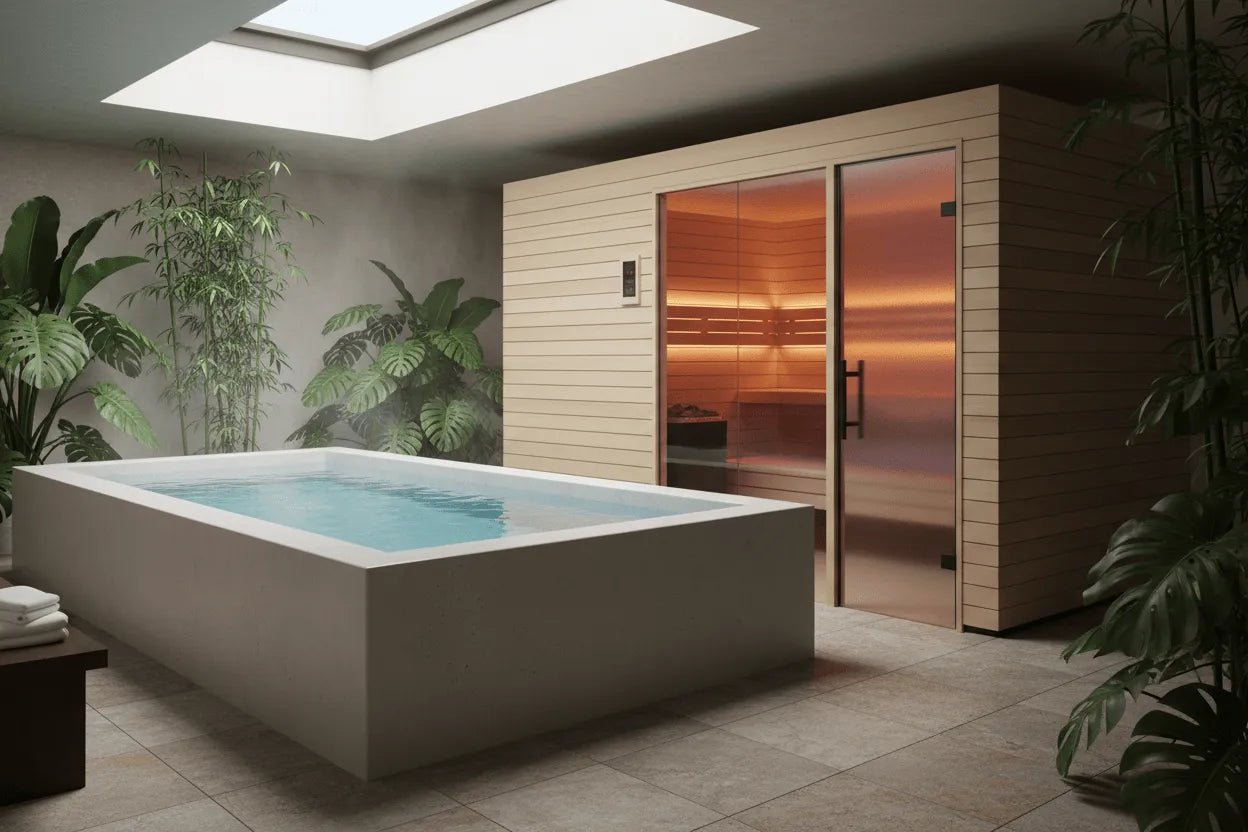
A home contrast therapy setup typically includes a sauna, cold plunge, proper flooring, ventilation, drainage planning, and enough space to move safely between stations.
Popular home wellness combinations include:
- Infrared sauna plus cold plunge tub
- Cold plunge plus compression therapy
- Sauna plus red light therapy panels
For layout ideas, read: Design Your Dream Home Wellness Room
How Often Should You Do Contrast Therapy?
Frequency depends on your goals, tolerance, recovery needs, and health status. Some users prefer one or two sessions per week, while others include shorter routines more frequently.
Beginners should start slowly and allow the body to adjust. Consistency, comfort, and safety are more important than extreme temperatures or long sessions.
Pairing Contrast Therapy with Other Wellness Tools
Contrast therapy can be part of a larger wellness environment. Many users combine hot-cold routines with other recovery and relaxation tools.
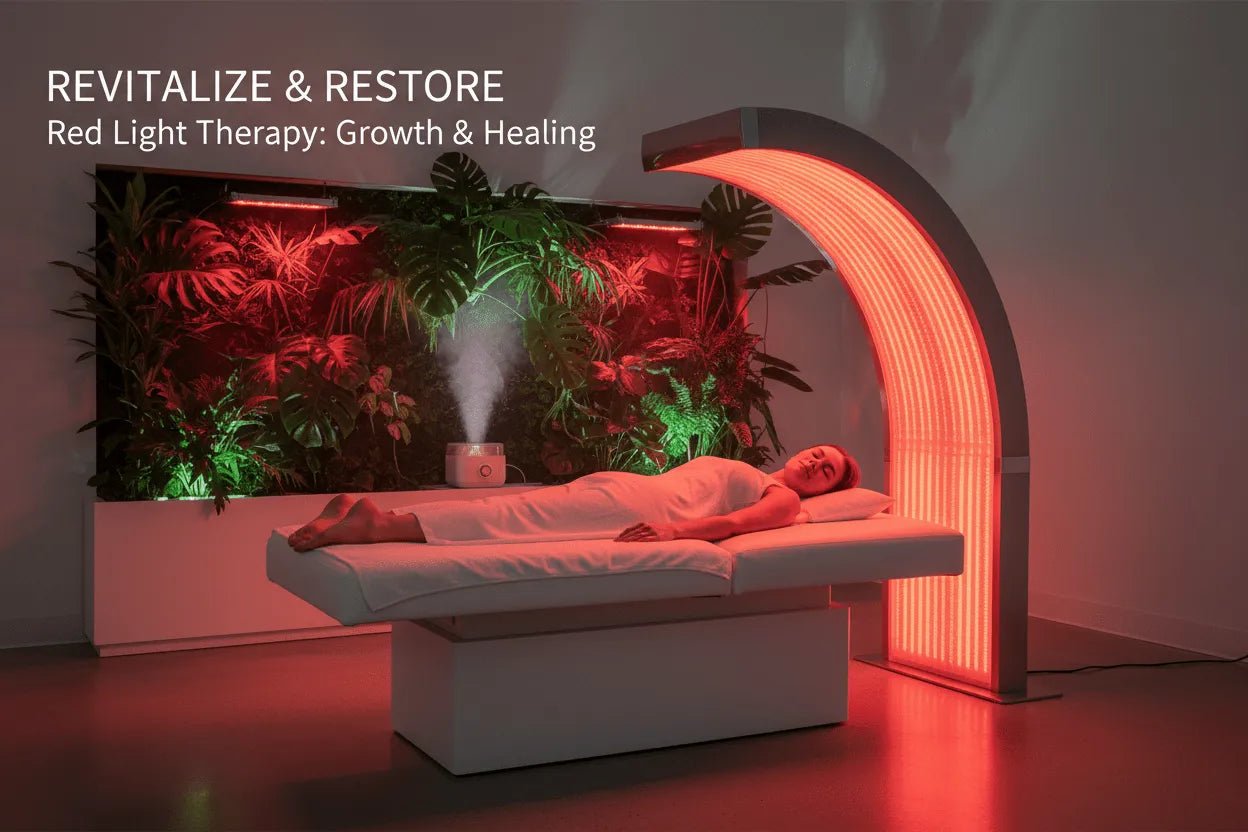
- Red light therapy panels for daily wellness routines
- Compression therapy systems for post-training recovery support
- Infrared saunas for heat-based relaxation routines
Related reading: Reset Your Nervous System: How Cold, Heat, Light & Oxygen Restore Balance
Final Thoughts
Contrast therapy can be a valuable addition to a home wellness routine when used thoughtfully. By combining sauna heat with cold plunge exposure, users can create a structured ritual that supports relaxation, consistency, and recovery-focused habits.
The most important factors are safety, moderation, equipment quality, and choosing a routine that fits your body and lifestyle.
Browse Wellari Wellness recovery products here:
Frequently Asked Questions
What is contrast therapy?
Contrast therapy is the practice of alternating between heat exposure and cold exposure. In a home wellness setting, this often means using a sauna followed by a cold plunge.
Is contrast therapy safe?
Contrast therapy may not be appropriate for everyone. People with heart conditions, blood pressure concerns, circulation issues, pregnancy, or underlying medical conditions should consult a healthcare professional before use.
How long should I stay in a sauna before a cold plunge?
Beginners may start with 8–12 minutes in a sauna followed by a brief cold plunge. Experienced users may adjust based on comfort, temperature, and professional guidance.
Should I cold plunge before or after sauna?
Many routines begin with sauna and then move to cold plunge. However, the order may depend on whether your goal is relaxation, alertness, or post-workout recovery.
Can I do contrast therapy every day?
Some people use short routines frequently, but daily use is not necessary for everyone. Beginners should start slowly and pay close attention to how they feel.
What equipment do I need for contrast therapy at home?
A basic home setup usually includes a sauna, cold plunge tub, proper ventilation, drainage planning, moisture-resistant flooring, and safe access between stations.
Helpful External Resources
- Cleveland Clinic: What to Know About Cold Plunges
- Mayo Clinic Press: The Science Behind Ice Baths for Recovery
- National Library of Medicine: Sauna Bathing and Cardiovascular Health Research
- CDC: Home Pool and Hot Tub Water Treatment and Testing
Wellari Wellness products are intended for general wellness and lifestyle purposes only. Products are not intended to diagnose, treat, cure, or prevent disease. Individual experiences may vary.