Article: Wellari Wellness: Your Complete Guide to Hyperbaric, Red Light, Cryo, Compression & Vibration for Home, Athletes, Clinics & Biohackers
Wellari Wellness: Your Complete Guide to Hyperbaric, Red Light, Cryo, Compression & Vibration for Home, Athletes, Clinics & Biohackers
The wellness world has moved far beyond “just diet and exercise.” Today, people are building repeatable routines using evidence-informed tools that support recovery, resilience, and long-term vitality. The biggest results usually come not from one device or one trend—but from smartly combining complementary modalities into a consistent weekly system.
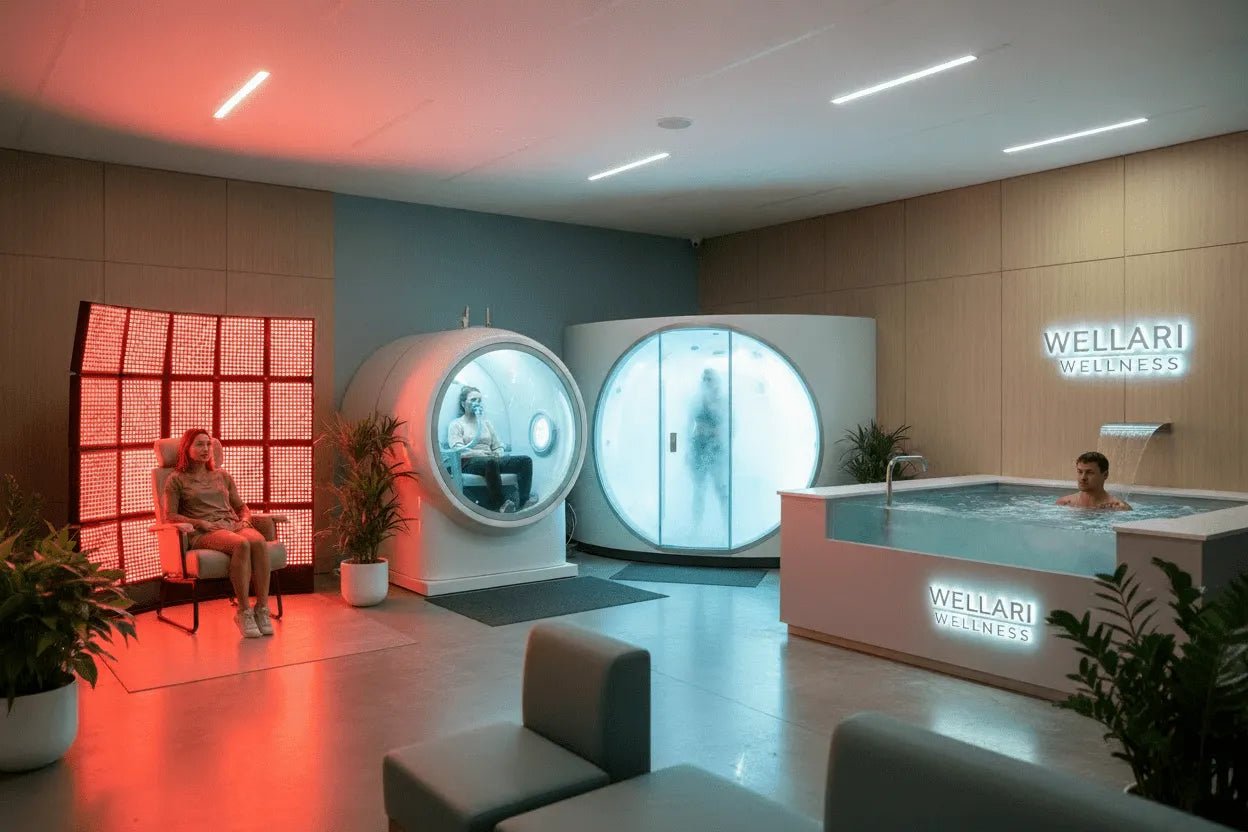
This guide explains five popular categories used in modern recovery routines—Hyperbaric Oxygen Therapy (HBOT), Red Light Therapy (RLT), Cryotherapy / Cold Exposure, Compression Therapy, and Vibration Therapy—and how people often layer them together for stronger outcomes.
Why “Stacking” Modalities Often Works Better Than Using One Tool
Your body is an interconnected system: circulation, nervous system balance, inflammation signaling, and cellular energy all influence how you feel and recover. A single modality may help one part of the picture, but combining the right tools can support multiple systems at the same time—especially when your goal is consistent recovery and long-term wellness.
Important: These modalities are commonly used in wellness and recovery routines. They are not a substitute for medical care. If you have a medical condition or symptoms, consult a qualified healthcare professional.
The Five Core Modalities (What They Are & How They’re Commonly Used)
1) Hyperbaric Oxygen Therapy (HBOT)
HBOT involves breathing oxygen in a pressurized environment. In wellness settings, “mild” hyperbaric systems are typically used for recovery support routines and consistency-focused protocols.
Learn the basics first:
Hyperbaric Oxygen Therapy (HBOT): How Oxygen Accelerates Healing & Recovery
Explore HBOT systems:
Shop Soft Hyperbaric Chambers
2) Red Light Therapy (RLT / Photobiomodulation)
Red and near-infrared light devices are commonly used to support skin appearance, muscle recovery routines, and overall cellular energy support. People often use RLT as a “low-friction” daily habit because sessions are simple and repeatable.
Explore a popular category:
Shop Red Light Panels
3) Cryotherapy & Cold Exposure
Cold exposure tools (cryotherapy chambers and cold plunges) are frequently used in performance and recovery routines. Many users report improved perceived recovery and post-session alertness. Cold exposure should be approached carefully, especially if you have cardiovascular or blood pressure concerns.
Compare modalities:
Cryotherapy vs Ice Baths: Benefits, Risks & What to Buy
Explore cold exposure equipment:
Shop Walk-In Cryotherapy Chambers
Shop Cold Plunges
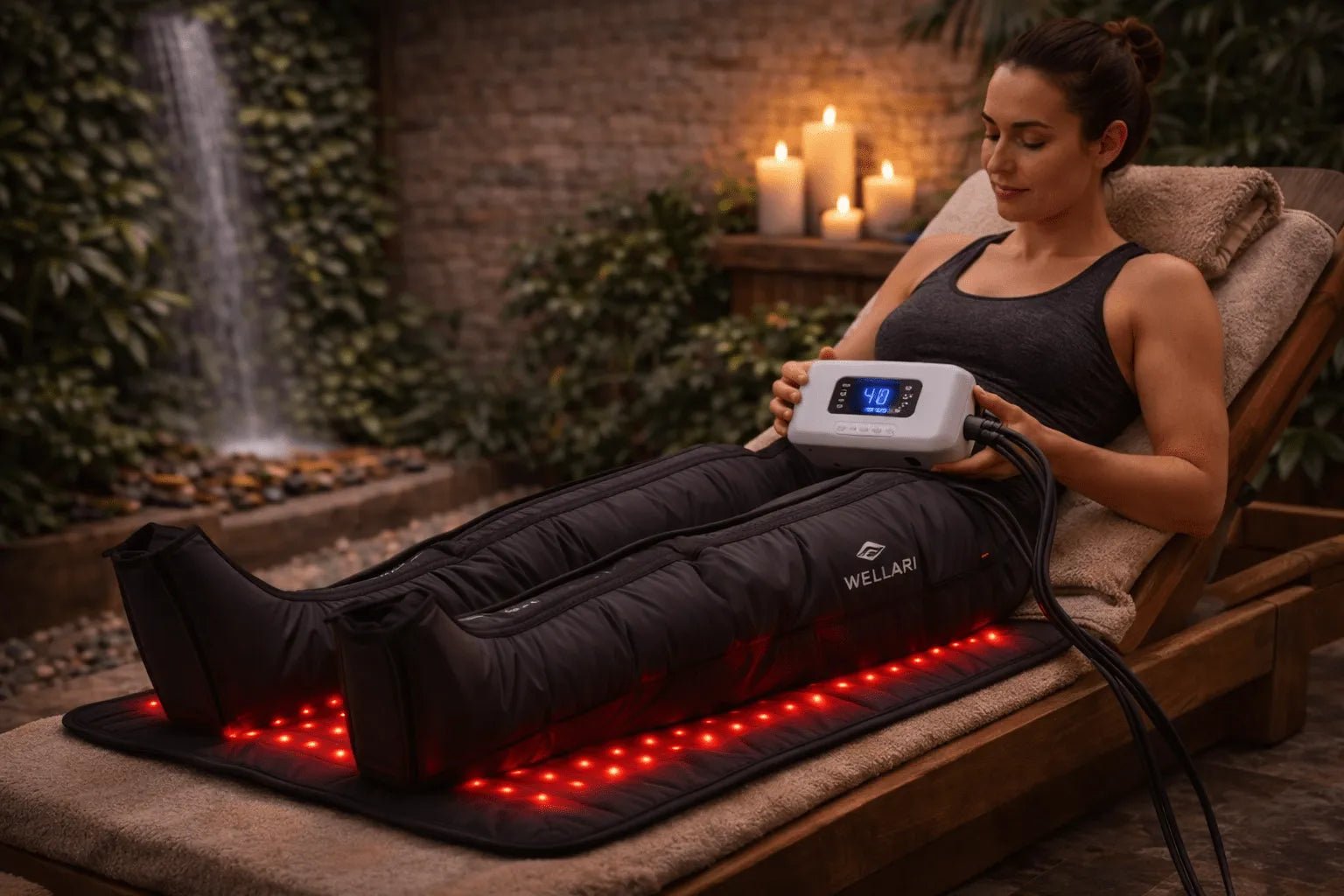
4) Compression Therapy
Compression systems are commonly used to support circulation and recovery routines—especially after training, long days on your feet, or travel. Many users incorporate compression after cold exposure, workouts, or on rest days as part of a consistent recovery schedule.
Explore compression options:
Shop Compression Therapy
5) Vibration Therapy
Vibration platforms are often used for warm-ups, mobility routines, circulation support, and post-workout recovery. Many users like vibration because sessions can be short and easy to fit into a weekly plan.
Explore vibration platforms:
Shop Vibration Plates
How People Commonly Combine These Modalities
Below are a few simple examples of how users often “stack” tools. These are general wellness routines—not medical protocols.
- Daily foundation: Red light therapy + light mobility (low-friction consistency)
- Training days: Vibration (warm-up) → training → compression (recovery)
- High-stress weeks: Cold exposure (brief) + compression later that day
- Recovery blocks: HBOT sessions on a consistent weekly cadence + RLT on off-days
If you want a broader “longevity stack” overview that connects cold, oxygen, and light-based routines, read:
How to Create a Modern Longevity Stack for Health, Recovery & Performance
Getting Started: Practical Tips (Without Overcomplicating It)
- Start with 1–2 modalities you can do consistently for 3–4 weeks.
- Track simple outcomes (sleep quality, soreness, mood, training consistency).
- Prioritize safety: follow manufacturer instructions and stop if you feel unwell.
- Ask a professional if you have medical conditions, are pregnant, or have concerns.
Conclusion
The future of wellness is less about chasing one “perfect” therapy and more about building a repeatable system that supports recovery, resilience, and long-term performance. When used responsibly, stacking complementary modalities like HBOT, red light therapy, cold exposure, compression, and vibration can help you create a sustainable weekly routine that fits your goals—at home or in a professional setting.