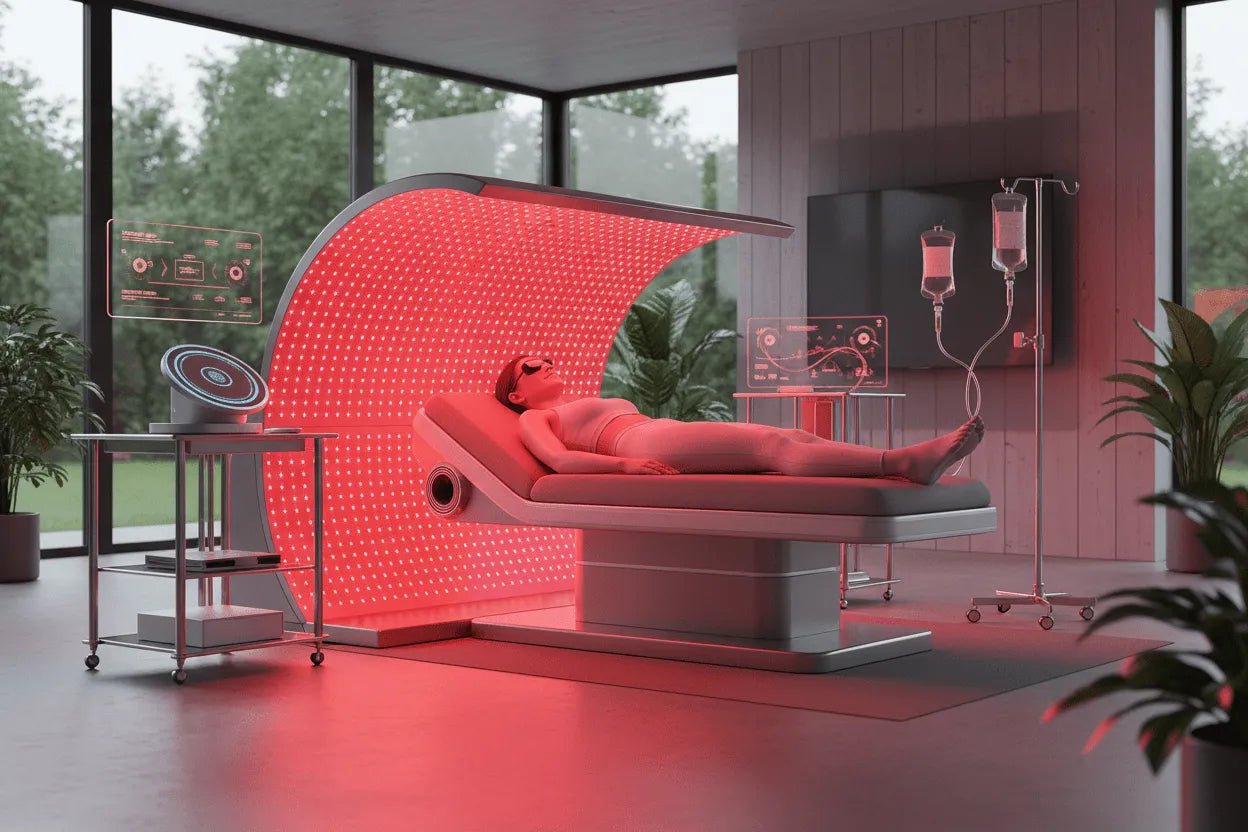
Unlock Your Longevity: Practical Biohacking Strategies for a Longer, Healthier Life
Biohacking for longevity isn’t about extreme routines or expensive fads — it’s about building a repeatable system that supports your healthspan (the years you feel strong, capable, and clear-minded). This guide focuses on practical, high-ROI strategies you can actually sustain, plus optional “advanced tools” that can support recovery and consistency.
What Is Longevity Biohacking?
Longevity biohacking is the practice of using science-informed habits, measurements, and tools to support long-term function — energy, mobility, metabolic health, cognitive performance, and recovery. The goal isn’t just “living longer.” It’s building a lifestyle that helps you stay capable and resilient as the years add up.
Important note: This content is educational and not medical advice. If you have a medical condition, are pregnant, or take medications, talk with a qualified clinician before starting new therapies or supplements.
Healthspan First: The 80/20 Rule of Longevity
If you want the biggest longevity payoff, start with the fundamentals. The National Institute on Aging emphasizes the basics — staying active, eating well, and getting enough sleep — as core drivers of healthy aging. Source: NIA (NIH)
Longevity Pillar #1: Sleep (Your Most Underrated “Stack”)
High-quality sleep supports recovery, mood regulation, immune function, and metabolic health. The National Institute on Aging also shares practical ways to improve sleep routines and sleep environment. Source: NIA (NIH)
Try this tonight:
- Keep the room cool and dark
- Set a consistent sleep/wake time
- Reduce bright screens 60–90 minutes before bed
Longevity Pillar #2: Strength + Zone 2 + Mobility
Movement is a longevity multiplier because it supports cardiovascular health, glucose control, bone density, and functional capacity. The CDC’s adult guidelines include 150 minutes/week of moderate activity plus 2 days/week of muscle-strengthening activity. Source: CDC
Practical minimum: 2–4 strength sessions/week + 2–3 “easy cardio” sessions/week + daily mobility for hips/ankles/thoracic spine.
Longevity Pillar #3: Nutrition for Metabolic Flexibility
Longevity nutrition is less about perfection and more about repeatable structure:
- Prioritize protein and fiber at most meals
- Reduce ultra-processed foods and sugary liquid calories
- Support blood sugar stability with balanced meals and daily movement
Longevity Pillar #4: Stress & Recovery Capacity
Chronic stress can degrade sleep, decision-making, and metabolic consistency. Your longevity plan should include daily downshifts — breathwork, walks, light stretching, or quiet time — not just “more work.”
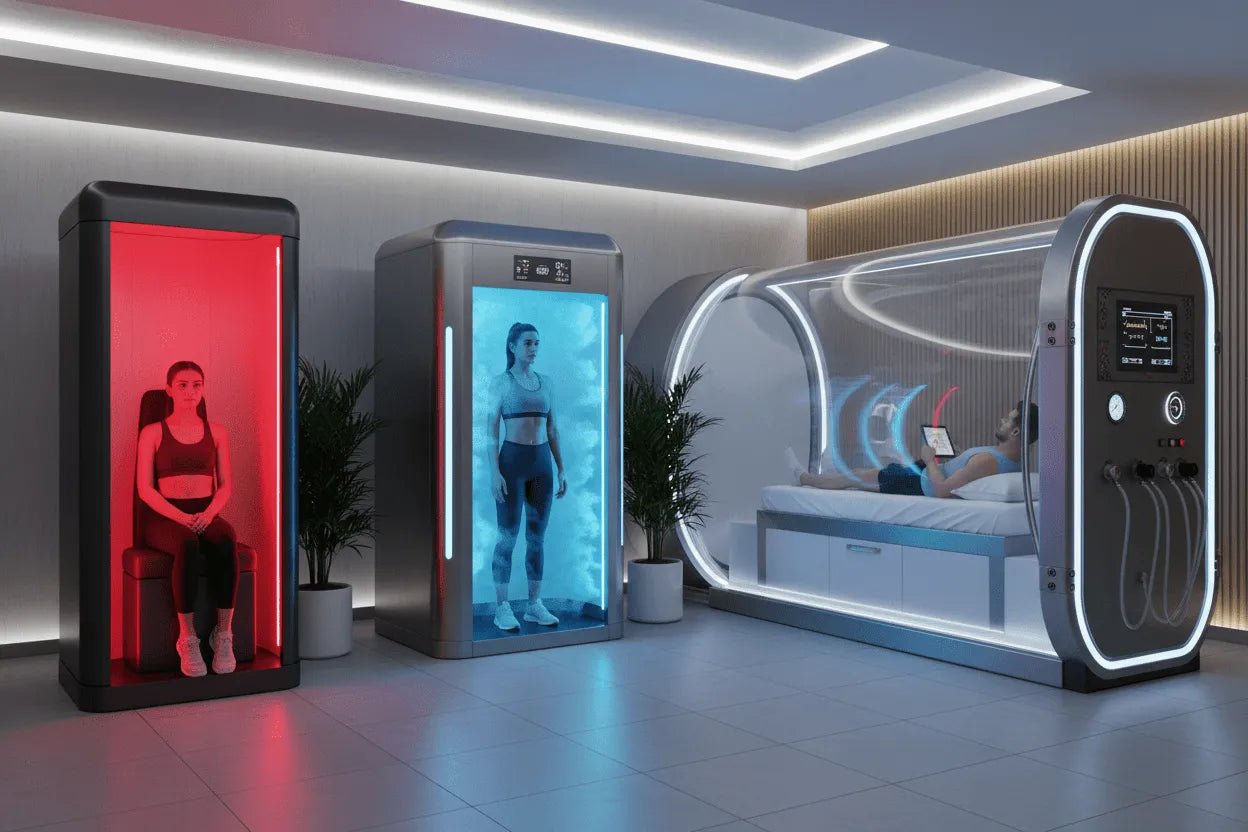
Advanced Longevity Tools: When You Want More Recovery Per Week
Once the foundations are in place, advanced modalities can help you recover faster, stay consistent, and reduce friction — especially during high training volume, demanding work seasons, or travel.
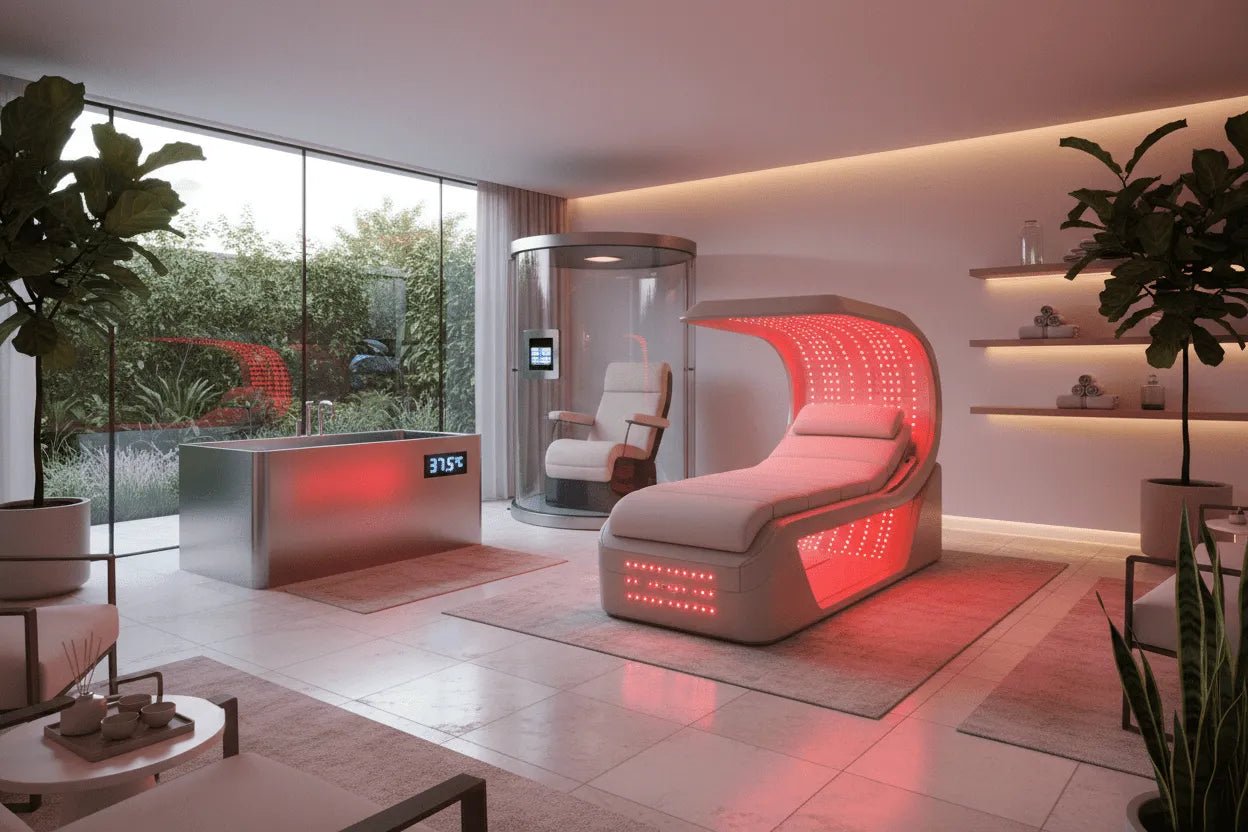
1) Photobiomodulation (Red Light Therapy)
Photobiomodulation (PBM) uses red and near-infrared light to influence cellular signaling and is often discussed in the context of recovery and tissue support. Mechanisms proposed in the research include effects on mitochondria and cellular signaling pathways. Source: NIH (PMC)
Shop Wellari Red Light:
Internal reading: For a deeper “how to choose” breakdown, see Wellari’s buyer guides:
2) Cold Exposure (Cold Plunge or Cryotherapy)
Cold exposure is commonly used for recovery routines and resilience training. Your best option depends on space, preferences, and consistency.
Shop Cold Exposure at Wellari:
Internal reading:
3) Compression Therapy (Low Friction Recovery)
Compression systems are popular for supporting circulation routines and post-training recovery — especially when you want a low-effort tool you can use while working, reading, or winding down.
Shop Compression at Wellari: Compression Massage Systems
Internal reading: Cryotherapy + Compression: A Recovery Protocol (Wellari)
4) Hyperbaric Chambers (HBOT at Home)
Home hyperbaric systems are often used as part of a wellness and recovery routine. If you’re exploring a home setup, focus on safety, consistency, and understanding the difference between clinical HBOT and home “mild” systems.
Shop Hyperbaric Chambers at Wellari:
Internal reading: HBOT at Home: Safety Checklist + How Often (Wellari)
Optional: Heat for Relaxation + Routine
Heat-based routines can support relaxation and recovery rituals. If you enjoy sauna use, consistency tends to matter more than chasing “perfect” numbers.
Shop Saunas at Wellari: Infrared Saunas
A Simple Weekly Longevity Blueprint (Sustainable & Repeatable)
Use this as a starting point. Adjust based on your training load, schedule, and recovery needs.
- Daily: protein + fiber baseline, steps, consistent sleep/wake time
- 2–4x/week: strength training
- 2–3x/week: Zone 2 cardio (easy pace)
- 2–5x/week (optional): red light sessions (panels/masks/belts)
- 1–4x/week (optional): cold plunge or cryotherapy routines
- 2–6x/week (optional): compression while working or winding down
- 2–7x/week (optional): hyperbaric sessions (based on your plan and comfort)
Tip: Add advanced tools only if they improve consistency — not if they create scheduling stress.
FAQ: Longevity Biohacking (Practical Answers)
Is longevity biohacking safe?
Many longevity “biohacks” are simply best-practice lifestyle habits (sleep, strength training, nutrition quality, stress management). Advanced tools and supplements should be approached carefully and personalized. If you take medications or have conditions, consult a clinician first.
What’s the #1 highest-ROI biohack?
For most people: sleep consistency and strength training. They influence recovery, mood, metabolic health, and long-term function. NIA exercise overview
Do I need supplements for longevity?
Not to start. Supplements can help in specific contexts, but they can also interact with medications and aren’t universally necessary. Use a “food + fundamentals first” approach and review supplement plans with your care team. Source: NCCIH (NIH)
Which red light device should I choose?
Match the device to your routine: masks for face-focused routines, belts/wraps for targeted areas, and panels for broader coverage. Start with the format you’ll use consistently.
Cold plunge vs. cryotherapy — which is better?
Neither is universally “better.” Cold plunges are accessible and can be used frequently at home. Cryotherapy can be a great option for people who prefer brief, controlled sessions. Choose based on consistency, space, and preference.
Can hyperbaric chambers be used at home?
Many people use home hyperbaric systems as part of wellness and recovery routines. Prioritize safety guidelines, manufacturer instructions, and professional input if needed. Start here: HBOT at Home guide.
References & Further Reading
- NIH (NIA): What Do We Know About Healthy Aging?
- NIH (NIA): Sleep and Older Adults
- CDC: Adult Physical Activity Guidelines
- NIH (PMC): Photobiomodulation mechanisms and mitochondrial signaling
- NIH (NCCIH): Using Dietary Supplements Wisely
Explore Wellari Wellness tools for a longevity-focused recovery routine: