Red Light Therapy for Hair Growth: A Science-Based Review of What Works
Interest in red light therapy for hair growth has grown significantly in recent years as more people explore non-invasive wellness technologies for scalp care and hair-thinning concerns. From wearable caps to full-sized light panels, the market now includes a wide range of red light therapy devices designed for home use.
But with so many products available, it is important to separate realistic expectations from exaggerated marketing claims. This guide reviews how red light therapy works, what current research suggests, which device features matter most, and what users should consider before starting a hair-focused light therapy routine.
Important: This article is for educational and informational purposes only and is not medical advice. Hair loss may have multiple underlying causes. Speak with a licensed healthcare professional or dermatologist before starting any treatment or wellness routine related to hair thinning or scalp concerns.
Shop Red Light Therapy & Wellness Products
- Shop Red Light Therapy Panels
- Shop Red Light Therapy Masks
- Shop Full Body Red Light Therapy
- Shop Infrared Saunas
What Is Red Light Therapy?
Red light therapy is a form of light-based wellness technology that uses specific wavelengths of visible red and near-infrared light. In scientific and clinical literature, this process is often referred to as photobiomodulation (PBM) or low-level light therapy (LLLT).
Red light therapy devices are commonly used in wellness environments for skin-focused routines, recovery settings, and scalp-focused applications.
Related reading: Reset Your Nervous System: The Science of Cold, Light, and Heat Therapy
How Red Light Therapy Is Thought to Interact with the Scalp
Researchers continue to study how specific light wavelengths interact with biological tissue. Some studies have explored how red and near-infrared light may interact with cellular energy production processes within tissue.
Current research discussions often focus on:
- Cellular energy production
- Light absorption by tissue
- Scalp circulation support
- General scalp wellness environments
However, results can vary significantly between individuals, devices, usage consistency, and underlying causes of hair thinning.
Understanding Hair Growth Cycles
Hair naturally grows in repeating cycles that include active growth, transition, resting, and shedding phases. Hair-thinning patterns can involve changes to these cycles over time.
Because hair growth is gradual, any wellness or cosmetic routine related to hair appearance typically requires consistency and patience over an extended period.
Most research discussions involving light therapy and hair growth evaluate results over several months rather than days or weeks.
What Current Research Says About Red Light Therapy for Hair
Several published studies and reviews have explored the potential relationship between low-level light therapy and hair density or appearance in individuals with certain types of hair thinning.
Some research suggests that consistent use of properly designed devices may support cosmetic improvements in hair appearance for some users. However, outcomes vary and not every user experiences the same results.
Red light therapy should not be viewed as a guaranteed solution or replacement for professional medical evaluation.
Why Device Specifications Matter
Not all red light therapy devices are built the same. Product quality, wavelength range, power output, and treatment consistency all influence how a device performs.
Wavelengths
Many red light therapy products use wavelengths in the red and near-infrared ranges. Certain wavelength ranges are commonly discussed in published research involving photobiomodulation.
Power Output
Power output and treatment consistency are important considerations. Devices that provide little technical information may not deliver the same performance as products with transparent specifications.
Coverage Area
Coverage area matters as well. Some devices focus on small targeted areas while larger panel systems may cover broader treatment zones.
Types of Red Light Therapy Devices for Hair-Focused Use
Wearable Caps and Helmets
Wearable systems are designed for convenience and hands-free use. These products are often used while sitting, reading, or relaxing during a session.
Some users prefer cap-style systems because they simplify consistency and routine-building.
Handheld Devices and Combs
Handheld products allow users to target specific scalp areas. These devices may require more manual movement and session time compared to wearable options.
Red Light Therapy Panels
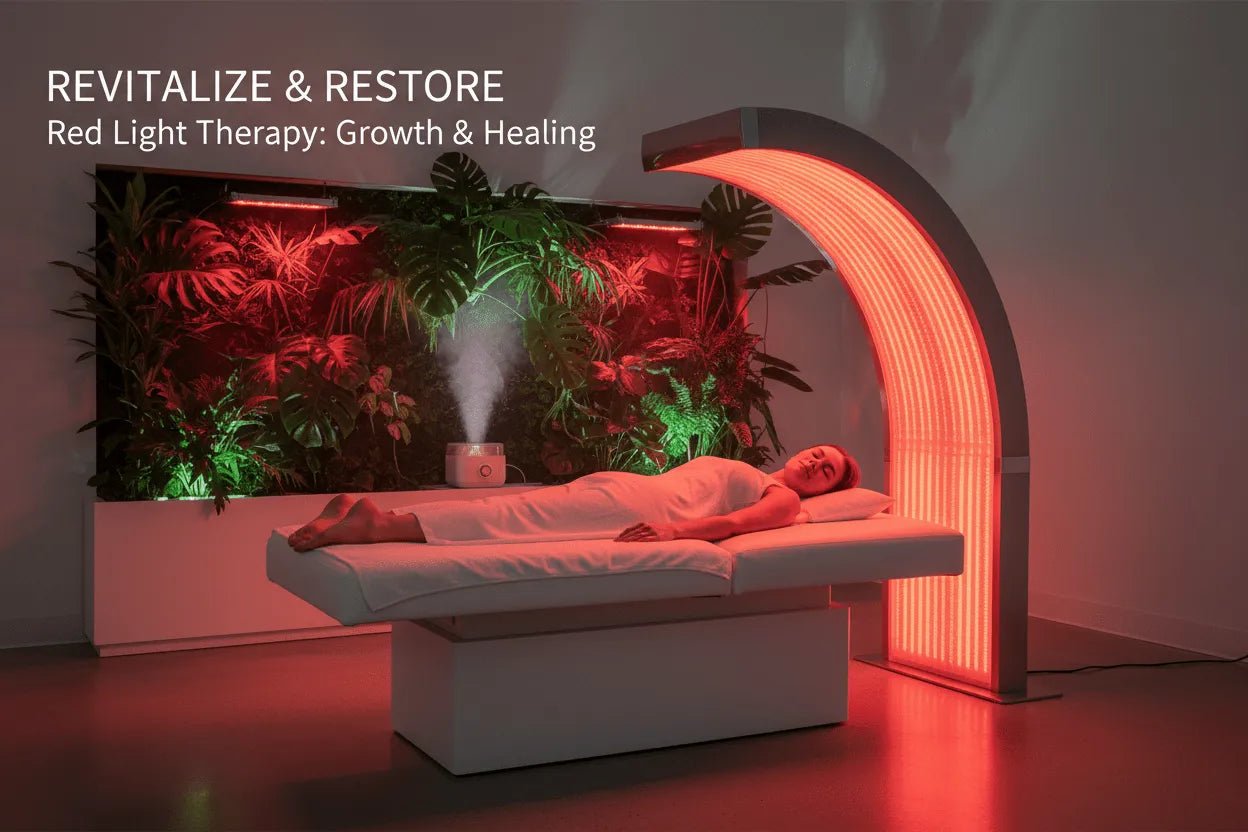
Panels are commonly used in broader wellness environments and may provide larger treatment coverage. Some users incorporate panels into full-body wellness or recovery spaces.
Explore panel options here: Red Light Therapy Panels
How Long Does It Take to See Results?
Hair growth and hair appearance changes generally take time regardless of the approach used. Research discussions involving red light therapy often evaluate progress over periods of several months.
Consistency is usually considered one of the most important factors in any hair-focused routine.
Users should avoid expecting overnight results or guaranteed outcomes.
Factors That May Influence Results
Many factors can influence hair appearance and scalp wellness, including:
- Genetics
- Age
- Hormonal changes
- Stress levels
- Nutrition
- Underlying medical conditions
- Consistency of use
Because hair thinning can have multiple causes, professional medical evaluation is important when concerns persist.
Red Light Therapy as Part of a Broader Wellness Routine
Some individuals incorporate red light therapy into a larger wellness-focused lifestyle that may include:
- Infrared sauna sessions
- Compression therapy
- Stress-management routines
- Sleep-supportive habits
- General scalp-care routines
Related reading: Design Your Dream Home Wellness Room
Choosing a Quality Red Light Therapy Device
When comparing devices, look for manufacturers that provide clear technical specifications and transparent product information.
Consider:
- Published wavelength ranges
- Treatment coverage area
- Build quality
- Session recommendations
- Ease of use
- Warranty and customer support
Devices that focus only on marketing language without technical details may not provide the same user experience as higher-quality systems.
Safety Considerations
Red light therapy devices should always be used according to manufacturer instructions.
- Avoid excessive session durations
- Use eye protection when recommended
- Do not use damaged devices
- Consult a healthcare professional if you have scalp conditions or medical concerns
If you experience discomfort or irritation, discontinue use and seek professional guidance.
Final Thoughts
Red light therapy continues to be an area of growing interest within the wellness and personal-care space. While research into photobiomodulation and scalp-focused applications is ongoing, device quality, consistency, realistic expectations, and professional guidance remain important.
For individuals interested in non-invasive wellness technologies, red light therapy may be one part of a broader self-care or scalp-focused routine.
Browse Wellari Wellness red light therapy products here:
Frequently Asked Questions
Does red light therapy help with hair growth?
Some research has explored the relationship between low-level light therapy and cosmetic improvements in hair appearance for certain individuals. Results vary and are not guaranteed.
How often should red light therapy be used for hair-focused routines?
Usage recommendations vary by device and manufacturer. Always follow the instructions provided with your specific product.
How long does it take to notice changes?
Hair growth and appearance changes generally take time. Many studies evaluating light therapy for hair-related applications observe progress over multiple months.
What wavelengths are commonly used in red light therapy devices?
Many devices use red and near-infrared wavelength ranges commonly discussed in photobiomodulation research.
Can I use a red light therapy panel instead of a cap?
Some users prefer panels because they can cover larger areas and may also be used for broader wellness routines.
Should I speak with a dermatologist before using red light therapy?
Yes. Hair thinning can have many underlying causes, so professional medical guidance is recommended before beginning any hair-focused treatment or wellness routine.
Helpful External Resources
- American Academy of Dermatology: Hair Loss Treatments
- Cleveland Clinic: Hair Loss Overview
- National Library of Medicine: Photobiomodulation and Hair Research
- Mayo Clinic: Hair Loss Causes and Considerations
Wellari Wellness products are intended for general wellness and lifestyle purposes only. Products are not intended to diagnose, treat, cure, or prevent disease. Individual experiences may vary.