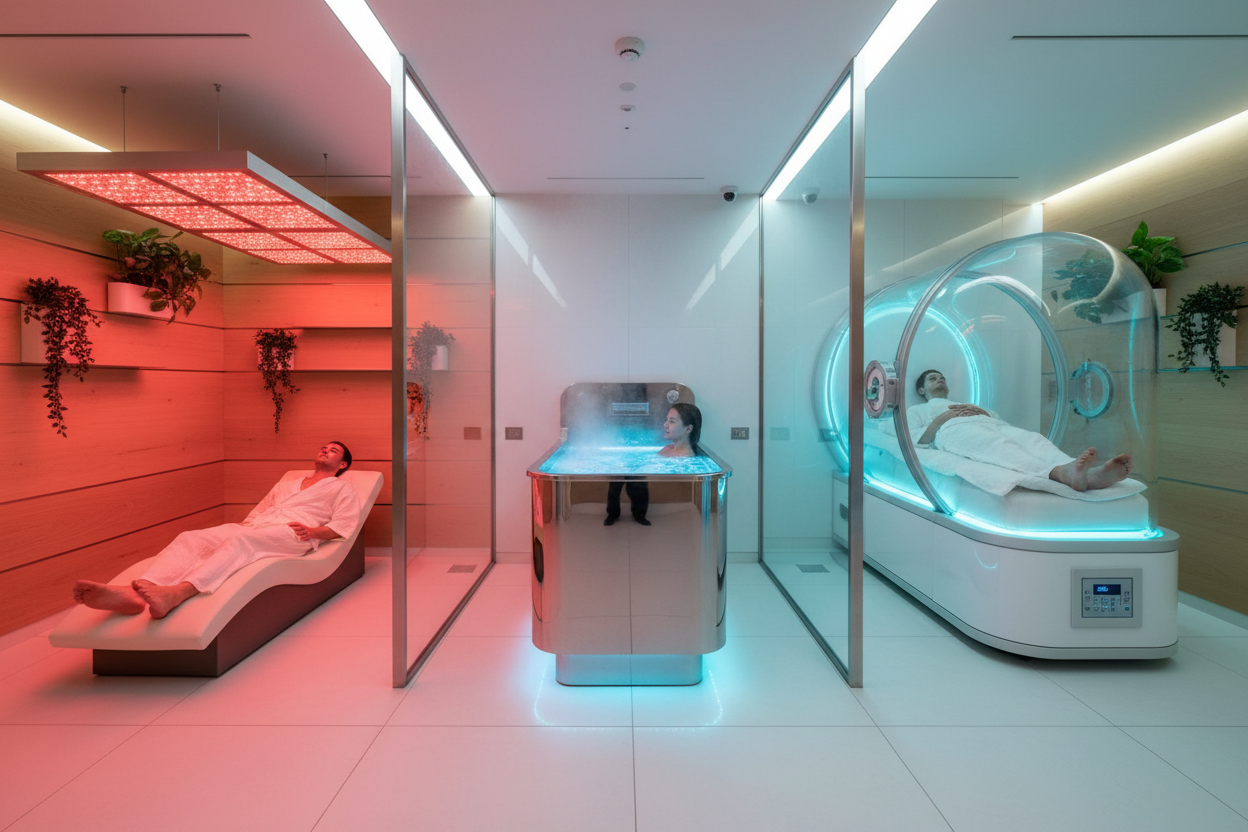
How to Optimize Deep Sleep Naturally: Leveraging Wellness Technology for Deeper Rest
Technology for Deeper Sleep: Infrared, Cold Exposure, Red Light & HBOT
Sleep is no longer viewed as passive rest — it’s an active biological process that governs recovery, cognitive performance, metabolic health, and long-term longevity. Yet despite its importance, deep restorative sleep remains elusive for many high performers, professionals, and athletes.
The good news: sleep quality is highly trainable.
This guide explains how modern wellness technology can support deeper sleep naturally — by regulating the nervous system, reducing inflammation, and improving physiological recovery rather than masking symptoms with supplements or sleep aids.
Why Deep Sleep Matters More Than Total Sleep
Not all sleep is equal. Deep sleep (slow-wave sleep) is where the most meaningful recovery occurs.
During deep sleep, the body:
- Repairs tissue and muscle
- Regulates key hormones
- Consolidates memory and learning
- Clears metabolic waste from the brain
- Resets the nervous system
Poor deep sleep — even with long time in bed — can lead to fatigue, brain fog, higher inflammation, and slower recovery.
Optimizing sleep means improving sleep depth, not just sleep duration.
The Nervous System Is the Gatekeeper of Sleep
Most sleep issues trace back to nervous system imbalance.
Chronic stress, blue light exposure, inflammation, and overtraining can keep the body in a sympathetic (“fight or flight”) state that blocks deep parasympathetic recovery.
Start here for the foundation:
👉 Reset Your Nervous System: The Science of Cold, Light, and Heat Therapy
Modern wellness technologies work by downshifting the nervous system, improving recovery signals, and creating the conditions where deep sleep happens naturally.
Technology That Supports Deeper Sleep (Without Drugs)
1) Infrared Therapy: Parasympathetic Activation & Relaxation
Infrared therapy gently raises core temperature, improves circulation, and supports parasympathetic activation. This can complement the natural temperature drop that occurs before sleep — one of the body’s key “time to rest” signals.
Sleep-supportive benefits may include:
- Reduced muscle tension
- Improved circulation
- A calmer nervous system response
- Faster sleep onset
Related deep dive:
👉 The Science of Infrared Therapy in 2025
Explore infrared systems:
👉 Shop Infrared Saunas
2) Cold Exposure: Stress Regulation & Sleep Quality
Cold exposure can support sleep by helping regulate stress response patterns and encouraging a stronger parasympathetic rebound after stress.
When used strategically (not right before bed), cold exposure may help:
- Reduce nighttime restlessness
- Improve sleep latency (time to fall asleep)
- Support deeper recovery over time through resilience training
Learn the difference between methods:
👉 Cold Plunge vs. Cold Shower: Unpacking the Real Health Benefits
Explore cold plunge systems:
👉 Shop Cold Plunge Systems
3) Red Light Therapy: Circadian Support & Cellular Repair
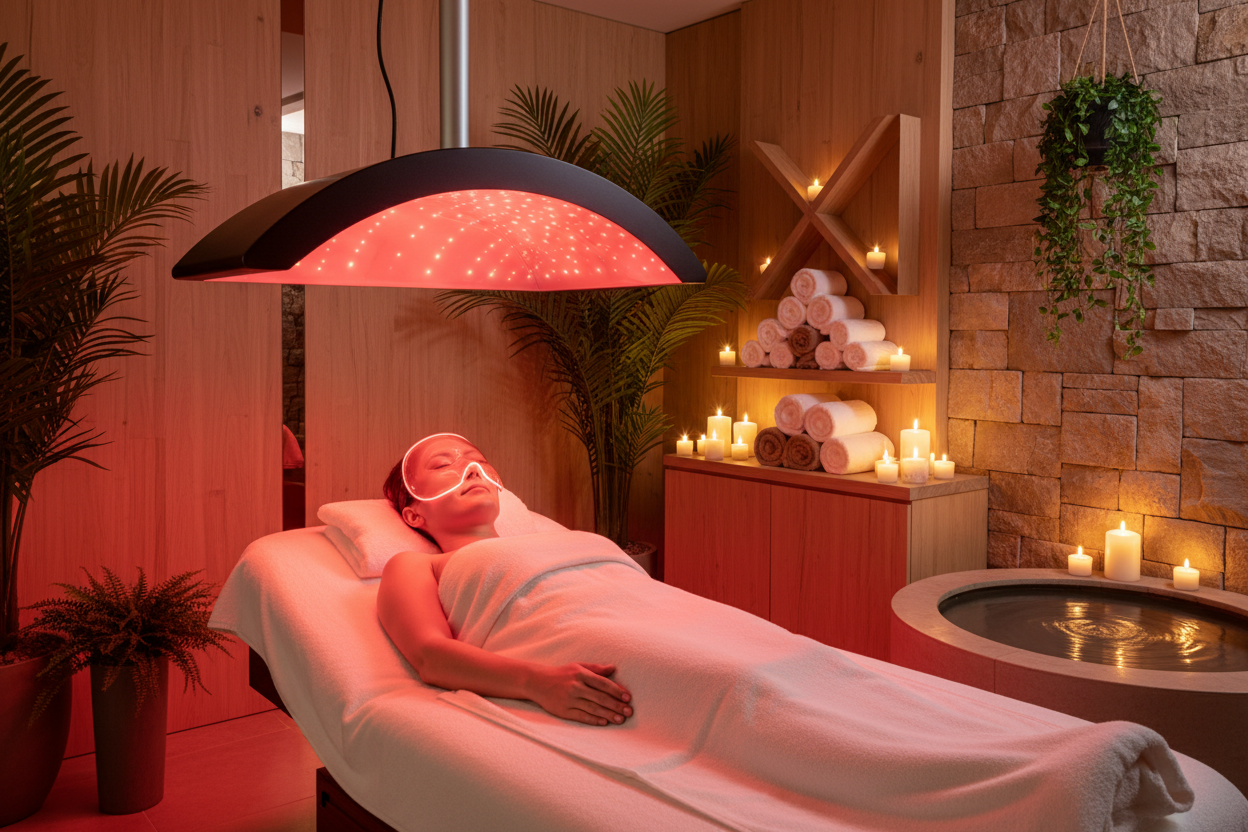
Red and near-infrared light can support sleep indirectly by promoting cellular recovery and reducing inflammation without the same melatonin disruption associated with blue light exposure.
Sleep-supportive mechanisms may include:
- Supporting cellular energy (ATP) production
- Reducing inflammatory load that can disrupt rest
- Supporting healthy circadian rhythm signaling
Learn how it works:
👉 Unlocking Red Light Therapy: The Science Behind Its Benefits
Explore red light systems:
👉 Shop Red Light Therapy Panels
4) Hyperbaric Oxygen Therapy (HBOT): Deep Recovery & Brain Support
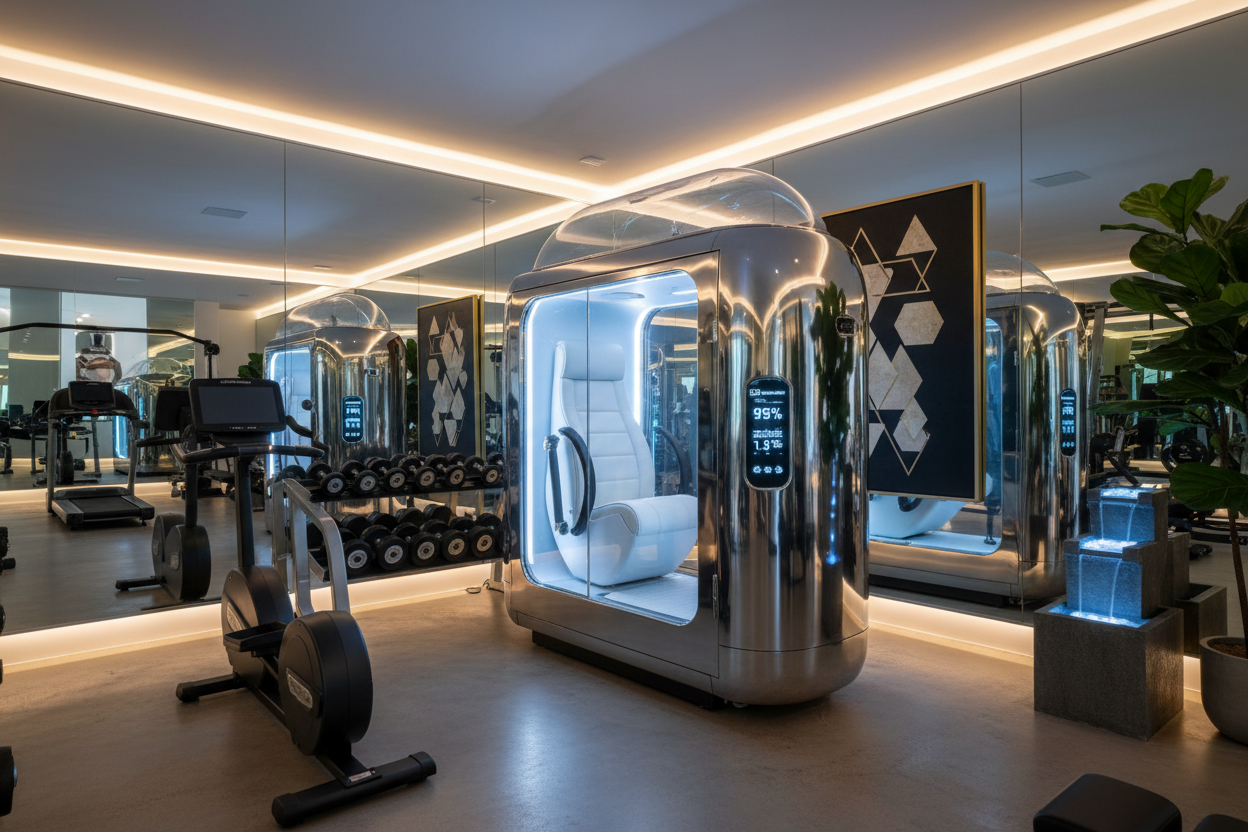
HBOT is often used in advanced recovery routines to support oxygen delivery and recovery processes. Some users also report sleep benefits when HBOT improves overall recovery capacity and reduces “wired but tired” patterns.
Sleep-relevant benefits may include:
- Improved recovery from high training or high stress loads
- Reduced nighttime wake-ups for some users (via better overall recovery)
- Support for mental clarity and resilience over time
Learn more:
👉 Beyond the Buzz: What HBOT Actually Treats (Evidence-Based Guide)
Explore HBOT systems:
👉 Shop Hyperbaric Chambers
Stacking for Sleep: Why Combination Works Best
No single technology “fixes” sleep. The best results usually come from stacking complementary modalities based on your stress load, training volume, and lifestyle:
- Infrared → relaxation & warming
- Cold exposure → stress reset & resilience training
- Red light → cellular recovery support
- HBOT → advanced recovery capacity for select users
See the full framework:
👉 The Ultimate Longevity Stack Explained
Sample Evening Sleep Optimization Routine
- Late afternoon: Light movement or mobility
- Early evening: Infrared session (15–30 minutes)
- Post-session: Brief cold exposure (optional, earlier is usually better than right before bed)
- Evening: Red light therapy (10–20 minutes)
- Optional: HBOT earlier in the day for overall recovery support
Consistency matters more than intensity.
Who This Approach Is Best For
Technology-driven sleep optimization is ideal for:
- High-stress professionals
- Athletes and high-volume trainers
- Longevity-focused individuals building a long-term routine
- Anyone experiencing “wired but tired” sleep patterns
Safety & Medical Note
This content is for educational purposes and is not medical advice. If you have a medical condition, are pregnant, have cardiovascular concerns, or take prescription medications, consult a qualified healthcare professional before starting new wellness protocols (including cold exposure, infrared therapy, red light therapy, or HBOT).
Final Thoughts
Deep sleep is not accidental — it’s physiological alignment.
By calming the nervous system, reducing inflammation, and supporting recovery, modern wellness technology can help sleep happen naturally and consistently.
Sleep better — not by forcing rest, but by building the conditions that make it inevitable.