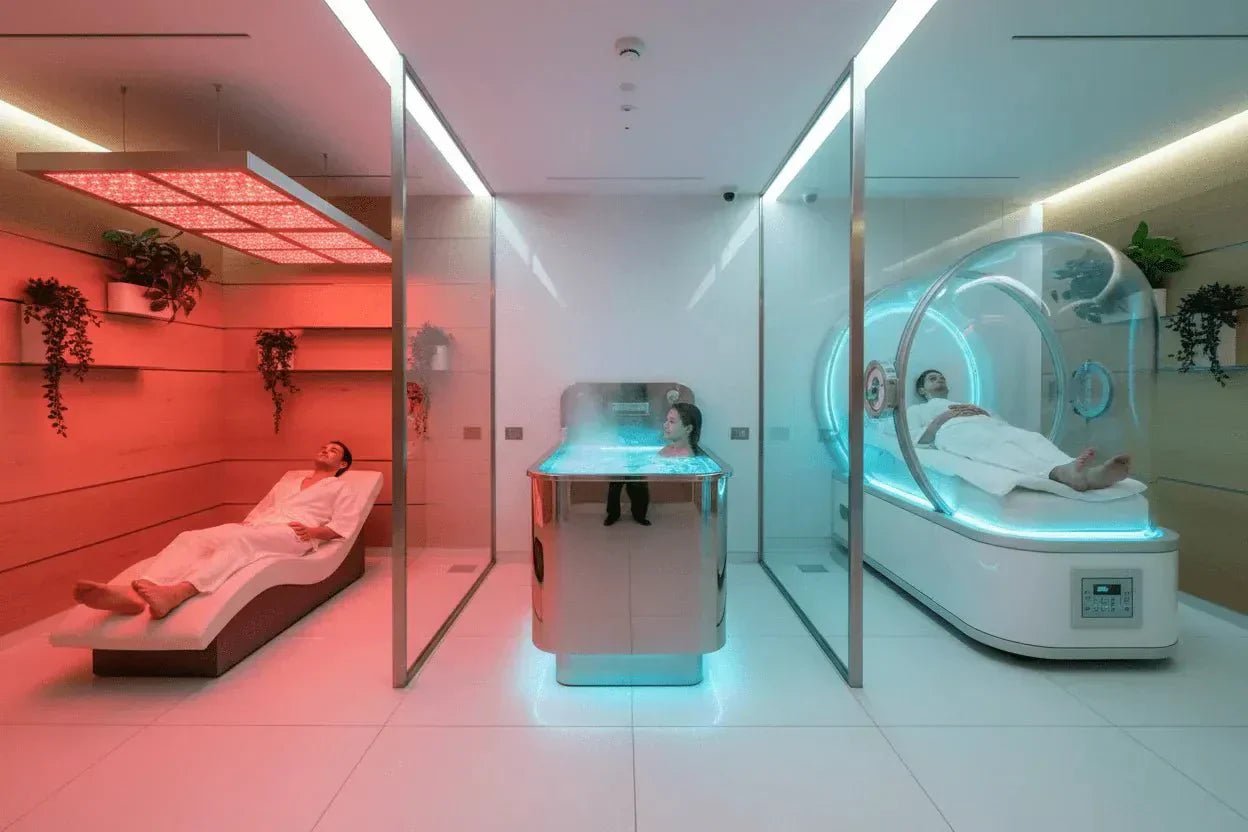
How to Optimize Deep Sleep: Leveraging Wellness Tech for Enhanced Rest
Sleep is one of the most important foundations of recovery, performance, mood, and long-term wellness. For professionals, athletes, and busy adults, getting enough sleep is only part of the equation. The quality of your sleep routine, evening habits, and recovery environment also matter.
This guide explains how modern wellness technologies may support deeper rest naturally by helping create calming evening routines, recovery-focused habits, and a better sleep environment. These tools are not a replacement for sleep hygiene, medical care, or a consistent schedule, but they may complement a broader wellness plan.
Note: This content is for educational purposes only and does not constitute medical advice. Consult a qualified healthcare professional if you have ongoing sleep concerns, a medical condition, are pregnant, or take prescription medications.
Why Deep Sleep Matters
Not all sleep feels the same. Deep sleep, sometimes called slow-wave sleep, is one stage of the sleep cycle associated with physical recovery, restoration, and feeling refreshed the next day.
Healthy sleep routines may support:
- Daily energy and readiness
- Post-activity recovery habits
- Focus and mental clarity
- Consistent mood and resilience
- Long-term wellness routines
For a general overview, see the Sleep Foundation guide to deep sleep.
Recovery Habits Play an Important Role in Sleep Quality
Sleep quality is influenced by many lifestyle factors, including light exposure, evening routines, room temperature, physical activity, hydration, and consistency. Wellness technologies can be helpful when they are used to support relaxing rituals instead of replacing healthy habits.
Strong sleep-supportive habits include:
- Keeping a consistent sleep and wake schedule
- Reducing bright light exposure late at night
- Creating a cool, quiet, dark sleep environment
- Using evening routines that encourage relaxation
- Avoiding overly intense recovery practices too close to bedtime
For basic sleep guidance, the CDC sleep overview is a helpful resource.
Related Wellari guide:
Mental Calm and Recovery: Cold, Light, Heat, and Oxygen Wellness Routines
Technology That May Support Better Rest and Recovery
Wellness technology works best when used consistently and responsibly. The goal is not to force sleep, but to create conditions that make relaxation and recovery more natural.
1) Infrared Therapy: Evening Warmth and Relaxation Routines
Infrared sauna sessions are often used as part of evening wind-down routines. The warmth, quiet environment, and post-session cooldown can create a structured transition from a busy day into a calmer evening.
Many users include infrared sauna sessions for:
- Relaxation and comfort
- Post-activity recovery habits
- Evening wind-down routines
- Warmth-based wellness rituals
Related deep dive:
The Science of Infrared Therapy in 2025
Explore infrared systems:
Shop Infrared Saunas
2) Cold Exposure: Resilience and Recovery Habits
Cold exposure, including cold plunges and cold showers, is often used for refreshment, resilience, and recovery routines. Many people prefer cold exposure earlier in the day or several hours before bedtime because individual responses vary.
Cold exposure may fit into routines focused on:
- Post-workout recovery habits
- Daily resilience routines
- Refreshment and alertness
- Structured wellness challenges
Learn the difference between methods:
Cold Plunge vs. Cold Shower: Unpacking the Real Health Benefits
Explore cold plunge systems:
Shop Cold Plunge Systems
3) Red Light Therapy: Light-Based Evening Wellness
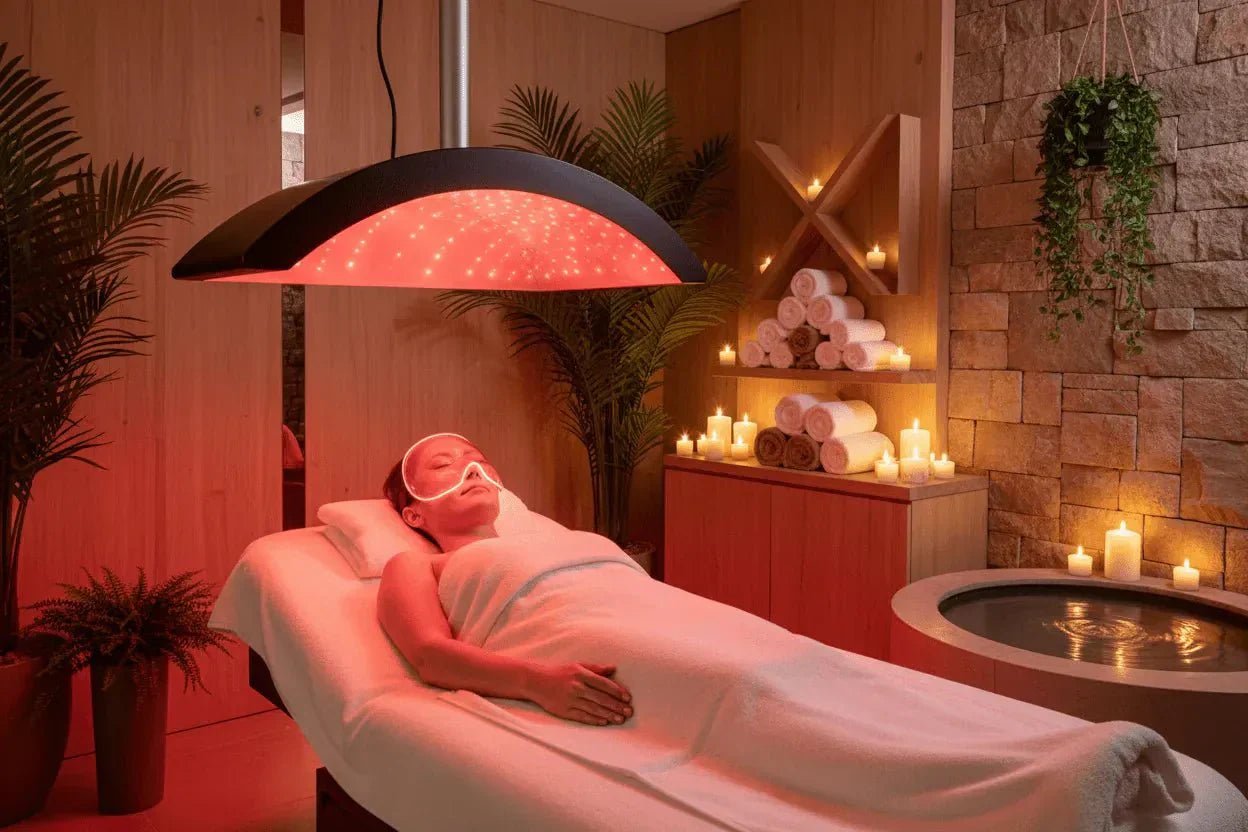
Red light therapy is commonly used in light-based wellness routines focused on relaxation, skin appearance, and recovery-focused habits. Unlike bright blue light from phones and screens, red light is often used by wellness enthusiasts as part of a calmer evening environment.
Many users incorporate red light therapy for:
- Light-based wellness routines
- Recovery-focused habits
- Skin appearance routines
- Evening relaxation practices
Learn how it works:
Unlocking Red Light Therapy: The Science Behind Its Benefits
Explore red light systems:
Shop Red Light Therapy Panels
4) Hyperbaric Oxygen Therapy: Oxygen-Focused Recovery Sessions
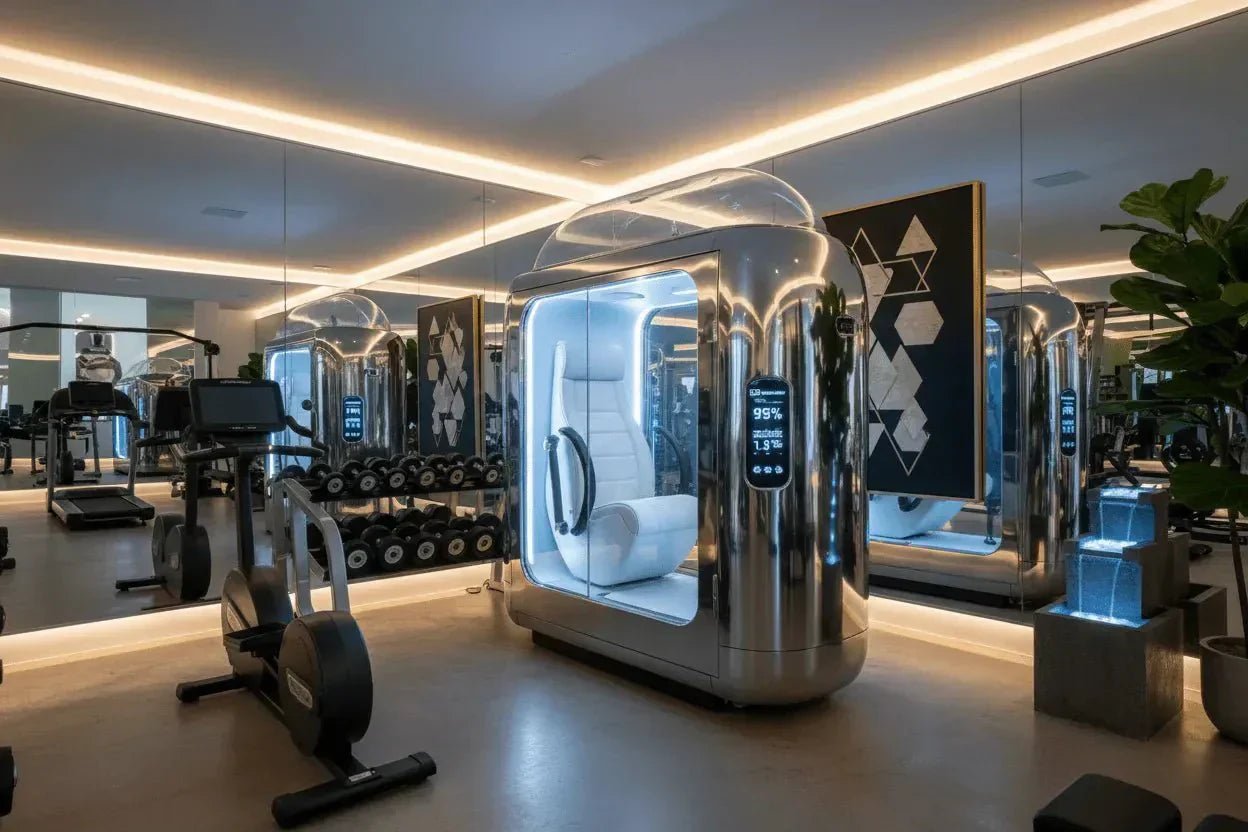
Hyperbaric oxygen therapy, or HBOT, is often used in advanced recovery routines. Some users include oxygen-focused sessions earlier in the day as part of broader wellness planning, especially when combining multiple recovery technologies.
HBOT may fit into routines focused on:
- Structured recovery time
- Long-term wellness planning
- Relaxation and downtime
- Oxygen-focused wellness sessions
Learn more:
Beyond the Buzz: What HBOT Actually Treats
Explore HBOT systems:
Shop Hyperbaric Chambers
Stacking for Sleep: Why Combination Routines Can Help
No single technology guarantees better sleep. Many users get the most value by building a sustainable routine that combines sleep hygiene, movement, hydration, nutrition, and recovery practices.
- Infrared: warmth and evening relaxation
- Cold exposure: refreshment and resilience routines
- Red light: light-based evening wellness
- HBOT: oxygen-focused recovery sessions
See the full framework:
The Ultimate Longevity Stack Explained
Sample Evening Sleep-Supportive Routine
- Late afternoon: Light movement, stretching, or mobility
- Early evening: Infrared sauna session for 15–30 minutes, depending on comfort
- Earlier in the day or post-workout: Cold exposure if it fits your routine
- Evening: Red light therapy for 10–20 minutes, based on device instructions
- Optional: HBOT earlier in the day as part of a broader recovery plan
Consistency matters more than intensity. Start small, observe how your body responds, and adjust timing based on comfort.
Who This Approach May Fit
Technology-supported sleep routines may appeal to:
- Busy professionals looking for a more consistent evening routine
- Athletes and active adults focused on recovery habits
- Wellness enthusiasts building a long-term routine
- Individuals who want to create a calmer home recovery environment
Safety and Medical Note
This content is for educational purposes and is not medical advice. If you have a medical condition, are pregnant, have cardiovascular concerns, experience persistent sleep difficulty, or take prescription medications, consult a qualified healthcare professional before starting new wellness routines, including cold exposure, infrared sauna use, red light therapy, or HBOT.
Follow all manufacturer instructions, avoid overuse, stay hydrated, and discontinue any routine that causes discomfort.
Frequently Asked Questions
Can wellness technologies replace healthy sleep habits?
No. Recovery technologies work best when combined with healthy sleep routines, consistent schedules, movement, hydration, and good sleep hygiene.
What wellness technology is commonly used before bed?
Many users incorporate infrared sauna sessions, red light therapy, stretching, meditation, or relaxation routines as part of an evening wellness practice.
Should cold exposure be used immediately before bed?
Many people prefer cold exposure earlier in the day or several hours before bedtime. Individual responses vary.
Can multiple recovery technologies be combined?
Yes. Many wellness-focused individuals combine cold exposure, infrared therapy, red light therapy, HBOT, and other recovery practices as part of a broader wellness routine.
Do recovery technologies guarantee better sleep?
No. Sleep quality depends on many factors, including lifestyle habits, environment, consistency, and overall health.
References
- Sleep Foundation: Deep Sleep
- CDC: About Sleep
- National Heart, Lung, and Blood Institute: Sleep Health
- Harvard Health: 8 Secrets to a Good Night's Sleep
Final Thoughts
Deep sleep is supported by consistent habits, a calming environment, and recovery routines that fit your lifestyle. Wellness technologies such as infrared sauna, cold exposure, red light therapy, and HBOT may help create a more intentional recovery system when used responsibly.
The most effective sleep-supportive routine is the one you can maintain consistently. Start with the basics, add technology gradually, and focus on building a calmer, more sustainable evening rhythm.
Written by Karen Ripley