
Cold Plunge Safety and Heart Health: What to Know Before You Start
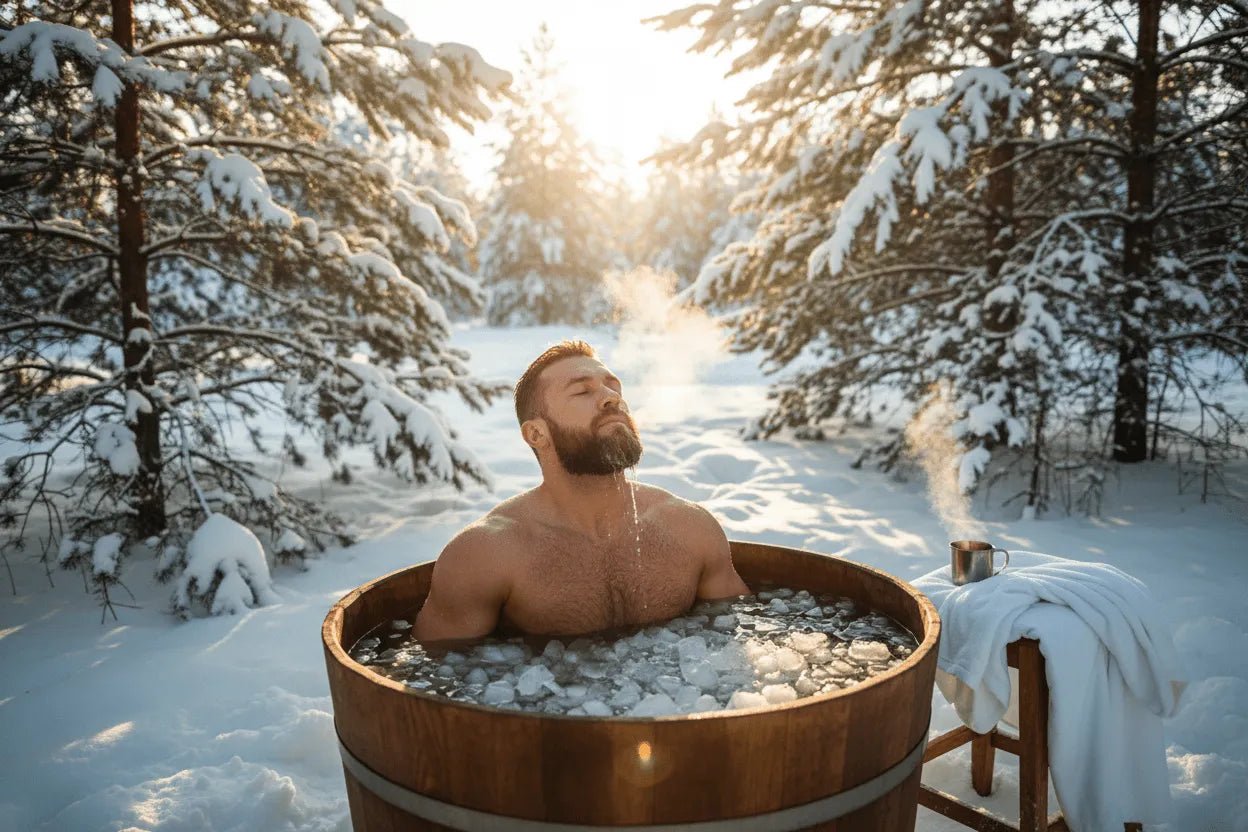
Cold plunges have become one of the most talked-about recovery tools in wellness, but cold water immersion is not a passive therapy. It creates a strong physiological stress response that affects breathing, heart rate, blood pressure, and the nervous system within seconds.
At Wellari Wellness, we believe cold therapy should be approached with respect, education, and safety. Cold plunges may support recovery routines, resilience, circulation response, and post-exercise wellness for some healthy adults, but they are not appropriate for everyone.
This article explains what happens to the body during cold water immersion, why people with cardiovascular conditions should be cautious, and how to build a safer cold plunge routine if your healthcare provider confirms it is appropriate for you.
Important: This article is for educational purposes only and is not medical advice. Cold therapy products are not intended to diagnose, treat, cure, or prevent disease. Speak with a qualified healthcare professional before starting cold plunging, especially if you have high blood pressure, heart disease, circulation issues, diabetes, fainting history, pregnancy, or any medical condition.
What Happens When Your Body Hits Cold Water?
When your body enters cold water, the nervous system reacts quickly. Sudden cold exposure can trigger what is known as the cold shock response. This may include a sharp gasp, rapid breathing, increased heart rate, and a rise in blood pressure.
The American Heart Association notes that plunging into cold water can cause a sudden increase in breathing, heart rate, and blood pressure, placing extra stress on the heart. This is one reason cold plunging should be treated as a serious wellness practice rather than a casual trend.
Cold water exposure may also activate the diving reflex, especially when the face is exposed to cold water. This response can slow the heart rate. Researchers have described a situation called autonomic conflict, where the body receives competing nervous system signals at the same time. In vulnerable individuals, this may increase the risk of abnormal heart rhythms.
Why Cold Plunges Can Be Risky for Blood Pressure and Heart Health
Cold water causes blood vessels near the skin to narrow, a process called vasoconstriction. This helps preserve core body temperature, but it can also raise blood pressure and make the heart work harder.
For a healthy, conditioned adult, this may be a manageable short-term stress. For someone with high blood pressure, heart disease, arrhythmias, poor circulation, or an elevated stroke risk, the same stress may be unsafe.
Cold plunging may increase cardiovascular strain by causing:
- Rapid breathing or hyperventilation
- A sudden increase in heart rate
- A temporary rise in blood pressure
- Peripheral blood vessel constriction
- Increased workload on the heart
- Greater risk of dizziness, fainting, or panic in cold water
This does not mean every cold plunge is dangerous for every person. It means your personal health profile matters. If you have known or suspected cardiovascular risk factors, medical clearance should come before cold water immersion.
Who Should Avoid Cold Plunging or Get Medical Clearance First?
Cold plunging is not recommended for everyone. Some people should avoid cold water immersion unless a qualified healthcare professional specifically clears them to begin.
Speak with a healthcare provider before using a cold plunge if you have:
- High blood pressure or uncontrolled hypertension
- Heart disease or a history of cardiac events
- Heart rhythm issues or palpitations
- Chest pain or unexplained shortness of breath
- Stroke risk factors
- Raynaud’s disease or severe cold sensitivity
- Poor circulation or peripheral vascular disease
- Diabetes with circulation or nerve concerns
- A history of fainting, dizziness, or seizures
- Pregnancy
If you experience chest pain, severe shortness of breath, confusion, faintness, irregular heartbeat, or numbness that does not resolve quickly, stop immediately and seek medical attention.
Potential Wellness Benefits of Cold Therapy
Cold water immersion is often used by athletes, wellness enthusiasts, and recovery-focused individuals. When used appropriately by healthy adults, cold plunging may support certain wellness goals.
Cold therapy may help support:
- Post-exercise recovery routines
- Temporary reduction in feelings of muscle soreness
- Mental resilience and stress tolerance
- A refreshing recovery ritual
- Circulation response during controlled cold exposure
- Contrast therapy routines when paired safely with sauna use
The key phrase is may support. Cold plunges should not be marketed as a treatment for cardiovascular disease, anxiety, inflammation, blood pressure, depression, metabolic disease, or any medical condition.
If you are building a home recovery area, explore Wellari’s cold therapy collection for cold plunge and recovery options designed for wellness-focused routines.
How to Start Cold Plunging More Safely
If your healthcare provider confirms cold plunging is appropriate for you, start conservatively. The goal is not to prove toughness. The goal is to help your body adapt gradually.
General beginner safety tips include:
- Start with cool water before moving to colder temperatures.
- Begin with short sessions, such as 30 seconds to 2 minutes.
- Enter slowly instead of jumping in.
- Keep your head above water when starting.
- Focus on slow, controlled breathing.
- Do not cold plunge alone when you are new to the practice.
- Avoid cold plunging after alcohol, recreational drugs, or extreme fatigue.
- Exit immediately if you feel dizzy, faint, confused, numb, or panicked.
- Warm up gradually after exiting.
For beginners, colder and longer is not better. The safest approach is gradual exposure, consistent tracking, and respect for your body’s response.
Wellari lists the immersion equipment referred to here under cold plunge tubs.
Cold Plunge Breathing: Why It Matters
Cold water can trigger an involuntary gasp. That sudden inhale is one of the reasons cold plunging carries risk, especially if the face is submerged or breathing becomes uncontrolled.
Before entering the water, take several slow breaths. As you step in, focus on a long, controlled exhale. This can help reduce panic and make the first moments of cold exposure feel more manageable.
A simple beginner approach:
- Stand beside the tub and take three slow breaths.
- Step in feet first.
- Exhale slowly as the water reaches your legs and torso.
- Keep your head above water.
- Exit before your breathing becomes uncontrolled.
Do not practice breath-holding in a cold plunge. Breath-holding, underwater submersion, and cold shock can be a dangerous combination.
Cold Plunge and Sauna: Understanding Contrast Therapy
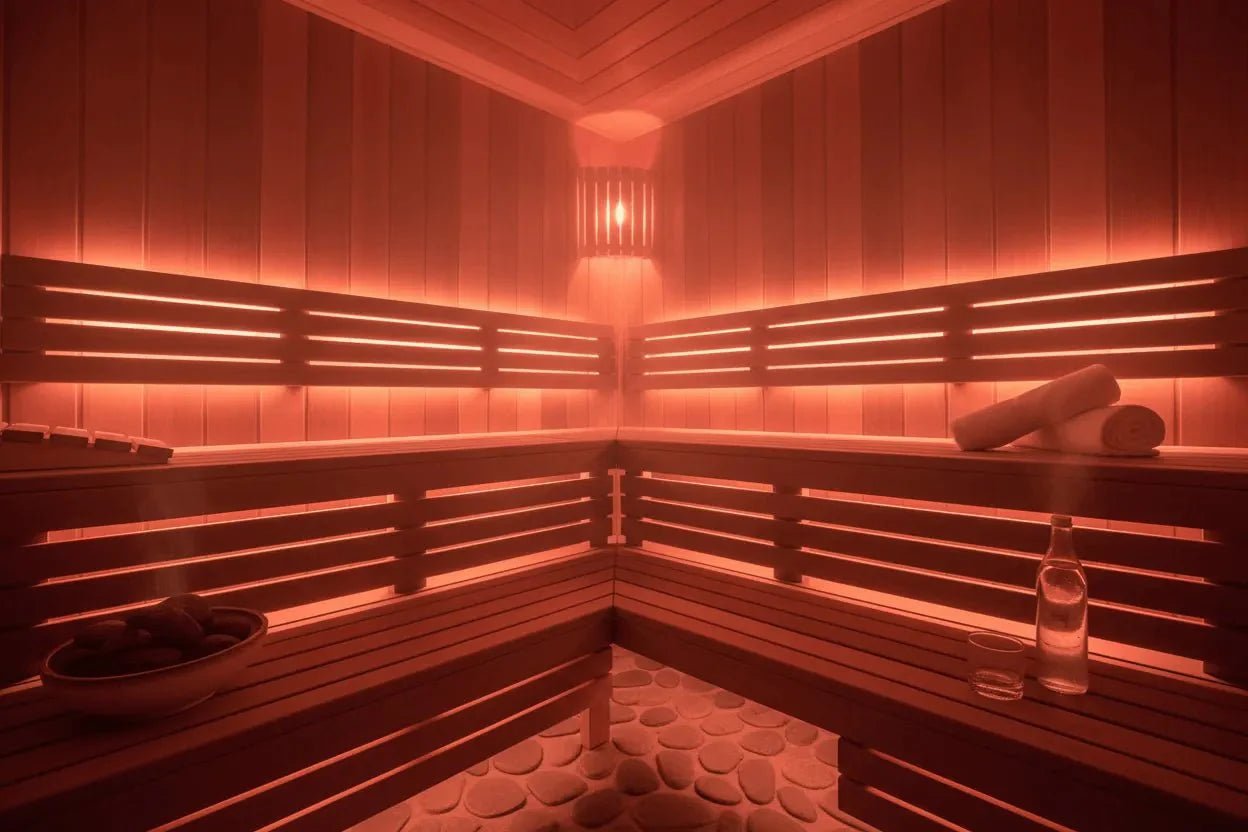
Many wellness routines combine sauna and cold plunge, often called contrast therapy. The idea is to alternate heat and cold exposure to create a structured recovery ritual.
For some users, this may feel invigorating and restorative. However, moving between heat and cold also creates cardiovascular changes. If you have heart or blood pressure concerns, get medical clearance before trying contrast therapy.
If you are comparing heat and cold recovery tools, these Wellari resources may help:
- Shop All Cold Therapy
- Explore Saunas for Relaxation & Wellness Support
- Infrared & Full-Spectrum Sauna Buyer’s Guide
- Design Your Dream Home Wellness Room: A Complete Guide
Learn More About Recovery and Home Wellness
If you are building a recovery-focused home wellness space, these additional Wellari resources may help you compare cold therapy, sauna, red light, and wellness room design:
- Cold Therapy Collection
- Saunas for Relaxation & Wellness Support
- Infrared & Full-Spectrum Sauna Buyer’s Guide
- Red Light & Near-Infrared Buyer’s Guide
- Red Light Therapy Showdown: Panels vs. Beds vs. Wearables
- Design Your Dream Home Wellness Room: A Complete Guide
What to Track During a Cold Plunge Routine
Cold therapy should be guided by how your body responds, not by social media challenges or extreme routines. Track simple signals before and after each session.
Helpful things to monitor include:
- Resting heart rate
- Blood pressure, if recommended by your healthcare provider
- Breathing control during entry
- How quickly you warm back up
- Energy level after the session
- Sleep quality that night
- Any dizziness, chest discomfort, numbness, or unusual fatigue
If your symptoms worsen, your recovery feels delayed, or your body feels overstressed, reduce the duration, raise the water temperature, increase rest days, or stop completely until you speak with a healthcare professional.
Holding a chosen water temperature rather than defaulting to the coldest possible setting is an equipment question; Wellari lists those units under cold plunge chillers.
Authority Resources on Cold Water Immersion Safety
For additional medical and safety context, review these outside resources:
- American Heart Association: Cold Water Plunge Risks
- Cleveland Clinic: What to Know About Cold Plunges
- Journal of Physiology / PMC: Autonomic Conflict in Cold Water Immersion
- Mayo Clinic Health System: Cold Plunge After Workouts
FAQ: Cold Plunge Safety and Heart Health
Are cold plunges safe for everyone?
No. Cold plunges are not safe for everyone. People with high blood pressure, heart disease, arrhythmias, circulation issues, fainting history, pregnancy, or other medical concerns should speak with a healthcare professional before starting cold water immersion.
Can cold plunges raise blood pressure?
Yes. Cold water can cause blood vessels to constrict, which may temporarily raise blood pressure and increase cardiovascular workload. This is one reason people with hypertension or heart risk factors should get medical guidance first.
How long should a beginner stay in a cold plunge?
Many beginners start with very short sessions, such as 30 seconds to 2 minutes, at a manageable temperature. Longer sessions should only be added gradually and only if your body responds well.
Should I put my head under water during a cold plunge?
Beginners should generally keep the head above water. Breath-holding and face submersion can increase risk, especially during the cold shock phase.
Can cold plunging improve recovery?
Cold plunging may support post-exercise recovery routines and may temporarily reduce feelings of soreness for some people. It should not be described as a treatment for injury, inflammation, cardiovascular disease, or any medical condition.
Is cold plunge better before or after sauna?
Some people use cold plunge after sauna as part of contrast therapy. However, heat-to-cold transitions can affect heart rate and blood pressure. People with cardiovascular concerns should get medical clearance before combining sauna and cold plunge.
Final Takeaway
Cold plunging can be a powerful wellness practice, but it should be approached carefully. The same cold exposure that feels energizing for one person may create unnecessary risk for someone with heart, blood pressure, or circulation concerns.
The safest approach is simple: get medical clearance when appropriate, start slowly, avoid extreme temperatures, control your breathing, track your response, and stop if your body sends warning signs.
Explore Wellari’s cold therapy collection to compare recovery-focused cold therapy options for your home wellness space.
Medical disclaimer: This article is for educational purposes only and is not medical advice. Wellari Wellness products are intended for general wellness use only and are not intended to diagnose, treat, cure, or prevent any disease. Always consult a qualified healthcare professional before starting cold plunging, contrast therapy, sauna use, or any heat/cold wellness routine, especially if you have a medical condition.