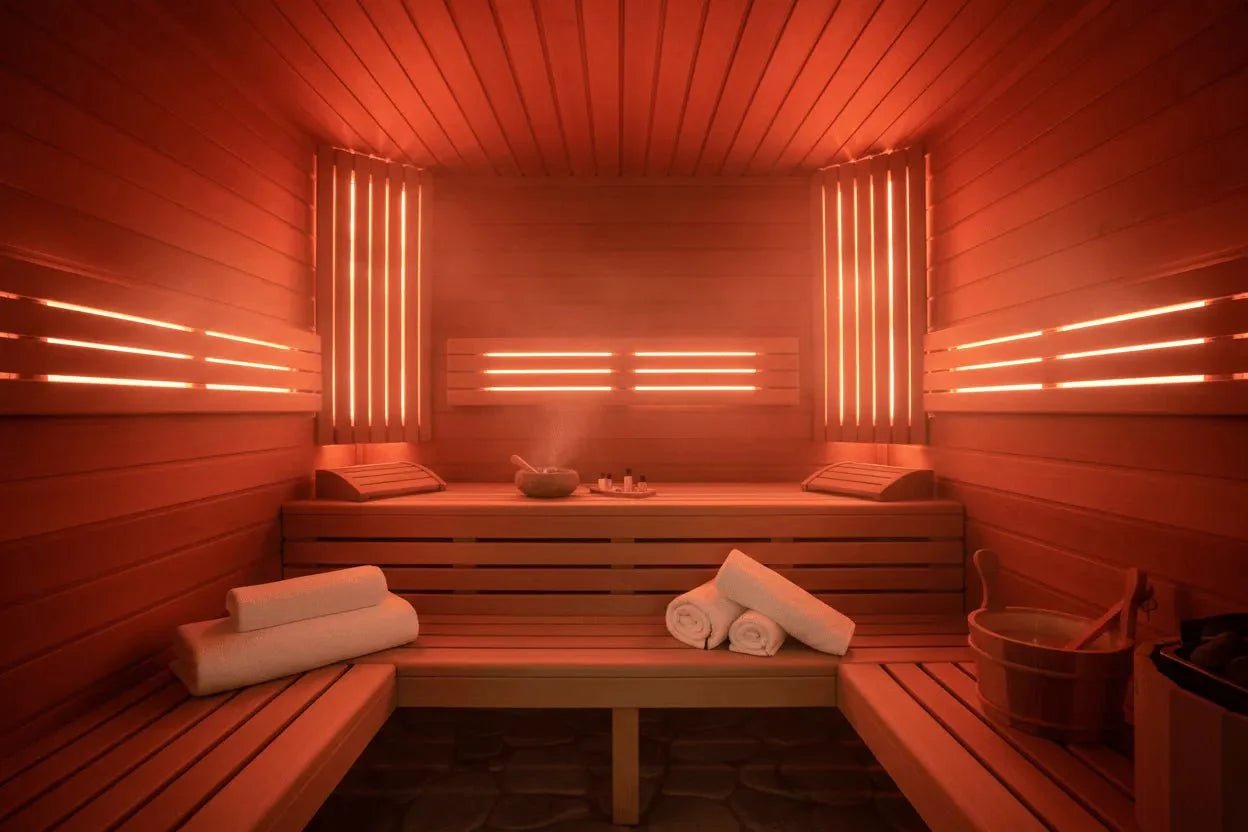
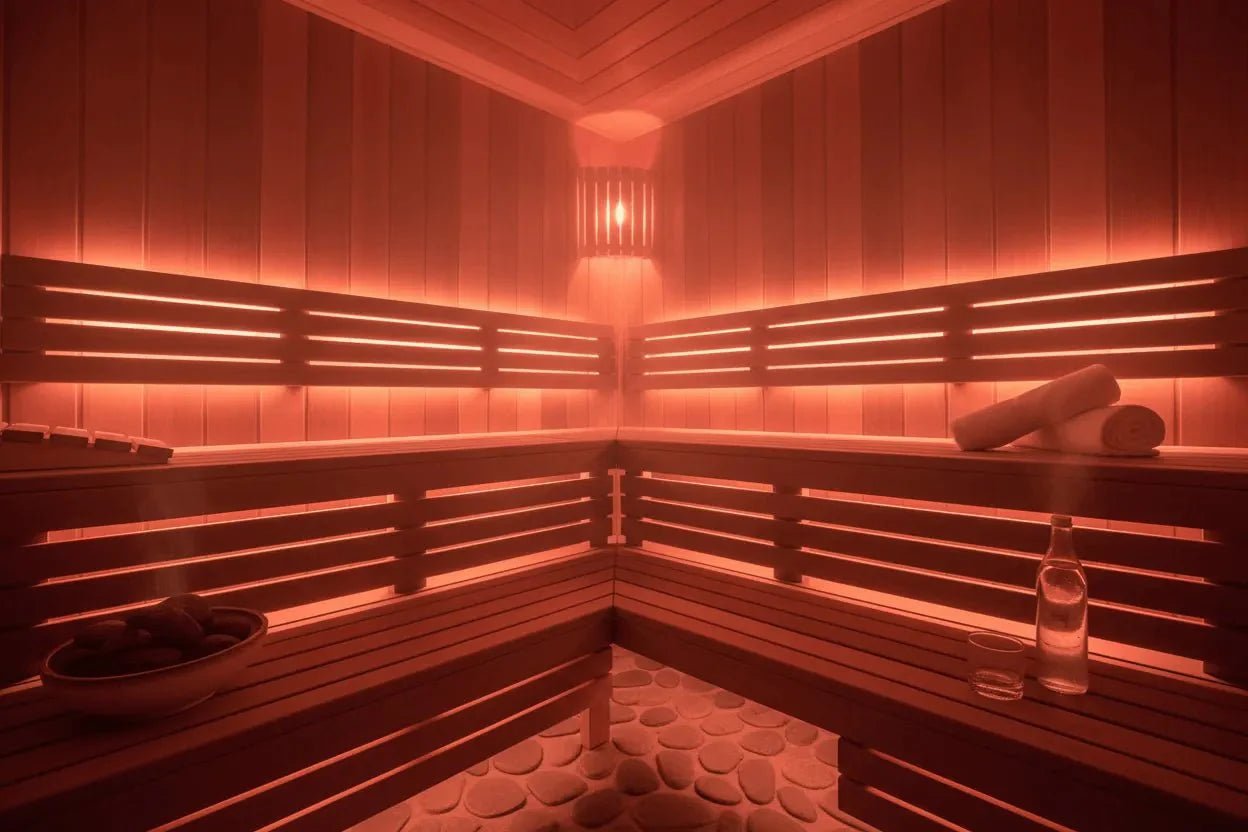
The Guide to Infrared Saunas for Environmental Wellness Support
The key is understanding what sauna can reasonably support — and what it should not be expected to do on its own.
At Wellari Wellness, we recommend treating infrared sauna as part of a broader wellness environment, not as a diagnosis, treatment, or cure for Chronic Inflammatory Response Syndrome, CIRS, or any medical condition. Anyone with suspected Environmental impurities / Airborne irritants / Indoor climate factors should work with a qualified healthcare professional before starting heat therapy, binders, supplements, or detox protocols.
That said, sauna bathing has been studied for its effects on sweating, circulation, cardiovascular response, relaxation, and toxicant excretion. For people building a home recovery space, choosing the right sauna type, EMF profile, heat tolerance, and session structure matters.
Why Environmental impurities / Airborne irritants / Indoor climate factors Can Be Complicated
Environmental impurities / Airborne irritants / Indoor climate factors may involve mycotoxins, respiratory irritation, inflammatory responses, and individual sensitivity differences. Some people also discuss CIRS, a complex condition associated with immune and inflammatory responses after exposure to water-damaged buildings or biotoxins.
The most important point is this: Environmental impurities / Airborne irritants / Indoor climate factors No sauna, supplement, or wellness device can compensate for an ongoing mold source in the home, office, or vehicle.
Once exposure is addressed, some people explore supportive practices such as hydration, sleep, nutrition, practitioner-guided binders, lymphatic movement, gentle exercise, and sweat-based therapies like infrared sauna.
How Infrared Sauna Supports Sweating and Circulation
Traditional saunas heat the air around you. Infrared saunas use radiant heat to warm the body more directly, often at lower air temperatures than conventional dry saunas. This can make infrared sauna more comfortable for people who want a gentler heat experience.
Infrared sauna may support:
- Relaxation and stress reduction
- Temporary increase in sweating
- Healthy circulation during heat exposure
- Post-activity muscle relaxation
- A consistent home wellness routine
Because sweat is one pathway the body uses to eliminate certain compounds, sauna is often discussed in detox conversations. Research has detected some toxicants in sweat, though the evidence varies by compound and should not be overstated. A review published in the Journal of Environmental and Public Health discussed sweating as one possible route of excretion for certain toxic elements.
What the Research Says About Sweat and Toxicants
Research has found that induced sweating may help excrete some substances through the skin. Other published research has reviewed sauna use and toxicant excretion, but the evidence is not equal for every compound, exposure type, or health condition.
For Environmental impurities / Airborne irritants / Indoor climate factors such as ochratoxin A, the evidence should be framed carefully. Ochratoxin A has been studied as a mycotoxin of health concern, particularly because of its potential kidney and immune effects. You can review more background on ochratoxin A in this human health risk review.
However, sauna should not be presented as a proven standalone treatment for ochratoxin exposure, mold toxicity, CIRS, or mold illness. A more accurate way to say it is this: infrared sauna may support sweating, and sweating may be one route of elimination for certain compounds. More research is needed before making strong mold-detox claims.
Full-Spectrum vs. Far Infrared Sauna
When shopping for a sauna, you will usually see three infrared categories:
- Near infrared: Shorter wavelength, often discussed for light-based cellular wellness support.
- Mid infrared: Commonly associated with deeper warming and circulation support.
- Far infrared: Often used in traditional infrared sauna cabins for comfortable radiant heat and sweating.
A full-spectrum infrared sauna includes near, mid, and far infrared technology. A near-zero or ultra-low EMF infrared sauna focuses on radiant heat while minimizing electrical field exposure through heater and wiring design.
For many home users, the best choice depends less on aggressive detox claims and more on practical needs: space, budget, temperature tolerance, EMF preference, wood type, heater layout, and whether you want far infrared only or full-spectrum technology.
Learn More About Infrared Wellness
If you're researching Environmental impurities / Airborne irritants / Indoor climate factors wellness spaces or considering adding infrared technology to your home, these additional Wellari resources may help:
- Infrared & Full-Spectrum Sauna Buyer’s Guide
- Explore Near Zero & Ultra Low EMF Infrared Saunas
- Red Light & Near-Infrared Buyer’s Guide
- Design Your Dream Home Wellness Room: A Complete Guide
- Saunas for Relaxation & Wellness Support
Why Low-EMF Design Matters
Many people looking into sauna for mold-sensitive wellness routines also prefer low-EMF or near-zero EMF construction. While EMF sensitivity is debated and varies by person, choosing a sauna with transparent EMF specifications can provide peace of mind.
If you are still comparing sauna technologies, our guide on full-spectrum versus far infrared saunas explains how wavelength differences may influence comfort, heating style, and wellness goals. Many homeowners also prioritize low-interference environments, which is why our article on the benefits of low-EMF saunas can be helpful when reviewing product specifications.
Wellari carries sauna options designed for low-interference home wellness environments, including compact 1-person models, 2-person full-spectrum saunas, and larger family-size cabins.
Related Wellari sauna options:
- Cardoba 2-Person Full Spectrum Near Zero EMF Sauna
- Avila Elite 1-Person Ultra Low EMF FAR Infrared Sauna
- Santiago Elite 2-Person Ultra Low EMF FAR Infrared Sauna
- Monaco 6-Person Near Zero EMF Infrared Sauna
How to Use Infrared Sauna More Safely
If you are new to infrared sauna or are sensitive to heat, start slowly. More heat is not always better.
- Start with shorter sessions, such as 10–15 minutes.
- Use lower temperatures until you understand your tolerance.
- Hydrate before and after each session.
- Replace electrolytes when sweating heavily.
- Shower after sweating to rinse the skin.
- Stop if you feel dizzy, weak, nauseated, or unusually fatigued.
- Speak with a healthcare professional if you are pregnant, have cardiovascular concerns, take heat-sensitive medications, or are managing a complex illness.
People working with a practitioner on mold exposure, CIRS, or binders should follow that practitioner’s guidance. Sauna may support sweating, but it should not replace medical evaluation, environmental testing, remediation, or professional care.
Best Infrared Sauna Features for Environmental impurities / Airborne irritants / Indoor climate factors Wellness Spaces
When comparing infrared saunas, look for:
- Low-EMF or near-zero EMF heater design
- Clear infrared type: far infrared or full spectrum
- Comfortable temperature range
- Even heater placement
- Low-odor wood and materials
- Easy ventilation after use
- Size that fits your space and routine
- Transparent product specifications
For a deeper buying overview, visit Wellari’s Infrared & Full-Spectrum Sauna Buyer’s Guide.
Building a Complete Home Wellness Routine
Infrared sauna often becomes part of a broader wellness strategy that may include movement, recovery tools, red light therapy, hydration, sleep, and stress management. To further explore home wellness technologies, visit our guides on cellular wellness and red light therapy and building a dedicated wellness room at home.
If you are deciding between products, our guide on how to choose an infrared sauna can help you compare sauna size, heater type, EMF levels, installation space, and the features that matter most for daily use.
FAQ: Infrared Sauna, Environmental impurities / Airborne irritants / Indoor climate factors and Home Wellness
Can infrared sauna detox Environmental impurities / Airborne irritants / Indoor climate factors from the body?
Infrared sauna may support sweating, and sweating is one natural elimination pathway. However, sauna should not be described as a guaranteed Environmental impurities / Airborne irritants / Indoor climate factors detox treatment or cure. Environmental impurities / Airborne irritants / Indoor climate factors recovery should begin with exposure removal and professional guidance.
Is full-spectrum infrared better than far infrared?
Full-spectrum saunas include near, mid, and far infrared wavelengths, while far infrared saunas focus primarily on radiant heat and sweating. The better choice depends on your goals, budget, space, and heat tolerance.
Should I use binders with sauna?
Some practitioners recommend binders in mold-related protocols, but this should be managed by a qualified healthcare professional. Do not start binders or detox protocols without guidance if you have medical concerns.
What temperature should I start with?
Many beginners do best starting at a lower temperature and shorter session length. A conservative starting point may be 10–15 minutes at a comfortable heat level, then gradually adjusting based on tolerance.
Are Wellari saunas medical devices?
No. Wellari Wellness products are intended for general wellness, relaxation, and lifestyle support. They are not intended to diagnose, treat, cure, or prevent disease.
Final Takeaway
Infrared sauna can be a useful part of a wellness routine for people interested in sweating, relaxation, circulation support, and recovery-focused home environments. For Environmental impurities / Airborne irritants / Indoor climate factors sensitive individuals.
Explore Wellari’s sauna collection, compare full-spectrum infrared saunas, or review near-zero EMF infrared sauna options to find the right fit for your home wellness space.
Medical disclaimer: This article is for educational purposes only and is not medical advice. Wellari Wellness products are intended for general wellness use only and are not intended to diagnose, treat, cure, or prevent any disease. Always consult a qualified healthcare professional before starting sauna therapy, detox protocols, binders, or heat-based wellness routines, especially if you have a medical condition.