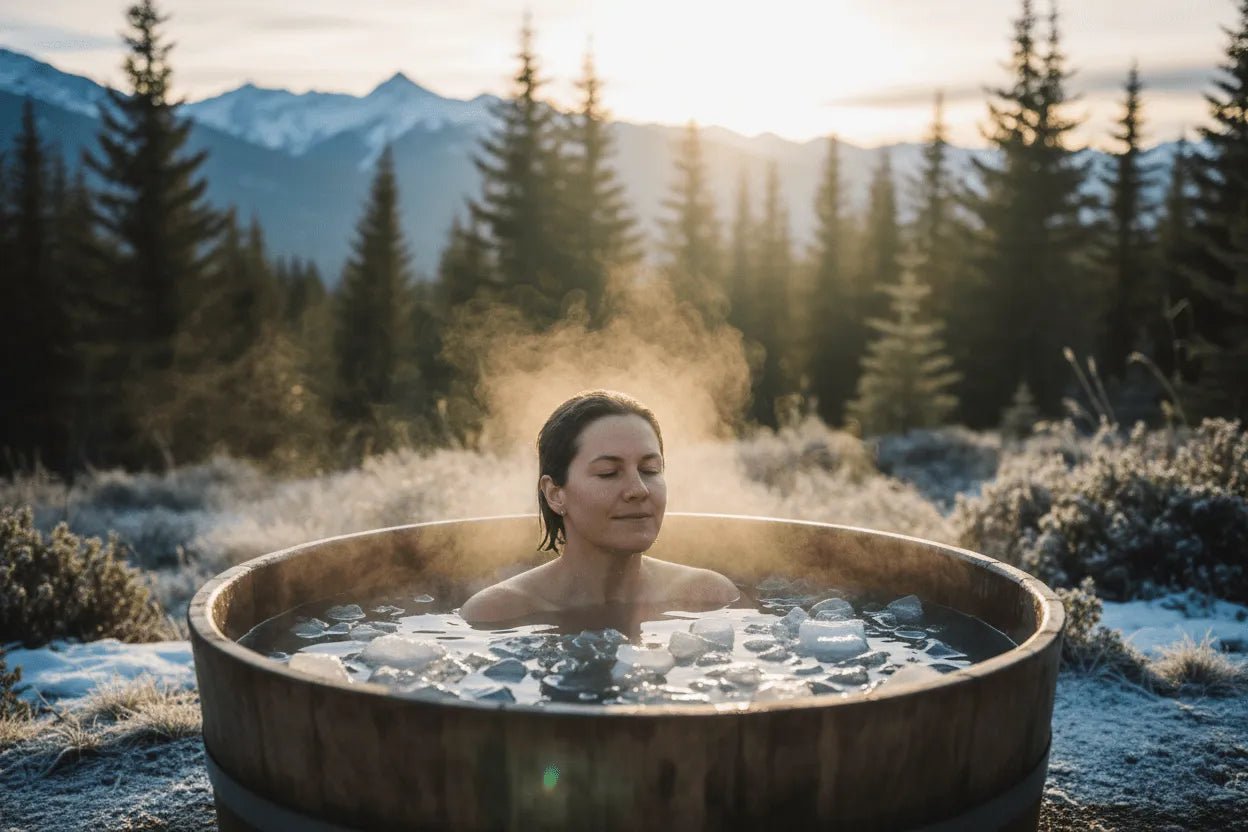

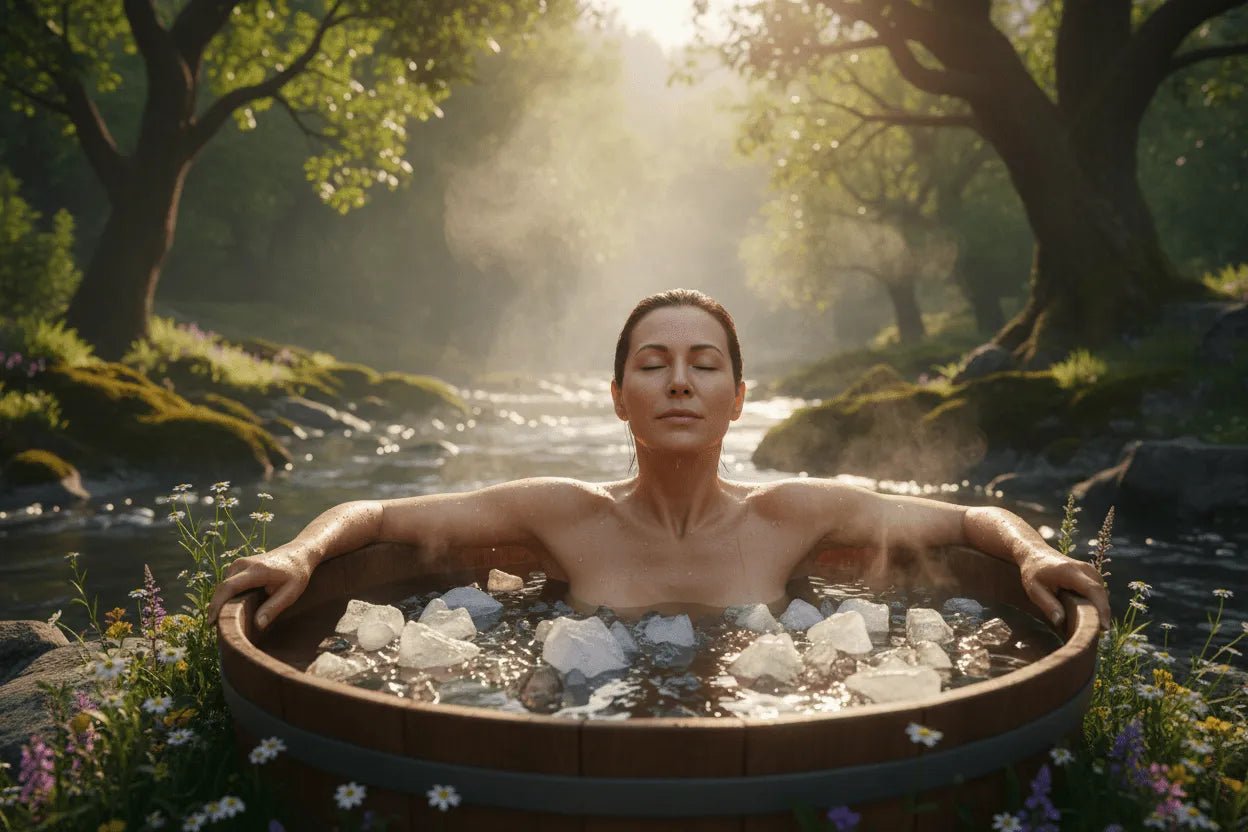
Cold Plunge Protocols for Women: Why Your Temperature Setting Matters More Than Men’s
Cold plunging has become one of the biggest trends in recovery and home wellness, but much of the advice online still promotes a one-size-fits-all “colder is better” mindset. For many women, that approach may be too aggressive, especially when daily stress, sleep, menstrual cycle phase, training load, thyroid concerns, or cardiovascular sensitivity are part of the picture.
A smarter women’s cold plunge protocol starts with one simple idea: temperature matters more than toughness. The goal is not to prove how long you can tolerate ice water. The goal is to use cold-water immersion as a controlled wellness tool that supports recovery, circulation, mood, and resilience without overwhelming the nervous system.
Wellari products are intended for general wellness purposes only and are not medical devices. This article is educational and should not replace medical advice. Always consult a healthcare professional before beginning cold-water immersion, especially if you are pregnant, have cardiovascular concerns, Raynaud’s, thyroid issues, fainting history, blood pressure concerns, or other medical conditions.
Why Women May Need a Different Cold Plunge Protocol
Women and men can both benefit from cold exposure, but the ideal dose may not be the same. Body size, body composition, hormonal fluctuations, stress load, and temperature regulation can all influence how intense cold feels and how well the body recovers afterward.
Instead of copying extreme ice bath protocols in the 35–40°F range, many women may do better starting with a more moderate cold plunge temperature, often around 50–60°F, for shorter sessions. This range can still feel cold enough to create a meaningful stimulus while being easier to control and repeat consistently.
For a broader cold therapy overview, visit Wellari’s Cold Therapy collection.
The Problem With “Colder Is Better” Cold Plunge Advice
Cold exposure is a hormetic stressor. That means a small, well-managed stress can help the body adapt, but too much stress can work against the goal. When the water is too cold, the session is too long, or the body is already under stress, the experience may feel more draining than restorative.
Signs your cold plunge may be too aggressive include:
- Feeling exhausted instead of refreshed afterward
- Shivering for a long time after exiting
- Poor sleep later that night
- Feeling wired, anxious, or overstimulated
- Numbness, pain, dizziness, or lightheadedness
- Delayed recovery after workouts
If those signs appear, the answer is usually not to “push through.” It is to make the protocol warmer, shorter, less frequent, or to pause until your body is ready.
Best Cold Plunge Temperature for Women: Start Moderate
For many women, a sustainable starting point is:
- Beginner: 58–60°F for 30–90 seconds
- Intermediate: 52–57°F for 1–3 minutes
- Advanced: 45–52°F for short, intentional sessions
Near-freezing water is not required for most home wellness routines. A consistent, moderate routine is often more realistic than occasional extreme exposure. The best cold plunge temperature is the one you can tolerate safely, recover from well, and repeat without disrupting sleep, mood, or energy.
For home cold-water immersion setups, explore Wellari’s Cold Plunge & Immersion Systems.
Cycle-Aware Cold Plunge Timing
Women may notice that cold tolerance changes throughout the month. While research is still developing, many women find it useful to adjust cold plunge intensity based on energy, sleep, stress, and menstrual cycle phase.
Follicular Phase
The follicular phase often feels like a better time for slightly colder or longer sessions because energy and recovery may feel more stable. This may be the best window to experiment carefully with cooler temperatures, provided your body responds well.
Ovulation
Around ovulation, some women feel strong and resilient, while others feel more sensitive. Keep the session controlled and use breathing, heart rate, and comfort as your guide.
Luteal Phase
During the luteal phase, resting body temperature may be higher and stress tolerance may feel different. This is often a good time to use a warmer cold plunge setting, such as 55–60°F, with a shorter duration.
Menstruation
During menstruation, cold plunging should be gentle and optional. If cramps, fatigue, low energy, or discomfort are present, a short cool shower or a warmer plunge may be more appropriate than full cold immersion.
Cold Plunge After Workouts: Recovery Without Overdoing It
Cold plunges are often used after intense exercise because cold exposure may help with soreness and perceived recovery. However, colder and longer is not always better. If your goal is muscle growth, using intense cold immediately after every strength session may not be ideal for everyone.
A practical approach:
- Use cold plunges after intense endurance, HIIT, or heavy lower-body sessions when soreness is the main concern.
- Use warmer or shorter plunges after strength training if muscle-building is the priority.
- Avoid cold plunging when you are already depleted, under-fueled, or sleep-deprived.
For a deeper recovery comparison, read Wellari’s guide: Cold Shower vs Cold Plunge: Which Is Better for Recovery & Longevity?
Contrast Therapy: Sauna + Cold Plunge for a More Balanced Routine
Some women prefer contrast therapy because the heat portion helps the body feel prepared before entering cold water. Alternating heat and cold may feel more balanced than a standalone ice bath, especially for those who are sensitive to cold shock.
A simple contrast routine may look like:
- 10–15 minutes sauna or warm exposure
- 30–90 seconds cold plunge
- Rest and breathe until fully steady
- Repeat 1–3 rounds depending on experience
Learn more in Wellari’s guide: Cold Therapy vs Contrast Therapy: Which Is Best for Your Recovery?
You can also explore Wellari’s Infrared Saunas to build a heat-and-cold recovery space.
Recommended Cold Plunge Options for Home Use
The best cold plunge setup depends on your space, budget, and how often you plan to use it.
Portable Cold Plunge Option
For flexible home setups, the Dynamic Inflatable Oval Portable Cold Plunge is a practical option for users who want an XL footprint without a permanent installation.
Premium Upright Cold Plunge Option
For a more spa-like setup, the Dynamic Cedar Barrel Spa Insulated Plastic Cold Plunge offers vertical immersion, an integrated seat, and a refined cedar exterior.
If you are designing a larger recovery room, read: Design Your Dream Home Wellness Room.
Cold Plunge Safety Tips for Women
- Start warmer than you think you need.
- Keep early sessions short.
- Never plunge alone if you are new or using very cold water.
- Do not submerge your head unless trained and medically cleared.
- Exit immediately if you feel dizzy, faint, numb, confused, or unusually short of breath.
- Rewarm gradually with dry clothing and light movement.
- Avoid cold plunging after alcohol use.
- Consult a healthcare professional if you have cardiovascular, blood pressure, pregnancy, thyroid, Raynaud’s, or circulation concerns.
A Simple Women’s Cold Plunge Protocol
Use this as a general starting framework, not a medical prescription:
Week 1–2: Acclimation
- Temperature: 58–60°F
- Duration: 30–60 seconds
- Frequency: 2–3 times per week
- Goal: Calm breathing and controlled exit
Week 3–4: Build Consistency
- Temperature: 54–58°F
- Duration: 1–2 minutes
- Frequency: 2–4 times per week
- Goal: Feel refreshed, not depleted
Advanced Routine
- Temperature: 45–54°F
- Duration: 1–3 minutes
- Frequency: Based on recovery and tolerance
- Goal: Intentional cold exposure without lingering stress symptoms
Track your sleep, mood, energy, training recovery, cycle phase, and post-plunge response. If your body feels worse, make the plunge warmer or shorter.
FAQ: Cold Plunge Protocols for Women
What is the best cold plunge temperature for women?
Many women may prefer starting around 55–60°F, especially if they are new to cold therapy. More experienced users may gradually move colder, but extreme ice bath temperatures are not required for a beneficial routine.
How long should a woman cold plunge?
Beginners can start with 30–90 seconds. Many routines stay within 1–3 minutes. Longer sessions are not automatically better and may increase stress if recovery is poor.
Should women cold plunge during their period?
It depends on comfort, energy, and symptoms. Some women prefer gentle cold exposure, while others skip plunging during menstruation. If cramps, fatigue, or discomfort are high, use a warmer setting or pause.
Is 40°F too cold for women?
For many home wellness users, 40°F may be unnecessarily intense. A warmer range, such as 50–60°F, is often more sustainable and easier to recover from.
Can cold plunging affect hormones?
Cold exposure is a stressor, and stress responses can interact with the nervous and endocrine systems. The safest approach is to use the minimum effective dose and avoid routines that leave you exhausted, wired, or sleep-disrupted.
Should I cold plunge before or after a workout?
Cold plunging after intense training may help with soreness and perceived recovery. Before training, cold exposure should be brief and used carefully because it may temporarily affect muscle function or comfort.
Is contrast therapy better than cold plunge alone?
Some people find sauna and cold plunge cycles easier to tolerate than cold exposure alone. Contrast therapy may be a good option if you want a more balanced hot-cold recovery routine.
References & Further Reading
- American Heart Association: Cold water immersion risks
- NIH / PMC: Health effects of voluntary cold-water exposure
- PubMed: Thermoregulatory responses between men and women during cold-water immersion
- PubMed: Gender differences in short-term cold exposure response
Final Takeaway
For women, the best cold plunge protocol is not the coldest one. It is the one your body can recover from. Start moderate, adjust by cycle phase and stress load, keep sessions short, and use your post-plunge energy as the real measure of success.
Explore Wellari’s Cold Therapy collection to compare cold plunge tubs, chillers, and recovery-focused immersion systems.