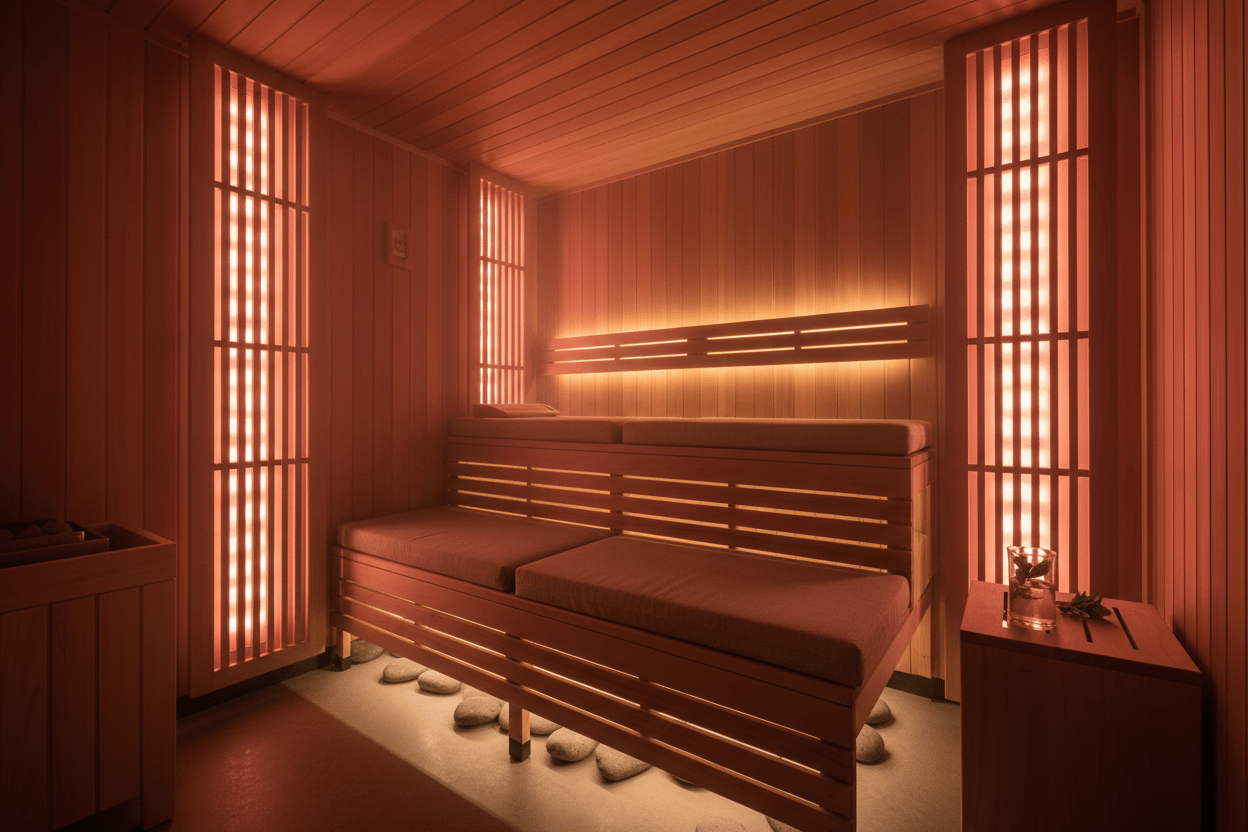
Whole-Body Vibration, Infrared Heat, and the Vagus Nerve: What the Research Really Says
“Vagus nerve reset” has become a popular phrase in wellness, but the science is more nuanced than a seven-minute promise. Whole-body vibration and infrared heat may support relaxation, circulation, recovery, and short-term changes in heart-rate variability under some conditions. This guide explains what is known, what remains uncertain, how these modalities differ from medical vagus nerve stimulation, and how to use wellness equipment more safely.
Reviewed and updated: July 17, 2026 | Reading time: Approximately 16 minutes
Quick Answer
Whole-body vibration and infrared sauna exposure may influence autonomic nervous system activity, but neither has been proven to “reset” the vagus nerve. Research suggests that vibration can alter heart-rate variability and that sauna recovery may shift autonomic balance toward greater parasympathetic activity in some settings. Results vary by dose, population, timing, and individual health.
These tools should be viewed as relaxation and recovery modalities—not replacements for medical treatment, psychotherapy, sleep, movement, or prescribed vagus nerve stimulation.
What the Vagus Nerve Does
The vagus nerve is the tenth cranial nerve and a major communication pathway between the brainstem and organs in the chest and abdomen. It carries both sensory and motor signals and participates in heart-rate regulation, digestion, breathing, swallowing, and aspects of the parasympathetic nervous system.
The parasympathetic system is often described as “rest and digest,” but that phrase is only a simplification. Autonomic regulation is dynamic: sympathetic and parasympathetic activity can rise and fall together or separately depending on posture, breathing, temperature, exercise, illness, stress, hydration, sleep, and many other factors.
Medical vagus nerve stimulation uses implanted or noninvasive devices designed to stimulate specific nerve pathways for defined clinical purposes. Consumer vibration plates and infrared saunas do not deliver the same intervention.
Important Distinction
Relaxation, warmth, slower breathing, and changes in HRV may be associated with parasympathetic activity, but they do not prove that the vagus nerve has been “toned,” “healed,” or “reset.”
What Does “Vagus Nerve Reset” Mean?
“Vagus nerve reset” is not a standard medical diagnosis or validated treatment endpoint. In consumer wellness content, it usually refers to practices intended to help a person feel calmer, recover from stress, or transition toward a more restful state.
Common bottom-up relaxation methods include slow breathing, gentle rhythmic movement, warmth, progressive muscle relaxation, music, humming, massage, and whole-body vibration at tolerable settings.
These approaches may influence attention, breathing, muscle tension, cardiovascular responses, or subjective calm. The effects are not identical from one person to another, and no single technique is guaranteed to regulate chronic stress.
Whole-Body Vibration and the Autonomic Nervous System
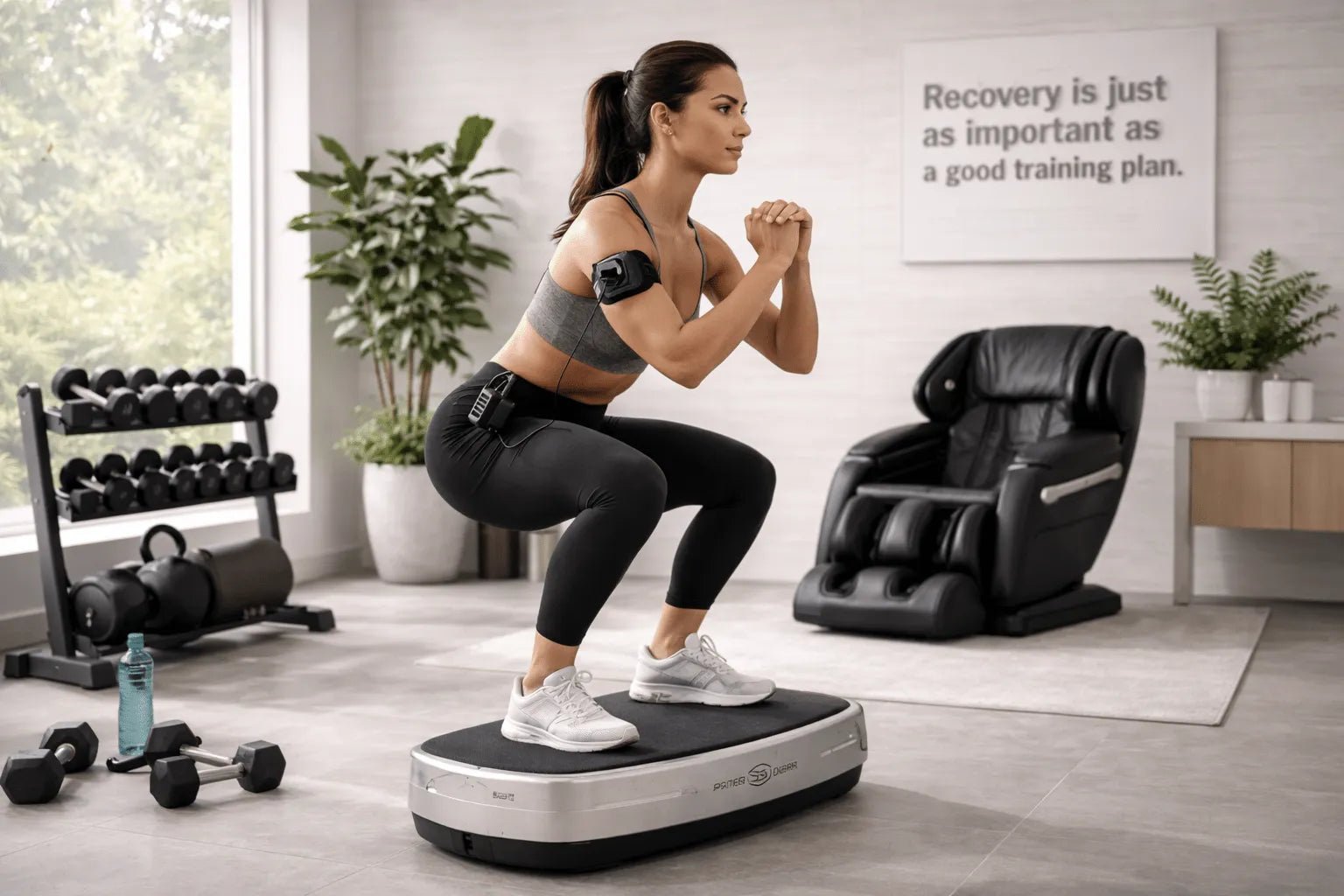
Whole-body vibration (WBV) transmits mechanical oscillation through the feet, seat, hands, or another contact surface. Research has studied WBV for muscle activation, balance, strength, circulation, mobility, rehabilitation, and autonomic responses.
A 2019 review of WBV and heart-rate variability concluded that vibration training may influence autonomic function, but protocols differed substantially. A 2024 crossover study examining 5–35 Hz acute WBV also reported changes in HRV and brain excitability, reinforcing that frequency, duration, posture, and intensity matter.
The evidence does not support one universal “parasympathetic frequency.” Claims that 3–20 Hz is always calming or that 10 Hz directly stimulates the vagus nerve overstate the research.
Variables That Change the WBV Response
- Frequency and amplitude
- Vertical, pivotal, or multidirectional motion
- Standing, seated, supported, or exercise posture
- Knee flexion and contact area
- Session duration
- Training status, age, and health conditions
- Whether the session is passive or combined with exercise
- Timing relative to exercise, meals, caffeine, and sleep
| Potential Use | What WBV May Support | What It Has Not Proven |
|---|---|---|
| Relaxation routine | Rhythmic sensory input and a structured pause | A guaranteed vagus nerve reset |
| Movement preparation | Muscle activation, warm-up, and mobility support | Replacement for progressive exercise |
| Balance practice | Neuromuscular challenge when used appropriately | Fall prevention for every user without supervision |
| Recovery session | Low-impact movement and perceived looseness | Treatment of anxiety, trauma, or autonomic disease |
| HRV experiment | Short-term changes in some studies | A stable increase in “vagal tone” for every person |
Explore Wellari’s whole-body vibration plates, including the compact VibePlate Mini, the PreCon3 mobility-prep platform, and the VibeStretch assisted mobility platform.
Infrared Heat, Sauna Recovery, and Heart-Rate Variability
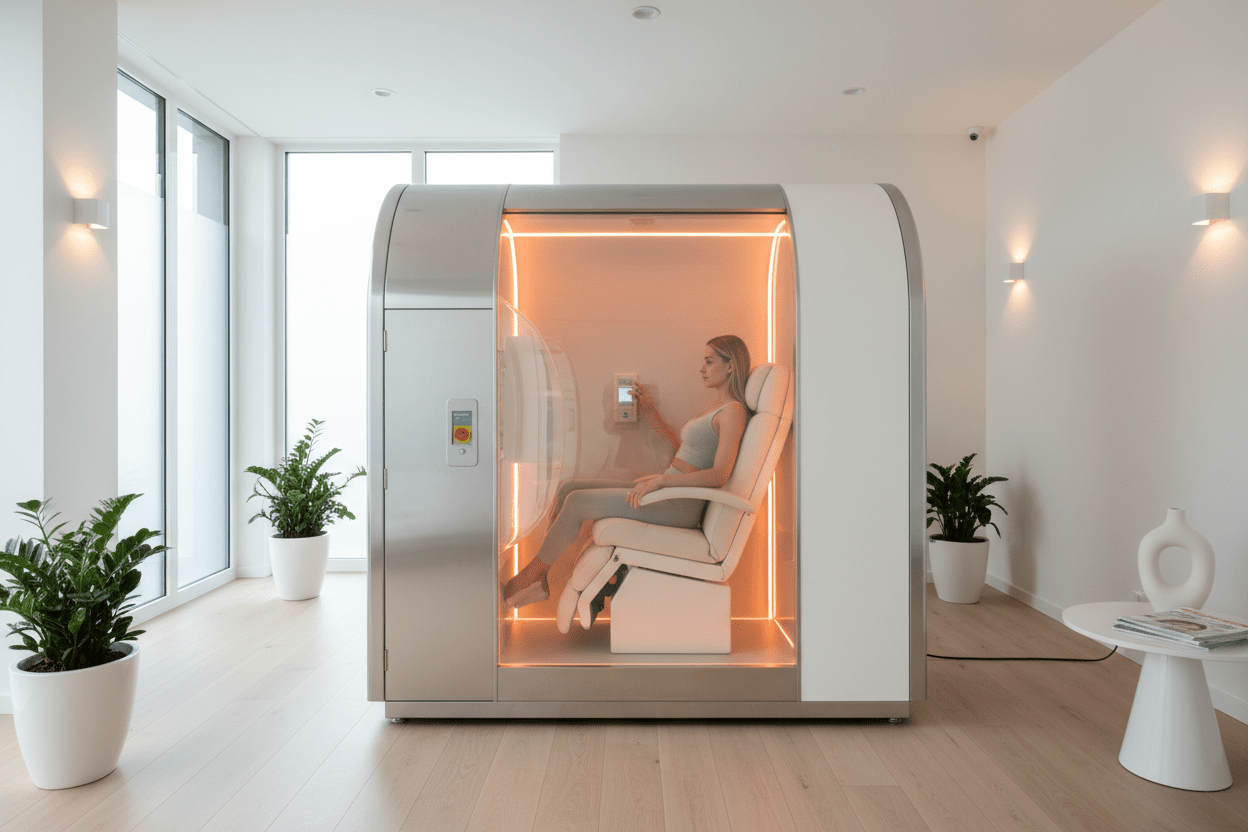
Infrared saunas heat the body using infrared-emitting elements rather than relying entirely on hot air. The experience still creates thermal stress: skin temperature rises, circulation changes, sweating may increase, and heart rate commonly rises during exposure.
That means sauna is not simply a passive parasympathetic state while the person is heating. In one study of sauna bathing, heart rate increased during the session, while HRV rose during the cooling period afterward—suggesting greater parasympathetic influence during recovery.
Research on infrared sauna and autonomic recovery is mixed. A 2022 study after maximal exercise found some support for autonomic recovery but also noted that infrared sauna could delay body-temperature recovery and parasympathetic reactivation in firefighters. Another post-exercise trial reported improved recovery outcomes in athletes. Context matters.
What Infrared Heat May Support
- A warm, quiet environment for relaxation
- Temporary increases in skin blood flow
- Post-session feelings of calm or looseness
- A structured transition between activity and rest
- Some recovery outcomes in selected studies
What Infrared Heat Does Not Prove
- Direct stimulation of the vagus nerve
- Deep tissue penetration of 1.5–2 inches as a universal clinical fact
- A “37°C safety threshold” that turns off threat circuits
- Detoxification of undefined toxins
- Treatment of anxiety disorders, trauma, dysautonomia, or cardiovascular disease
Browse Wellari’s far-infrared saunas, full-spectrum infrared saunas, and the Infrared & Full-Spectrum Sauna Buyer’s Guide.
Can Whole-Body Vibration and Infrared Heat Be Combined?
Combining wellness modalities is often called “stacking.” The idea is to create one routine that includes warmth, rhythmic sensory input, stillness, and intentional recovery.
There is not strong clinical evidence showing that vibration plus infrared heat creates a unique, synergistic vagus nerve effect. Any combined benefit should be described as plausible and experiential—not proven.
Possible Advantages
- Convenient single recovery routine
- Warm muscles may make gentle movement feel easier
- Multiple sensory cues may support subjective relaxation
- Structured transition from activity to rest
Possible Drawbacks
- Heat and vibration can both affect blood pressure and balance
- Stacking makes it harder to identify which modality caused symptoms
- Dehydration and overheating risk can rise
- The combined session may be inappropriate for some health conditions
Sequential Use Is Easier to Control
For many users, it is more conservative to use the modalities sequentially rather than standing on a vibration platform inside a hot sauna. Separate use allows the person to stop, hydrate, reassess symptoms, and avoid unstable equipment placement.
A Conservative Relaxation Protocol
The original draft proposed a seven-minute vagus nerve reset with exact frequencies. That protocol is not clinically validated. A safer approach is to build a gradual routine based on comfort, manufacturer guidance, and medical clearance when needed.
Illustrative 15–25 Minute Routine
This is an educational example, not a medical prescription.
- Check readiness: Avoid the session if dizzy, dehydrated, feverish, acutely ill, or advised not to use heat or vibration.
- Begin with gentle vibration: Use a low, comfortable manufacturer-approved setting for 2–5 minutes while supported and attentive to balance.
- Pause: Sit or stand off the platform for 2 minutes. Notice dizziness, nausea, headache, palpitations, numbness, or unusual discomfort.
- Use infrared heat separately: Begin with a short, lower-temperature session consistent with the sauna manufacturer’s instructions.
- Cool gradually: Sit in a comfortable environment and allow heart rate and temperature to normalize.
- Hydrate: Replace fluids according to thirst, climate, and medical guidance.
- Track the response: Record perceived relaxation, sleep, symptoms, and tolerance instead of chasing a specific HRV number.
Increase only one variable at a time: vibration duration, vibration intensity, sauna temperature, or sauna time.
Heart-Rate Variability: Useful Metric, Easy to Misinterpret
Heart-rate variability describes variation in the time between heartbeats. Some HRV measures are influenced by parasympathetic activity, but HRV is not a direct score of vagus nerve health.
HRV can change with breathing, posture, time of day, sleep, exercise load, alcohol, caffeine, illness, medication, hydration, temperature, device, and recording duration.
A 2024 review emphasized the importance of standardized measurement and the many factors that affect HRV. Compare readings under similar conditions and focus on longer-term trends rather than one post-session spike.
HRV Is Not a Diagnostic Tool by Itself
A consumer wearable cannot diagnose vagus nerve dysfunction, dysautonomia, anxiety disorders, heart disease, or recovery status on its own.
Safety, Contraindications, and When to Ask a Clinician
Whole-body vibration and sauna exposure are not appropriate for everyone. Product manuals and clinician guidance should take priority over generalized wellness routines.
Ask a Qualified Clinician Before Use If You Have:
- Known cardiovascular disease, uncontrolled blood pressure, fainting, or arrhythmia
- Pregnancy
- Recent surgery, fracture, acute injury, or implanted medical hardware
- Seizure disorder or significant neurologic disease
- Severe osteoporosis or high fracture risk
- Active blood clot, bleeding disorder, or anticoagulant concerns
- Kidney disease or fluid-balance restrictions
- Heat intolerance, impaired sweating, or autonomic dysfunction
- Balance problems or high fall risk
- Medication that affects blood pressure, heart rate, alertness, or sweating
Stop the Session If You Experience:
- Chest pain or pressure
- Fainting or severe dizziness
- New palpitations
- Shortness of breath beyond expected heat response
- Confusion, weakness, or severe headache
- Nausea that does not quickly resolve
- Numbness, pain, or joint instability on the vibration platform
Safer Equipment Use
- Follow the exact product manual.
- Begin below maximum time and intensity.
- Use hand support when balance is uncertain.
- Do not use vibration equipment on a wet or unstable floor.
- Avoid alcohol before heat exposure.
- Do not sleep in a sauna or infrared blanket.
- Keep emergency access clear.
- Use supervision when appropriate.
How to Choose Vibration and Infrared Equipment
Whole-Body Vibration Platform Checklist
- Motion type
- Frequency and amplitude ranges
- Platform size and weight capacity
- Handrail or support options
- Low-step access
- Commercial vs. personal duty cycle
- Warranty and service
- Clear contraindications
- Noise and floor vibration
Infrared Sauna Checklist
- Far-infrared vs. full-spectrum design
- Cabin size and electrical requirements
- Maximum temperature and controls
- Ventilation and room placement
- Heater layout
- EMF specifications and testing method
- Wood and cleaning requirements
- Warranty and support
- Delivery and assembly
- Safety certifications
| Goal | Category | Qualification |
|---|---|---|
| Compact home mobility routine | Personal vibration platform | Balance, platform size, and motion type matter |
| Professional warm-up area | Commercial vibration platform | Duty cycle and support structure matter |
| Home heat-based relaxation | Far-infrared sauna | Electrical, space, and medical suitability matter |
| Broader wavelength options | Full-spectrum infrared sauna | “Full spectrum” does not guarantee superior clinical outcomes |
| Stacked recovery room | Separate vibration and sauna stations | Sequence modalities and preserve safe transitions |
Learn more through the Wellari sauna overview, Wellari Wellness standards and sourcing information, and the full Wellari Wellness recovery-equipment catalog.
Illustrative Case Study: Building a Calming Evening Routine
Case type: Illustrative wellness-planning example—not a clinical case or customer outcome.
User: A healthy adult who feels mentally “wired” after work and wants a consistent evening transition.
Goal: Create a relaxing routine without claiming to treat anxiety or autonomic dysfunction.
Starting Plan
- Use two minutes of slow breathing while seated.
- Try three minutes of low, comfortable vibration while holding stable support.
- Pause and assess symptoms.
- Use a short infrared sauna session on a separate day initially.
- Track sleep quality, perceived stress, dizziness, and tolerance.
Adjustment
After several well-tolerated sessions, the user places both modalities in one evening routine but keeps them sequential. The routine ends with cooling, water, and quiet reading.
Planning conclusion: The goal is repeatability and comfort—not maximizing frequency, temperature, duration, or wearable metrics.
Common Vagus Nerve and Recovery Myths
- “One frequency activates the vagus nerve.” No universal calming WBV frequency has been established.
- “A longer HRV reading proves better vagal tone.” HRV is influenced by many factors.
- “Infrared heat penetrates exactly two inches.” Tissue interaction depends on wavelength, power, skin, circulation, and measurement method.
- “Sweating removes toxins.” The liver and kidneys are the primary detoxification organs.
- “More heat creates more relaxation.” Excess heat can increase strain and dehydration.
- “Vibration is passive exercise.” WBV does not replace a complete movement program.
- “Stacking always works better.” Combined modalities have not been proven superior for vagus nerve regulation.
- “Feeling calm means a condition is treated.” Symptom relief and medical treatment are not the same.
Related Wellari Wellness Resources
Frequently Asked Questions
Can whole-body vibration stimulate the vagus nerve?
Whole-body vibration can influence autonomic measurements in some studies, but it has not been established as direct, targeted vagus nerve stimulation.
What frequency is best for vagus nerve stimulation?
No universal WBV frequency has been clinically established for vagus nerve stimulation.
Does infrared sauna activate the parasympathetic nervous system?
Sauna raises heart rate during heat exposure. Some studies show greater parasympathetic influence during recovery, but responses vary.
Can infrared sauna reset the nervous system?
No clinical “reset” has been established. Sauna may support relaxation and recovery for some people.
Can I combine a vibration plate and infrared sauna?
Some users combine them, but sequential use is easier to control. Ask a clinician when health conditions or medications may affect safety.
Is a seven-minute vagus nerve reset proven?
No. A seven-minute vibration-and-heat protocol has not been clinically validated as a vagus nerve reset.
Does vibration improve HRV?
Some studies report changes in HRV, but protocols and results vary.
Does higher HRV always mean better health?
No. HRV must be interpreted in context.
Is far-infrared better than near-infrared for relaxation?
They are different technologies, and evidence does not establish one as universally better.
Does infrared heat penetrate two inches into the body?
Simple fixed-depth claims are misleading. Tissue interaction depends on several variables.
Can vibration treat anxiety?
Whole-body vibration is not an established treatment for anxiety disorders.
Can sauna treat chronic stress?
Sauna may support relaxation, but it is not a substitute for medical or mental-health care.
Who should not use a vibration plate?
People with certain cardiovascular, neurologic, orthopedic, pregnancy, clotting, balance, or implanted-device concerns should seek medical guidance first.
Who should avoid infrared sauna?
People with heat intolerance, unstable cardiovascular conditions, pregnancy, impaired sweating, dehydration risk, or relevant medications should consult a clinician.
How long should a beginner use a vibration plate?
Begin below the maximum time and intensity stated in the manufacturer’s instructions.
How long should a beginner use an infrared sauna?
Start with a shorter, lower-temperature session consistent with the product manual.
Should I use vibration before or after sauna?
There is no proven universal sequence. Gentle vibration before heat may be easier to monitor.
Can I stand on a vibration plate inside a sauna?
This is generally not recommended unless both manufacturers explicitly approve the configuration.
Can a wearable measure vagal tone?
Wearables estimate HRV, but they do not directly measure the vagus nerve.
What is the safest goal for a recovery routine?
A repeatable, comfortable routine that supports relaxation without causing dizziness, overheating, pain, or medical symptoms.
Research, Medical Education, and Further Reading
- Effects of Whole-Body Vibration on Heart Rate Variability
- Modulation of Heart Rate Variability and Brain Excitability Following Acute Whole-Body Vibration
- The Clinical Utility of Whole Body Vibration
- Recovery From Sauna Bathing Favorably Modulates Cardiac Autonomic Nervous System
- Autonomic Nervous System Response to Far-Infrared Sauna Exposure in Firefighters
- Post-Exercise Infrared Sauna and Recovery
- Heart Rate Variability Measurement and Influencing Factors
- Clinical Effects of Regular Dry Sauna Bathing: A Systematic Review
Build a Safer, More Informed Recovery Routine
Wellari Wellness curates whole-body vibration platforms, infrared saunas, and professional recovery technologies with clear educational guidance and real human support.
Explore Vibration Platforms Explore Infrared SaunasWellari Wellness Editorial Note
Wellari Wellness provides wellness and recovery equipment for educational and general wellness purposes. Product features, research findings, contraindications, and manufacturer instructions may change. This article does not diagnose, treat, cure, or prevent disease and is not a substitute for medical care. Speak with a qualified clinician before using vibration or heat therapy if you have a medical condition, take medication, are pregnant, or are unsure whether these modalities are appropriate for you.