
Daily Contrast Therapy: Unleashing Cold Plunge Benefits for Enhanced Recovery
Introduction: Why Contrast Therapy Is Backed by Both Tradition and Science
Contrast therapy — the deliberate alternation between heat and cold — has been used for centuries in athletic recovery, rehabilitation, and wellness traditions around the world. What began as a locker-room ritual is now a well-studied recovery strategy embraced by athletes, high-performers, and longevity-focused individuals.
In modern wellness, contrast therapy isn’t guesswork. It’s a structured approach to circulation support, inflammation management, nervous system balance, and recovery optimization.
This guide explains how contrast therapy works, why cold plunges are a critical component, and how to use contrast protocols safely and effectively for long-term performance and resilience.
What Is Contrast Therapy?
Contrast therapy involves alternating exposure between heat and cold to stimulate vascular and nervous system responses.
Most commonly, this includes:
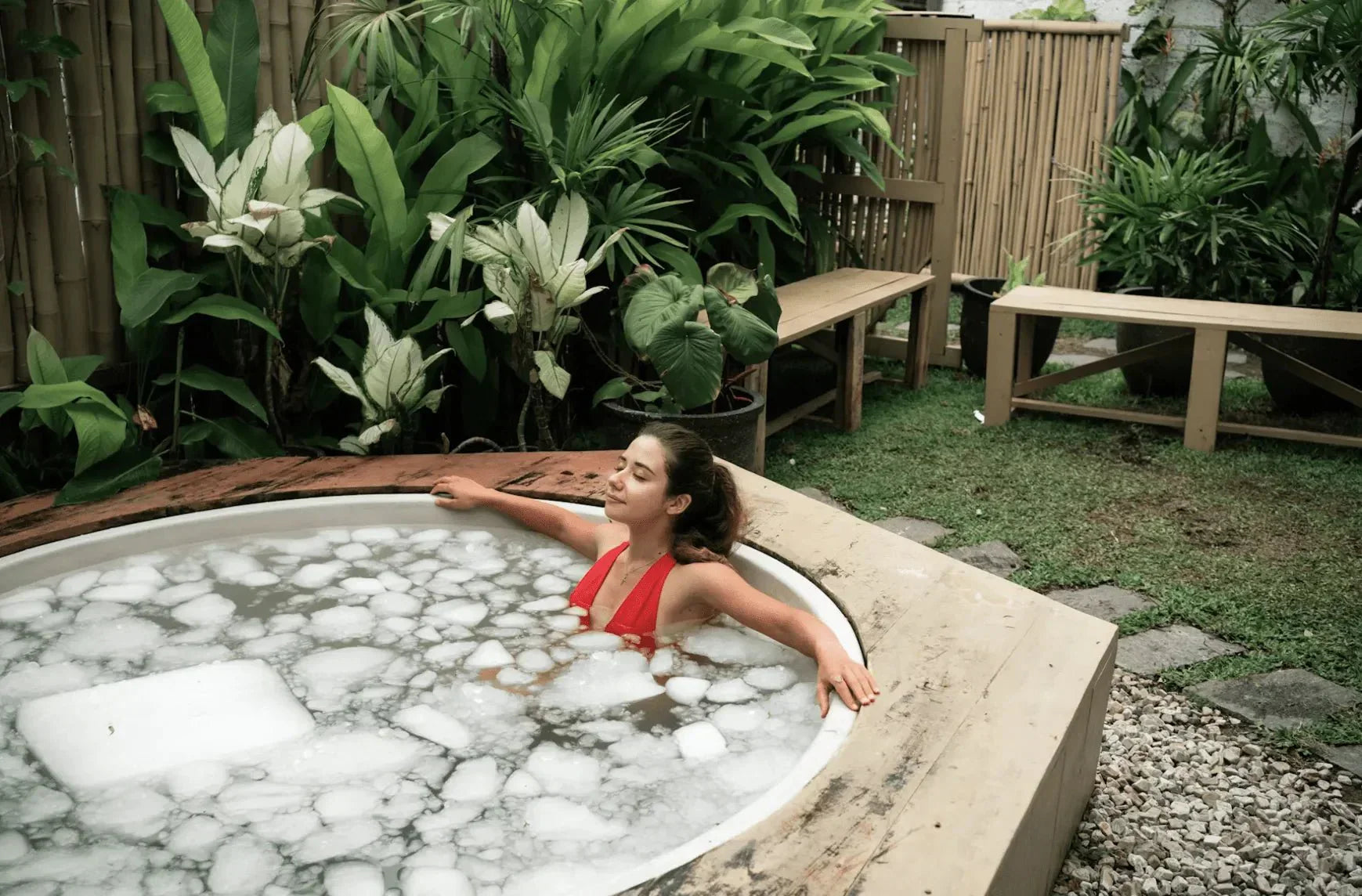
- Cold plunges or cold showers
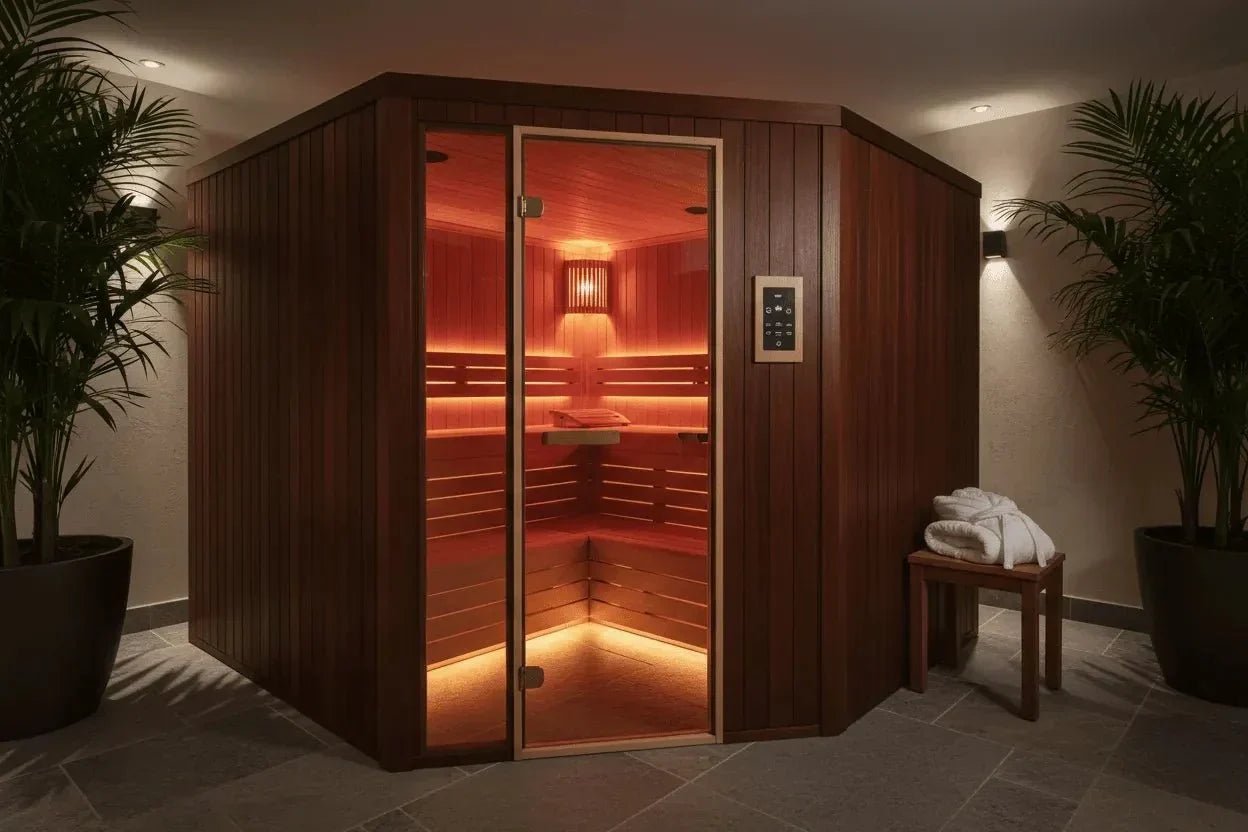
- Infrared saunas or heat therapy
By repeatedly constricting and dilating blood vessels, contrast therapy acts like a circulatory “pump”, supporting recovery by encouraging fresh blood flow and helping the body clear normal metabolic byproducts from tissues.
For a foundational overview of how temperature affects the nervous system, see:
👉 Reset Your Nervous System: The Science of Cold, Light, and Heat Therapy
The Science Behind Contrast Therapy
Vascular Constriction & Dilation
Cold exposure causes vasoconstriction (temporary narrowing of blood vessels). Heat exposure causes vasodilation (temporary widening of blood vessels).
Alternating between the two may help:
- Support circulation
- Encourage nutrient and oxygen delivery
- Reduce perceived soreness after training
- Support tissue recovery routines
Nervous System Training
Cold exposure typically activates the sympathetic nervous system (alertness and stress response). Heat exposure typically supports parasympathetic activation (relaxation and recovery).
Repeated contrast exposure may help the body:
- Recover faster after stress
- Support emotional regulation
- Build physiological resilience over time
This dual nervous-system “training effect” is one reason contrast therapy is popular for both physical recovery and mental performance.
Why Cold Plunges Are the Anchor of Contrast Therapy
While heat prepares tissues, cold exposure often provides the strongest stimulus in contrast therapy.
Cold plunges are commonly used to support:
- Post-training recovery routines
- Perceived inflammation and soreness management
- Stress resilience and mental toughness practices
- General wellness and alertness
For structured cold exposure guidance, reference:
👉 Cold Plunge Protocols: Beginner to Advanced
Cold Plunge vs. Cold Shower in Contrast Therapy
Cold showers can be beneficial, but cold plunges tend to deliver deeper and more consistent exposure when used in contrast therapy.
For a full breakdown, see:
👉 Cold Plunge vs. Cold Shower: Unpacking the Real Health Benefits
Key difference: Cold plunges provide full-body immersion and sustained cooling, which can be easier to standardize in repeatable contrast routines.
Heat Modalities Used in Contrast Therapy
Infrared Therapy
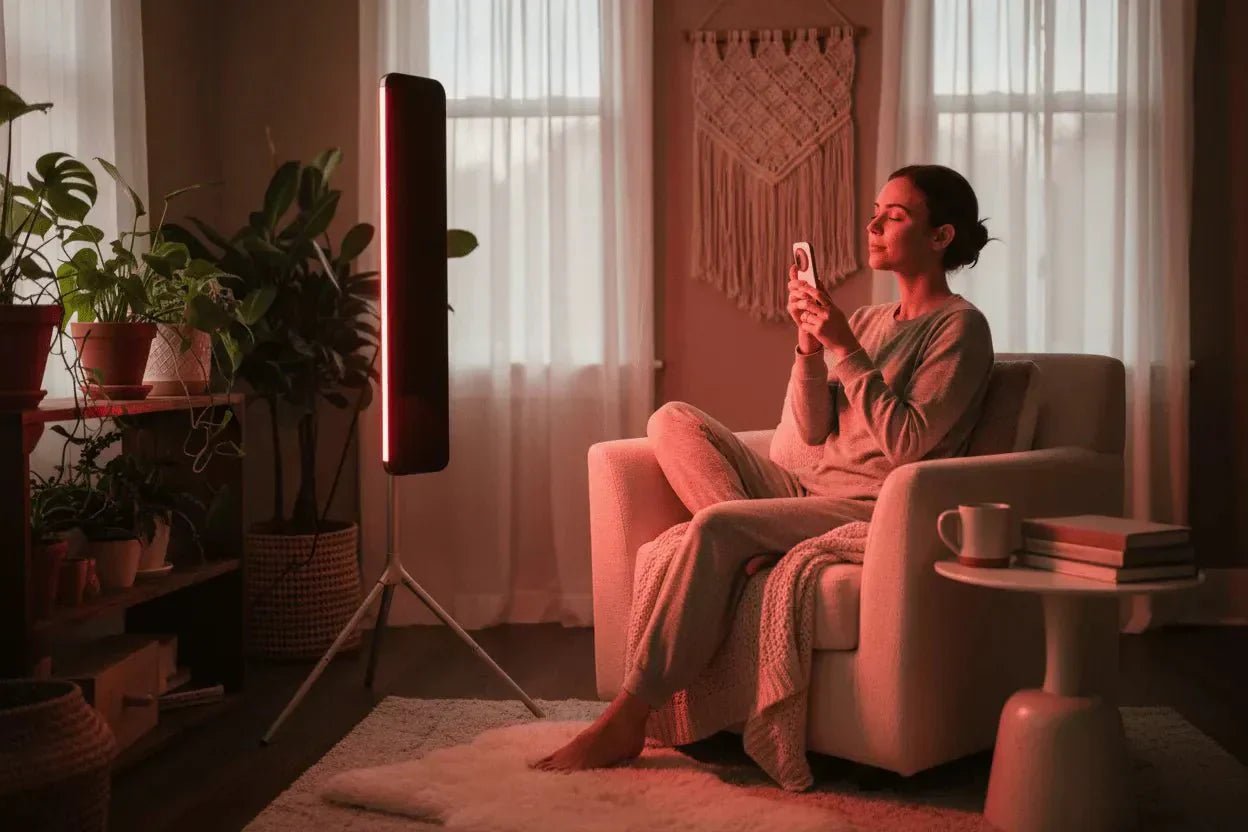
Infrared therapy gently warms tissues and may support circulation and relaxation without the intensity some people experience in high-heat environments.
Learn more:
👉 The Science of Infrared Therapy in 2025
Traditional Sauna or Heat Exposure
Traditional heat can loosen muscles, increase circulation, and prepare the body for cold exposure.
Infrared is often preferred for daily contrast routines due to comfort and sustainability.
Sample Daily Contrast Therapy Protocols
Beginner Protocol
- Infrared sauna: 10–15 minutes
- Cold plunge: 30–60 seconds
- Repeat once
Intermediate Protocol
- Infrared sauna: 15–20 minutes
- Cold plunge: 1–2 minutes
- Repeat 2 rounds
Advanced Protocol
- Infrared sauna: 20–30 minutes
- Cold plunge: 2–3 minutes
- Repeat 2–3 rounds
Tip: If your goal is alertness and resilience, many people prefer to finish with cold. If your goal is relaxation before bed, finishing with heat may feel better.
Benefits of Daily Contrast Therapy
Recovery Support
- Reduced perceived muscle soreness
- Support for mobility routines
- Circulation support
Sleep & Stress Resilience
Contrast therapy may support parasympathetic activation, which can help with relaxation routines.
Long-Term Resilience
Consistent contrast exposure can help the body adapt more efficiently to both physical and psychological stressors over time.
Safety Considerations
Contrast therapy is powerful and should be practiced responsibly.
Consult a healthcare professional before starting if you have:
- Cardiovascular conditions
- Blood pressure instability
- Circulatory disorders
- Recent surgeries
Always:
- Start with short durations
- Control breathing during cold exposure
- Exit immediately if dizziness, numbness, or chest discomfort occurs
Building a Home Contrast Therapy Setup
Modern wellness technology makes daily contrast therapy accessible at home.
👉 Shop Cold Plunge Systems
👉 Shop Infrared Saunas
👉 Shop Red Light Therapy
References
- Mayo Clinic Health System: Cold-Water Plunging Health Benefits
- Cedars-Sinai: Taking the Plunge — Is Cold Exposure Worthwhile?
- NIH / PMC: Health Effects of Voluntary Exposure to Cold Water
- NIH / PMC: Sauna Bathing and Health Benefits
Final Thoughts: Contrast Therapy Is About Rhythm, Not Extremes
Daily contrast therapy isn’t about pushing limits — it’s about creating a repeatable rhythm that supports recovery, resilience, and long-term performance.
- Heat prepares
- Cold strengthens
- Recovery becomes more repeatable
Used consistently, contrast therapy can become one of the most effective tools in a modern longevity and performance stack.